SEO for Authors (Beginner Guide): How to Get Your Books Found Online Without Paid Ads
Most authors write great books but struggle to get discovered online. You pour your heart into your stories, but when readers search for books like yours, they find other authors instead.
SEO (Search Engine Optimization) helps readers find your author website and books through Google without spending money on ads. It's about using the right words in the right places so search engines understand what you write about and show your site to people looking for it. When you know basic SEO, you can build a stronger online presence that brings new readers to you naturally.
You don't need to be a tech expert or hire an expensive specialist. This guide walks you through simple, practical steps to optimize your author website and start showing up in search results where your ideal readers are already looking.
Key Takeaways
SEO helps readers discover your author website and books through Google without paying for ads
You can learn and apply basic SEO techniques yourself without technical expertise
Following beginner-friendly steps will improve your visibility and connect you with the right audience
Want a beautiful author website without spending weeks designing it from scratch? These Squarespace website templates for authors are designed to showcase your books, grow your email list, and look professional instantly.

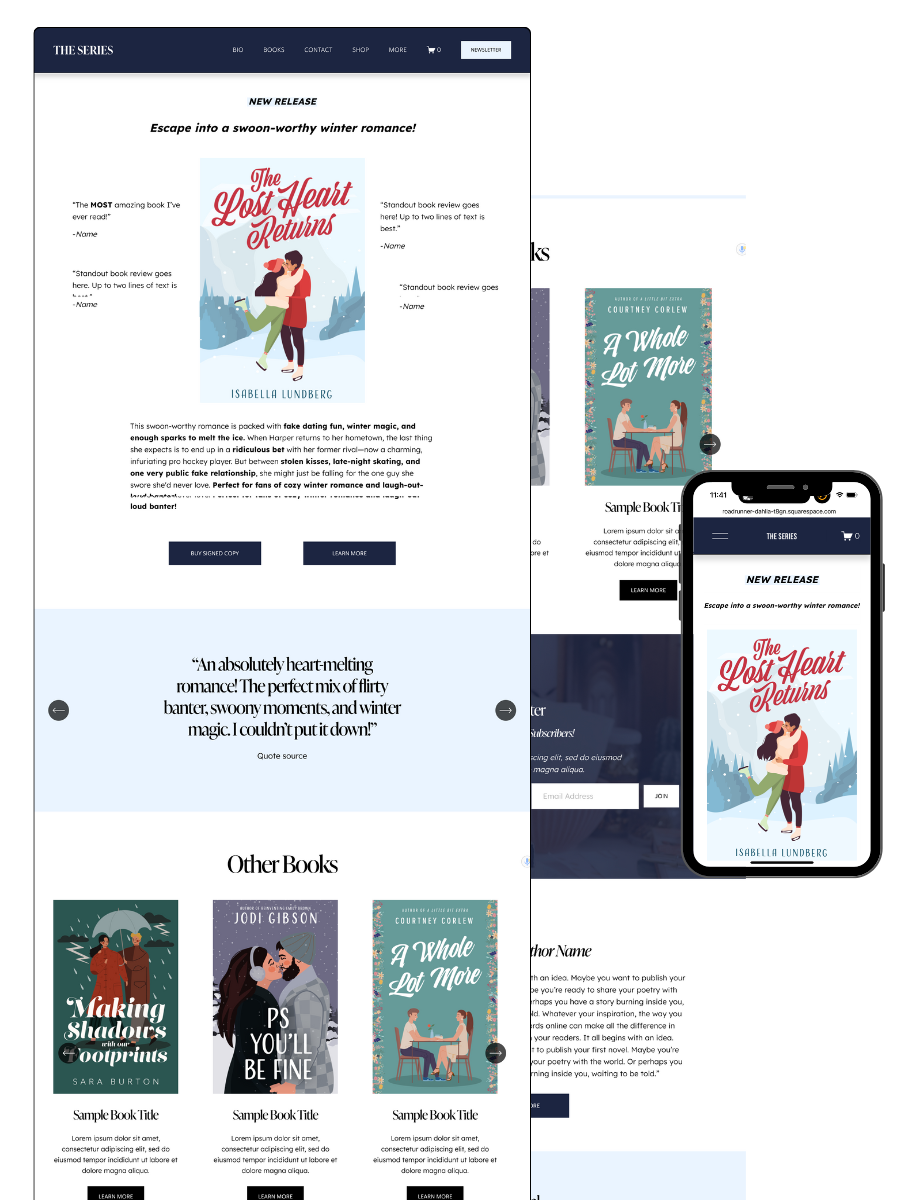
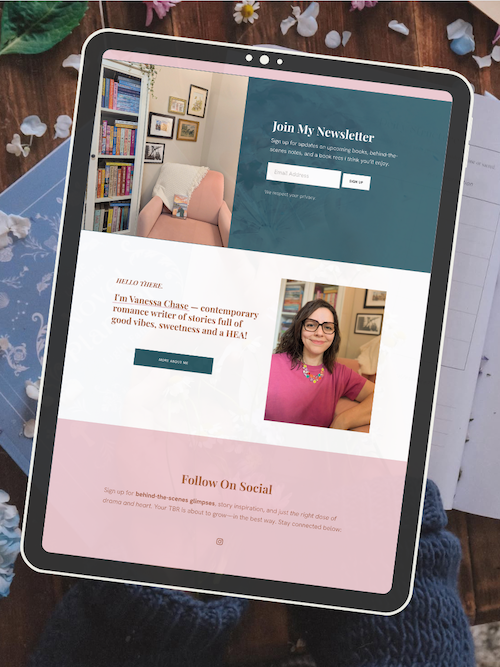
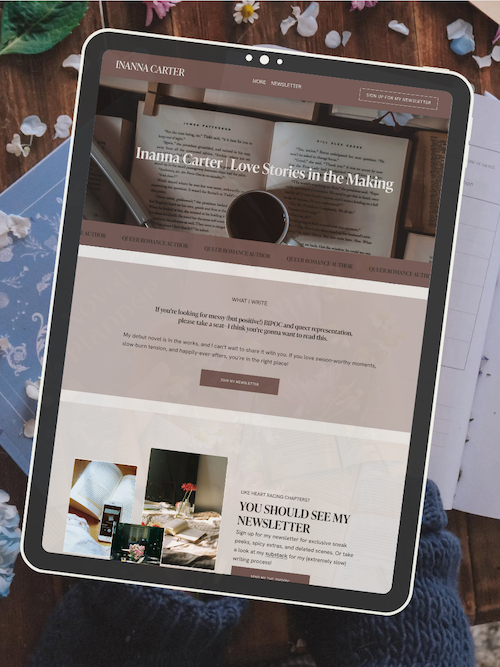
Here’s how real authors are using these Squarespace author website templates:
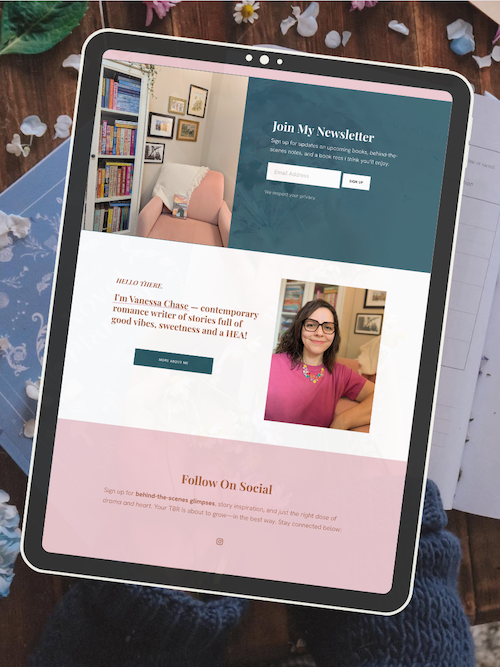
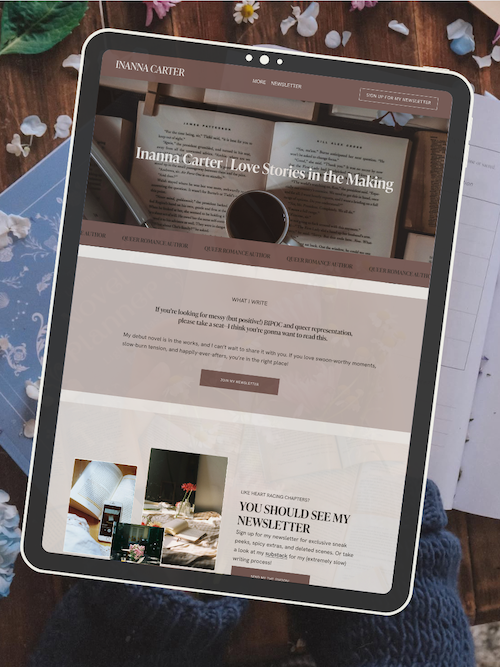
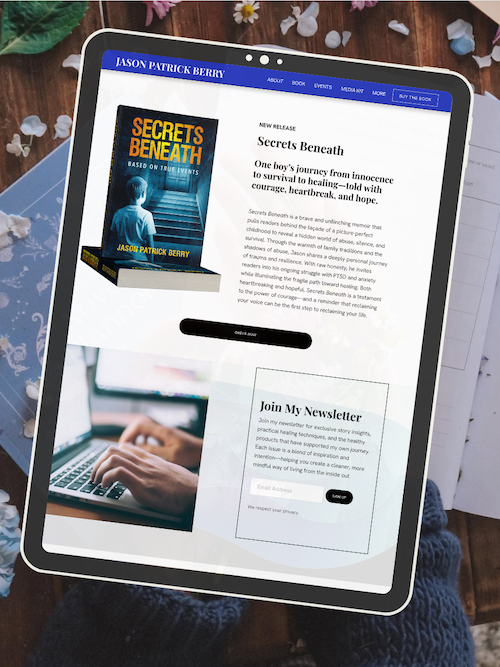

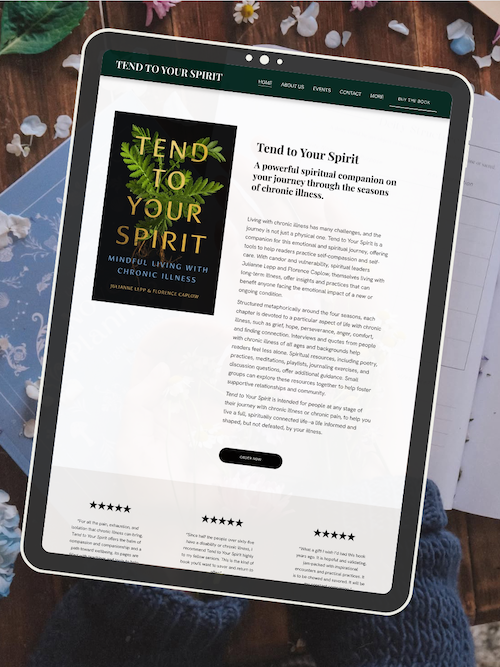
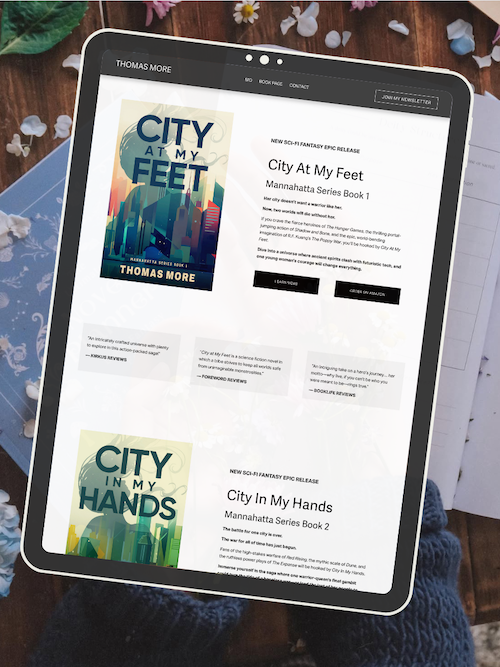
AUTHOR WEBSITE EXAMPLES
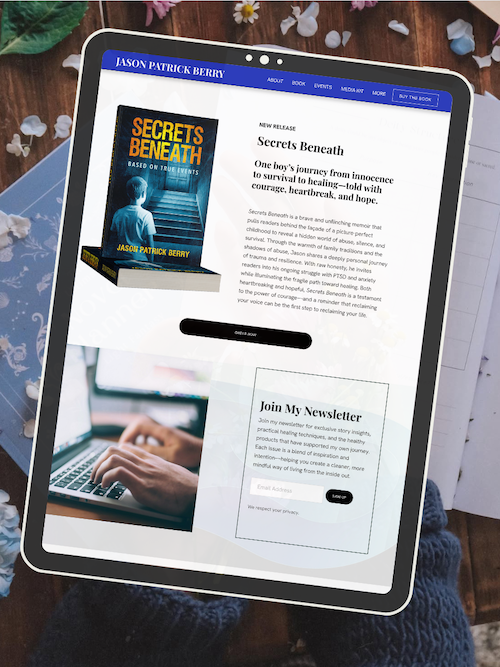

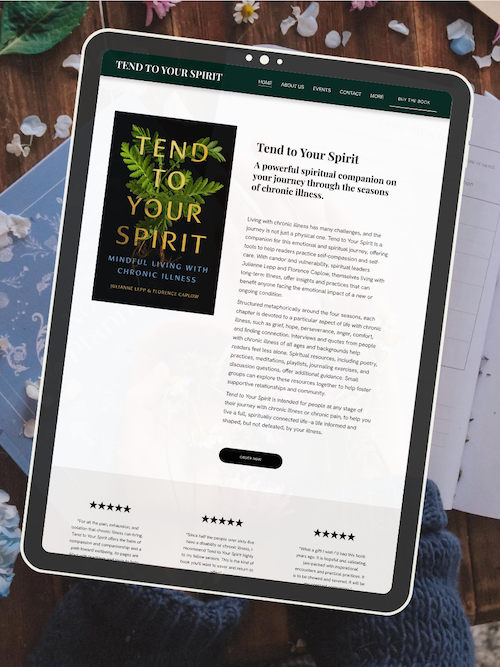
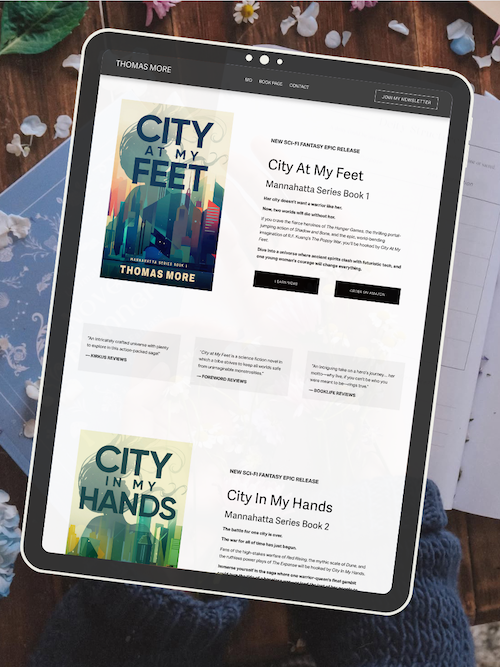
SEO for Authors: A Beginner's Step-by-Step Guide
Search engines are how readers find your books and author website online. This guide walks you through everything from keyword research and on-page optimization to technical elements and tracking your progress.
Understanding SEO and Why It Matters for Authors
SEO (search engine optimization) is how you help Google and other search engines understand what your website is about. When you do it right, your author website shows up when readers search for books in your genre, topics you write about, or even your name.
Here's why it matters for you. Great writing doesn't automatically sell books. You need readers to actually find you first. SEO brings organic traffic to your website without paying for ads every time someone clicks.
Think of it this way: your website could be beautiful and full of amazing content, but if no one can find it in search results, it might as well not exist. SEO fixes that problem.
The three main benefits are simple. You get more visibility in Google search results. You attract readers who are actively looking for what you write. And you build a sustainable author platform that grows over time without constant ad spending.
How Search Engines Work: Crawling, Indexing, and Ranking
Google uses bots to crawl your website. These bots are automated programs that visit your pages and read your content just like a person would—but much faster.
After crawling, Google adds your pages to its index. Think of this like a massive library catalog. Your pages get stored and organized so Google can pull them up when someone searches.
Ranking is where the magic happens. When someone types a search query, Google looks through its index and decides which pages to show first. It uses over 200 factors to make this decision.
The factors that matter most include your content quality, how well your keywords match what people search for, your site speed, and whether other websites link to you (backlinks). Google also looks at user experience—does your site load fast? Is it mobile-friendly? Do people actually read your content or bounce away immediately?
Your author website needs to make it easy for bots to crawl and understand your content. That means clear page titles, logical site structure, and no technical barriers blocking Google from seeing your pages.
Keyword Research for Author Websites
Keywords are the words and phrases readers type into Google when looking for books, authors, or content like yours. Finding the right keywords is the foundation of your entire SEO strategy.
Start with Google Keyword Planner (it's free) or try SEMrush or Ahrefs for more detailed data. These keyword research tools show you search volume (how many people search for a term each month) and keyword difficulty (how hard it is to rank for it).
Focus on long-tail keywords—these are longer, more specific phrases like "cozy mystery books set in small towns" instead of just "mystery books." Long-tail keywords have less competition and attract readers who know exactly what they want.
Think about search intent. Are people looking to buy a book? Learn about a topic? Find an author's website? Your content needs to match what searchers actually want.
Here are keywords every author should target:
Your name (plus common misspellings)
Your book titles
Your genre plus descriptive words ("young adult fantasy with dragons")
Topics you write about ("how to write a memoir," if you're a memoir author)
"Books like [popular title in your genre]"
Don't do keyword stuffing—cramming keywords everywhere unnaturally. Google penalizes this. Use keywords naturally in your content where they make sense.
On-Page SEO Basics: Titles, Headings, and Meta Descriptions
On-page SEO means optimizing the content and HTML elements on each page of your author website. This is where you tell Google (and readers) exactly what your page is about.
Your title tag is the clickable headline that shows up in search results. Make it clear, compelling, and include your target keyword. Keep it under 60 characters so it doesn't get cut off in SERPs (search engine results pages).
Your meta description is the short snippet of text under your title in search results. It doesn't directly affect ranking, but it impacts your click-through rate. Write a clear description (150-160 characters) that makes people want to click.
Use headings (H1, H2, H3) to structure your content. Your H1 should include your main keyword and clearly state what the page is about. H2s and H3s break your content into scannable sections—which both Google and readers love.
Include your keywords in the first paragraph of your content. This signals to Google what your page focuses on right from the start.
Don't forget alt text for images. This describes what's in the image for people who can't see it and helps Google understand your visual content. Use descriptive text that includes relevant keywords when natural.
Crafting SEO Content That Engages Readers
Quality content is what keeps readers on your site and tells Google your page deserves to rank. You need to write for humans first, search engines second.
Start by matching search intent. If someone searches "how to self-publish a book," they want a guide—not a sales pitch for your novel. Give readers exactly what they're looking for.
Write in short paragraphs (1-3 sentences). Use varied sentence lengths. Break up text with headings, bullet points, and bold text to make your content scannable.
Longer content generally ranks better. Aim for at least 1,000 words on important pages. But length alone doesn't work—every word needs to add value.
Include your target keywords naturally throughout your content. Use variations and related terms too. If your keyword is "author website," also use "writer website" and "author platform."
Add internal links to other relevant pages on your site. This helps readers find more of your content and helps Google understand how your pages relate to each other.
End with a clear call to action (CTA). What do you want readers to do next? Join your email list? Buy your book? Read another blog post? Tell them.
Optimizing Site Structure and Internal Linking
Your site structure is how your pages are organized and connected. A clear structure helps both readers and search engines navigate your author website easily.
Keep it simple. Your homepage should link to your main sections: About, Books, Blog, Contact. Each book should have its own page. Blog posts should be organized by category or topic.
Use a logical URL structure. Instead of "yoursite.com/p=12345," use "yoursite.com/books/your-book-title." Clean URLs help Google understand what your page is about.
Internal linking connects your pages together. When you mention a book in a blog post, link to that book's page. When
Frequently Asked Questions
Authors starting with SEO often face similar roadblocks around website setup, keyword use, content strategy, and technical mistakes. These answers cover the core questions that come up when building search visibility from scratch.
How do I optimize my author website for search engines?
Start with your site structure. Make sure every page has a clear purpose and a descriptive title that includes relevant keywords. Your homepage should tell visitors who you are and what you write. Your About page should include your name, genre, and author credentials.
Use descriptive URLs for each page. Instead of "yoursite.com/page1," use "yoursite.com/about" or "yoursite.com/books." This helps search engines understand what each page is about.
Add meta descriptions to every page. These are the short summaries that appear under your page title in search results. Keep them under 160 characters and include your main keyword naturally.
Make your site mobile-friendly. Most readers browse on their phones, and Google ranks mobile-friendly sites higher. Test your site on different devices to confirm it loads quickly and looks good.
Include internal links between your pages. Link from your blog posts to your book pages, from your homepage to your contact form, and between related content pieces. This helps search engines crawl your site and keeps visitors engaged longer.
What are the basics of SEO I should know as a new author?
SEO stands for Search Engine Optimization. It's how you make your website easier for search engines like Google to find, understand, and recommend to readers searching for content like yours.
Keywords are words and phrases your target readers type into search engines. If you write romance novels, relevant keywords might be "contemporary romance author" or "best small-town romance books." You want these terms naturally placed in your website content.
Search engines rank websites based on relevance, quality, and authority. Relevance means your content matches what someone searched for. Quality means your content is well-written, helpful, and original. Authority means other reputable sites link to yours.
On-page SEO includes everything you control on your website. This covers your page titles, headings, content, images, and URLs. Off-page SEO includes factors outside your site, mainly backlinks from other websites.
Technical SEO covers how well search engines can crawl and index your site. This includes site speed, mobile responsiveness, and proper site structure. Most website platforms handle the technical basics automatically.
What role does content quality play in SEO for author websites?
Content quality is one of the biggest ranking factors. Google prioritizes helpful, original content that answers what people are actually searching for. Thin, duplicate, or unhelpful content won't rank well no matter how many keywords you stuff in.
Write for readers first, search engines second. Your content should provide real value—whether that's entertainment, information, or inspiration. When visitors spend more time on your pages and click through to other parts of your site, it signals to search engines that your content is worth showing.
Original content performs better than recycled information. Share your unique perspective, experiences, and expertise. If you're writing about character development, don't just repeat what every writing blog says. Add your own insights from your writing journey.
Length matters, but only if the content stays valuable. A 2,000-word blog post isn't better than a 500-word post if it's full of fluff. Cover your topic thoroughly enough to be useful, but cut anything that doesn't serve your reader.
Update your content regularly. Fresh content signals that your site is active and relevant. You can update old blog posts with new information, add recently published books to your bibliography, or refresh your About page as your career grows.
How can I research and use keywords effectively for my writing niche?
Start with basic keyword research tools. Google's search bar shows auto-complete suggestions based on what people actually search for. Type in your genre or topic and see what comes up. You can also check the "People also ask" and "Related searches" sections at the bottom of search results.
Use free keyword tools like Google Keyword Planner, Ubersuggest, or Answer the Public. These show you search volume and related terms. Look for keywords with decent search volume but lower competition—these are easier to rank for as a new site.
Focus on long-tail keywords. These are longer, more specific phrases like "how to self-publish a fantasy novel" instead of just "self-publishing." They have less competition and attract more targeted readers who are closer to taking action.
Look at what's already ranking. Search for your target keywords and see what comes up. What topics do the top results cover? What questions do they answer? Use this to inform your own content without copying it.
Place keywords naturally in key locations. Your page title, first paragraph, a few headings, and throughout your content should include your target keyword. But never force it—if it sounds awkward, rewrite it until it flows naturally.
Track which keywords drive traffic to your site. Most website platforms include basic analytics. See which search terms bring visitors and create more content around those topics.
Can blogging improve my visibility as an author, and how should I approach it for SEO?
Blogging is one of the most effective ways to boost your SEO. Each blog post creates a new page that can rank in search results. More quality content means more opportunities for readers to find you.
Blog about topics your target readers care about. If you write thrillers, blog about thriller recommendations, writing suspense, or true crime stories that inspired you. If you write self-help, share practical tips related to your book's themes.
Answer common questions in your genre or niche. What do aspiring writers in your genre want to know? What questions do readers ask about topics you cover? Each question is a potential blog post that could rank in search results.
Post consistently but prioritize quality over quantity. One well-researched, helpful post per month beats four rushed, thin posts. Search engines favor sites that publish regularly and maintain high standards.
Use a clear structure with headings. Break up your posts with H2 and H3 headings that include relevant keywords. This makes your content easier to read and helps search engines understand your post's organization.
Include images with descriptive file names and alt text. Instead of "IMG_1234.jpg," use "mystery-writing-tips.jpg." Alt text describes the image for screen readers and search engines.
Link to your books and other relevant pages naturally within blog posts. If you mention a theme from your novel, link to that book's page. This improves your site structure and guides readers toward purchasing.
What are some common SEO mistakes authors make on their websites?
Ignoring mobile optimization is a critical error. Many authors design their sites on desktop computers and never check how they look on phones. Google prioritizes mobile-friendly sites, and most readers browse on mobile devices.
Ready to launch your author website?
Explore my Squarespace website templates designed specifically for authors — easy to customize, beautifully designed, and built to help you sell more books.

SHOP THE AUTHOR WEBSITE TEMPLATES
THE MANUSCRIPT AUTHOR WEBSITE TEMPLATE — perfect for authors launching their first professional website with a simple, polished layout
THE DEBUT AUTHOR WEBSITE TEMPLATE — designed to highlight your first book, build your email list, and grow an audience from day one
THE SERIES AUTHOR WEBSITE TEMPLATE — ideal for showcasing multiple books with clear series pages and strong reader flow
THE ONE-PAGE AUTHOR AUTHOR WEBSITE TEMPLATE — a streamlined one-page site for authors who want something beautiful, fast, and easy
THE DONE-FOR-YOU AUTHOR WEBSITE EXPERIENCE — your author website built for you so you can launch without touching design or tech
MOST POPULAR BLOG POSTS
Authors Guide to Website Design & Branding
Squarespace Email Campaigns: A Guide for Authors
How to Create an Author Website on Squarespace (Step-by-Step)

Launch Your Author Website in a Day (Without the Tech Overwhlem)
*No more starting from scratch.
A simple, done-for-you Squarespace template built specifically for authors with a WIP.