2026 Email Marketing for Authors: How to Build a Loyal Reader Base and Sell More Books
Email marketing gives you direct access to your readers without relying on social media algorithms or platforms you don't control. When you build an email list, you create a lasting connection with your audience that helps you sell more books and grow a loyal fanbase over time. Your email list belongs to you, and it's one of the most reliable ways to reach people who actually want to hear from you.
Many authors skip email marketing because it feels complicated or time-consuming. But the truth is, email is more effective than posting on social media when it comes to book launches, reader engagement, and building real relationships. You don't need fancy tech skills or a huge budget to get started.
This guide will walk you through the basics of email marketing for authors. You'll learn how to choose the right tools, build your list from scratch, and send emails that your readers will actually open. Whether you're publishing your first book or your tenth, these strategies will help you connect with readers and boost your sales.
Key Takeaways
Email marketing lets you reach readers directly without depending on social media algorithms
Building an email list helps you sell more books and create lasting connections with your audience
You can start email marketing with simple tools and strategies that don't require technical expertise
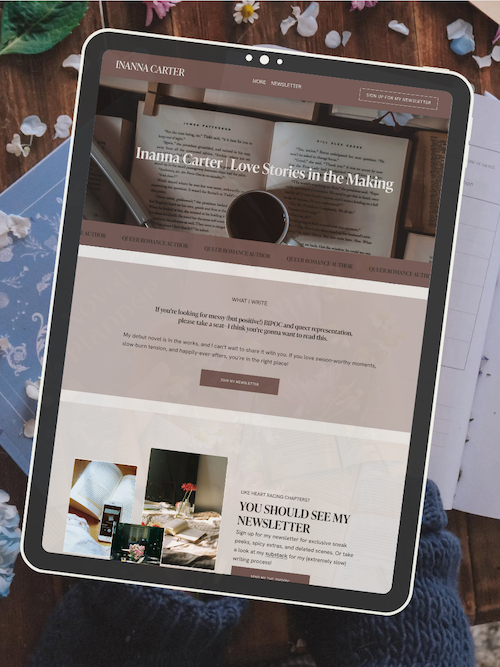
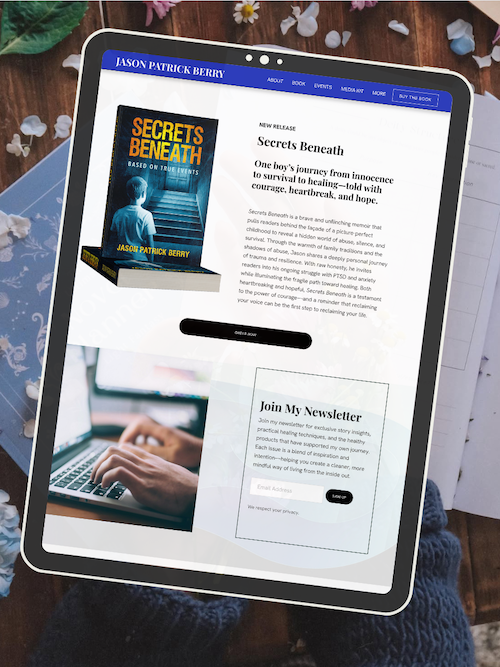
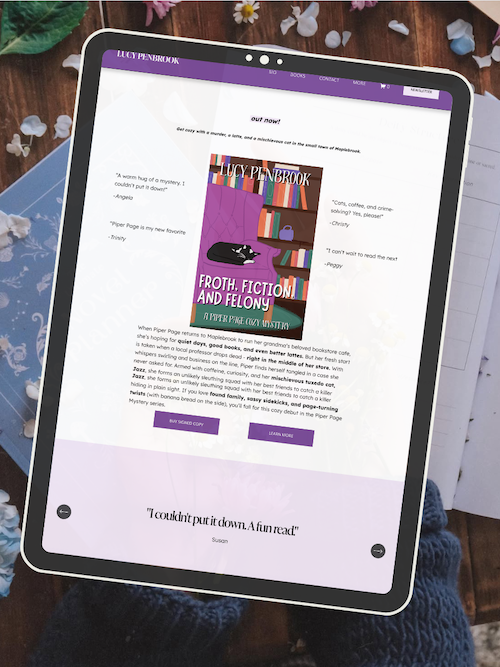
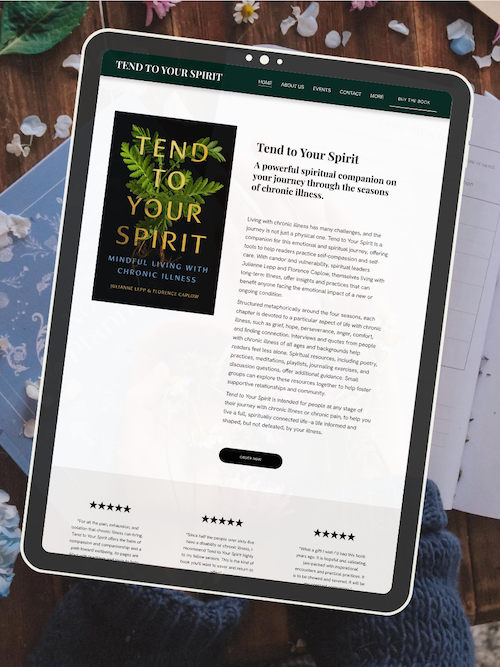
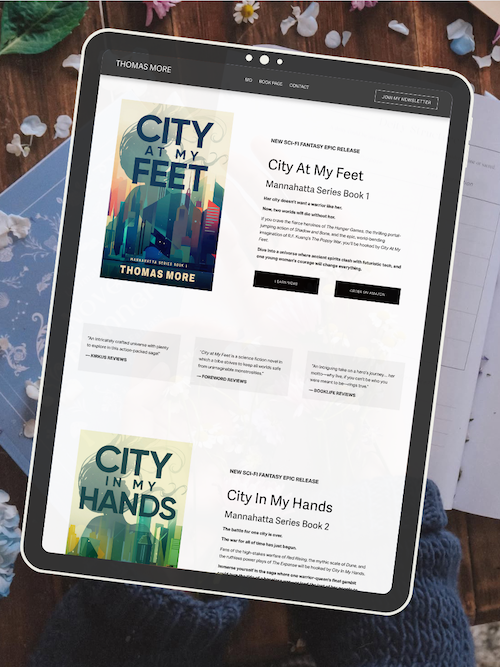
Want a beautiful author website without spending weeks designing it from scratch? These Squarespace website templates for authors are designed to showcase your books, grow your email list, and look professional instantly.

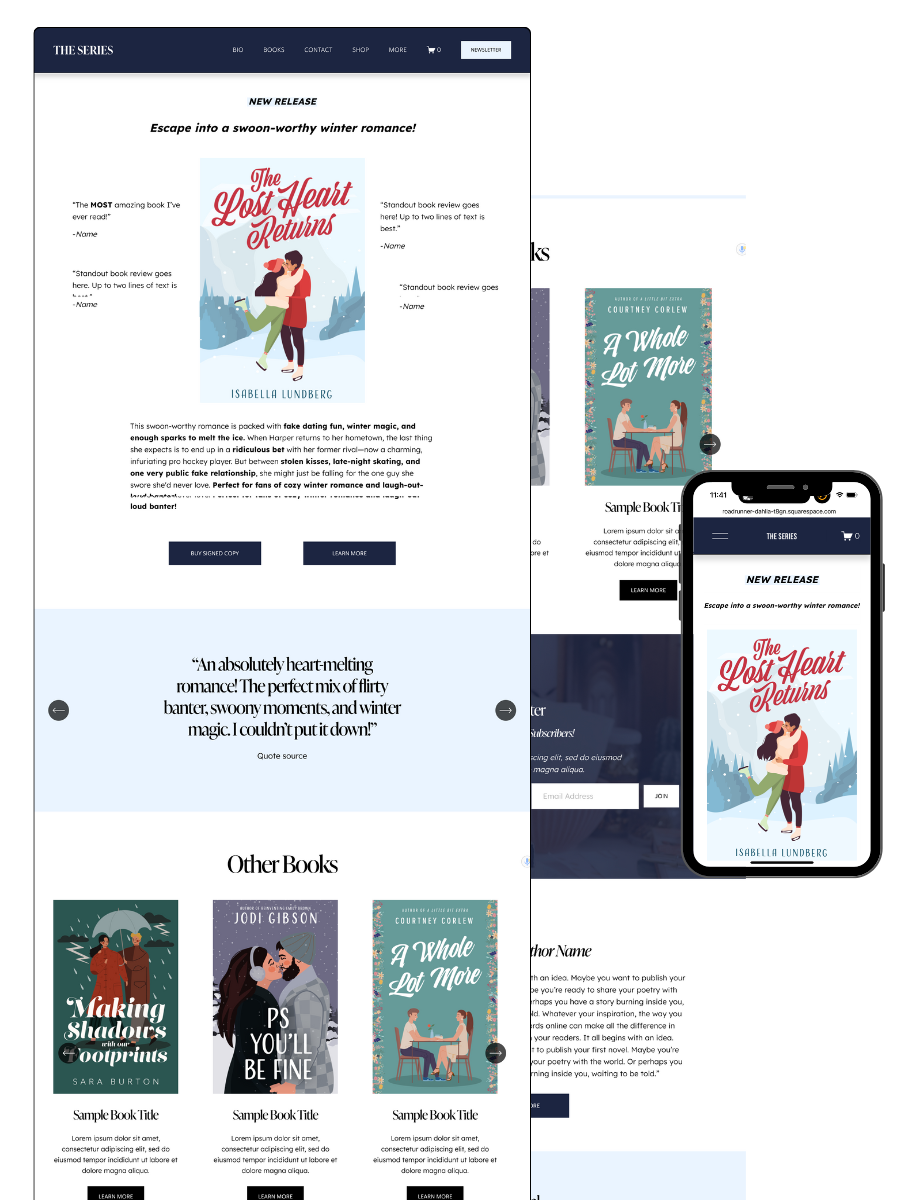
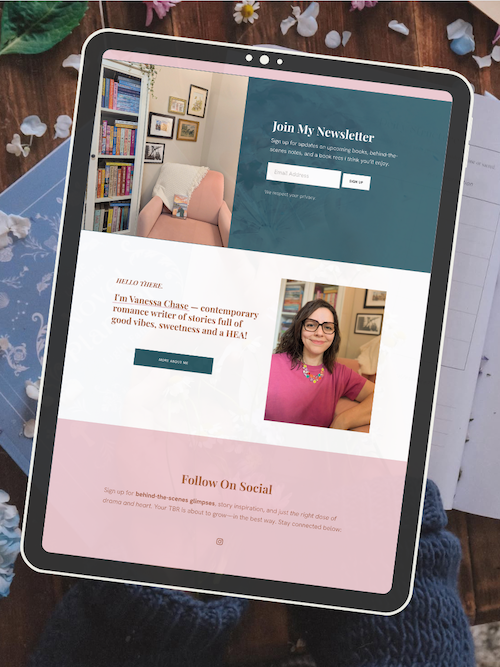
Here’s how real authors are using these Squarespace author website templates:
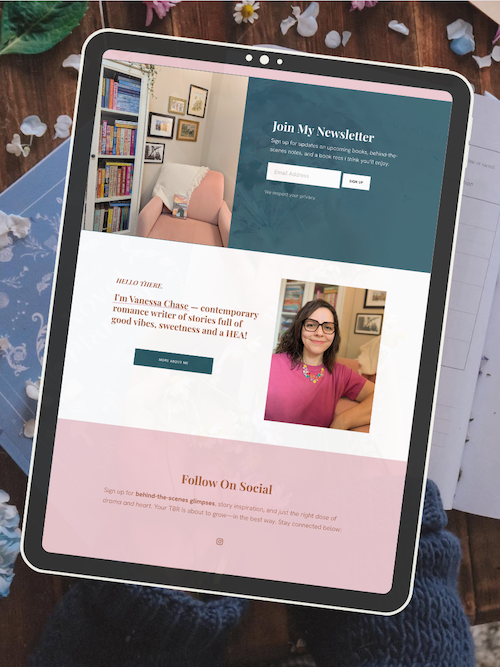
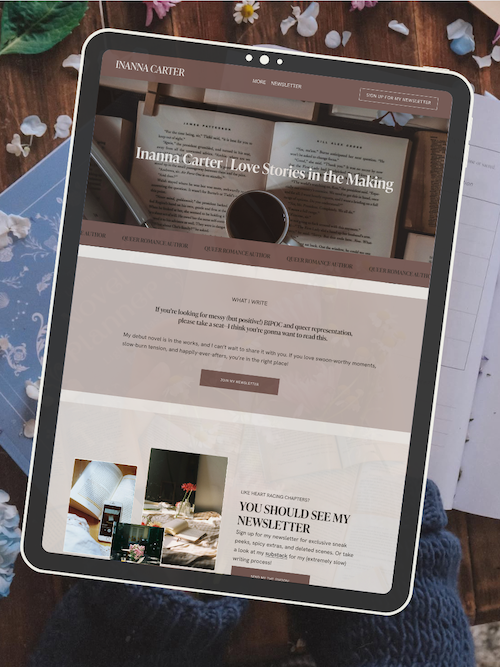
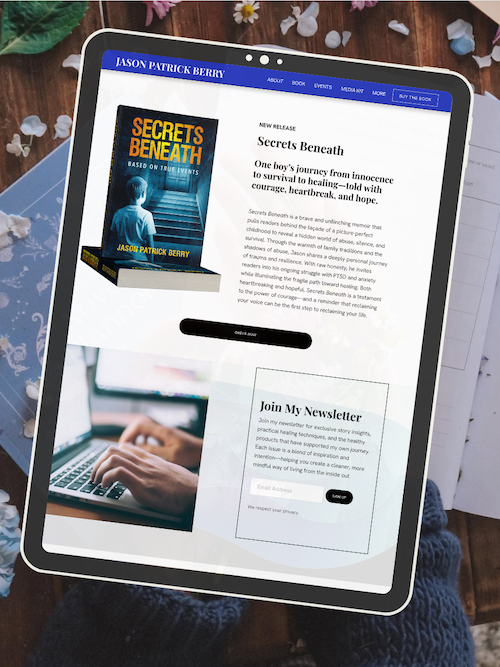
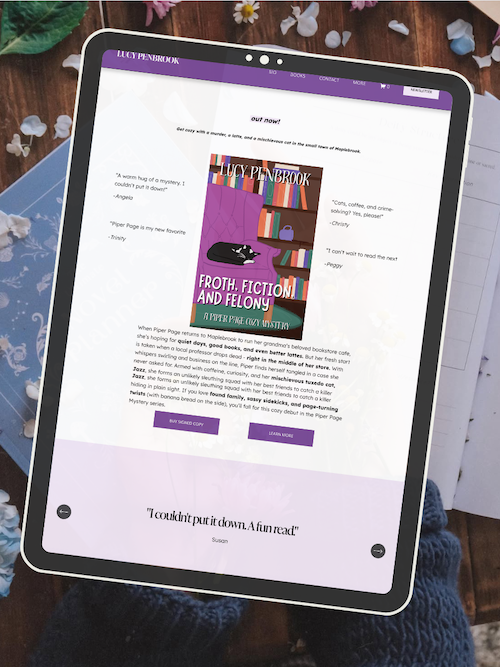
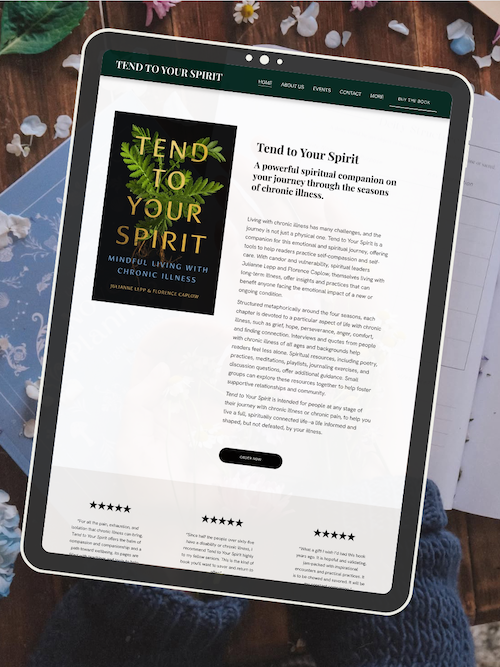
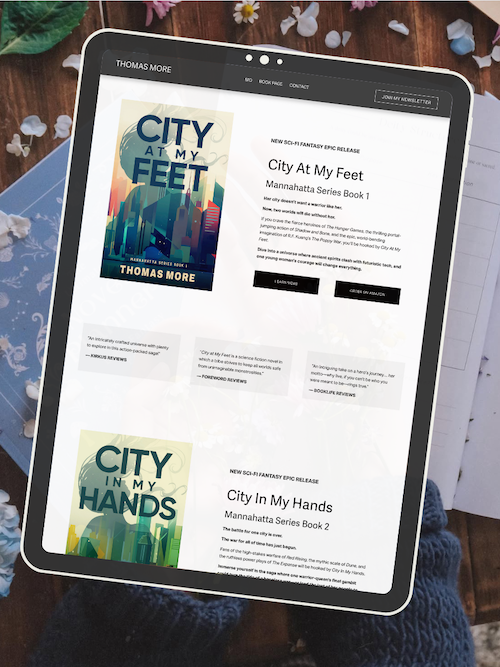
AUTHOR WEBSITE EXAMPLES
Email Marketing for Core Strategies and Step-by-Step Setup
Email marketing gives you direct access to readers who actually want to hear from you, and building that connection starts with choosing the right tools and creating content worth opening. The strategies below walk you through setting up your system, growing your list, and turning subscribers into loyal fans who buy your books.
Why Email Marketing Matters for Authors
Your email list is the only audience you truly own. Social media platforms can change their rules overnight, but your mailing list stays with you no matter what happens online.
When you send an email, you're landing directly in someone's inbox. That's personal space. Readers who join your list are telling you they want updates about your books, and that makes them far more likely to buy than random social media followers.
Email marketing drives book sales better than almost any other method. You can announce new releases, share sneak peeks, and build excitement before launch day. The average author sees about $1 to $5 in book sales for every email they send to an engaged list.
Building your author platform means having a way to reach readers without relying on stores or algorithms. Your email list becomes your safety net and your launch team rolled into one.
Choosing the Right Email Service Provider
You need an ESP (email service provider) to manage your mailing list and send campaigns. The right platform makes everything easier, while the wrong one just gets in your way.
MailerLite works great for authors just starting out. It's affordable, simple to use, and includes automation features even on the free plan. You can send up to 12,000 emails per month to 1,000 subscribers without paying anything.
Mailchimp is probably the most recognizable name, but it's gotten pricey and clunky for authors. The interface feels overcomplicated if you just want to send a simple newsletter.
ConvertKit was built specifically for creators, and many authors swear by it. The automation is powerful, the forms look clean, and you can tag subscribers based on what they download or click. It costs more than MailerLite but offers more flexibility.
Look for these features when comparing email marketing platforms:
Easy automation for welcome emails and reader magnet delivery
Templates that don't require design skills
Tagging and segmentation to send different emails to different readers
Integration with BookFunnel if you plan to use reader magnets
Affordable pricing that grows with your list
Most platforms offer free trials. Test one for a month before committing.
Building and Growing Your Author Email List
Your author email list starts at zero, and that's normal. Every successful author began with an empty list and built it one subscriber at a time.
Add signup forms everywhere readers might find you. Put one on your website homepage, in your blog sidebar, and on a dedicated "Newsletter" page. Make the call to action clear: "Get free stories" works better than "Subscribe to my newsletter."
Use your back matter (the pages after your story ends) to invite readers to join your list. This is the best time to capture someone—they just finished your book and want more. Include a direct link and mention what they'll get by signing up.
Promote your list on social media, but don't just say "join my newsletter." Tell people what's in it for them. Share sneak peeks, mention exclusive content, or talk about giveaways that only subscribers get.
Ask readers directly. When someone emails you to say they loved your book, invite them to join your list for early access to your next release.
Newsletter swaps with other authors in your genre can grow your list fast. You recommend their reader magnet to your subscribers, and they recommend yours to theirs. Look for authors with similar audience sizes and writing styles.
Consistency matters more than big numbers. A list of 100 engaged readers beats 1,000 people who never open your emails.
Creating Irresistible Lead Magnets and Reader Magnets
A lead magnet (or reader magnet) is something free you offer in exchange for an email address. For authors, this usually means a free story, bonus chapter, or exclusive content.
Your reader magnet should match your books. If you write romance, offer a free romance story. If you write thrillers, give away a thriller. Readers who download a free mystery probably won't buy your cookbooks.
Short stories (3,000 to 15,000 words) work incredibly well. They're quick to read, easy to produce, and give readers a complete experience that makes them want more.
First-in-series books set to permafree (permanently free) also work as reader magnets. Readers grab the free first book, and if they like it, they buy the rest of the series.
Other effective reader magnet ideas:
Bonus chapters or deleted scenes from published books
Character interviews or world-building guides
Short prequels or side stories
Reading guides or book club questions
Early access to new releases
Use BookFunnel to deliver your reader magnets. It handles all the technical stuff and makes it easy for readers to get your book onto their device. BookFunnel also runs group promos where hundreds of authors share reader magnets together, which can add dozens or hundreds of subscribers in a few days.
Make your lead magnet easy to access. Don't make readers jump through hoops or wait days for delivery.
Designing and Sending Your First Author Newsletter
Your author newsletter doesn't need to be fancy. Simple, personal emails perform better than overly designed ones that look like advertisements.
Start with a welcome. Tell readers what to expect—how often you'll email, what kind of content you'll share, and why they should actually open your messages.
Write like you're talking to one person, not a crowd. Use "you" and "I" instead of "readers" or "subscribers." Keep your tone conversational and warm.
Most email marketing platforms offer email templates you can customize. Pick something clean with plenty of white space. Include your logo or a header image if you want, but don't clutter the design.
Structure each newsletter with these elements:
Subject line that creates curiosity or promises value
Opening that connects with readers personally
Main content (update, story, or announcement)
Call to action that tells readers what to do next
Sign-off with your name and a personal touch
Your call to action might be "preorder my new book," "leave a review," or "reply and tell me what you thought." Every email should have one clear next step.
Test your email on mobile before sending. More than half your readers will open it one their cellphone.
Frequently Asked Questions
Building an email list, writing engaging newsletters, and automating campaigns can feel confusing at first. These answers will help you understand how to use your Squarespace website to connect with readers and sell more books.
How can authors build an effective email list through their Squarespace website?
Start by adding a newsletter signup block to your homepage. Place it above the fold where visitors see it immediately without scrolling.
Create a dedicated landing page for your email list. This page should focus on one thing: getting people to sign up. Use a clear headline that tells readers exactly what they'll get when they subscribe.
Offer a reader magnet like a free short story, character guide, or first chapter. This gives people a reason to join your list instead of just asking them to "subscribe for updates." Make sure your freebie connects to the books you write.
Add signup forms to your blog sidebar and footer. You can also use pop-ups, but set them to appear after someone has been on your site for 30 seconds or scrolled halfway down the page.
Link to your signup page in your social media bios. When readers find you on Instagram or Facebook, make it easy for them to join your email community.
What are the best practices for crafting email content that engages readers and promotes books?
Write your subject lines like you're texting a friend. Keep them short, around 5-7 words, and make people curious without being clickbait-y.
Start each email with something personal or behind-the-scenes. Share what you're working on, a writing struggle, or something from your daily life. This builds connection before you promote anything.
Follow the 80/20 rule. Send 80% valuable content and 20% promotional content. Your valuable emails might include book recommendations, writing tips, or exclusive scenes your readers can't get anywhere else.
Keep your paragraphs short. Two to three sentences max. This makes your emails easy to read on phones.
Include one clear call-to-action per email. If you want readers to pre-order your book, don't also ask them to follow you on three social platforms and leave a review.
End with a question or conversation starter. Ask readers to reply and share their thoughts. When people respond, answer them. This turns your email list into a real community.
Send consistently but not too often. Once or twice a month works for most authors. Pick a schedule you can actually stick to.
What strategies can authors use to automate email campaigns for new releases and book promotions?
Set up a welcome sequence that sends automatically when someone joins your list. This should include 3-5 emails spread over two weeks. Introduce yourself, deliver your reader magnet, share your best content, and let new subscribers know what to expect from you.
Create a pre-launch sequence for new books. Start this 4-6 weeks before release day. Your first email announces the book and opens pre-orders. Follow-up emails share character backstories, cover reveals, and early reader reviews.
Build a launch week sequence with 3-4 emails. Send one on release day, one mid-week with a reminder, and one at the end of launch week. Make each email different—don't just repeat "my book is out."
Use tags to segment readers based on their actions. When someone clicks a link about your romance series, tag them as interested in romance. Then send them automated emails about similar books.
Set up a re-engagement campaign for inactive subscribers. If someone hasn't opened your emails in 90 days, send an automated sequence asking if they still want to hear from you.
Create evergreen sequences that run in the background. These might promote your backlist books to new subscribers or share your most popular blog posts.
How can authors track the performance of their email campaigns and use the data to improve engagement?
Check your open rates first. A good open rate for authors is 30-40%. If yours is lower, test different subject lines and send times.
Look at your click-through rates. This tells you if people actually engage with your content. Anything above 3% is solid for authors.
Track which links get the most clicks. If readers click your Amazon link but not your book trailer, you know what content works.
Pay attention to unsubscribe rates after each email. One or two unsubscribes is normal. Ten or more means something in that email didn't connect with your audience.
Compare performance across different email types. Your personal story emails might get higher open rates than promotional emails. Use this information to adjust your content mix.
Test one thing at a time. Try different subject lines with similar emails to see what gets better opens. Test different call-to-action buttons to see what gets more clicks.
Watch your list growth rate. If you're losing more subscribers than you're gaining, focus on creating better lead magnets and improving your welcome sequence.
Check your metrics weekly but don't obsess over every number. Look for patterns over time rather than worrying about one bad email.
What are the key design tips for authors to create visually appealing emails that reflect their personal brand?
Use your website's colors and fonts in your emails. Squarespace Email Campaigns pulls these automatically, which keeps everything consistent.
Keep your layout simple. One column works best for mobile readers. Use a header image, your text, and one main button.
Choose header images that match your genre. Romance authors might use soft colors and elegant fonts. Thriller writers might use darker, moodier images.
Make your call-to-action button stand out. Use a contrasting color and make the button big enough to tap easily on a phone.
Add white space around important elements. Don't cram everything together. Give your text room to breathe.
Use images sparingly. One good header image and maybe one more image in the body is enough. Too many images slow down load times and distract from your message.
Include your author photo occasionally. This reminds readers there's a real person behind the emails.
Keep your text readable. Use at least 14-point font for body text. Avoid script fonts except for short headlines.
Brand your footer with links to your social media and website. This should look the same in every email you send.
How should authors segment their audience to deliver more personalized and relevant content through email?
Start with genre preference. If you write in multiple genres, let subscribers choose which types of books they want to hear about.
Segment by reader behavior. Create groups for people who always open your emails versus those who rarely engage. Send different content to each group.
Tag subscribers based on what they download. Someone who grabs your fantasy novella gets different follow-up emails than someone who downloads your romance prequel.
Separate new subscribers from long-time fans. New people need more introduction to you and your books. Long-time subscribers want insider content and early access.
Ready to launch your author website?
Explore my Squarespace website templates designed specifically for authors — easy to customize, beautifully designed, and built to help you sell more books.

SHOP THE AUTHOR WEBSITE TEMPLATES
THE MANUSCRIPT AUTHOR WEBSITE TEMPLATE — perfect for authors launching their first professional website with a simple, polished layout
THE DEBUT AUTHOR WEBSITE TEMPLATE — designed to highlight your first book, build your email list, and grow an audience from day one
THE SERIES AUTHOR WEBSITE TEMPLATE — ideal for showcasing multiple books with clear series pages and strong reader flow
THE ONE-PAGE AUTHOR AUTHOR WEBSITE TEMPLATE — a streamlined one-page site for authors who want something beautiful, fast, and easy
THE DONE-FOR-YOU AUTHOR WEBSITE EXPERIENCE — your author website built for you so you can launch without touching design or tech
MOST POPULAR BLOG POSTS
Authors Guide to Website Design & Branding
Squarespace Email Campaigns: A Guide for Authors
How to Create an Author Website on Squarespace (Step-by-Step)

Launch Your Author Website in a Day (Without the Tech Overwhlem)
*No more starting from scratch.
A simple, done-for-you Squarespace template built specifically for authors with a WIP.