How Authors Grow Their Email List: Proven Strategies and Tools for Building a Loyal Readership
Your email list is one of the most valuable tools you can build as an author. Unlike social media, where algorithms control who sees your content, an email list gives you direct access to readers who actually want to hear from you. When you hit send, your message lands in their inbox. No competition with a feed. No wondering if your post will be buried.
Building that list might sound complicated, but it doesn't have to be. You don't need fancy tech skills or a huge budget. What you need is a clear plan and a few simple strategies that work. Whether you're publishing your first book or your tenth, growing your email list means you're building a community of readers who will show up for every launch, preorder, and new release.
The good news? There are proven ways to attract subscribers without spending all your time on marketing. From offering free content to partnering with other authors, you can grow your list while staying focused on what matters most—your writing. Let's walk through exactly how to do it.
Key Takeaways
Your email list gives you direct control over reader communication without relying on social media algorithms
Use reader magnets like free books or bonus content to encourage sign-ups from your target audience
Partnering with other authors and running giveaways helps you reach more readers in your genre
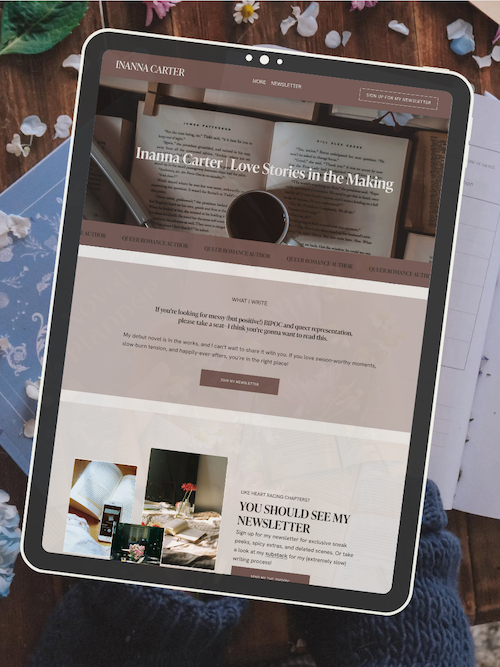
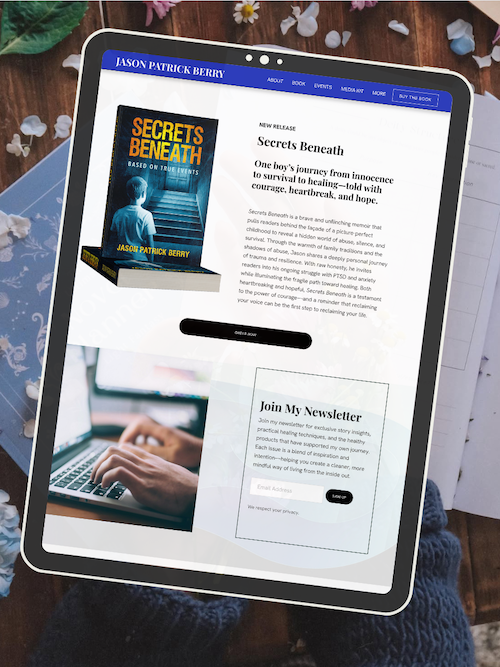
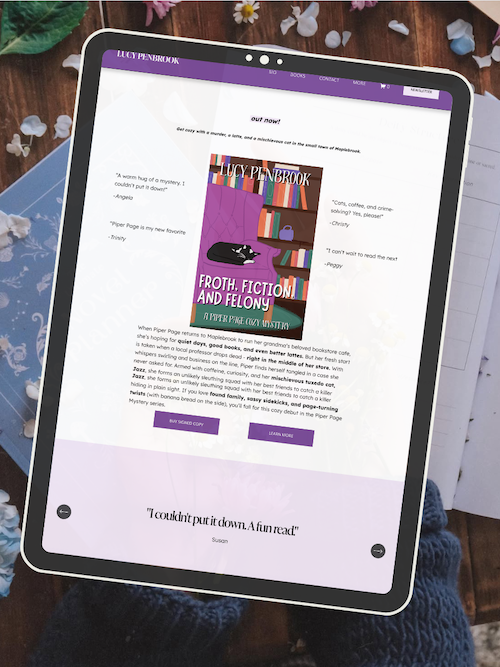
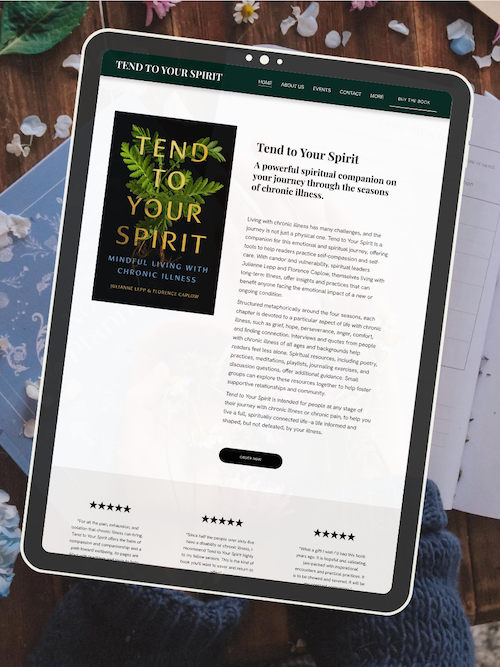
Want a beautiful author website without spending weeks designing it from scratch? These Squarespace website templates for authors are designed to showcase your books, grow your email list, and look professional instantly.

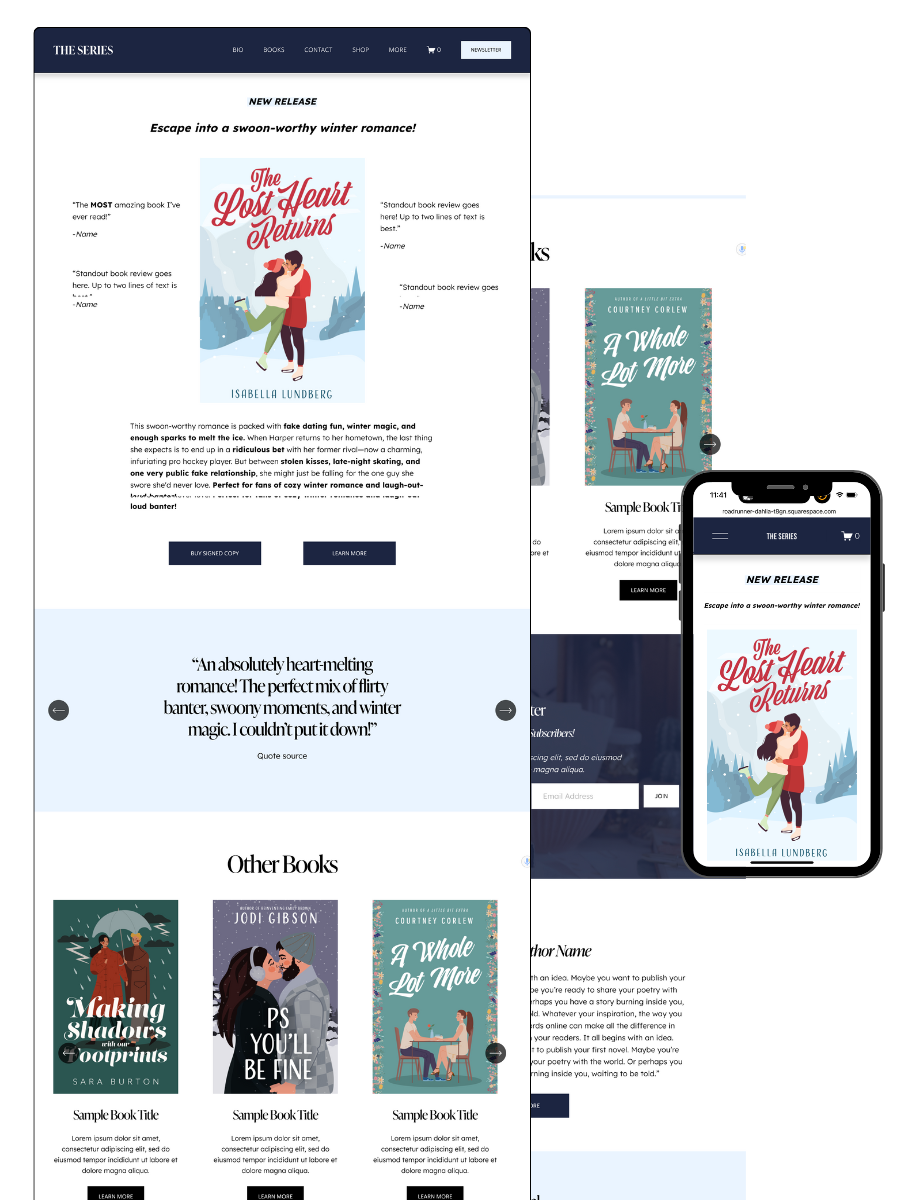
Here’s how real authors are using these Squarespace author website templates:
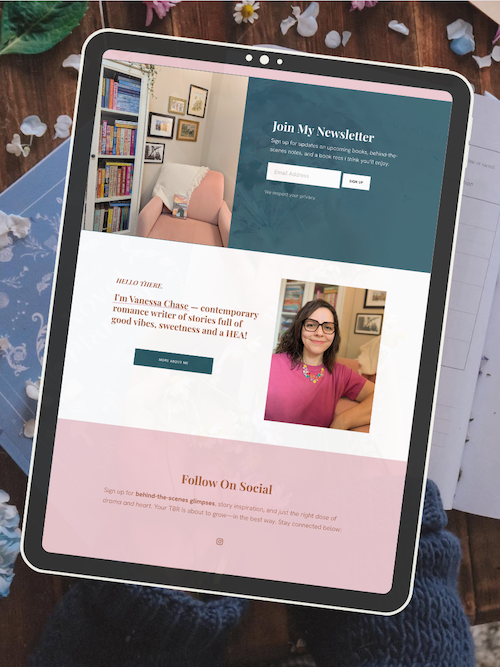
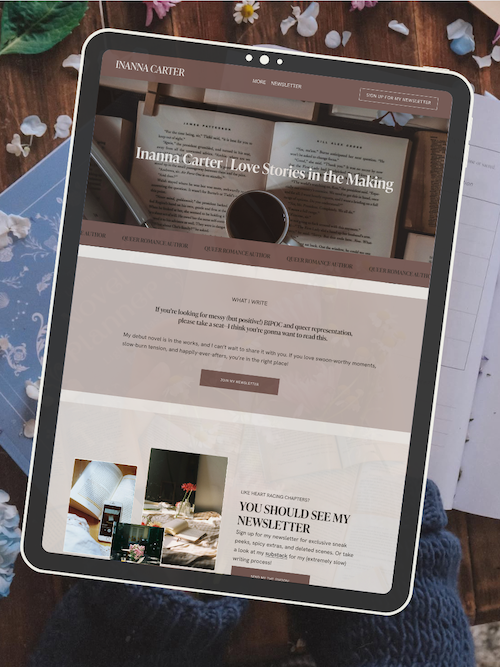
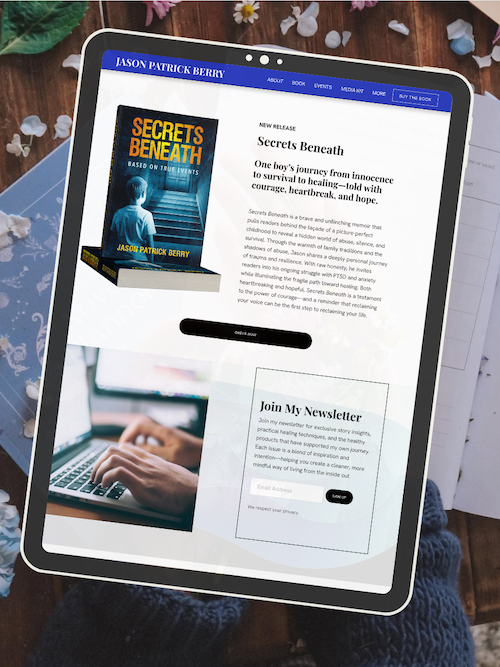
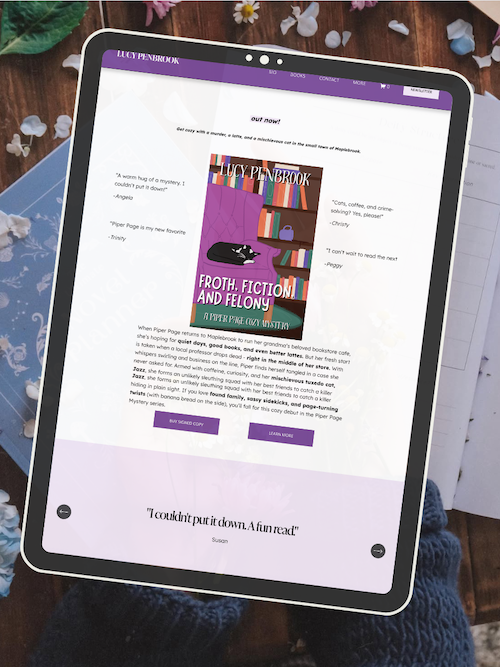
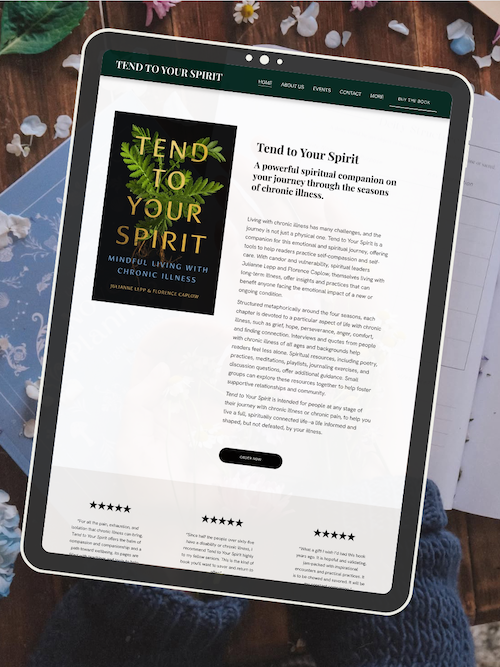
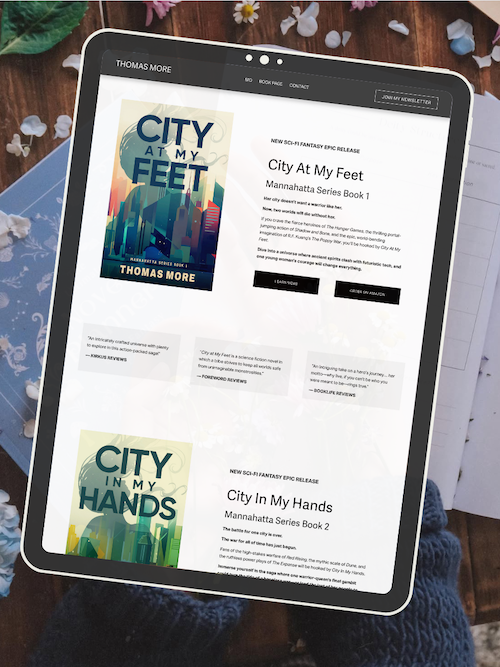
Step-By-Step: How Authors Grow Their Email List
Building an email list doesn't happen overnight, but it's one of the most valuable things you can do as an author. The process involves choosing the right tools, creating something worth signing up for, and making it easy for readers to join—then keeping them engaged once they're in.
Pick Your Email Marketing Platform
Your email marketing platform is where you'll manage your subscribers, send emails, and track how your campaigns perform. This is the foundation of your entire email strategy.
Start by looking at platforms designed for authors and creators. ConvertKit offers visual automation and tagging features that make it easy to segment your readers. Mailchimp is beginner-friendly with a free tier that works well when you're just starting out. MailerLite keeps things simple and affordable with solid automation tools.
Substack works if you want a newsletter-focused platform with built-in payment options. Sendfox is budget-friendly and great for smaller lists. Kit (formerly ConvertKit) is popular with authors who want to build sequences and automation.
Consider what matters most to you. Do you need automation? How many subscribers do you expect? What's your budget? Most platforms offer free trials, so test a few before committing.
Look for features like signup forms, landing pages, automation, and clean reporting on open rates and click-through rates. You'll also want good email deliverability so your messages actually reach inboxes.
AUTHOR WEBSITE EXAMPLES
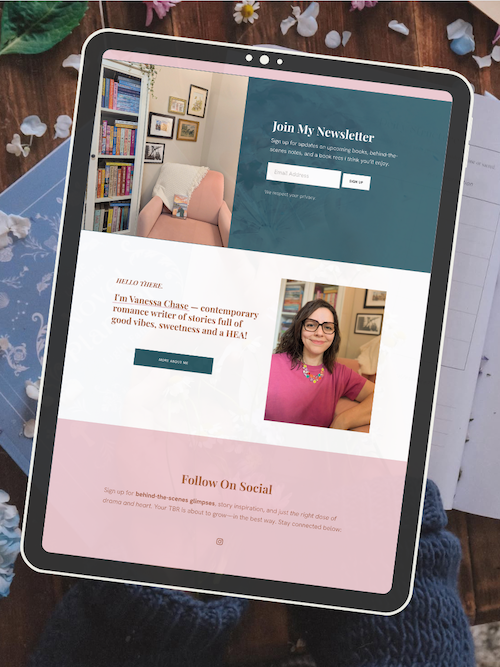
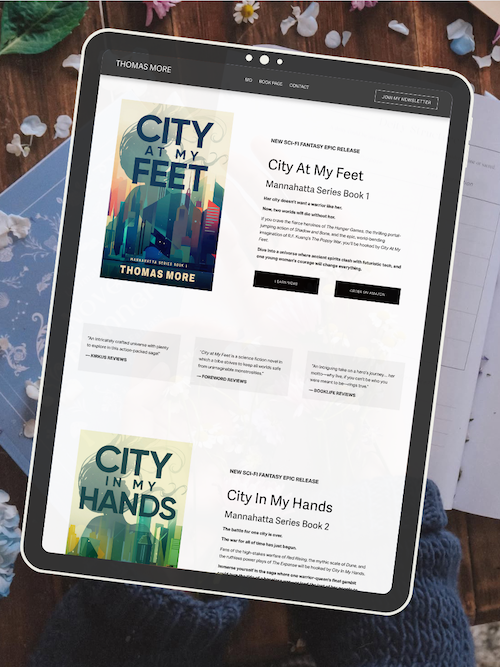
Set Up Your Author Website or Landing Page
Your author website or landing page is where readers will go to join your mailing list. Without this digital home base, you're missing a huge opportunity to capture interested readers.
If you don't have an author website yet, start with a simple one-page site that includes who you are, what you write, and a clear signup form. Platforms like Squarespace, WordPress, or even a simple landing page builder work well.
Your landing page should have a single focus: getting someone to sign up. Include a headline that tells readers exactly what they'll get. Add a short description of your newsletter or reader magnet. Make the signup form obvious and easy to fill out.
Key elements your page needs:
Clear headline about what subscribers receive
Brief description (2-3 sentences max)
Simple signup form (usually just name and email)
Visual of your reader magnet or book covers
Quick mention of how often you'll email
Keep the design clean and avoid clutter. The easier it is to sign up, the more people will do it.
Create a High-Value Reader Magnet
A reader magnet is free content you give away in exchange for someone's email address. This is your best tool for growing your list quickly.
Popular reader magnet options:
Bonus chapter or deleted scenes from your published book
Bonus epilogue that continues a character's story
Free ebook (a short story or novella in your genre)
Email course teaching something related to your books
Exclusive content like character interviews or world-building guides
Your reader magnet should appeal to your target readers. If you write romance, give them more romance. If you write thrillers, give them suspense.
Make it high-quality. This is often someone's first real experience with your writing, so don't phone it in. A weak reader magnet can hurt more than help.
Use BookFunnel or StoryOrigin to deliver your reader magnet automatically. These tools handle the file delivery and work with almost every email marketing platform. They make the whole process smooth for both you and your readers.
Keep your reader magnet short enough that people will actually read it. A 20-page bonus chapter works better than a 200-page free book that sits unread.
Design Eye-Catching Signup Forms and Landing Pages
Your signup form is the gateway to your email list. If it's boring, confusing, or hard to find, people won't use it.
Make your call to action clear and specific. Instead of "Subscribe," try "Get My Free Bonus Chapter" or "Join 2,000+ Readers."
Keep form fields minimal. Name and email are usually enough. Every extra field you add reduces signups.
Form design tips:
Use contrasting colors so the form stands out
Add a visual (book cover or reader magnet image)
Keep copy short and benefit-focused
Make the submit button big and obvious
Mobile-optimize everything
Most email marketing platforms let you customize forms to match your brand. Use your book cover colors or fonts that match your author website.
Test different versions. Try different headlines, button colors, or copy to see what works best. Small changes can make big differences in signup rates.
Add Multiple Signup Opportunities Across Your Author Platform
Don't rely on a single signup form hidden on one page. Put signup opportunities everywhere your readers hang out.
Where to add signup forms:
Header or footer of your author website
End of every blog post or guest post
Pop-up or slide-in on your site (but don't be annoying)
Social media bio with a Linktree or direct link
Inside your published books (back matter)
Your email signature
Your book's back matter is particularly valuable. Add a page at the end inviting readers to join your mailing list to hear about new releases. Include a simple URL they can type on their phone.
In your social media bio, link directly to your signup page or use Linktree to offer multiple options. Make it impossible to miss.
Create a dedicated signup page with its own URL that's easy to remember and share. Something like "yourname.com/freebook" works well.
Leverage Giveaways, Contests, and Joint Promotions
Giveaways and contests can explode your list growth when done right. They work because people love free stuff, especially books.
Run your own giveaway where entering requires an email signup. Offer signed books, gift cards, or exclusive content as prizes. Promote it everywhere—social media, your website, reader groups.
Joint promotion strategies:
Newsletter swaps where you recommend another author's list and they recommend yours
List swaps with authors in your genre
Joint giveaways where multiple authors pool prizes
Collaborate with other authors on a multi-author bundle or box set
StoryOrigin and BookFunnel both offer group promotion tools that connect you with other authors. These platforms make it easy to participate in giveaways and cross-promotions.
Newsletter swaps work best when you partner with authors who write similar books but aren't direct competitors. Your thriller readers might love another thriller author's newsletter.
Frequently Asked Questions
Building an email list raises common questions about strategy, timing, and tools. Here's what authors need to know about growing their list effectively and keeping subscribers engaged.
What strategies can authors use to effectively grow their email list?
Your best strategy is to meet readers where they already are and give them a clear reason to sign up. Add signup forms to your website homepage, blog posts, and author bio pages. Make sure the signup process takes less than 30 seconds.
Promote your newsletter in the back of your books with a simple call-to-action and link. Many readers finish a book and immediately want more from you. This is your warmest audience.
Cross-promote with other authors in your genre through newsletter swaps or group giveaways. You'll reach readers who already love books like yours. These readers are more likely to stay subscribed because they're genuinely interested in your writing style.
How can incentives or lead magnets be leveraged to increase email subscriptions for authors?
Lead magnets give readers an immediate reward for joining your list. Offer a free short story, the first three chapters of your book, or exclusive bonus scenes. Readers want something they can't get anywhere else.
Make your lead magnet specific to your genre and audience. Romance readers might love character artwork or deleted scenes. Thriller readers might prefer a prequel story or author notes about your research process.
Deliver your lead magnet automatically through your email service provider's welcome sequence. This saves you time and gives new subscribers instant access. Your first email should arrive within minutes of signup with a clear download link.
What role do landing pages play in an author's email list building efforts?
Landing pages focus on one goal: getting the signup. They remove distractions like navigation menus and sidebar links that might send visitors away. You can create different landing pages for different books or reader magnets.
Use landing pages in your book descriptions, social media bios, and paid ads. Each landing page should match the specific offer you're promoting. If you're advertising a free fantasy novella, the landing page should focus only on that novella.
Your landing page needs clear copy that explains what readers get and how often you'll email them. Include a sample of your lead magnet or a few bullet points about what's inside. Add social proof like subscriber counts or testimonials if you have them.
Can social media platforms be used to enhance an author's email list growth, and how?
Social media works best as a bridge to your email list, not a replacement for it. Pin a post about your newsletter to the top of your profile on every platform you use. Include the signup link in your bio.
Share behind-the-scenes content on social media and tell followers they can get more through your newsletter. Create Instagram Stories or TikTok videos that tease your lead magnet. Make the value obvious without giving away everything.
Run simple giveaways that require an email signup to enter. You can also use platform-specific features like Instagram's link stickers or Twitter's pinned tweets to drive traffic to your landing page. Remember that algorithms control who sees your social posts, but emails land directly in inboxes.
What are the best practices for creating compelling email content to retain subscribers?
Write like you're talking to one reader, not a crowd. Use "you" and "your" to make emails feel personal. Keep your subject lines under 50 characters so they don't get cut off on mobile devices.
Start every email with something valuable—a story, a tip, or exclusive news. Don't jump straight into a sales pitch. Readers should feel like opening your emails is worth their time even when you're not selling anything.
Break up text into short paragraphs of one to three sentences. Use subheadings, bullet points, or bold text to make emails scannable. Always include one clear call-to-action so readers know what you want them to do next.
How frequently should authors send emails to their list without overwhelming their subscribers?
Most authors email once or twice a month when they have real news to share. This keeps you visible without flooding inboxes. You can email more often during a book launch—weekly or even twice weekly for a few weeks.
Pay attention to your unsubscribe rate and open rate. If more than 2% of recipients unsubscribe after an email, you might be sending too often or not providing enough value. If your open rates drop below 20%, try spacing emails further apart.
Set clear expectations during signup about how often you'll email. If you promise monthly updates, stick to that schedule. Consistency matters more than frequency. Readers should know when to expect your emails and what they'll contain.
Ready to launch your author website?
Explore my Squarespace website templates designed specifically for authors — easy to customize, beautifully designed, and built to help you sell more books.

SHOP THE AUTHOR WEBSITE TEMPLATES
THE MANUSCRIPT AUTHOR WEBSITE TEMPLATE — perfect for authors launching their first professional website with a simple, polished layout
THE DEBUT AUTHOR WEBSITE TEMPLATE — designed to highlight your first book, build your email list, and grow an audience from day one
THE SERIES AUTHOR WEBSITE TEMPLATE — ideal for showcasing multiple books with clear series pages and strong reader flow
THE ONE-PAGE AUTHOR AUTHOR WEBSITE TEMPLATE — a streamlined one-page site for authors who want something beautiful, fast, and easy
THE DONE-FOR-YOU AUTHOR WEBSITE EXPERIENCE — your author website built for you so you can launch without touching design or tech
MOST POPULAR BLOG POSTS
Authors Guide to Website Design & Branding
Squarespace Email Campaigns: A Guide for Authors
How to Create an Author Website on Squarespace (Step-by-Step)

Launch Your Author Website in a Day (Without the Tech Overwhlem)
*No more starting from scratch.
A simple, done-for-you Squarespace template built specifically for authors with a WIP.