Marketing for Self-Published Authors: A Step-by-Step Guide to Building Your Reader Base
You finally finished writing your book. You poured months or years into your story. Now comes the part that makes many self-published authors feel stuck: getting readers to actually find and buy it.
Marketing your self-published book doesn't require a huge budget or special degree—it just needs a clear plan and consistent effort. The truth is, even the best book won't sell if nobody knows it exists. But the good news? You don't need to do everything at once or spend thousands on ads. You just need to understand which strategies work and how to use them in a way that fits your schedule and goals.
This guide walks you through the most effective marketing strategies for self-published authors. You'll learn how to build your author platform, connect with readers, and create a marketing system that keeps working long after your launch day ends.
Key Takeaways
Marketing is essential for self-published authors because great books need visibility to reach readers
Effective book marketing combines multiple strategies like email lists, social media, and reader engagement
A consistent marketing plan matters more than a big budget or complicated tactics
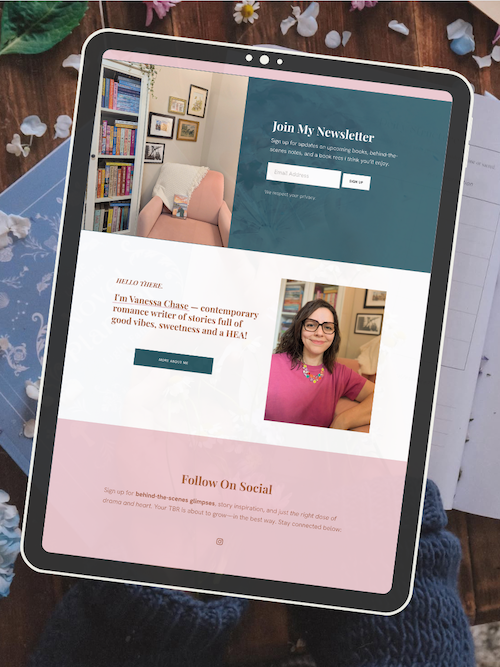
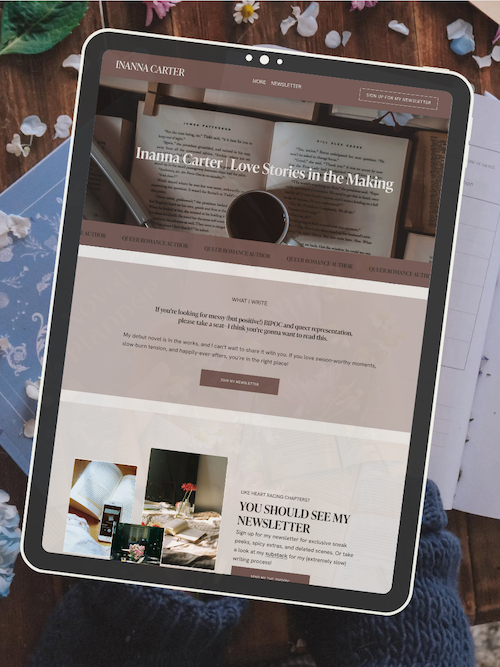
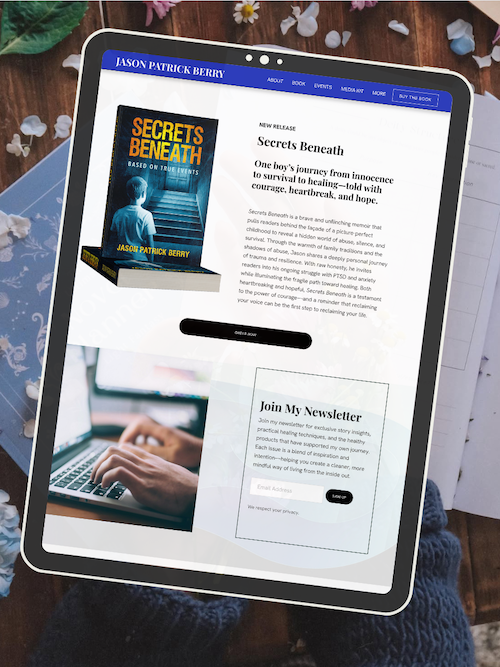
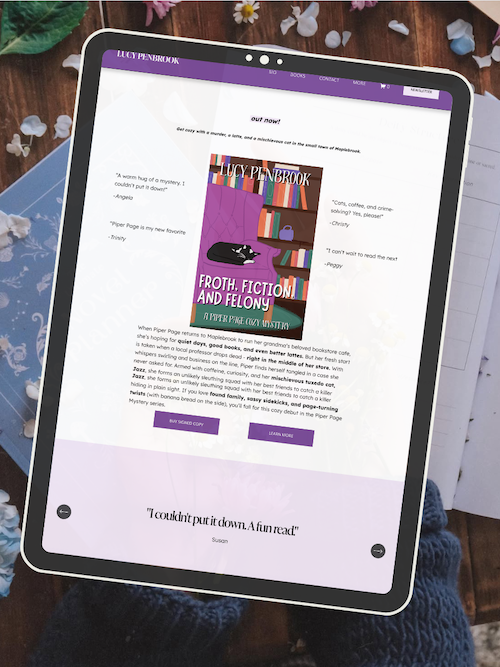
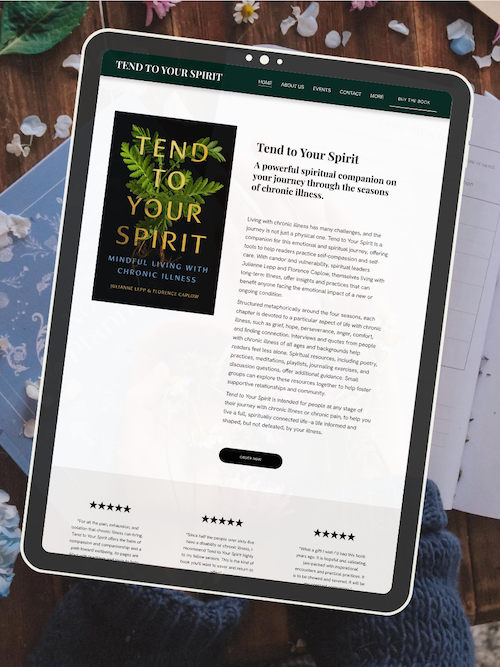
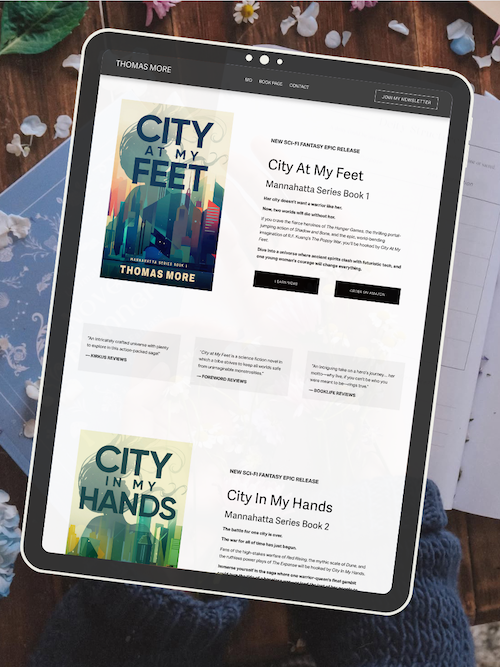
Want a beautiful author website without spending weeks designing it from scratch? These Squarespace website templates for authors are designed to showcase your books, grow your email list, and look professional instantly.

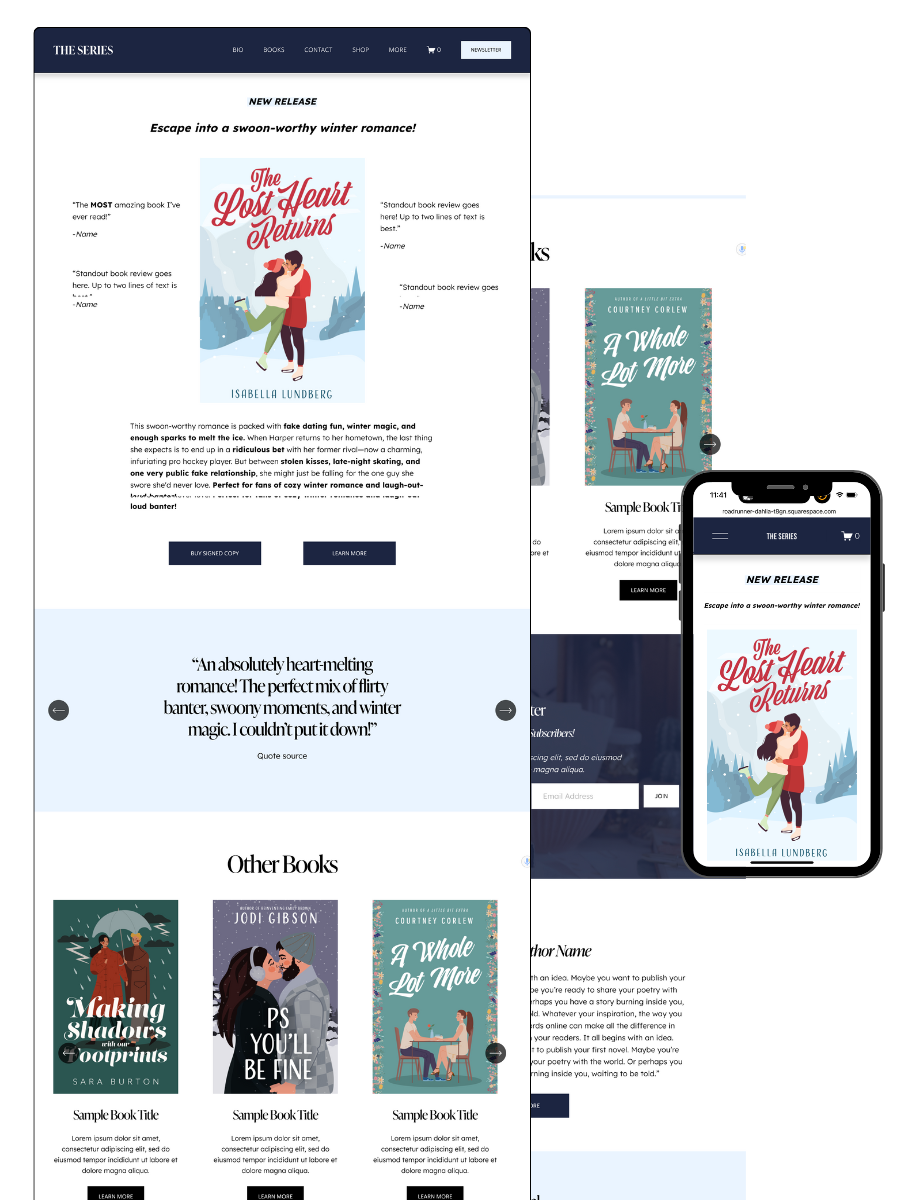
Here’s how real authors are using these Squarespace author website templates:
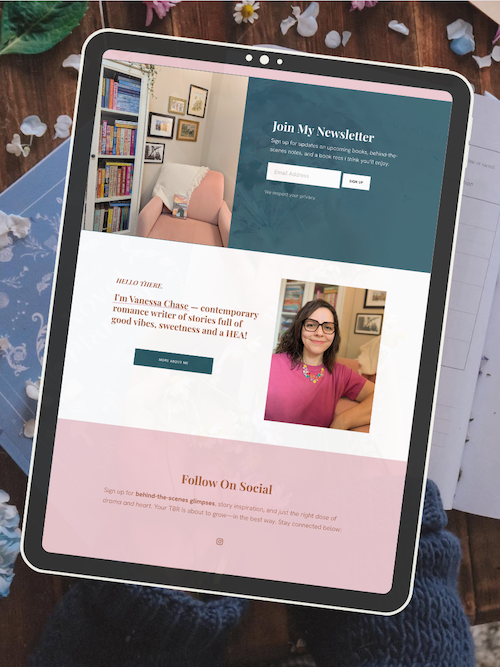
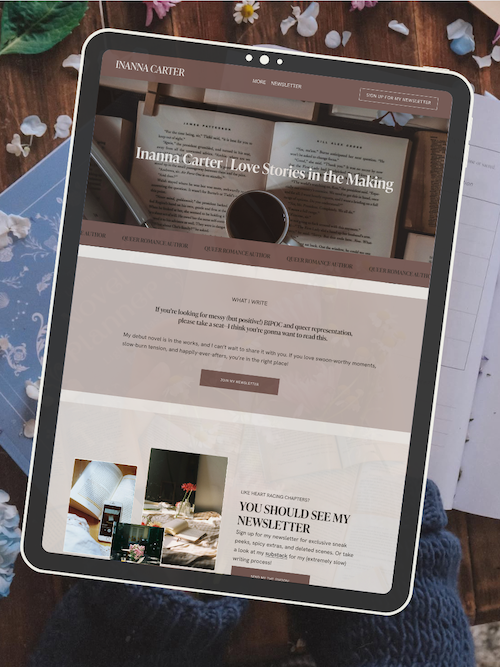
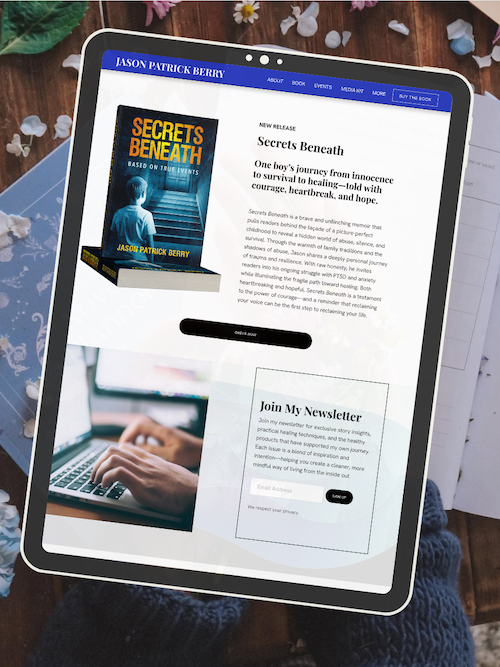
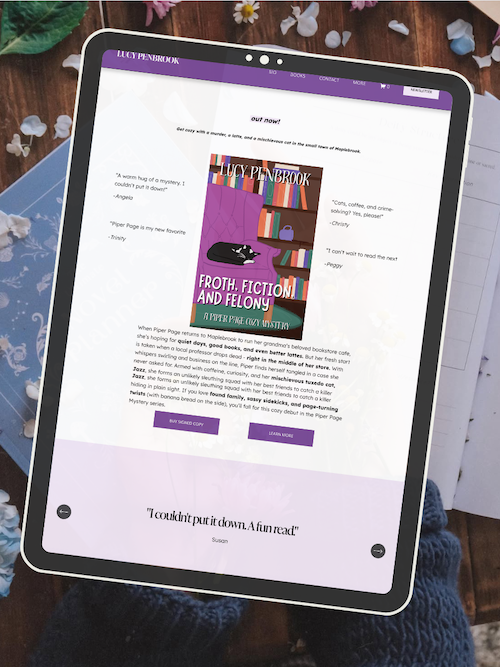
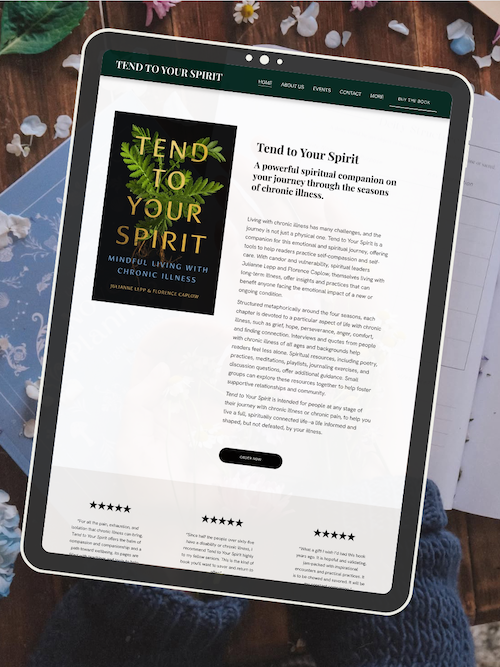
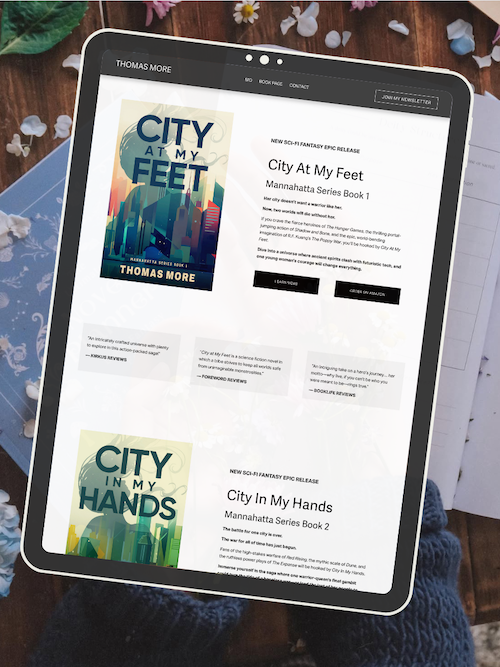
AUTHOR WEBSITE EXAMPLES
Proven Strategies for Marketing for Self-Published Authors
Marketing your self-published book requires a clear plan and consistent action across multiple channels. The strategies below will help you build visibility, connect with readers, and drive sales from pre-launch through your book's long-term promotional cycle.
Define Your Target Audience
You can't market effectively if you don't know who you're writing for. Your target audience includes specific reader demographics, genre preferences, and reading habits that match your book's content.
Start by identifying age range, gender, interests, and where your ideal readers spend time online. If you write cozy mysteries, your readers might be women aged 35-65 who love book clubs and browse Goodreads groups. Thriller readers might hang out on BookTok or follow book bloggers who review fast-paced fiction.
Look at reviews for books similar to yours on Amazon and Goodreads. What do readers love? What do they complain about? This tells you exactly what your audience wants.
Create a simple reader profile. Write down three specific things: what they read, where they discover books, and what problems your book solves for them. This profile guides every marketing decision you make, from your book description to your social media content.
Develop an Author Brand
Your author brand is how readers recognize and remember you. It includes your writing style, the topics you cover, your visual identity, and the personality you show online.
Pick 3-5 words that describe your writing and author personality. Maybe you're "dark, twisty, and atmospheric" or "heartwarming, funny, and uplifting." Use these words to guide your tone across all platforms.
Your visual brand matters too. Choose consistent colors, fonts, and imagery that match your genre and vibe. Romance authors might use soft colors and script fonts. Sci-fi writers might go bold and modern.
Create an author bio that connects with your target audience. Include relevant credentials, what you write, and one personal detail that makes you relatable. Keep it updated across your author website, Amazon Author Central, Goodreads, and social media profiles.
Show up consistently with the same voice, look, and message. When readers see your posts or books, they should instantly recognize it's you.
Build a High-Converting Author Website
Your author website is your home base online. It's where you control the message, collect email addresses, and sell books directly to readers.
Choose a clean template that puts your books front and center. Include these essential pages: Home, Books, About, and Contact. Add a blog if you plan to do content marketing regularly.
Your homepage needs three things: who you are, what you write, and a clear call to action. That action might be "Join my newsletter" or "Read my latest book." Don't make visitors hunt for what to do next.
Create individual pages for each book with professional photos of your book cover, a compelling book description, buy links, and reader reviews. Make it easy to purchase with buttons that link to Amazon, your direct store, or wherever you sell.
Add a newsletter signup form on every page. Offer a freebie like a short story, deleted chapter, or reading guide to encourage signups. Tools like ConvertKit or MailerLite integrate easily with most website platforms.
Make sure your site works on phones. Most readers will find you on mobile devices. Test every page, button, and form on your phone before you launch.
Craft an Engaging Book Description
Your book description is sales copy, not a summary. It needs to hook readers emotionally and make them want to buy right now.
Start with a compelling opening line that drops readers into conflict or intrigue. Don't waste words on setup. "When Sarah finds her husband's secret phone, her perfect life shatters" beats "Sarah is a marketing manager living in Seattle."
Focus on stakes and conflict. What does your main character want? What's stopping them? What happens if they fail? These questions drive reader interest.
Use formatting to make it scannable. Break it into 2-3 short paragraphs. Add bold text for key phrases. Some authors use bullet points to highlight unique elements.
End with a hook or question that creates urgency. "But can she uncover the truth before it's too late?" or "One choice will change everything."
Study book descriptions for bestsellers in your genre on Amazon. Notice patterns in length, tone, and structure. Borrow what works and adapt it for your book.
Test different versions using Amazon A+ Content if you're in KDP. Small changes in your book description can significantly impact book sales.
Use Email Marketing to Grow Your Reader Base
Your email list is the most valuable marketing asset you own. Unlike social media followers, you control direct access to these readers.
Start building your list before your book launch. Offer a reader magnet—a free short story, prequel, or bonus content related to your book. Use BookFunnel or StoryOrigin to deliver digital files easily.
Choose an email service provider that fits your needs and budget. ConvertKit works well for authors who want automation and tagging. MailerLite offers strong features at lower prices. Pick one and learn it well.
Send regular newsletters that provide value, not just sales pitches. Share behind-the-scenes updates, reading recommendations, or exclusive content. Aim for at least monthly contact, weekly if you're actively launching.
Segment your list based on reader preferences. Tag subscribers by genre interest, whether they've bought from you, or what freebies they downloaded. Send targeted messages to each group.
Try newsletter swaps with authors in your genre. You recommend their book to your list, they recommend yours to theirs. This grows both lists with targeted readers.
Always include a clear call to action in every email. Want them to preorder? Leave a review? Click to read your latest blog post? Make it obvious and easy.
Leverage Social Media Platforms
Social media helps you connect with readers where they already spend time. You don't need to be on every platform—pick 1-2 that match your target audience and commit to showing up consistently.
BookTok works for fiction authors, especially YA, romance, fantasy, and thriller. Create short videos showing your book, talking about your writing process, or reacting to reviews. Authenticity matters more than production quality.
Bookstagram (Instagram for book lovers) thrives on beautiful book cover photos and reader engagement. Post your book alongside props that match your story's vibe. Use genre-specific hashtags and engage with book bloggers who share similar content.
Facebook still works for certain genres, especially if you join and participate in Goodreads groups or genre-specific book clubs. Don't just spam your book—contribute genuinely to conversations.
Post consistently but don't burn out. Three quality posts per week beat daily rushed content.
Frequently Asked Questions
Self-published authors often face similar challenges when it comes to marketing their books. You need clear answers on promotion strategies, social media tactics, launch planning, getting reviews, budget-friendly options, and building your reader email list.
What are effective strategies for marketing a self-published book?
Start by defining your target audience before you spend a single dollar on marketing. You need to know who your ideal reader is, where they spend time online, and what kind of books they already buy.
Build an author platform that includes a professional website and active social media presence. Your website serves as your home base where readers can learn about you and your books. Social media lets you connect directly with potential readers and build relationships over time.
Optimize your book's metadata on retailer sites like Amazon. This includes your title, subtitle, book description, categories, and keywords. When you get these elements right, more readers can discover your book through search.
Get book reviews early and often. Reviews build credibility and help convince new readers to take a chance on your book. Reach out to book bloggers, use services like NetGalley, or offer advance reader copies to your email list.
Use paid advertising once you have your basics in place. Amazon Ads, Facebook Ads, and BookBub Ads can all drive sales when you target the right readers with compelling ad copy.
How can I promote my self-published book on social media effectively?
Pick one or two social media platforms where your readers actually spend time. You don't need to be everywhere at once. Focus on mastering one platform before you expand to others.
Share a mix of content that goes beyond just "buy my book" posts. Talk about your writing process, share behind-the-scenes glimpses, discuss books you're reading, and engage with other authors and readers. The 80/20 rule works well—80% valuable or entertaining content, 20% promotional.
Use relevant hashtags to help new readers find your content. Research which hashtags book lovers and readers in your genre use most often. Mix popular hashtags with more specific ones to reach both broad and targeted audiences.
Post consistently but don't burn yourself out. Three quality posts per week beat seven rushed ones. Create a simple content calendar to plan your posts in advance.
Engage with your followers by responding to comments and messages. Social media works both ways—you need to build real connections, not just broadcast to an audience.
What are the best practices for setting up a book launch for a self-published title?
Start your launch planning at least six weeks before your publication date. This gives you time to build buzz and coordinate all your marketing activities without rushing.
Build an advance reader team who will read your book early and leave reviews on launch day. Aim for 20-50 dedicated readers who love your genre and are willing to help spread the word.
Create a launch week plan with specific goals for each day. Day one might focus on getting reviews posted, day two on a social media blitz, day three on a newsletter announcement, and so on.
Price your book strategically for launch. Many authors use a discounted launch price (like $0.99 or $2.99) for the first few days to drive more sales and boost your book's ranking on retailer sites.
Schedule social media posts in advance so you're not scrambling during launch week. Use a scheduling tool or write your posts ahead of time so you can focus on engagement and responding to readers.
Plan a virtual launch event like a Facebook Live, Instagram Live, or Zoom gathering. This gives your readers a way to celebrate with you and creates exciting content you can repurpose later.
How can I get book reviewers interested in my self-published book?
Research book bloggers and reviewers who actually read your genre. Don't waste time pitching to reviewers who only cover romance if you write thrillers. Make a list of 30-50 potential reviewers who are a good fit.
Write a professional, personalized pitch email for each reviewer. Mention something specific about their blog or recent reviews to show you've done your homework. Keep it short—three paragraphs maximum.
Offer a free digital copy of your book in the format they prefer. Make it easy for them to say yes by removing any barriers or costs.
Be clear about what you're asking for. Tell them you're seeking an honest review and provide your preferred timeline, but make it clear there's no obligation or pressure.
Follow up once if you don't hear back after two weeks. Reviewers are busy, and emails get buried. A polite follow-up is fine, but don't pester them.
Use services like NetGalley, BookSirens, or Hidden Gems to reach more reviewers at once. These platforms connect authors with readers who want advance copies in exchange for honest reviews.
What are some cost-effective marketing tactics for self-published authors?
Build your email list from day one. Email marketing costs very little and gives you direct access to your most engaged readers. Use a free or low-cost email service provider until your list grows.
Create a reader magnet like a free short story or the first book in your series. Give it away in exchange for email signups. This builds your list with people who are already interested in your writing.
Participate in free book promotion sites that don't charge listing fees. Sites like Freebooksy and Bargain Booksy offer free listings alongside their paid options.
Network with other authors in your genre. Join Facebook groups, participate in author forums, and build genuine relationships. Cross-promotion with other authors costs nothing and exposes you to new readers.
Use free social media platforms to connect with readers. You don't need paid ads to build an audience if you're willing to invest time instead of money.
Write guest posts for book blogs or contribute to writing publications. This builds your credibility and exposes your name to new readers without spending money.
Optimize your book description and metadata yourself. Learning how to write compelling book descriptions and choose the right keywords costs nothing but time.
How can self-published authors build an email list for book marketing?
Add email signup forms to your website in multiple locations. Put one in your header, footer, sidebar, and as a pop-up for first-time visitors. Make it easy for readers to join your list no matter where they land on your site.
Create a compelling reader magnet that your target audience actually wants. A free prequel novella, a character guide, deleted scenes, or the first book in a series all work well. Make sure it's high quality—this is often a reader's first experience with your writing.
Promote your reader magnet on social media regularly. Don't assume everyone has seen it. Share about it weekly and include a direct link to your signup page.
Add a call-to-action about joining your email list in the back matter of all your books. Include a link or QR code that takes readers to your opt-in / newsletter signup.
Ready to launch your author website?
Explore my Squarespace website templates designed specifically for authors — easy to customize, beautifully designed, and built to help you sell more books.

SHOP THE AUTHOR WEBSITE TEMPLATES
THE MANUSCRIPT AUTHOR WEBSITE TEMPLATE — perfect for authors launching their first professional website with a simple, polished layout
THE DEBUT AUTHOR WEBSITE TEMPLATE — designed to highlight your first book, build your email list, and grow an audience from day one
THE SERIES AUTHOR WEBSITE TEMPLATE — ideal for showcasing multiple books with clear series pages and strong reader flow
THE ONE-PAGE AUTHOR AUTHOR WEBSITE TEMPLATE — a streamlined one-page site for authors who want something beautiful, fast, and easy
THE DONE-FOR-YOU AUTHOR WEBSITE EXPERIENCE — your author website built for you so you can launch without touching design or tech
MOST POPULAR BLOG POSTS
Authors Guide to Website Design & Branding
Squarespace Email Campaigns: A Guide for Authors
How to Create an Author Website on Squarespace (Step-by-Step)

Launch Your Author Website in a Day (Without the Tech Overwhlem)
*No more starting from scratch.
A simple, done-for-you Squarespace template built specifically for authors with a WIP.