Digital Products Authors Can Sell: A Complete Guide to Monetizing Your Expertise Online
You've written a book. You've built your author platform. Now what? Authors can sell digital products like ebooks, workbooks, courses, audiobooks, and templates to create ongoing income streams beyond book sales. These products let you connect with readers in new ways while building a business that doesn't require inventory, shipping, or reprinting costs.
Digital products are perfect for authors because you already have the skills to create them. You know how to write, teach, and share ideas. Your readers trust your expertise. Why not give them more ways to learn from you while earning passive income? Whether you're teaching writing craft, sharing research from your nonfiction book, or offering bonus content for your fiction readers, digital products turn your knowledge into revenue.
The best part? You can start small. Pick one product type that fits your existing content and audience. Set it up once, sell it forever, and watch it work for you while you focus on writing your next book.
Key Takeaways
Digital products provide authors with passive income opportunities beyond traditional book sales
You can leverage your existing writing skills and expertise to create valuable products readers want
Starting with one simple digital product helps you test the market before expanding your offerings
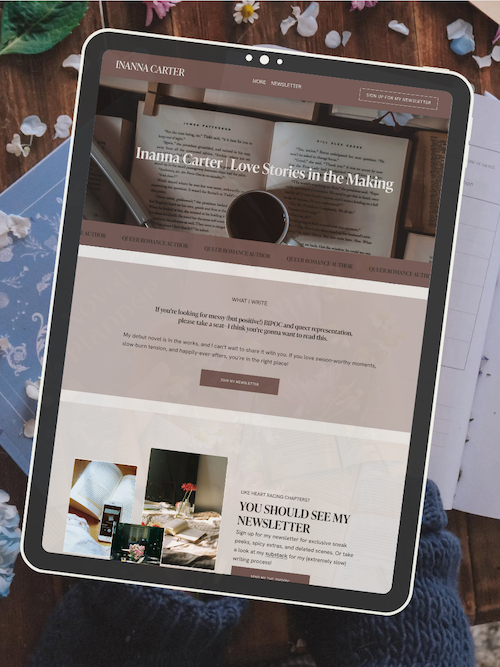
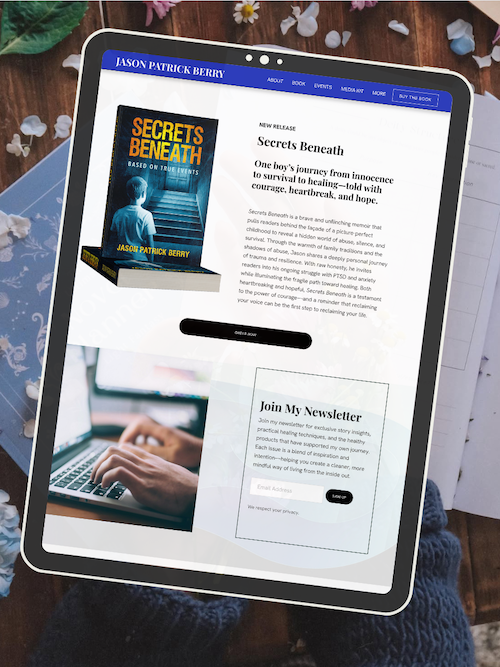
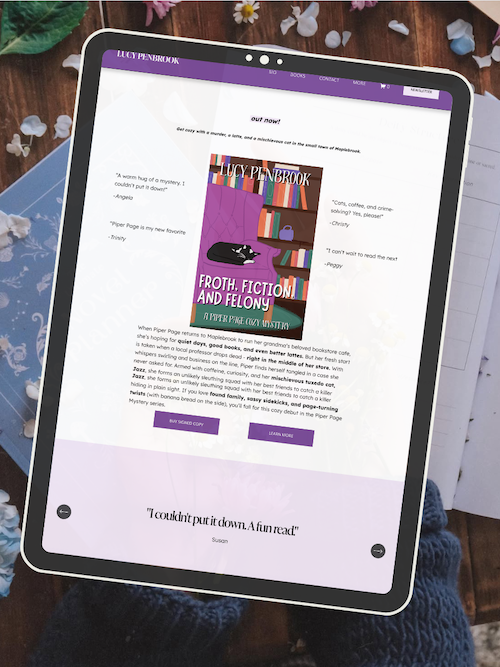
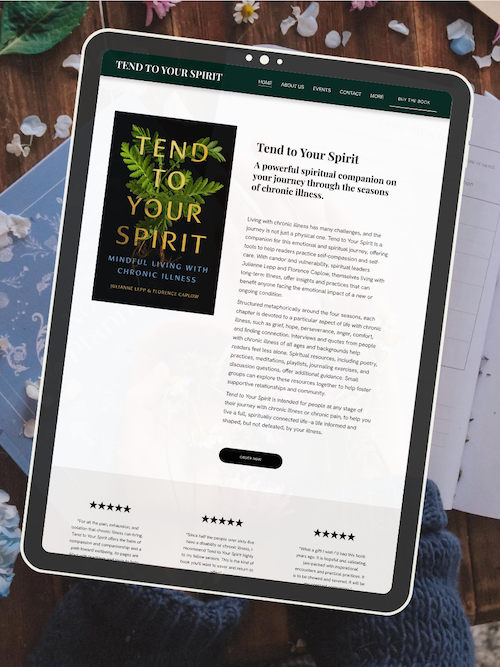
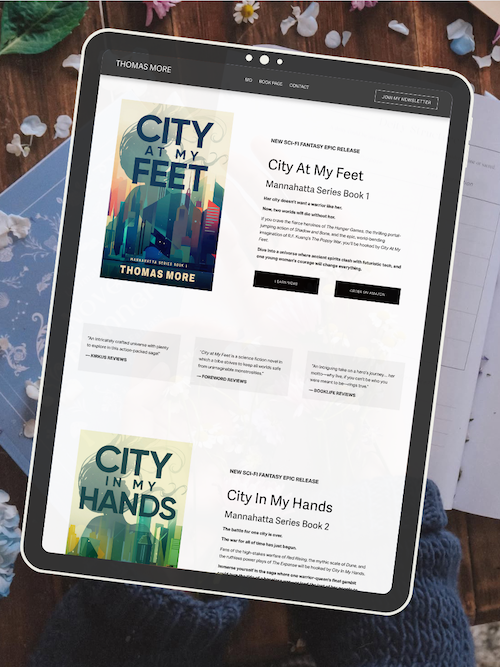
Want a beautiful author website without spending weeks designing it from scratch? These Squarespace website templates for authors are designed to showcase your books, grow your email list, and look professional instantly. SHOP pages available!

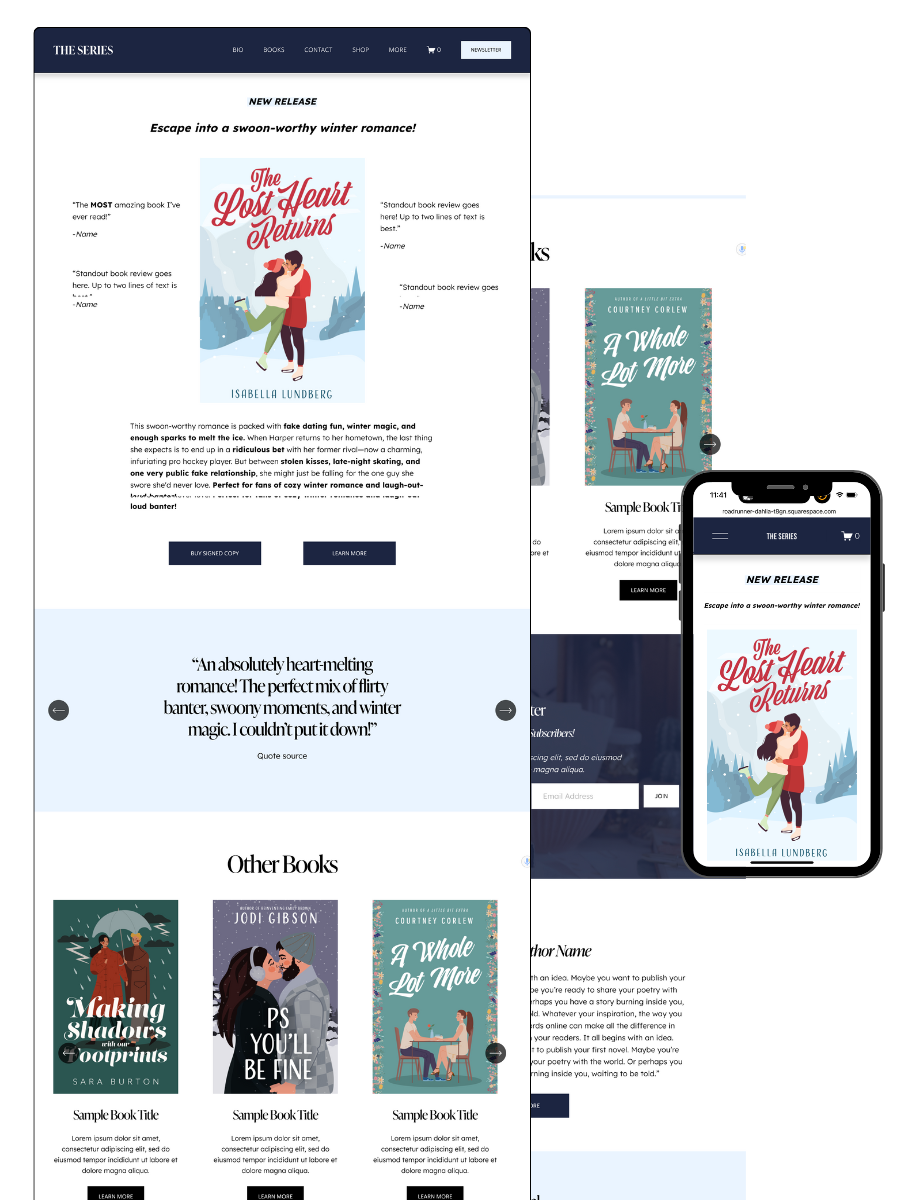
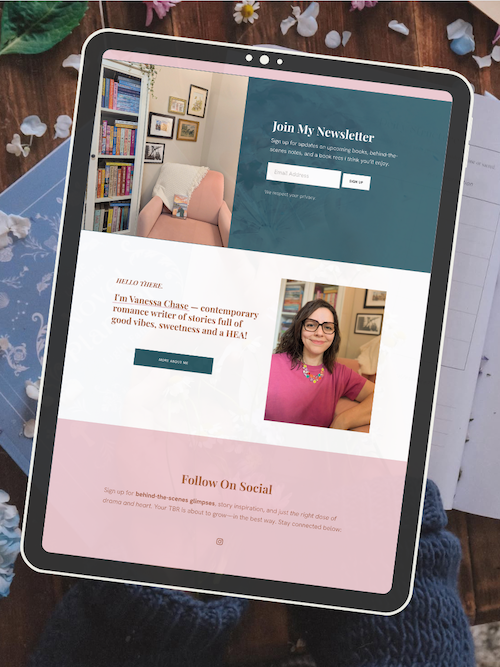
Here’s how real authors are using these Squarespace author website templates:
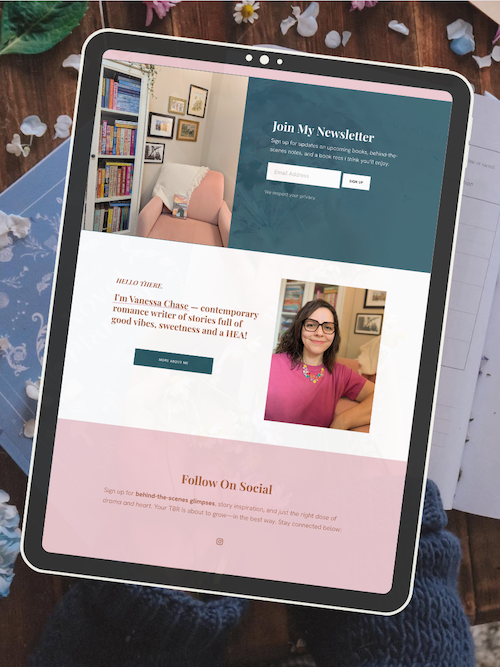
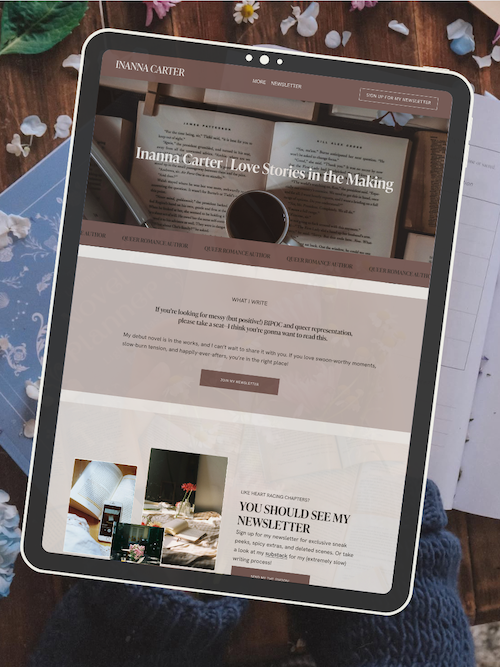
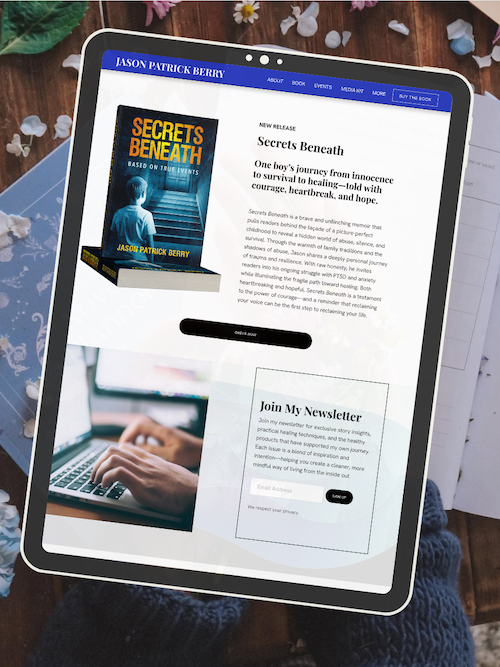
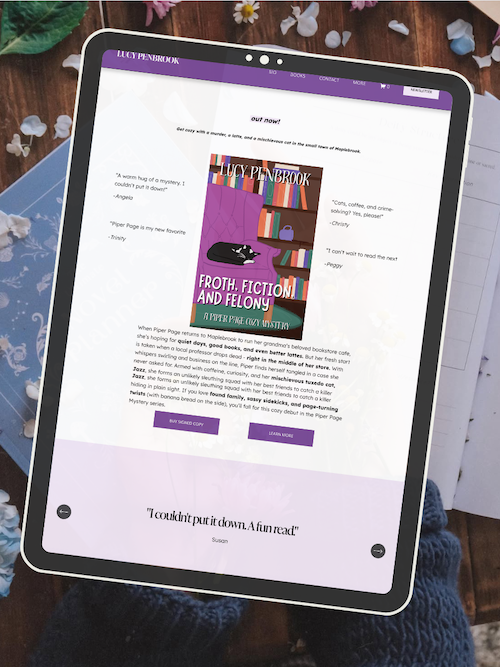
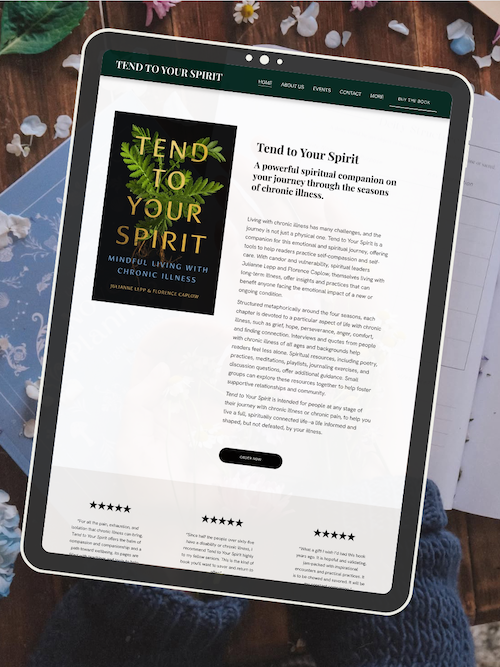
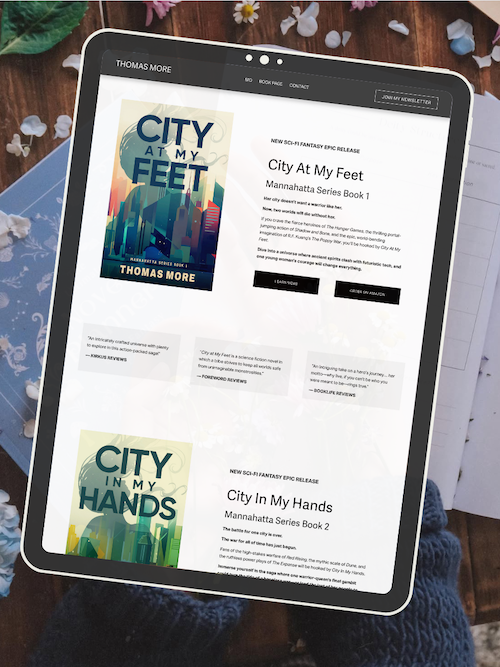
AUTHOR WEBSITE EXAMPLES WITH OPTIONAL SHOP PAGES
Essential Digital Products Authors Can Sell
Authors can expand their income beyond book sales by offering digital products that complement their expertise and connect with readers on a deeper level. Ebooks, templates, courses, and writing resources create multiple revenue streams while building your authority in your niche.
Ebooks and Guides
You can create and sell ebooks independently through platforms like Amazon Kindle Direct Publishing, Apple Books, Google Play Books, Kobo Writing Life, and Barnes & Noble Press. These services handle global distribution and let you keep a larger share of royalties compared to traditional publishing.
Draft2Digital simplifies the process by distributing your ebook to multiple retailers at once, including library distribution networks. If you price your book between $2.99 and $9.99 on Amazon, you'll earn 70% royalties. Kindle Unlimited adds another income stream through page reads.
LeanPub works well for educational content and nonfiction guides. You can publish in-progress work and update it over time while readers pay what they want within your set price range.
Short guides work just as well as full-length books. Think topic-specific how-tos, quick reference materials, or companion guides to your published works. These smaller digital downloads often convert better because they solve one specific problem for your reader.
Templates and Printables
Printables and planners give your readers tools they can use right away. You might create writing planners, goal-setting worksheets, character development sheets, or reading trackers that align with your books or author brand.
Canva templates make it easy to design professional-looking products even without graphic design skills. You can sell these as digital downloads through Shopify, Podia, or the Digital Downloads app on Squarespace.
Popular printable products include:
Writing planning worksheets
Book club discussion guides
Reading journals and tracking sheets
Goal-setting planners for writers
Character or plot development templates
Print-on-demand services let you offer physical versions without holding inventory, but digital downloads provide pure passive income since customers get instant access after purchase. Use PDF stamping to add buyer information and protect your digital products from unauthorized sharing.
Online Courses and Workshops
Online courses let you teach your expertise at scale. You might create a course on your writing process, your book's topic, or skills you've mastered in your author journey.
Platforms like Teachable, Udemy, and Podia handle hosting, payment processing, and student management. Teachable gives you the most control over branding and pricing. Udemy brings built-in traffic but takes a larger commission and limits your pricing.
Your course doesn't need dozens of modules to be valuable. A focused mini-course solving one problem often sells better than an overwhelming program. Think "How to Outline Your Novel in One Week" instead of "Complete Novel Writing Masterclass."
Workshops work well as live or recorded sessions. You can sell access to recorded workshops as digital products, creating content once and selling it repeatedly. Pair video lessons with worksheets and templates to increase perceived value.
Use email marketing and content marketing to promote your courses. Share free tips that demonstrate your expertise, then invite readers to go deeper with your paid program.
Worksheets and Writing Resources
Writing templates and worksheets serve other writers in your community. If you've developed systems that work for your writing process, other authors will pay for those shortcuts.
You might sell scene templates, query letter guides, book launch checklists, or marketing plan worksheets. These digital product ideas leverage your author experience while helping others succeed.
Writing resources you can create:
Plot structure templates
Character profile worksheets
Chapter planning sheets
Marketing timeline templates
Social media content calendars for authors
Package related worksheets together for higher-value bundles. A "Complete Novel Planning Kit" commands a better price than individual worksheets sold separately.
Affiliate marketing tools and email marketing resources also appeal to author audiences. If you've built a successful author platform, share the templates and systems that got you there.
Sell these through your Squarespace site using the Digital Downloads app, or use dedicated platforms like Shopify or Podia. Most authors find success combining free samples with paid premium resources—the free version builds trust while demonstrating value.
Frequently Asked Questions
Authors who sell digital products often have similar questions about pricing, platforms, protection, and profitability. The right approach depends on your audience size, product type, and technical comfort level.
What are the best types of digital products for authors to create and sell?
Ebooks and guides work best when you're just starting out. They require minimal technical skills and let you package your existing knowledge into a downloadable format. You can write about your genre, craft tips, character development, or research methods.
Online courses and workshops bring in higher revenue per sale. You can teach writing skills, genre-specific techniques, or share your publishing journey. These work well if you enjoy teaching and have an engaged audience.
Templates and workbooks appeal to writers who want practical tools. Think plotting templates, character sheets, revision checklists, or marketing planners. These take less time to create than full courses but still provide real value.
Exclusive content and membership access create recurring income. You might offer bonus chapters, deleted scenes, early access to new releases, or monthly writing prompts. This works best when you already have loyal readers.
How can authors price their digital products for maximum profitability?
Start with lower prices for your first products. Test the $7 to $27 range for guides and templates. This helps you build proof and gather testimonials without scaring away potential buyers.
Courses and comprehensive programs can command $97 to $297 or more. Your pricing should reflect the transformation or outcome your product delivers, not just the content included.
Bundle related products together for higher perceived value. Offer a workbook with a mini-course, or package multiple templates at a discount. This increases your average order value without creating entirely new products.
Consider your audience's budget and buying behavior. Romance readers might happily pay $15 for exclusive content packs, while indie authors learning craft might invest $200 in a comprehensive course.
What are the most effective platforms for authors to sell their digital creations?
Your own website gives you the most control and highest profit margins. Platforms like Squarespace, Shopify, and WordPress with WooCommerce let you sell directly without hefty platform fees. You keep the customer relationship and their email address.
Gumroad and Payhip work well for beginners. These platforms handle payments, delivery, and basic marketing tools. They charge per transaction but require zero technical setup.
Etsy reaches buyers actively searching for digital products. You'll pay listing fees and transaction costs, but you tap into existing marketplace traffic. This works especially well for templates, planners, and printables.
Teachable and Thinkific specialize in online courses. They provide student dashboards, progress tracking, and drip content features. The monthly fees make sense once you're consistently making sales.
What are the key strategies for marketing digital products as an author?
Email marketing remains your most powerful tool. Build your list through free samples or lead magnets, then promote your paid products to subscribers who already trust you. Send value-focused emails, not just sales pitches.
Social media works best when you show behind-the-scenes content. Share snippets from your products, customer wins, and practical tips. Focus on one or two platforms where your ideal buyers spend time.
Content marketing through blog posts and videos attracts new audiences. Answer common questions your readers have, then mention your relevant digital products as solutions. This builds authority while driving organic traffic.
Collaborations with other authors expand your reach. Do bundle sales, guest appearances, or affiliate partnerships. You'll access established audiences who already buy digital products.
How can authors protect their digital work when selling it online?
Watermark PDFs with buyer information to discourage sharing. Include the purchaser's name or email address on each page. This won't stop determined pirates but reduces casual sharing.
Use platforms with built-in protection features. Services like Gumroad offer license key systems, and course platforms can restrict access to enrolled students only. These tools prevent unauthorized downloads.
Copyright your original content before selling it. Register important works with your country's copyright office. This gives you legal backing if you need to issue takedown notices.
Accept that some piracy will happen and focus on building relationships. Loyal customers support creators they value. Your personal connection and ongoing support are things pirates can't steal.
What are some creative ideas for digital products that authors can develop and sell?
Genre-specific resource guides sell well to fellow writers. Create lists of research sources for historical fiction, world-building frameworks for fantasy, or trope breakdowns for romance. Package your knowledge into actionable references.
Author productivity systems help writers get more done. Sell your personal workflow, project management templates, or time-blocking methods. Writers constantly look for better ways to finish their books.
Reader engagement tools generate recurring interest. Offer book club discussion guides, character relationship maps, or annotated editions with your commentary. These work especially well for series with dedicated fans.
Publishing roadmaps guide newer authors through the process. Break down traditional publishing, self-publishing, or hybrid paths into step-by-step plans. Include checklists, timelines, and decision frameworks.
Audio products like guided writing meditations or narrated craft lessons offer variety. These require slightly more production effort but stand out in a text-heavy market. Writers often consume content while commuting or exercising.
Ready to launch your author website?
Explore my Squarespace website templates designed specifically for authors — easy to customize, beautifully designed, and built to help you sell more books.

SHOP THE AUTHOR WEBSITE TEMPLATES
THE MANUSCRIPT AUTHOR WEBSITE TEMPLATE — perfect for authors launching their first professional website with a simple, polished layout
THE DEBUT AUTHOR WEBSITE TEMPLATE — designed to highlight your first book, build your email list, and grow an audience from day one
THE SERIES AUTHOR WEBSITE TEMPLATE — ideal for showcasing multiple books with clear series pages and strong reader flow
THE ONE-PAGE AUTHOR AUTHOR WEBSITE TEMPLATE — a streamlined one-page site for authors who want something beautiful, fast, and easy
THE DONE-FOR-YOU AUTHOR WEBSITE EXPERIENCE — your author website built for you so you can launch without touching design or tech
MOST POPULAR BLOG POSTS
Authors Guide to Website Design & Branding
Squarespace Email Campaigns: A Guide for Authors
How to Create an Author Website on Squarespace (Step-by-Step)

Launch Your Author Website in a Day (Without the Tech Overwhlem)
*No more starting from scratch.
A simple, done-for-you Squarespace template built specifically for authors with a WIP.