How to Promote Your Book Online: A Complete Step-by-Step Guide for Authors
You've written your book, but now comes the hard part—getting people to actually read it. The good news? You don't need a big budget or a marketing team to promote your book online successfully. All you need is the right strategy and a willingness to show up where your readers are.
Promoting your book online means using digital tools and platforms to reach readers, build buzz, and drive sales. It includes everything from social media posts and email newsletters to guest blog appearances and podcast interviews. The key is consistency and choosing methods that feel authentic to you.
This guide walks you through practical, budget-friendly ways to promote your book online step by step. You'll learn which platforms matter most, how to connect with readers directly, and what actually works in 2026. No fluff, no complicated jargon—just straightforward advice you can start using today.
Key Takeaways
Online book promotion uses digital platforms to connect with readers and increase visibility without requiring a large budget
Success comes from consistent effort across multiple channels like social media, email lists, and guest content opportunities
Focus on authentic connection and providing value to readers rather than just selling your book
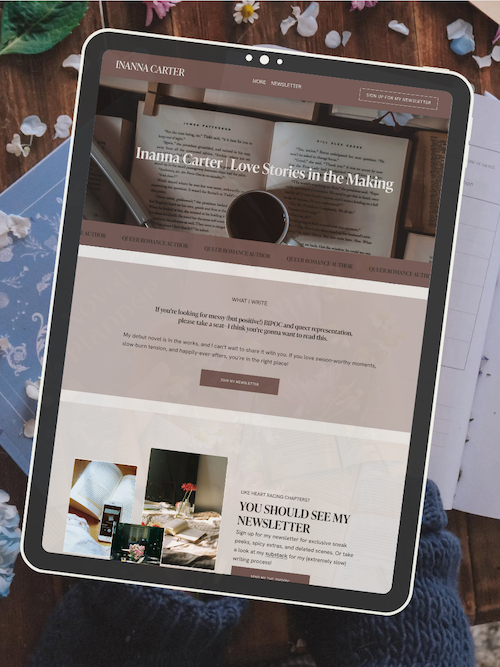
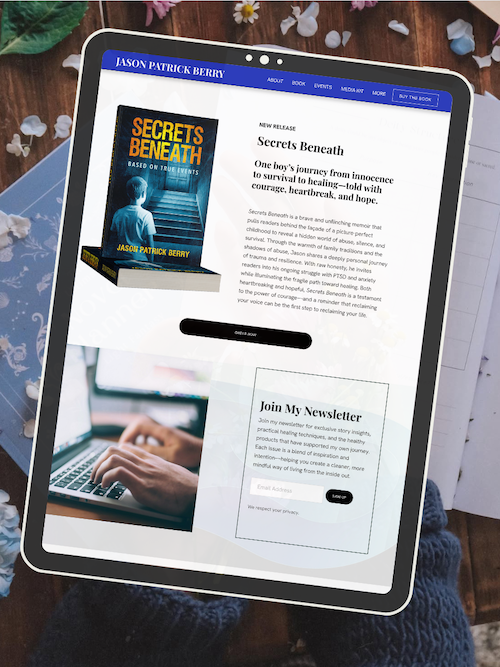
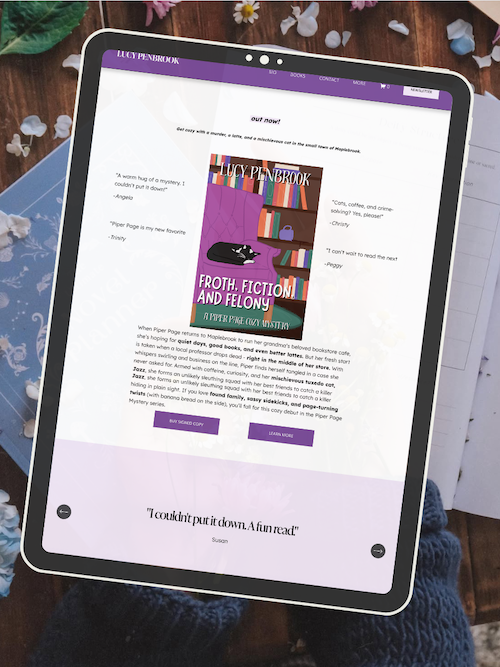
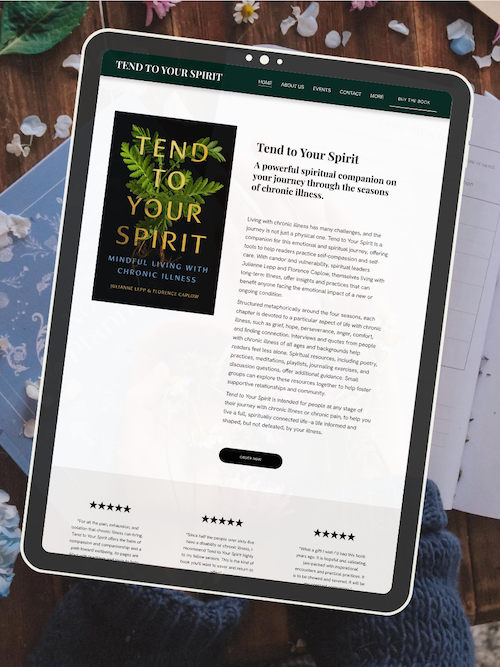
Want a beautiful author website without spending weeks designing it from scratch? These Squarespace website templates for authors are designed to showcase your books, grow your email list, and look professional instantly.

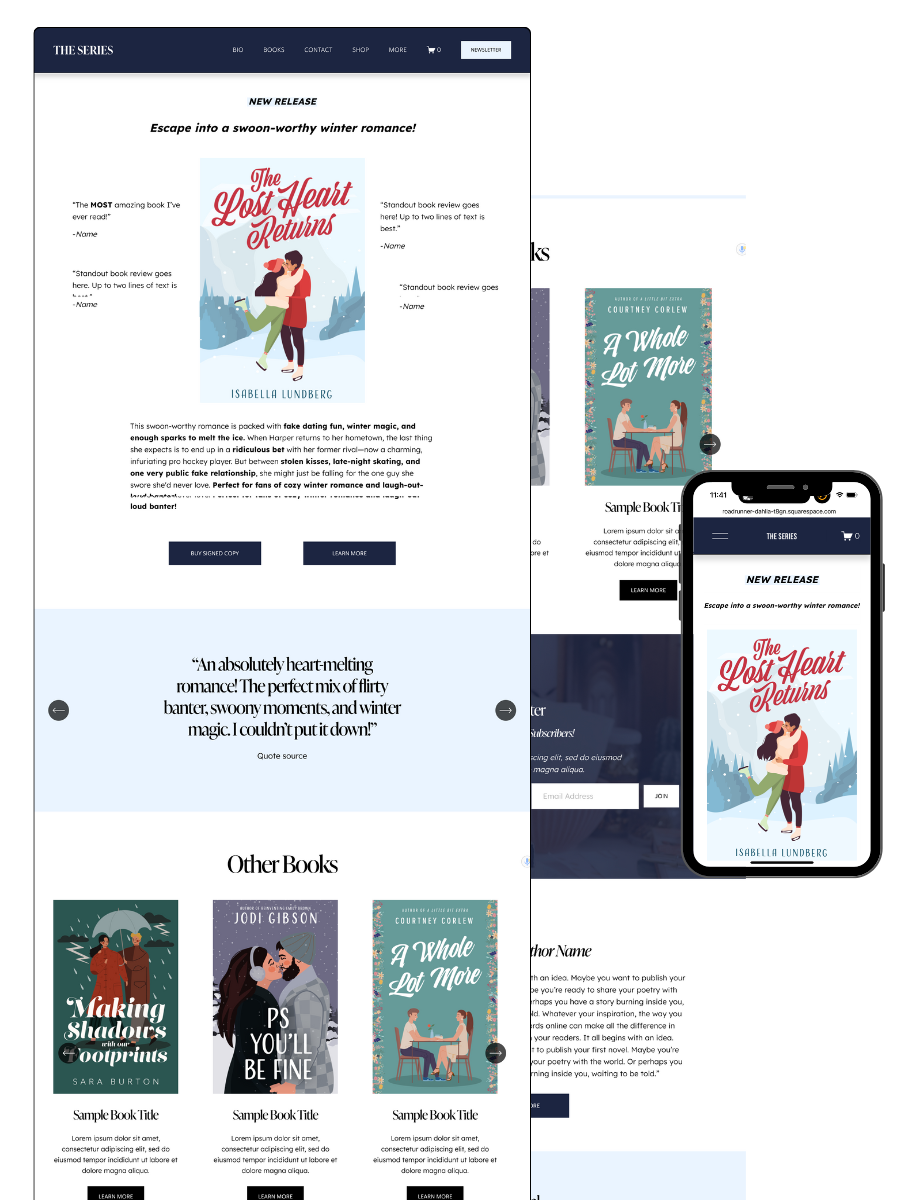
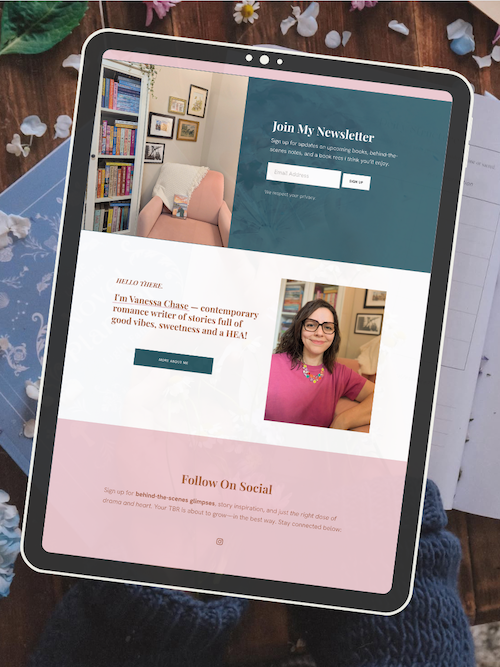
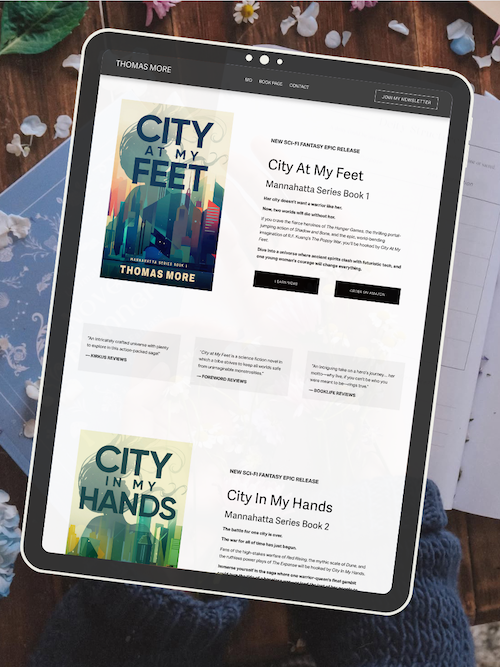
Here’s how real authors are using these Squarespace author website templates:
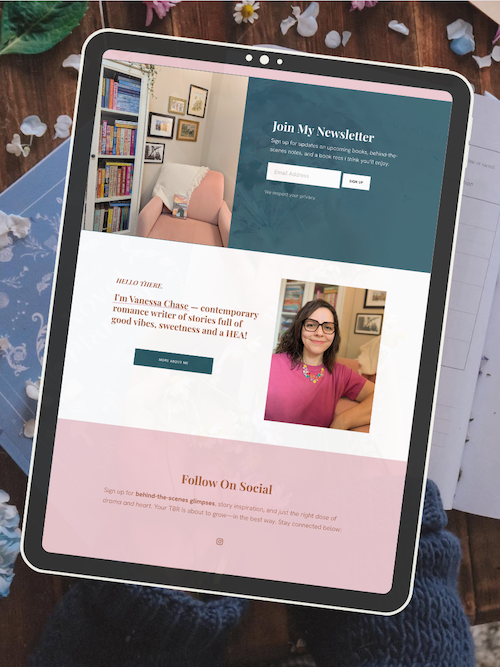
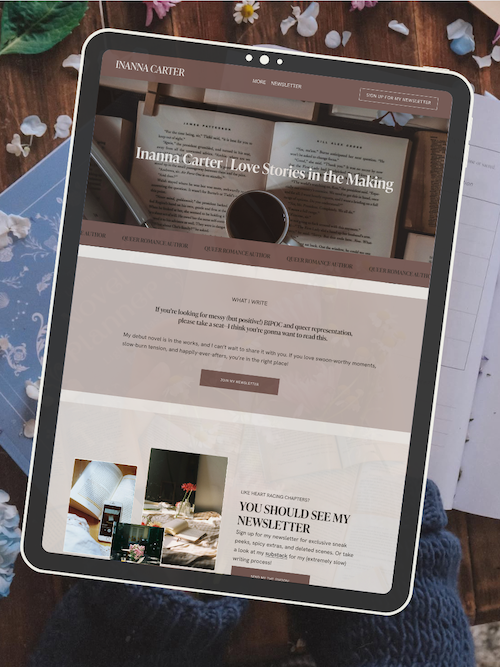
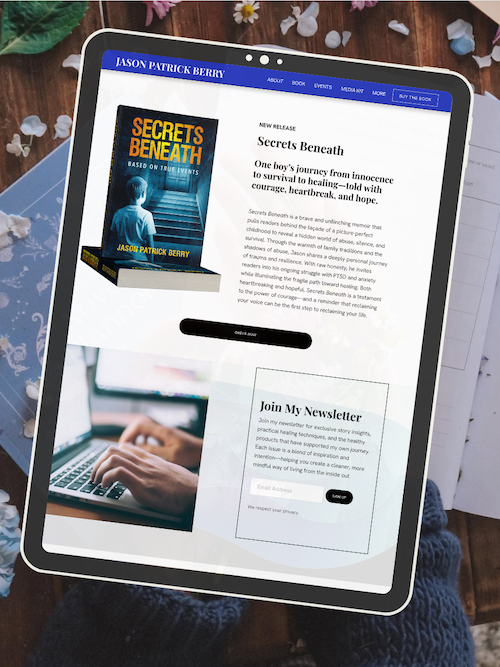
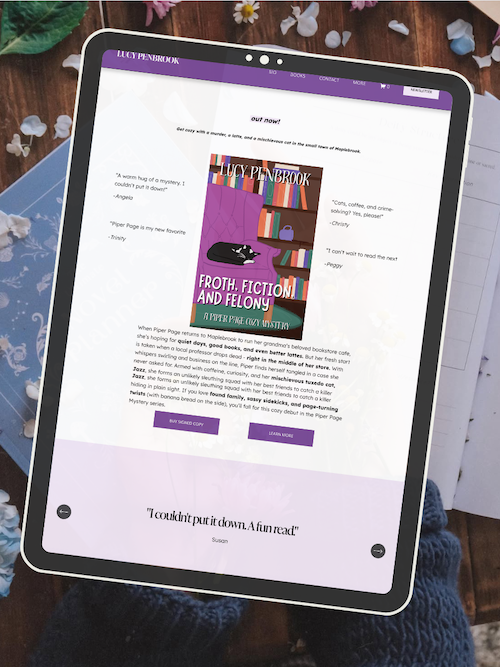
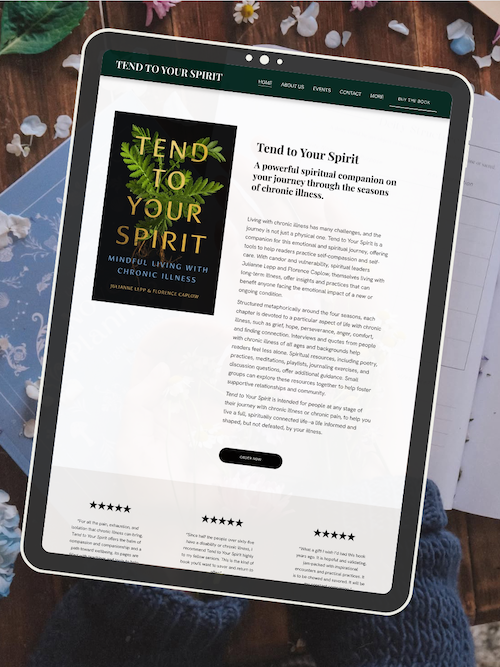
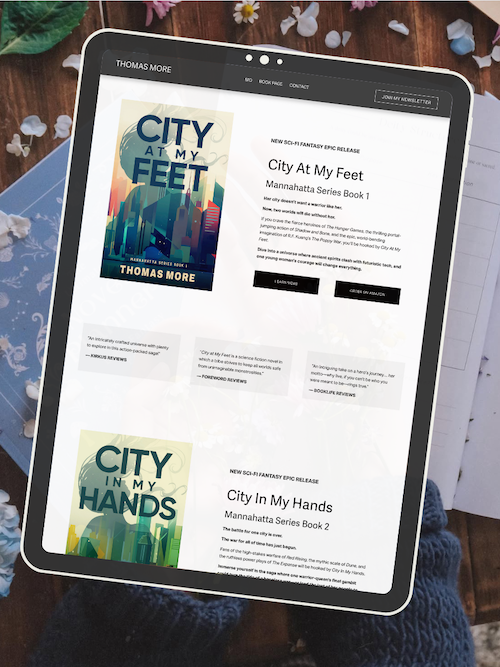
AUTHOR WEBSITE EXAMPLES
How to Promote Your Book Online: Step-by-Step for Authors
Successfully promoting your book online requires a strategic approach across multiple channels. From building your author website and optimizing your Amazon listing to leveraging social media, growing your email list, and using paid ads, each step works together to boost visibility and drive book sales.
Build a Professional Author Website
Your author website is the foundation of your online presence. It's where readers discover your work, sign up for your newsletter, and connect with you directly.
Start with a clean, professional design that reflects your author brand. Include dedicated book pages for each of your titles with cover images, book descriptions, and buy links. Make sure your author bio is clear and engaging—readers want to know who you are and what drives your writing.
Add a press kit section with high-resolution images, your author photo, book cover designs, and interview questions. This makes it easy for book bloggers and media to feature you. Include a prominent newsletter signup form on every page so visitors can join your mailing list.
Consider using templates designed for authors that already include these essential elements. Your website should load quickly and look good on mobile devices since many readers browse on their phones.
Optimize Your Amazon Book Listing
Your Amazon book listing is often the first place potential readers encounter your work. Optimizing it can significantly impact your book sales.
Claim your Amazon Author Central profile immediately. This free tool lets you add your author bio, photos, and links to your blog or website. It creates a professional author page that builds trust with readers.
Write a compelling book description that hooks readers in the first two sentences. Use short paragraphs, bold text for key phrases, and focus on the emotional appeal of your story. Include relevant keywords naturally without stuffing.
Choose your categories carefully using tools like Publisher Rocket to find less competitive niches where your book can rank higher. Select up to seven keywords that readers actually search for.
Get your cover design right—it should look professional and clearly communicate your genre at thumbnail size. Consider A/B testing different covers if your sales are slow. Add editorial reviews and blurbs from other authors to build credibility.
If you're enrolled in KDP Select, use your free promotion days strategically to boost visibility and get on best seller lists in your categories.
Leverage Social Media for Book Promotion
Social media helps you connect directly with readers and build your author platform. Focus on platforms where your target readers actually spend time.
Short-form video on platforms like TikTok (BookTok) and Instagram Reels drives significant book discovery. Create quick videos showing your book, sharing writing tips, or discussing themes from your story. You don't need fancy equipment—authenticity matters more than polish.
Instagram and Bookstagram work well for visual book promotion. Share your cover reveals, behind-the-scenes writing moments, and reader testimonials. Use Instagram Live to host Q&As or read excerpts from your book.
Build genuine connections rather than just promoting constantly. Comment on other authors' posts, engage with book influencers, and participate in reading community conversations. Use a Linktree or similar tool in your bio to direct followers to your books, newsletter, and website.
Post consistently but don't burn out. Two to three quality posts per week beats daily low-effort content. Save time by repurposing the same content across multiple platforms with platform-specific adjustments.
Grow Your Email List with Reader Magnets
Your mailing list is the most valuable marketing asset you own. Unlike social media followers, you control direct access to your subscribers.
Offer a reader magnet—a free short story, bonus chapter, deleted scene, or exclusive content—in exchange for email signups. Make sure it's relevant to your published books so you attract the right readers.
Use services like BookFunnel to deliver your reader magnet professionally. It handles file delivery across all devices and makes the process smooth for readers.
Place newsletter signup forms prominently on your author website, especially on your homepage and book pages. Mention your reader magnet in your social media bios and author bio on retail sites.
Try newsletter swaps with other authors in your genre. You promote their reader magnet to your list, and they promote yours to theirs. This exposes both of you to new readers who already enjoy similar books.
Send regular emails to your subscribers—at least monthly. Share updates about your writing, recommend books you've enjoyed, and offer exclusive content. When you have a book launch or promotion, your engaged email list will be your biggest sales driver.
Engage Readers with Book Reviews and Influencers
Reviews and influencer support provide social proof that encourages new readers to try your book.
Line up ARC reviewers (Advance Review Copy readers) before your book launches. Send free copies to readers who commit to posting honest reviews on launch day. Use platforms like BookSprout, NetGalley, or BookFunnel to manage your ARC distribution.
Reach out to book bloggers who review your genre. Send a personalized pitch explaining why your book fits their audience. Offer a free ebook or signed copy in exchange for an honest review.
Connect with book influencers and Bookstagrammers who have engaged followings. Micro-influencers (1,000-10,000 followers) often have better engagement rates than larger accounts. Send them free copies and ask if they'd consider featuring your book.
List your book on Reedsy Discovery to get reviews from their community of readers. Editorial reviews from established reviewers carry extra weight and can be featured on your Amazon listing.
Join online book clubs and participate authentically in discussions. When appropriate, mention your book if it's relevant to conversations, but focus more on being a helpful community member.
Utilize Book Promotion Services and Paid Ads
Paid promotion helps you reach readers actively looking for new books in your genre.
BookBub is the most effective book promotion service, but Featured Deals are competitive and require meeting their standards. Start building your BookBub author profile and followers early. If accepted, a BookBub Featured Deal can sell thousands of copies.
Try more accessible services like FreeBooksy, Bargain Booksy, and The Fussy Librarian for daily ebook deals. These work especially well when you discount your first book in a series.
Amazon Ads let you target readers searching for books like yours. Start with automatic campaigns to discover which keywords convert, then create manual campaigns targeting those winners. Set a small daily budget ($5-10) while learning.
Facebook Ads can work for book promotion but require more setup. Create lookalike audiences based on your email list or target readers of similar authors. Test different ad images and copy to find what resonates.
BookBub Ads run on the BookBub platform and tend to be cheaper than Amazon or Facebook. They work well for building your BookBub followers and promoting discounted books.
Frequently Asked Questions
Authors often wonder how to make the most of their online promotion efforts without wasting time or money. These questions address the most practical concerns about building visibility, connecting with readers, and turning promotional activities into actual book sales.
What social media strategies are effective for authors to engage with their audience and promote their books?
You need to show up where your readers already are. If you write romance, that might be BookTok or Instagram. If you write business books, LinkedIn could be your best bet.
Post content that's about more than just "buy my book." Share writing tips, behind-the-scenes looks at your process, or short excerpts that hook readers. People follow accounts that offer value, not just ads.
Engage authentically with your followers. Reply to comments, ask questions, and join conversations in your genre's community. This builds trust and keeps you visible in feeds.
Use Stories and Reels to show your personality. Readers connect with people, not logos. Let them see the human behind the book.
Post consistently but don't burn yourself out. Three quality posts a week beats seven rushed ones. Pick one or two platforms and do them well rather than spreading yourself too thin.
How can authors leverage book bloggers and influencers to boost their online visibility?
Start by finding bloggers and influencers who actually read your genre. A romance book sent to a thriller blogger won't help anyone.
Follow them first. Engage with their content genuinely before you pitch. Comment on posts, share their reviews, and build a real connection.
When you're ready to reach out, personalize your message. Mention specific reviews they've written or posts you enjoyed. Show you've done your homework.
Offer them a free review copy or ARC. Make it easy for them by providing all the info they need—book description, your author bio, and high-quality cover images.
Don't expect immediate results or demand positive reviews. Bloggers and influencers value their credibility with their audience. Give them creative freedom to share honest opinions.
Track which partnerships bring traffic or sales. Use custom links or ask where new readers found you. This helps you focus on relationships that actually work.
What are the best practices for setting up a successful virtual book tour?
Plan your tour at least six to eight weeks before launch. This gives hosts time to schedule you and build anticipation.
Choose a mix of formats. Include blog posts, podcast interviews, Instagram takeovers, and Facebook Live events to reach different audiences.
Create a tour schedule document with all your stops, dates, and links. Share this on your website and social media so readers can follow along.
Prepare engaging content for each stop. Don't just repeat the same interview answers everywhere. Tailor your message to each platform's audience.
Offer giveaways or exclusive content at tour stops. This encourages participation and gives hosts something valuable to share with their audience.
Promote each stop on your own channels. Don't expect hosts to do all the work. Share their content, tag them, and drive your audience to their platforms.
Thank hosts publicly and privately. A simple thank-you post or email goes a long way and keeps the door open for future collaborations.
Can email marketing campaigns help authors increase book sales, and if so, how should they structure their campaigns?
Email marketing gives you direct access to readers who've already shown interest in your work. These people are more likely to buy than random social media followers.
Build your list by offering something valuable. A free short story, a character guide, or exclusive chapters work well as reader magnets.
Send regular emails but don't spam. Once or twice a month keeps you visible without annoying subscribers.
Structure your emails with a clear purpose. Are you announcing a new release, sharing a sale, or just connecting with readers? Each email should have one main focus.
Use a conversational tone that matches your author voice. Write like you're talking to a friend, not delivering a corporate memo.
Include clear calls to action. Tell readers exactly what you want them to do—pre-order your book, leave a review, or share with friends.
Segment your list when possible. Readers who love your fantasy series might not care about your contemporary romance launch. Send targeted emails to interested groups.
How important is a well-designed author website in online book promotion, and what elements should it include?
Your author website is your home base online. Social media platforms can change their rules or disappear, but your website belongs to you.
Include a clear homepage that tells visitors who you are and what you write. Don't make people hunt for basic information.
Create a dedicated books page with covers, descriptions, and buy links. Make it easy for readers to find and purchase your work.
Set up an email signup form on every page. This is how you turn casual visitors into long-term readers.
Add an about page that connects with readers. Share your author photo, bio, and what makes you tick. People buy books from authors they feel they know.
Include a blog or news section where you share updates. This gives readers a reason to come back and helps with search engine visibility.
Make sure your site works on phones. Most people will visit from mobile devices, so test how it looks on different screen sizes.
Use professional design that matches your genre. A thriller author's site should feel different from a cozy mystery writer's site.
What are the most cost-effective online advertising platforms for authors looking to promote their latest book?
Amazon Ads target readers who are already shopping for books. You can start with a small daily budget of five to ten dollars and test what works.
Facebook and Instagram ads let you target by interests, demographics, and reading preferences. These platforms work especially well for fiction authors building awareness.
BookBub Ads reach engaged readers at lower costs than social media. You pay per click, so you only spend when someone shows interest.
Start small and test before scaling up. Run ads for a week or two, track your results, and adjust based on what converts.
Focus on one platform at a time. Learn how it works and get profitable before adding another advertising channel.
Target specific keywords or audiences that match your genre. Broad targeting wastes money on people who'll never read your book.
Track your advertising cost versus book sales. If you spend twenty dollars to make fifteen dollars in royalties, you need to adjust your strategy.
Consider your book's price point when budgeting. A 99-cent ebook needs more sales to break even on ads than a $4.99 book.
Ready to launch your author website?
Explore my Squarespace website templates designed specifically for authors — easy to customize, beautifully designed, and built to help you sell more books.

SHOP THE AUTHOR WEBSITE TEMPLATES
THE MANUSCRIPT AUTHOR WEBSITE TEMPLATE — perfect for authors launching their first professional website with a simple, polished layout
THE DEBUT AUTHOR WEBSITE TEMPLATE — designed to highlight your first book, build your email list, and grow an audience from day one
THE SERIES AUTHOR WEBSITE TEMPLATE — ideal for showcasing multiple books with clear series pages and strong reader flow
THE ONE-PAGE AUTHOR AUTHOR WEBSITE TEMPLATE — a streamlined one-page site for authors who want something beautiful, fast, and easy
THE DONE-FOR-YOU AUTHOR WEBSITE EXPERIENCE — your author website built for you so you can launch without touching design or tech
MOST POPULAR BLOG POSTS
Authors Guide to Website Design & Branding
Squarespace Email Campaigns: A Guide for Authors
How to Create an Author Website on Squarespace (Step-by-Step)

Launch Your Author Website in a Day (Without the Tech Overwhlem)
*No more starting from scratch.
A simple, done-for-you Squarespace template built specifically for authors with a WIP.