Book Launch Strategy That Works: A Step-by-Step Guide for Self-Published Authors
You probably already know that writing your book is only half the battle. Getting people to actually read it is where most authors hit a wall. A book launch strategy that works combines early planning, reader engagement, and consistent marketing effort—starting at least 3 to 4 months before your publish date. Without a plan, your book can get buried under the thousands of titles released every single day.
Think of your book launch less like a single event and more like a campaign. You're not just announcing that your book exists. You're building excitement, connecting with readers who will love your work, and creating momentum that carries your book beyond week one. The good news? You don't need a huge budget or a marketing degree to pull this off.
This guide walks you through a book launch strategy that actually works—one that's based on planning ahead, staying consistent, and focusing on the tactics that move the needle. Whether you're self-publishing or working with a small press, these steps will help you launch with confidence and give your book the attention it deserves.
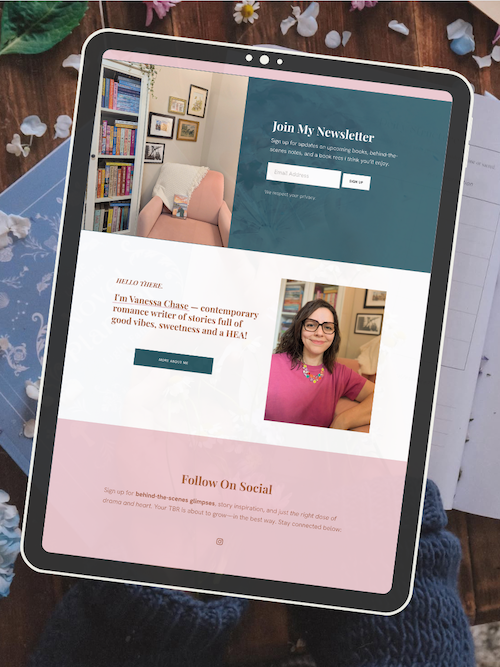
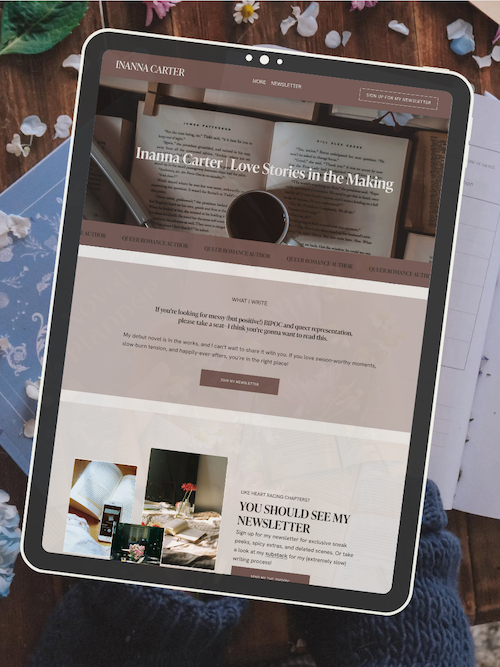
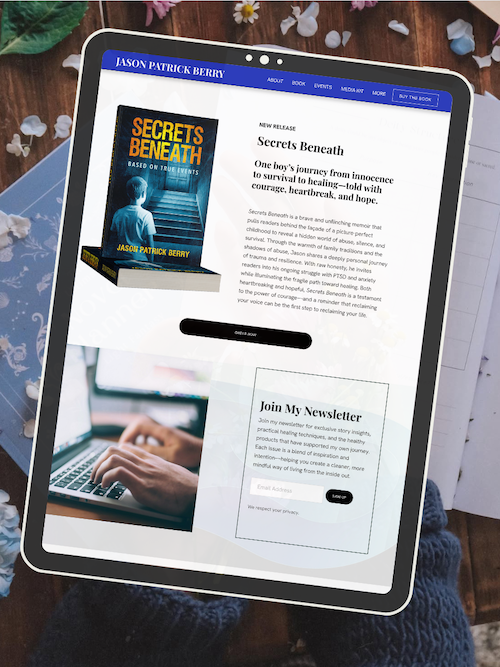
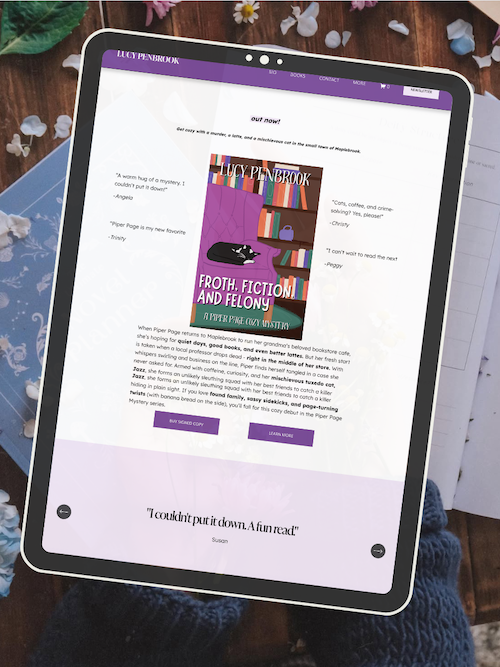
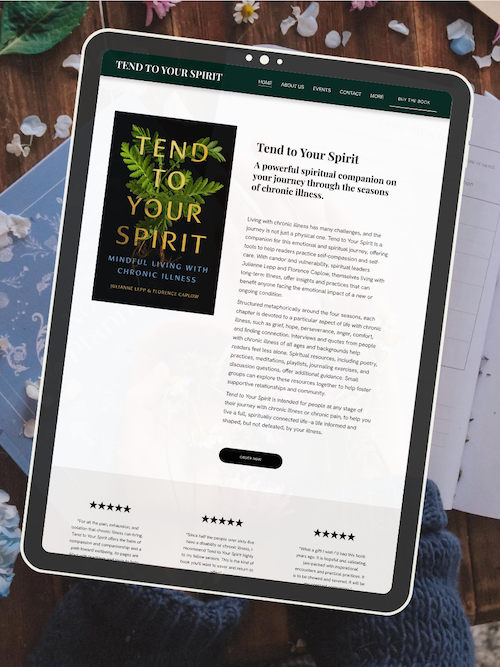
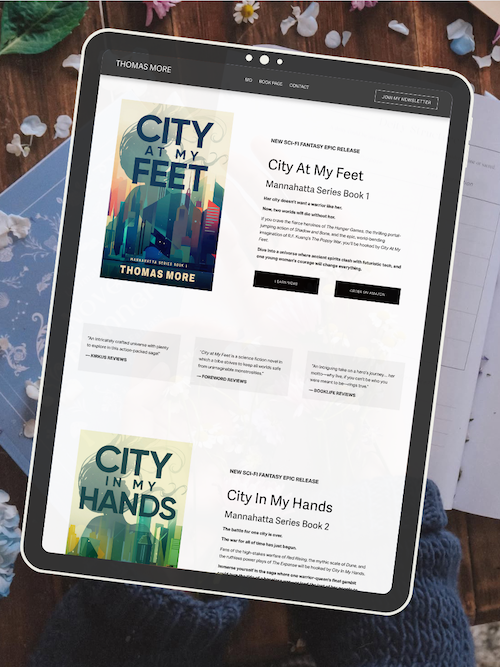
Want a beautiful author website without spending weeks designing it from scratch? These Squarespace website templates for authors are designed to showcase your books, grow your email list, and look professional instantly.

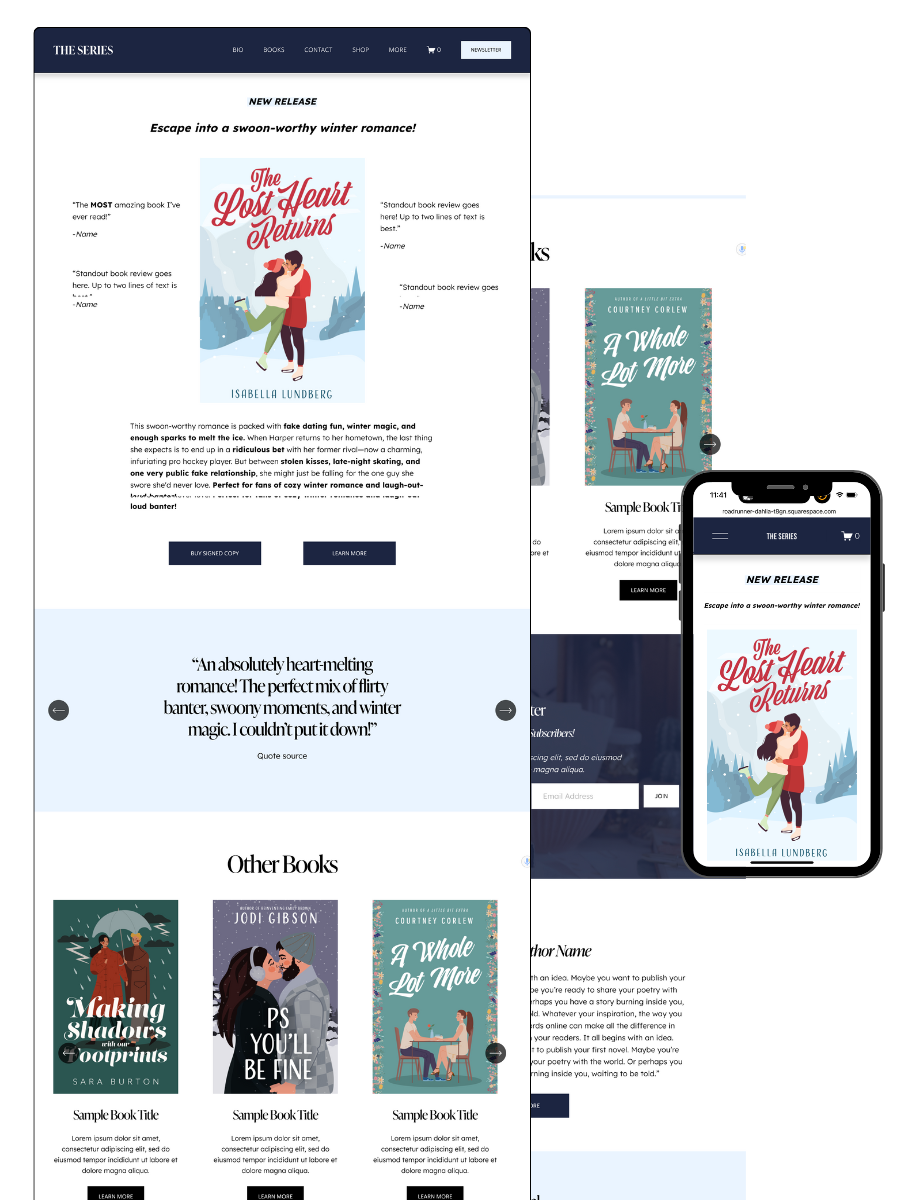
Here’s how real authors are using these Squarespace author website templates:
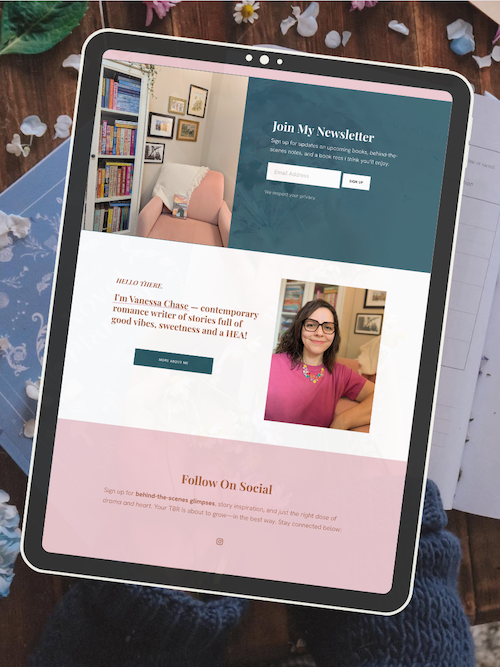
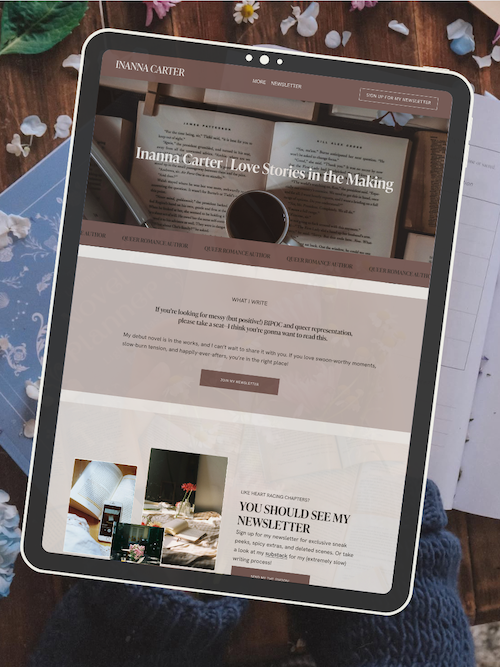
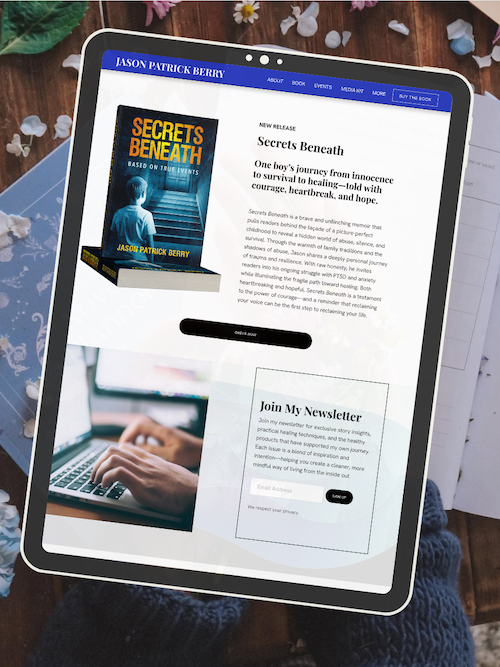
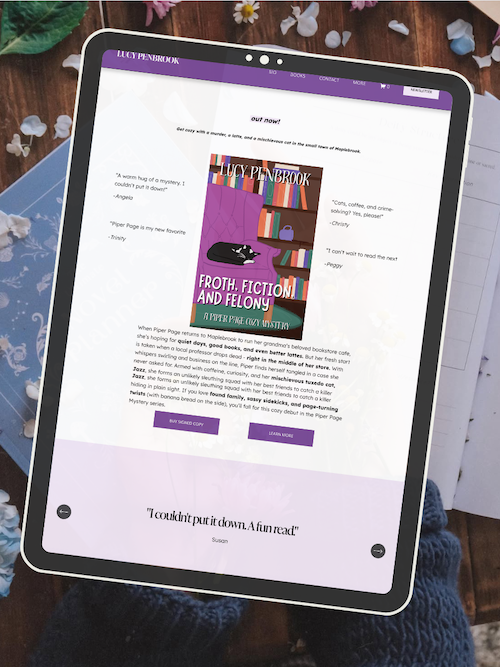
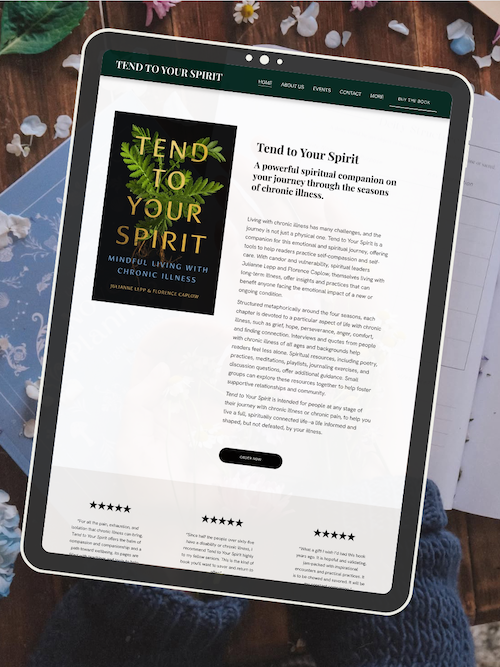
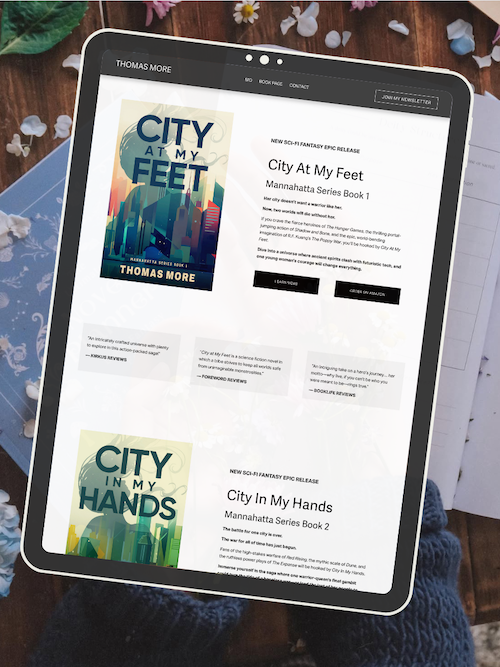
AUTHOR WEBSITE EXAMPLES
Why You Need a Book Launch Strategy
Most authors skip the strategy part. They hit publish and hope readers will find them. But hope isn't a plan.
A book launch strategy gives your book the best shot at success. It builds awareness before your book is even available. It creates buzz that turns into early sales, reviews, and word-of-mouth.
Without a strategy, your book disappears fast. With one, you control the narrative and stay visible long after launch day.
When to Start Your Book Launch Strategy
Start planning your book launch at least 3 to 4 months before your publish date. That gives you time to build your audience, line up reviews, and create content that builds excitement.
If your book is already published, don't worry. You can still run a relaunch or use these tactics to boost visibility moving forward.
The key is consistency. A launch isn't one day—it's a series of touchpoints that keep your book in front of readers.
Step 1: Set Your Launch Goals
Before you do anything else, get clear on what you want your launch to accomplish. Do you want to hit a bestseller list? Get 50 reviews in the first month? Build your email list? Sell a certain number of copies?
Your goals will shape your strategy. If you want reviews, you'll focus on getting advance reader copies out early. If you want sales, you'll prioritize launch day promotions and ads.
Write down 2 to 3 specific goals. Make them measurable so you can track your progress.
Step 2: Build Your Launch Team
Your launch team is a group of readers who get early access to your book in exchange for honest reviews, social shares, and word-of-mouth support. These are your biggest fans—the people who will champion your book when it goes live.
Start recruiting your launch team at least 6 to 8 weeks before launch. Reach out to your email list, social media followers, and any book groups you're part of.
Send them a digital advance copy. Give them clear instructions on what you're asking for (a review, a social post, etc.). Make it easy for them to help you.
The bigger your launch team, the more momentum you create on day one.
Step 3: Build Your Email List Early
Your email list is the most valuable marketing tool you have. These are people who already said yes to hearing from you. They're more likely to buy, review, and share your book than anyone else.
If you don't have a list yet, start building one now. Offer a free short story, a chapter sampler, or bonus content in exchange for email signups.
Use your email list to share updates, tease your book, and build excitement leading up to launch. Send at least one email per week in the month before your book goes live.
Email subscribers convert better than social media followers every single time.
Step 4: Create a Pre-Launch Content Plan
Start talking about your book before it's available. Share behind-the-scenes content, character insights, cover reveals, and sneak peeks.
Create a content calendar that maps out what you'll post and when. Mix it up—use social media, blog posts, video, and email to reach different audiences.
The goal is to stay visible and keep your book top of mind. Don't wait until launch day to start marketing.
Pre-launch buzz builds anticipation. When your book finally drops, people are ready to buy.
Step 5: Get Your Book Up for Pre-Order
Pre-orders are a game changer. They let readers commit to buying your book before it's even available. And all those pre-orders count as day-one sales, which can boost your ranking and visibility.
Set up your pre-order on Amazon, Apple Books, or wherever you're publishing at least 4 to 6 weeks before launch. Promote it in your emails, on social media, and on your website.
Consider offering a pre-order bonus—a free short story, a printable, or early access to exclusive content. This gives readers an extra reason to buy now instead of waiting.
Pre-orders also help you gauge interest and adjust your marketing if needed.
Step 6: Plan Your Launch Week
Launch week is when all your prep work pays off. This is when you go all in with promotion, engagement, and visibility.
Schedule posts every day. Send multiple emails. Ask your launch team to post reviews and share on social media. Run a giveaway or a limited-time discount to create urgency.
If you're running ads, this is the time to turn them on. Facebook, Amazon, or BookBub ads can drive traffic and sales when paired with organic promotion.
Stay active and responsive. Reply to comments, thank people for sharing, and keep the momentum going.
Step 7: Get Book Reviews Fast
Reviews are social proof. They tell new readers that your book is worth their time. The more reviews you have, the more credible your book looks.
Ask your launch team to leave reviews as soon as the book goes live. Reach out to book bloggers, bookstagrammers, and BookTokers who read in your genre.
You can also use services like NetGalley or BookSirens to get your book in front of reviewers. Just make sure you're targeting people who actually read your type of book.
Aim for at least 20 to 30 reviews in your first month. That's enough to build trust and boost discoverability.
Step 8: Leverage Social Media the Right Way
Social media is free marketing—but only if you use it strategically. Don't just post random updates. Create content that gets people excited about your book.
Share quotes, graphics, videos, and reader reactions. Tag people who help promote your book. Use relevant hashtags like #booklaunch.
Step-by-Step Book Launch Strategy That Works
A successful book launch requires careful planning across three phases: pre-launch preparation, launch week execution, and post-launch momentum. You need to start building your audience weeks before release day, optimize every piece of your online presence, and keep marketing long after your book goes live.
Clarify Your Goals and Define Success
Before you dive into tactics, you need to know what success looks like for your launch. Are you aiming for bestseller status on Amazon? Building your email list? Getting 50 reviews in the first month? Your goals will shape every decision in your book launch plan.
Write down 3-5 specific, measurable goals. For example: "Get 100 pre-orders," "Reach 1,000 email subscribers by launch week," or "Secure 3 podcast interviews." These numbers give you something concrete to track.
Think about your timeline too. Most successful launches need 4-6 weeks of preparation. If you're self-publishing through KDP, you have control over your release date. Use that flexibility to give yourself enough runway.
Your definition of success might also include building your author platform or creating momentum for your next book. Not every launch needs to hit bestseller lists to be valuable.
Build Your Author Platform and Email List Early
Your email list is the most important asset you have as an author. You own it, unlike your social media followers. Start building it months before your book launch, not weeks.
Create a reader magnet (also called a lead magnet) to attract subscribers. This could be a free short story, a deleted chapter, character interviews, or a prequel to your book. Make it relevant to your upcoming release so you're attracting your ideal readers.
Set up a simple landing page on your author website with a clear offer. Include what they'll get, why they should care, and a sign-up form. Tools like Squarespace make this easy with built-in email integration.
Post consistently about your writing journey on at least one social media platform. You don't need to be everywhere. Pick where your readers hang out—whether that's BookTok, Bookstagram, or Goodreads—and show up regularly.
Join Goodreads and complete your author profile. Add your book early (even before it's available) so readers can add it to their "want to read" lists. This builds anticipation and helps the Amazon algorithm later.
Craft an Irresistible Book Description and Create a Reader Magnet
Your book description is sales copy, not a summary. You have seconds to hook a potential reader browsing Amazon. Start with a compelling hook that presents the core conflict or question of your book.
Use short paragraphs and formatting to make it scannable. Bold key phrases. Add white space. End with a call to action or a question that makes readers want to know what happens next.
Study book descriptions in your genre that work. Notice patterns in how bestselling authors structure theirs. They typically follow a formula: hook, expand on the stakes, introduce the character's dilemma, and leave readers wanting more.
Your reader magnet should complement your book launch. If you're launching a fantasy novel, offer a prequel short story. For non-fiction, create a workbook or checklist that extends your book's value.
Make sure your reader magnet is professionally formatted and edited. It represents your writing quality. A sloppy freebie will hurt your credibility more than help your list growth.
Assemble Your Launch Team and Beta Readers
Your launch team is your first wave of support. These are readers who commit to buying, reading, and reviewing your book during launch week. Start recruiting them 6-8 weeks before release.
Beta readers are different. They read your manuscript before it's finalized and give feedback on plot, characters, and pacing. You should finish beta reading well before launch, ideally during your editing phase.
Create a simple application form for your launch team. Ask why they want to join, where they'll post their review, and if they're active on social media. This helps you find committed members, not just freebie seekers.
Offer your launch team an ARC (advance review copy) 2-3 weeks before launch day. This gives them time to read and post reviews when your book goes live. Early reviews are critical for social proof and the Amazon algorithm.
Keep your team engaged with a private Facebook group or email updates. Share behind-the-scenes content, cover reveals, and thank them regularly. These are your biggest supporters—treat them well.
Plan Your Pre-Launch Buzz and Teaser Campaign
Pre-launch buzz starts building 4-6 weeks out. This is when you shift from building your platform to actively promoting your specific book. Your goal is to create anticipation and get people talking.
Run a cover reveal 3-4 weeks before launch. Ask your email list and launch team to share it. Create shareable graphics using tools like Book Brush for Instagram, Facebook, and BookTok.
Share teaser content like character profiles, mood boards, playlist links, or short excerpts. Give readers a taste without giving away the story. Instagram Reels and TikTok videos work great for visual teasers.
Consider opening preorders if you're self-publishing through Amazon KDP. Preorders build momentum and count toward your launch day sales ranking. However, make sure your book is fully ready—you can't miss your delivery date.
Host a Goodreads giveaway to build awareness. Even a small giveaway (5-10 copies) can get your book in front of hundreds of potential readers. Winners often become reviewers and fans.
Set Up Your Book Assets: KDP, Paperback, Audiobook, and Amazon Author Central
Upload your book to Amazon KDP at least two weeks before launch. This includes your ebook, paperback, and potentially audiobook if you're using ACX. Don't wait until the last minute—technical issues happen.
Your ebook formatting needs to be clean and professional. Use Vellum, Atticus, or KDP's built-in tools. Test it on multiple devices before publishing. Bad formatting kills reader experience and leads to negative reviews.
Set up your paperback version even if you expect most sales to be digital. Many readers prefer physical books, and having both options increases your potential audience. Book formatting for print is different from ebook formatting—pay attention to margins, bleeds, and trim size.
Claim your Amazon Author Central profile and fill it out completely. Add your author bio, photos, and connect your blog if you have one. This profile appears on all your book pages and builds your author brand.
If you're doing an audiobook, ACX connects you with narrators. This process takes longer than ebook or paperback, so start early. Audiobooks expand your reach to a broader audience.
Frequently Asked Questions
Authors planning a book launch often have questions about timing, promotion methods, and how to stand out in a crowded market. The answers below address common concerns about tactics, events, planning, creative ideas, social media use, and building campaigns that get results.
What are effective tactics for launching a book?
Start building your audience at least three months before your release date. This gives you time to create buzz without rushing or burning out.
Send advance review copies to bloggers, book reviewers, and influencers in your genre. Reviews posted on launch day boost visibility and give potential readers social proof that your book is worth their time.
Create a launch team of engaged readers who receive early access to your book. In exchange, they post reviews, share on social media, and spread word-of-mouth recommendations during your launch week.
Use email marketing to stay in direct contact with your readers. Your email list is the most valuable asset you have because you own it—unlike social media followers who depend on algorithms you can't control.
Price your book strategically during launch week. Many authors use a lower introductory price or run a limited-time discount to encourage quick sales and boost rankings on retailer charts.
How can I make my book launch event stand out?
Choose a venue that matches your book's theme or genre. A cozy bookstore works for literary fiction, while a trendy cafe might suit contemporary romance or self-help titles.
Offer something interactive beyond a simple reading and signing. Host a Q&A session, run a themed trivia game, or include activities that connect to your book's content.
Create a signature drink or snack inspired by your book. This gives guests something memorable to talk about and share on social media.
Partner with local businesses or other authors to expand your reach. Co-hosting splits costs and brings in both audiences, giving everyone more visibility.
Set up a photo backdrop with your book cover or theme. Guests will share photos on their social channels, giving you free promotion that extends beyond the event itself.
What should I include in my book launch party checklist?
Confirm your venue booking and arrival time at least two weeks before the event. Double-check if you need insurance, permits, or special accommodations.
Order enough books to cover expected attendance plus extras. Running out of books at your own launch party is a missed opportunity for sales and momentum.
Prepare your reading selection in advance. Choose a compelling excerpt that's three to five minutes long—short enough to hold attention but long enough to showcase your writing.
Bring all necessary supplies including pens, bookmarks, signage, and a cash box if you're handling sales yourself. Create a checklist the day before so you don't forget small but important items.
Arrange for someone to take photos and videos during the event. You'll be too busy hosting to document everything, and you'll want this content for social media and future promotion.
Test any tech you're using beforehand. If you're doing a presentation, playing music, or using a microphone, arrive early to troubleshoot problems before guests show up.
What are some unique book launch ideas I can implement?
Host a virtual launch party on Zoom or YouTube Live if your audience is spread across different locations. This lets readers from anywhere join in, and you can replay the recording for those who missed it.
Create a limited-edition version of your book available only during launch week. This could include signed bookplates, character art, bonus chapters, or special formatting that makes early buyers feel like VIPs.
Run a social media challenge tied to your book's theme. Ask readers to share photos, videos, or stories using a specific hashtag, then feature the best submissions on your platforms.
Partner with a charity that connects to your book's message. Donate a portion of launch week sales and tell your audience about it—readers love supporting authors who give back.
Launch a book box or merchandise bundle. Include your book plus themed items like candles, bookmarks, stickers, or other small products that enhance the reading experience.
Organize a blog tour where you guest post on different sites throughout launch week. Each post reaches a new audience and drives traffic back to your book's sales page.
How can I use social media to promote my new book effectively?
Start teasing your book at least six weeks before launch. Share cover reveals, behind-the-scenes writing moments, character introductions, and short excerpts to build anticipation.
Post consistently but don't spam your followers with constant sales pitches. Follow the 80/20 rule—80% valuable or entertaining content, 20% promotional posts about your book.
Use video content whenever possible. Short videos get more engagement than static images on most platforms, whether it's a quick book flip-through, a reading, or just you talking about your story.
Engage with your audience by responding to comments and messages. Social media works best when it's actually social, not just a one-way broadcast channel.
Create platform-specific content rather than posting the same thing everywhere. Instagram favors visual posts and Stories, Twitter works for quick updates and threads, and Facebook is good for longer posts and community building.
Use relevant hashtags to help new readers find your content. Research popular book hashtags in your genre, but don't overload posts with too many—five to eight targeted hashtags usually work best.
What steps should I take to create an impactful book launch campaign?
Define your goals before you start planning anything else. Are you aiming for bestseller rankings, a certain number of sales, building your email list, or getting media attention? Your goal shapes every decision that follows.
Identify your target readers and where they spend time online. Marketing works better when you focus on specific platforms and communities rather than trying to be everywhere at once.
Build your email list starting now if you haven't already. Your subscribers are your most engaged audience and the people most likely to buy on launch day.
Create a content calendar that maps out your promotional activities week by week. This prevents last-minute scrambling and ensures you maintain consistent visibility leading up to launch.
Set up tracking for your campaigns so you know what's working. Use unique links for different promotional channels, monitor which emails get the best open rates, and pay attention to which social posts drive actual sales.
Plan your budget in advance and allocate funds strategically. You might spend on ads, promotional materials, review copies, or event costs—knowing your limits helps you make smart choices about where to invest.
Ready to launch your author website?
Explore my Squarespace website templates designed specifically for authors — easy to customize, beautifully designed, and built to help you sell more books.

SHOP THE AUTHOR WEBSITE TEMPLATES
THE MANUSCRIPT AUTHOR WEBSITE TEMPLATE — perfect for authors launching their first professional website with a simple, polished layout
THE DEBUT AUTHOR WEBSITE TEMPLATE — designed to highlight your first book, build your email list, and grow an audience from day one
THE SERIES AUTHOR WEBSITE TEMPLATE — ideal for showcasing multiple books with clear series pages and strong reader flow
THE ONE-PAGE AUTHOR AUTHOR WEBSITE TEMPLATE — a streamlined one-page site for authors who want something beautiful, fast, and easy
THE DONE-FOR-YOU AUTHOR WEBSITE EXPERIENCE — your author website built for you so you can launch without touching design or tech
MOST POPULAR BLOG POSTS
Authors Guide to Website Design & Branding
Squarespace Email Campaigns: A Guide for Authors
How to Create an Author Website on Squarespace (Step-by-Step)

Launch Your Author Website in a Day (Without the Tech Overwhlem)
*No more starting from scratch.
A simple, done-for-you Squarespace template built specifically for authors with a WIP.