Author Website for Series Books: How to Build a Cohesive Hub That Converts Readers Into Fans
Writing a book series is an exciting challenge, but getting readers to follow your characters across multiple books requires more than good storytelling. You need a central hub where fans can discover your entire series, understand the reading order, and stay connected with your journey as an author. A well-designed author website for series books helps readers navigate your connected stories while building a loyal community that eagerly awaits each new release.
Your website serves as the home base for your fictional world. Unlike scattered social media posts or confusing retailer pages, your author site puts you in control of how readers experience your series. You can showcase book covers in order, explain character connections, and make it crystal clear where new readers should start. This matters because confused readers often abandon a series before they even begin.
The good news? You don't need coding skills or a big budget to create an effective series website. With the right approach and tools, you can build a professional online presence that highlights your connected books, captures email subscribers, and turns casual visitors into devoted fans who pre-order every new release.
Key Takeaways
Your author website should clearly display your series books in reading order so new readers know where to start
Built-in email capture tools help you stay connected with fans between book releases
Professional website templates designed for authors make it easy to showcase multiple books without technical skills
Want a beautiful author website without spending weeks designing it from scratch? These Squarespace website templates for authors are designed to showcase your books, grow your email list, and look professional instantly.

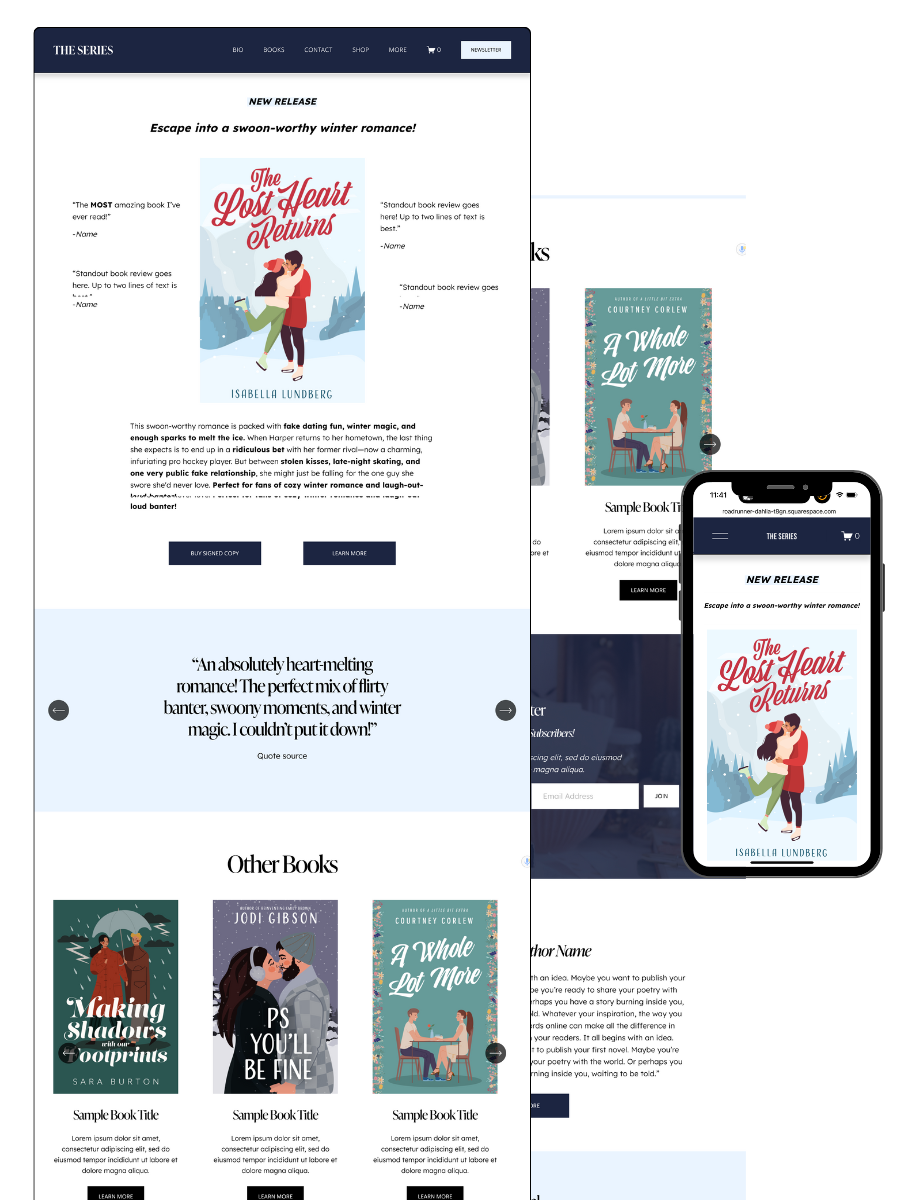
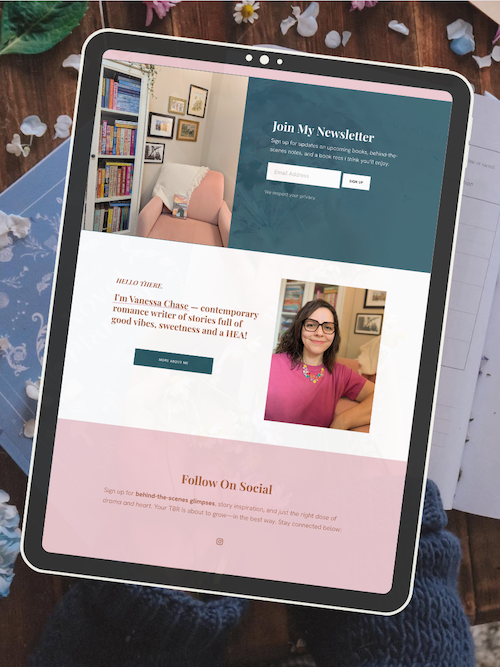
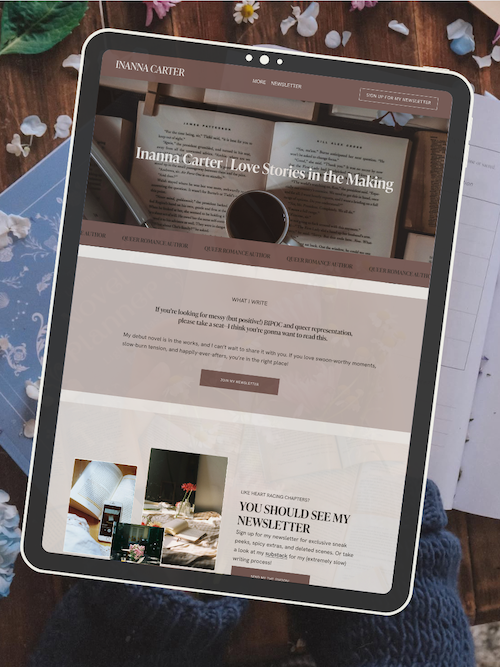
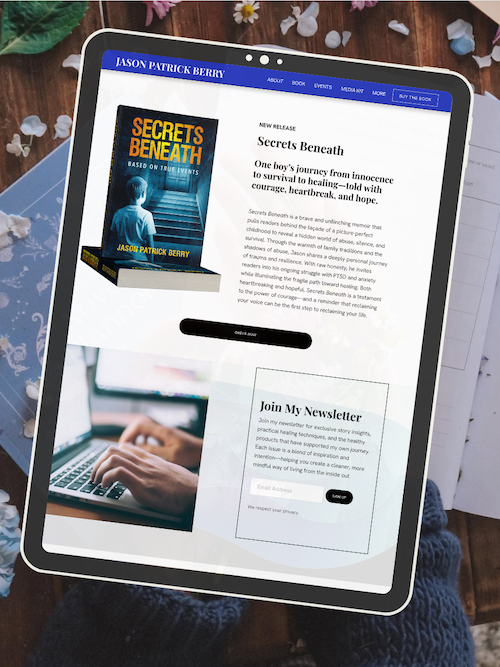
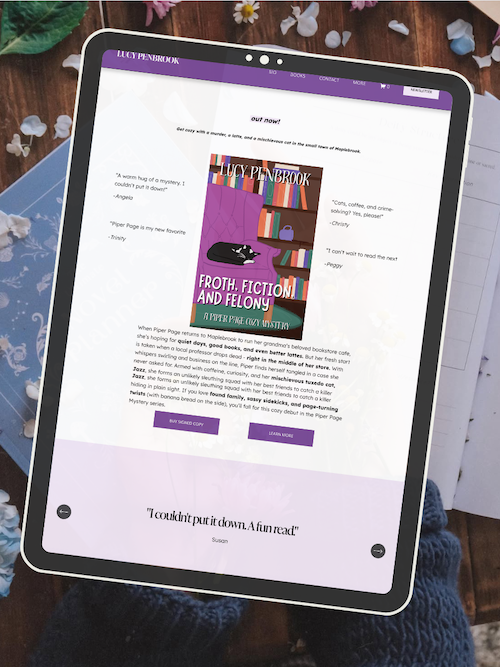
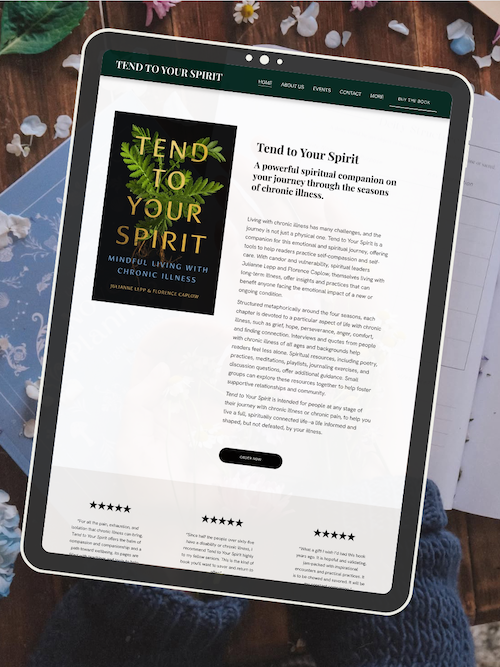
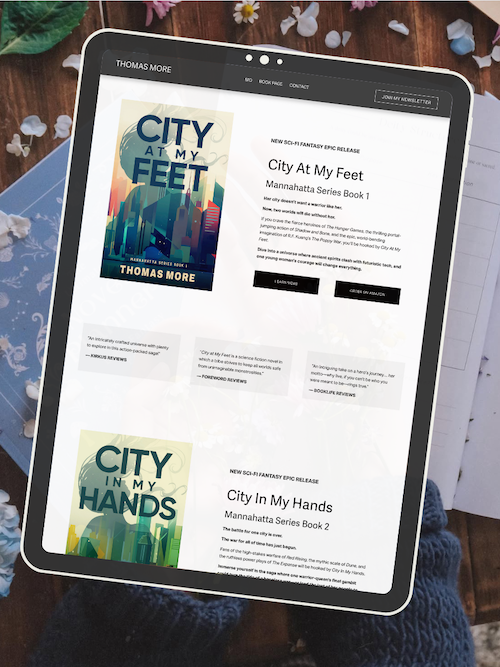
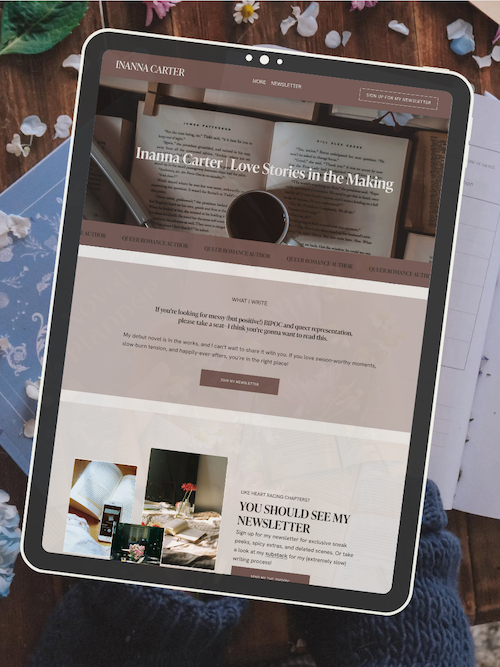
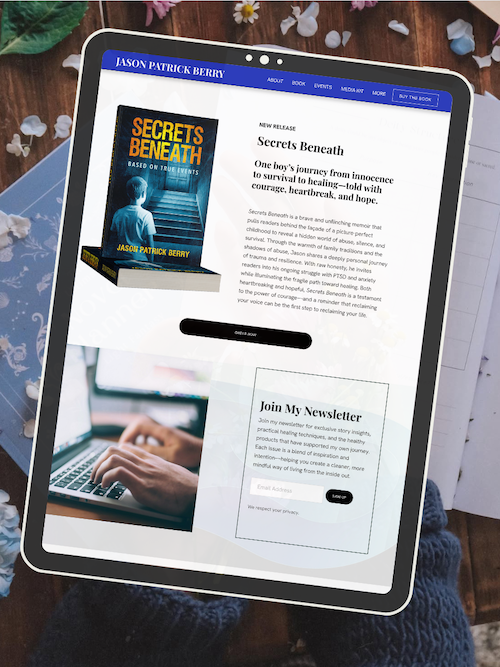
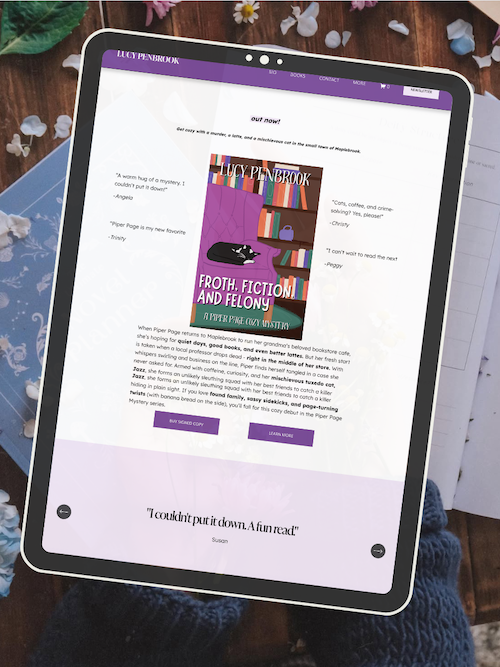
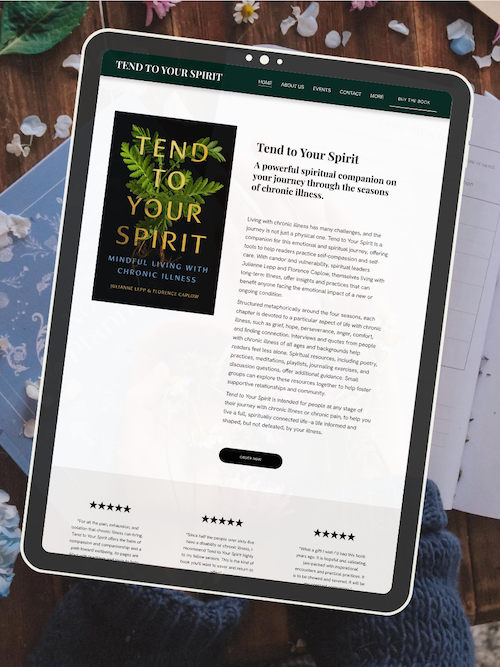
Here’s how real authors are using these Squarespace author website templates:
Building a High-Impact Author Website for Series Books
Your series website needs to do more than list your books—it should guide readers through your story world, help them find the right starting point, and keep them coming back for the next release.
Showcasing Your Book Series and Books in Order
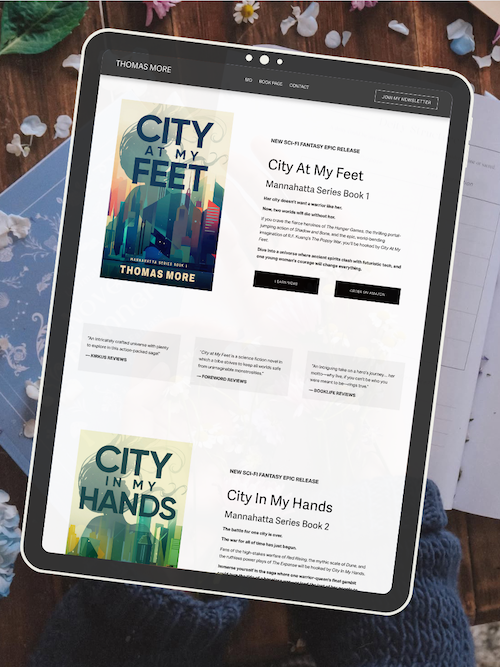
Your homepage or dedicated series page should instantly show readers where your series starts and how it continues. Create a visual series timeline using book covers arranged in reading order, with clear numbering or labels like "Book 1," "Book 2," etc.
Include a short series description that hooks readers without spoiling later books. Place your first book front and center with a stronger call-to-action—new readers need to know where to jump in.
Add quick links to each book's buy page, and consider including publication dates or "coming soon" tags for unreleased titles. If you write in multiple genres like contemporary romance and paranormal romance, separate your series clearly so readers can find what they want.
Key elements to include:
Series name and tagline
Book covers in sequence
One-click purchase links
Reading order guide
Series status (complete or ongoing)
AUTHOR WEBSITE EXAMPLES
Simplifying Series Navigation: Publication Order and Chronological Order
Not all series read in publication order. If your books have prequels, spin-offs, or a chronological order that differs from how you released them, you need to spell it out.
Create a dedicated "Reading Order" page that shows both publication order and chronological order side by side. Use a simple table or numbered list—don't make readers hunt for this information.
Publication Order Chronological Order Book 1: First Release Prequel: Earlier Events Book 2: Second Release Book 1: First Release Prequel: Released Later Book 2: Second Release
Include a note about whether reading order matters. Some series work standalone; others build on each other. Be upfront about it.
Authors like Brad Thor make this easy by keeping publication order and story order aligned, but if your series jumps around in time, your readers will thank you for the clarity.
Integrating Book Discovery Tools and Genre Highlights
Help readers find books based on what they're craving. Add filters or tags that let visitors browse by subgenre, trope, heat level, or character type.
If you write across multiple genres, create separate landing pages for each. Your paranormal romance readers might not be looking for contemporary romance, and vice versa.
Include a search function if you have more than five books. Add a "If you liked [Book Title], try..." section that guides readers to similar titles in your catalog.
Consider embedding a quiz—"Which series should you start with?"—that recommends books based on reader preferences. This makes book discovery interactive and fun, and it reduces decision paralysis for new visitors.
Link to your Goodreads author page or other platforms where readers can find books and add them to their TBR lists. Make it easy to go from "interested" to "reading."
Designing for Author Branding and Fan Engagement
Your author website should feel like an extension of your books. Use colors, fonts, and imagery that match your series aesthetic. Contemporary romance? Think bright, clean, modern. Dark fantasy? Go moody and atmospheric.
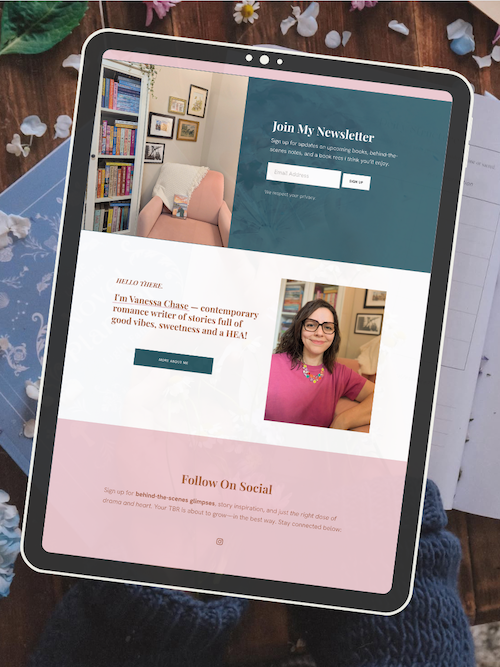
Create a mailing list signup that promises series updates, release dates, and bonus content. Place signup forms on your homepage, series pages, and blog.
Add a blog or news section where you share writing updates, character insights, or behind-the-scenes content. This keeps fans engaged between releases and gives new visitors a reason to explore.
Engagement features to include:
Newsletter signup with series-specific incentives
Character profiles or world-building pages
Reader reviews or testimonials
Social media links
Contact form for reader questions
Build an email list early. Most author websites from successful authors prioritize list building because it's the most direct way to reach readers when you launch your next book. Offer a free prequel, deleted scene, or bonus chapter as an incentive—readers love exclusive content.
Frequently Asked Questions
Author websites for series books come with unique challenges around navigation, branding, and reader experience. These questions address the most practical concerns—from platform selection and SEO to design structure and reader retention.
What are the best practices for setting up a successful author website for multiple book series?
Start by creating a dedicated page or section for each series. This keeps your content organized and makes it easy for readers to find what they're looking for. Each series page should include book covers, reading order, brief descriptions, and links to purchase or download.
Use a consistent naming structure across your navigation menu. Group series under a main "Books" or "Series" dropdown so visitors don't feel lost. If you write in multiple genres, consider organizing by genre first, then by series within each category.
Make your homepage work harder by featuring your most popular or newest series front and center. Include visual elements like book covers arranged in series order, so readers immediately understand the connection between titles. Add a clear call-to-action that directs visitors to your newsletter signup or your latest release.
Create a unified visual identity for each series. This might mean using consistent fonts, color schemes, or graphic elements that tie the books together. Readers should be able to tell at a glance which books belong to the same world.
Include a reading order guide on each series page. New readers often worry about starting in the wrong place. A simple numbered list or visual timeline removes that friction and gets them reading faster.
Can you provide some top examples of author websites that effectively showcase their series books?
Author websites that work well for series typically use visual hierarchy to guide readers through connected books. The best examples feature large, high-quality book cover images arranged in chronological order with clear numbering.
Many successful author sites create separate landing pages for each series with dedicated URLs. This approach allows for targeted marketing campaigns and makes it easier for readers to share specific series with friends. Each landing page acts as a mini sales page for that particular world or set of characters.
Strong series websites often include character guides, maps, or world-building resources. These extras give superfans something to explore while waiting for the next release. They also help new readers get oriented in complex fictional worlds.
Look for sites that use image galleries or sliders to display multiple books without overwhelming the page. This keeps the design clean while still showcasing an extensive backlist. The galleries should be clickable, leading to individual book pages with full details and buy links.
The most effective sites include reader testimonials or reviews specific to each series. This social proof helps new visitors understand why they should invest time in a multi-book commitment.
How can self-published authors create an engaging and professional website for their book series?
Choose a website builder that offers pre-designed templates specifically for authors or creatives. Squarespace, for example, provides templates with portfolio-style layouts that work perfectly for displaying multiple books in a series. You don't need coding skills or a big budget to create something that looks professionally designed.
Invest in professional book covers and use high-resolution images on your website. Your covers are your visual brand, especially for series books. Pixelated or poorly cropped images make even the best website look amateur.
Write compelling copy for each series that hooks readers in the first sentence. Don't just list plot points—focus on the emotional journey or the unique hook that makes your series different. Keep descriptions between 50-100 words per book, with a longer series overview at the top of the page.
Set up an email list specifically for series updates. Tools like Squarespace Email Campaigns integrate directly with your website, making it easy to capture reader emails and send targeted updates about new releases. You can segment your list by series interest so readers only get emails about books they care about.
Add credibility markers like award badges, reader count milestones, or media mentions. Self-published doesn't mean unprofessional. Show visitors that your series has found an audience and earned recognition.
What features should authors include on their websites to attract and retain readers of their series books?
A newsletter signup form should appear on every series page, not just your homepage. Offer a series-specific incentive like a free prequel, character guide, or bonus scene. Readers are more likely to subscribe when the offer relates directly to the series they're exploring.
Include a "Start Here" section that removes decision fatigue for new visitors. Point them to the first book in your most popular series or create a quiz that recommends which series to try first. Make the entry point obvious and easy.
Add buy links for multiple retailers, not just Amazon. Your readers shop in different places, and making them hunt for their preferred retailer creates unnecessary friction. Use a universal book link tool or list 3-5 major retailers directly on each book page.
Create a blog or news section where you share series updates, behind-the-scenes content, and release announcements. Regular updates give readers a reason to return to your site between releases. It also helps with SEO by adding fresh content regularly.
Build a simple resources section with downloadable content like reading order PDFs, book club discussion guides, or printable bookmarks. These free resources keep readers engaged with your series and give them shareable content to spread to other potential readers.
What are the benefits of choosing Squarespace to build an author website for series books, and how does it compare to other platforms?
Squarespace offers template designs that prioritize visual content, which matters when you're showcasing multiple book covers. The templates are mobile-responsive out of the box, so your series displays properly on phones and tablets where many readers browse.
The platform includes built-in e-commerce features if you want to sell signed copies or direct editions of your books. You can create product pages for each title with variants for paperback, hardcover, or special editions. This gives you more control over your sales and higher profit margins than selling through third parties alone.
Squarespace Email Campaigns integrate directly with your website, pulling in your branding automatically. When you send a newsletter about your latest series release, it matches your website's fonts, colors, and style. This consistency strengthens your brand recognition with readers.
The learning curve is gentler than WordPress, which often requires plugins, security updates, and technical troubleshooting. You can build a professional series website in a weekend, not weeks. The drag-and-drop editor makes it easy to rearrange book covers, add new series pages, or update your design without touching code.
Compared to free platforms like Wix or WordPress.com, Squarespace offers more professional templates and better customer support. The pricing is straightforward with no surprise add-on costs. While platforms like Showit offer more design flexibility, they also require more time and skill to customize.
What steps should authors follow to ensure their series book website is SEO-optimized and easily discoverable by readers?
Start with keyword research specific to your genre and series themes. Use free software to do this (Google Keyword Planner, Ubersuggest, etc.) to identify phrases readers are actually typing into search engines—think “romantic fantasy book series,” “cozy mystery series set in Maine,” or “best dystopian novels for teens.” Then use those keywords strategically across your website: in page titles, headings, meta descriptions, image alt text, and naturally within your page copy. Create a dedicated page for your series that includes each book title, reading order, tropes, comparable authors, and a clear description of the overarching story world. Optimize technical basics like fast load speed, mobile responsiveness, and clean URLs. Internally link between book pages, blog posts, and your series page to strengthen SEO structure. Finally, keep your content fresh by publishing blog posts related to your genre, themes, or writing process—this signals to Google that your site is active and relevant, helping new readers discover your series organically.
Ready to launch your author website?
Explore my Squarespace website templates designed specifically for authors — easy to customize, beautifully designed, and built to help you sell more books.

SHOP THE AUTHOR WEBSITE TEMPLATES
THE MANUSCRIPT AUTHOR WEBSITE TEMPLATE — perfect for authors launching their first professional website with a simple, polished layout
THE DEBUT AUTHOR WEBSITE TEMPLATE — designed to highlight your first book, build your email list, and grow an audience from day one
THE SERIES AUTHOR WEBSITE TEMPLATE — ideal for showcasing multiple books with clear series pages and strong reader flow
THE ONE-PAGE AUTHOR AUTHOR WEBSITE TEMPLATE — a streamlined one-page site for authors who want something beautiful, fast, and easy
THE DONE-FOR-YOU AUTHOR WEBSITE EXPERIENCE — your author website built for you so you can launch without touching design or tech
MOST POPULAR BLOG POSTS
Authors Guide to Website Design & Branding
Squarespace Email Campaigns: A Guide for Authors
How to Create an Author Website on Squarespace (Step-by-Step)

Launch Your Author Website in a Day (Without the Tech Overwhlem)
*No more starting from scratch.
A simple, done-for-you Squarespace template built specifically for authors with a WIP.