What Makes a Great Author Website Design: Essential Elements for Converting Readers Into Fans
Your author website is more than just an online business card. It's your home base on the internet where readers discover your books, join your email list, and decide whether to follow your work. A great author website design combines clean layout, easy navigation, and clear calls-to-action that guide visitors toward becoming readers and fans. The design doesn't need to be fancy or expensive. It needs to work.
Want a beautiful author website without spending weeks designing it from scratch? These Squarespace website templates for authors are designed to showcase your books, grow your email list, and look professional instantly.

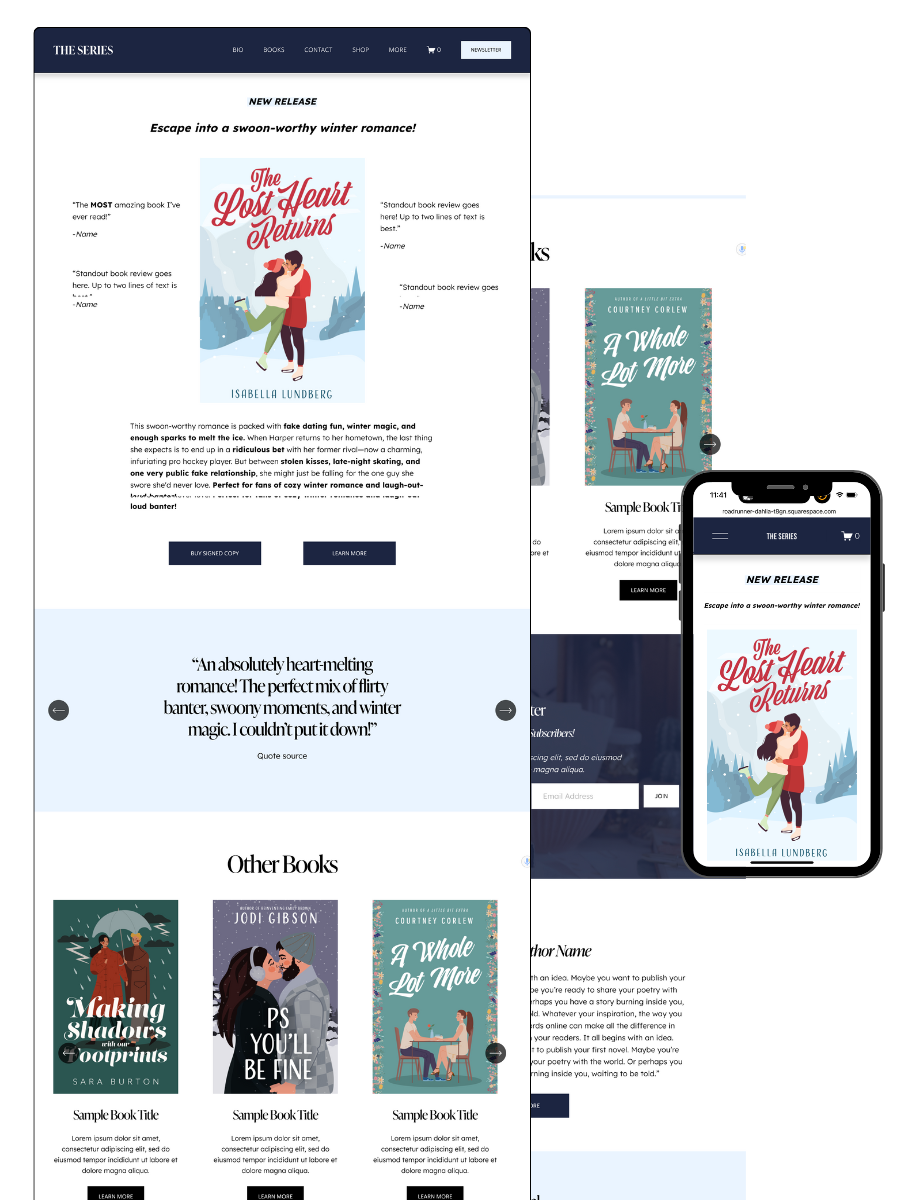
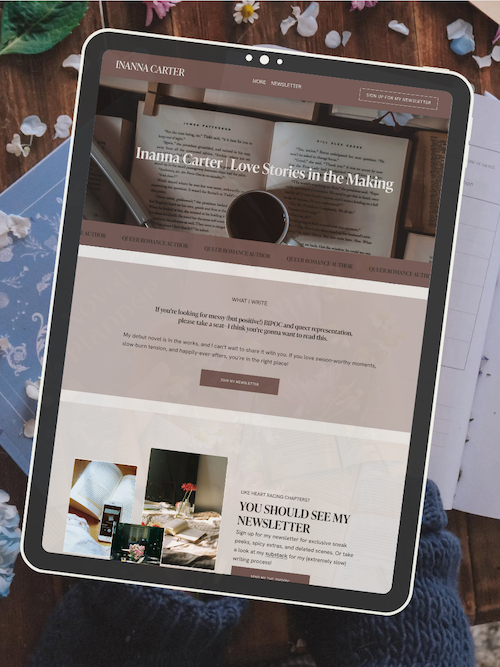
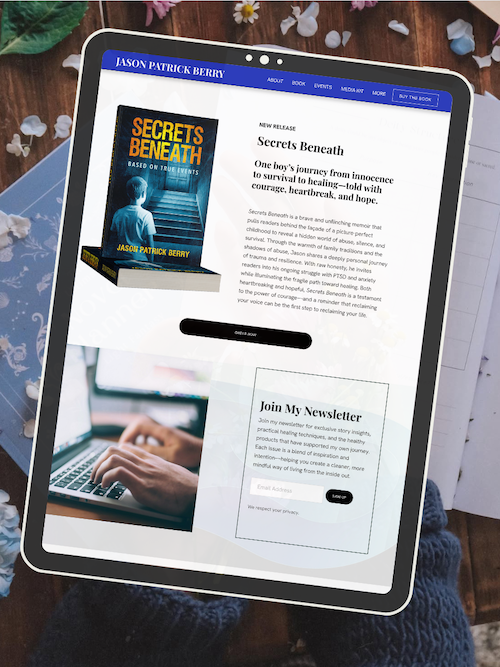
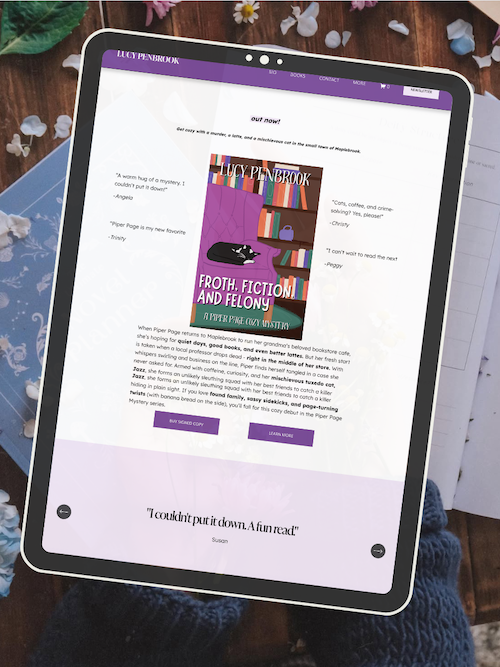
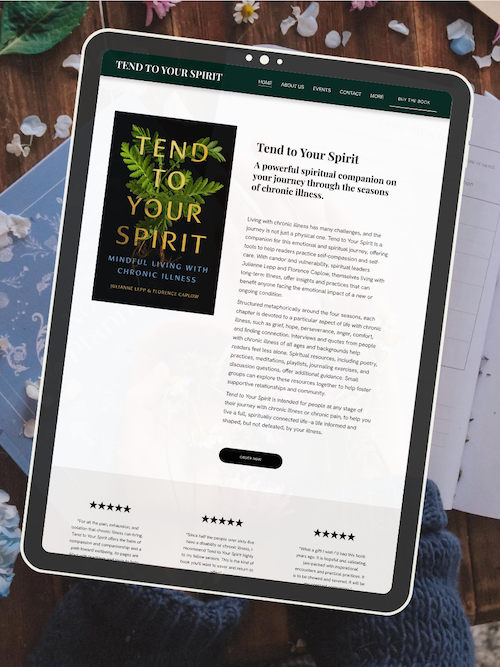
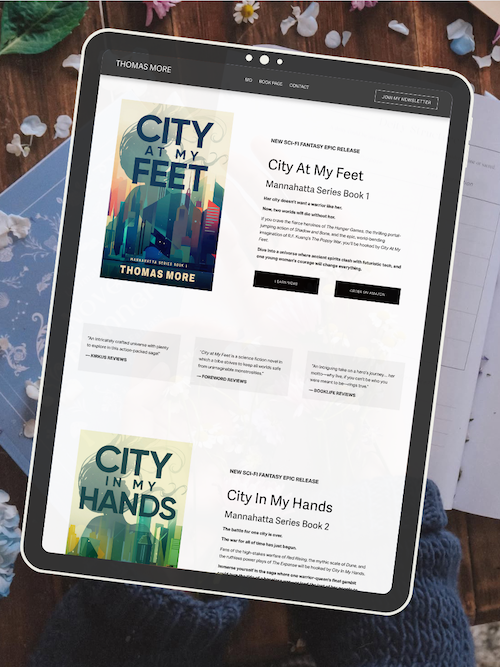
Here’s how real authors are using these Squarespace author website templates:
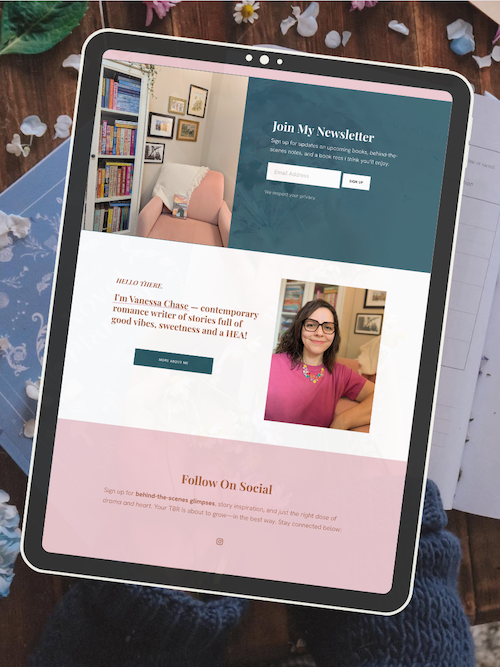
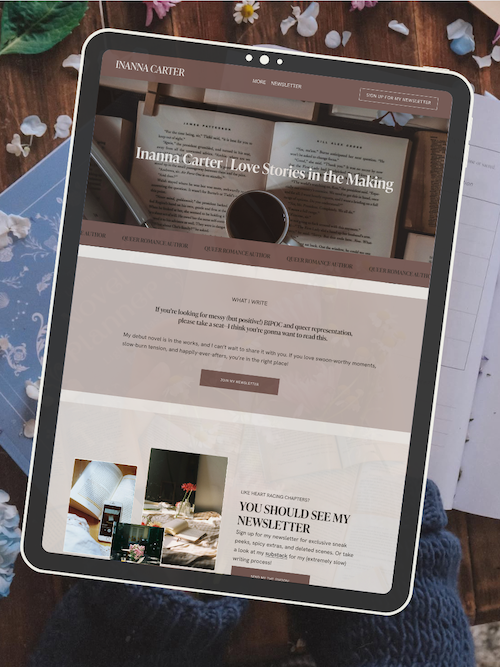
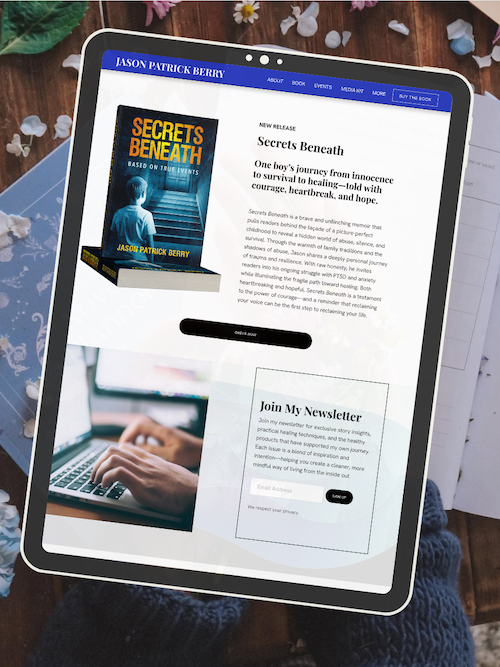
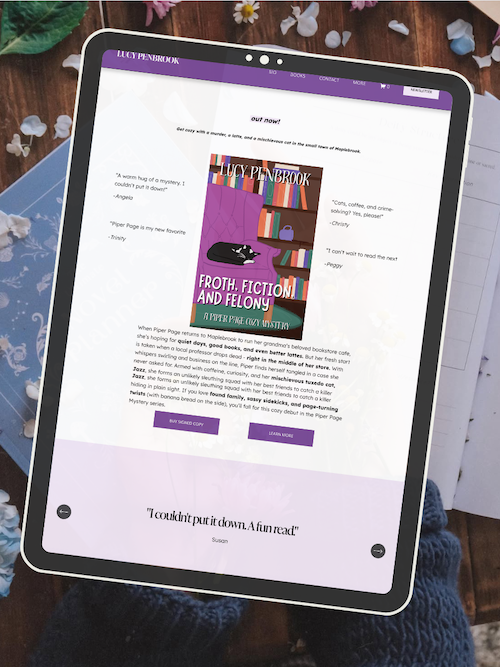
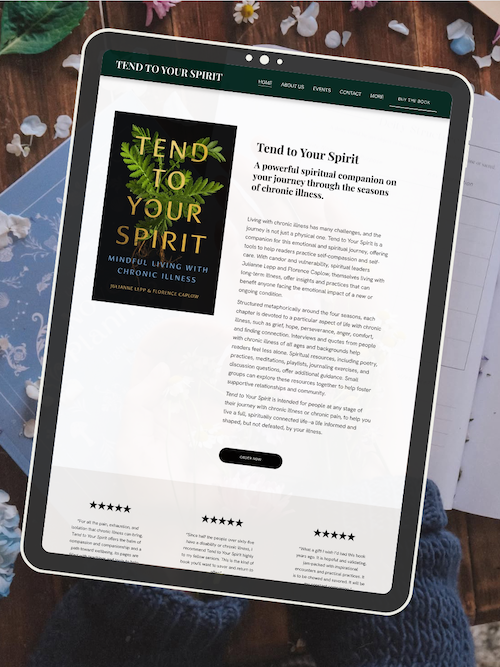
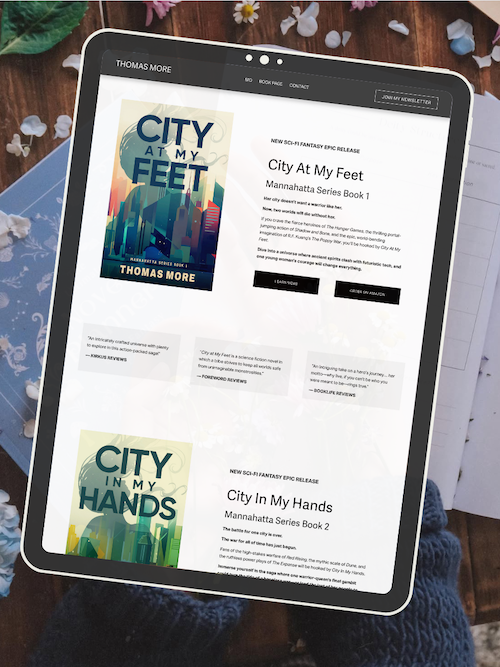
Many authors think website design is about choosing pretty colors or finding the perfect font. Those things matter, but not as much as you think. What really makes a website great is how quickly visitors can find what they need and how easily they can take the next step with you—whether that's buying your book, signing up for your newsletter, or learning more about your writing.
The good news? You don't need to be a designer or developer to create a professional author website. With the right platform and a few core design principles, you can build a site that looks polished and converts visitors into readers. This guide will walk you through exactly what makes an author website design work, from homepage layout to mobile responsiveness to strategic content placement.
AUTHOR WEBSITE EXAMPLES
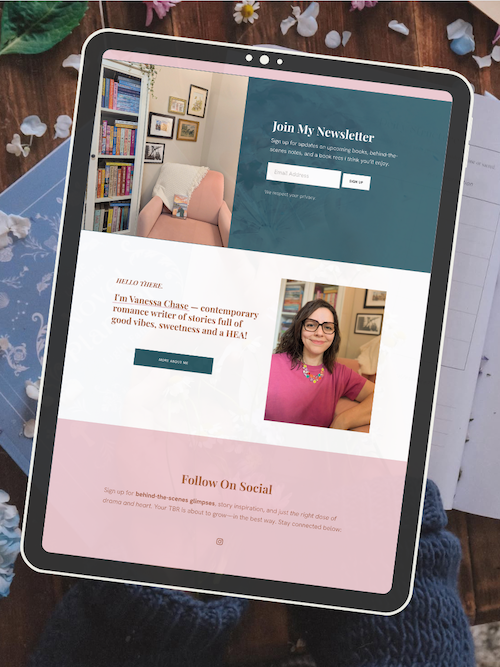
Why Author Website Design Matters
Your website is often the first impression a potential reader has of you. If it loads slowly, looks cluttered, or makes it hard to find your books, visitors will leave. A well-designed site keeps people on the page longer and makes them more likely to take action.
Good design also builds trust. When your site looks professional and functions smoothly, readers assume your books have the same level of quality. A messy or outdated website sends the opposite message, even if your writing is excellent.
Design affects discoverability too. Search engines favor websites that load fast, work well on mobile devices, and offer a good user experience. A clean, organized site structure helps both readers and search engines understand what you offer and where to find it.
Core Elements Every Author Website Needs
Every great author website includes certain key pages and features. These elements create a complete experience for visitors and make it easy for them to engage with your work.
Homepage That Converts
Your homepage should answer three questions in seconds: Who are you? What do you write? What should I do next? Visitors shouldn't have to scroll endlessly or click through multiple pages to figure out if you write romance or thriller novels.
Feature your latest book prominently near the top of the page. Include a clear headline that states your genre or what makes your writing unique. Add a strong call-to-action button, like "Read Chapter One" or "Join My Newsletter."
Keep the layout simple and uncluttered. Too many competing elements confuse visitors and make them more likely to leave without taking action.
About Page That Connects
Readers want to know who you are as a person, not just as a writer. Your About page should be warm, personal, and authentic. Share your writing journey, what inspires you, and a few interesting details that help readers connect with you.
Include a professional photo of yourself. It doesn't need to be a studio headshot, but it should be clear and friendly. People trust authors they can see and relate to.
Keep the tone conversational. Write like you're talking to a friend, not submitting an academic paper. Break up text with short paragraphs to make it easy to scan.
Books Page That Sells
Your Books page is your digital bookshelf. Display each book with a clear cover image, compelling description, and obvious purchase links. Make it ridiculously easy for visitors to buy your books.
Include multiple buy buttons if your books are available on different retailers. Don't make readers hunt for Amazon, Apple Books, or other stores. List them all clearly.
Add reader reviews or endorsements when possible. Social proof helps new readers decide to take a chance on your work.
Newsletter Signup That Grows Your List
Your email list is your most valuable marketing asset. Place newsletter signup forms strategically throughout your site—in your header, footer, sidebar, and as a popup or banner.
Offer a reader magnet or lead magnet to encourage signups. This could be a free short story, the first book in a series, exclusive content, or early access to new releases. Give people a compelling reason to share their email address.
Keep the signup form simple. Only ask for essential information, usually just a first name and email address. The easier you make it, the more people will sign up.
Contact Page That's Easy to Find
Include a simple Contact page with a form or email address. Readers, media contacts, event coordinators, and other authors should be able to reach you easily.
Don't hide this page. Link to it clearly in your main navigation. You never know when an opportunity might come through your contact form.
Consider adding links to your social media profiles here too. Give people multiple ways to connect with you.
Design Principles That Make Websites Work
Following a few basic design principles will make your author website more effective and professional-looking, even if you have zero design experience.
Visual Hierarchy and Layout
Visual hierarchy means organizing your page so the most important elements stand out first. Use size, color, and placement to guide visitors' eyes to what matters most.
Your book covers, headlines, and call-to-action buttons should be larger and more prominent than secondary information. Use whitespace—empty space around elements—to give important content room to breathe and stand out.
Create clear sections on each page. Group related information together and separate different topics with spacing or visual dividers.
Color Scheme and Branding
Stick to a limited color palette—usually three to five colors maximum. Choose colors that reflect your genre and author brand. Romance authors often use soft pinks and purples, while thriller writers might choose darker, edgier tones.
Use your colors consistently across your entire site. Your main brand color should appear in headers, buttons, and links. Supporting colors can accent sections or highlight special elements.
Make sure there's enough contrast between your text and background. Light text on a dark background or dark text on a light background both work, but low contrast makes reading difficult and looks unprofessional.
Typography and Readability
Choose two fonts maximum—one for headlines and one for body text. Too many different fonts make your site look chaotic and amateurish.
Make sure your body text is large enough to read easily. Aim for at least 16 pixels for paragraph text. Smaller text strains readers' eyes and increases bounce rates.
Keep line length reasonable. Text that stretches all the way across a wide screen is hard to read. Limit line width to about 60-75 characters for optimal readability.
Mobile Responsiveness
More than half of web traffic comes from mobile devices. Your site must look good and function well on phones and tablets, not just desktop computers.
Test your site on your own phone regularly. Click every button, fill out forms, and navigate between pages. If something doesn’t look good on mobile, make sure you tweak it!
Key Elements of Great Author Website Design
A strong author website design needs four core components: a clean home page that builds trust, an author bio that connects with readers, dedicated book pages that drive sales, and a newsletter signup that grows your audience.
Professional Author Home Page Essentials
Your author home page is the first thing readers see when they visit your website. It needs to make a strong impression in seconds.
Start with a clear author headshot or author photo near the top of the page. This helps readers connect with you as a real person. Your image should look professional but still feel like you.
Add a headline that tells visitors exactly what you write. Don't make people guess your genre or audience. "I write cozy mysteries set in small-town Maine" works better than "I'm a storyteller."
Include visible social media links so readers can follow you on their favorite platforms. Keep these links above the fold or in your header navigation.
Your home page needs intuitive navigation that guides visitors to your books, about page, and newsletter signup. Use simple menu labels like "Books," "About," and "Newsletter" instead of creative but confusing names.
Mobile responsiveness matters more than ever since most readers browse on phones. Test your author home page on different devices to make sure everything loads correctly and looks clean.
Fast load times keep readers on your site. Compress your images and avoid adding too many widgets or scripts that slow things down.
Optimized Author Bio and About Page
Your author bio page tells readers who you are and why they should care about your books. This is where you build your author brand and create connection.
Write your bio in a warm, conversational tone that matches your book's voice. Include relevant details about your writing background, publishing credits, and what inspires your work.
Break your bio into short paragraphs with varied sentence lengths. Don't write one massive block of text. Add subheadings if you have a longer story to tell.
Include a professional author photo that's larger and more personal than your home page headshot. This is the place to show personality.
Add credibility markers like awards, publications, speaking engagements, or media mentions. If you have a media kit, link to it from your about page.
End with a call to action that guides readers to sign up for your newsletter or check out your books. Don't just leave them hanging after they read your story.
Consider adding upcoming events or a short list of fun facts that make you memorable. These personal touches help readers feel like they know you.
Showcasing Your Book Pages for Maximum Impact
Your books page is where browsers become buyers. Each book deserves its own dedicated page with all the information readers need to make a purchase decision.
Essential Elements for Each Book Page:
High-quality book cover image
Compelling book description or blurb
Buy links to multiple retailers
Reader reviews or testimonials
Book details (genre, page count, publication date)
Create a main books page that showcases all your titles with cover images and short descriptions. Link each book to its own detailed page where you can go deeper.
Use consistent branding across all your book pages. Keep the same layout, colors, and styling so readers get a cohesive experience as they browse your catalog.
Add email sign-up opportunities on book pages. Offer a free chapter or bonus content in exchange for joining your mailing list.
Include social proof like starred reviews, bestseller status, or award badges. These trust signals help convince readers to buy.
Make your buy buttons or links obvious. Use bold text or buttons that stand out from the rest of your page design.
Update your book pages regularly with new reviews, sales announcements, or upcoming releases. Fresh content keeps readers engaged and improves your site's performance.
Building a Powerful Newsletter Signup and Mailing List
Your mailing list is your most valuable book marketing asset. Every professional author website needs multiple places for readers to join your newsletter.
Place an email signup form on your home page, preferably above the fold. This is your highest-traffic page, so don't waste that opportunity.
Add newsletter signup options to your book pages, blog posts, and about page. The more touchpoints you create, the more subscribers you'll gain.
Choose a reliable mailing list integration tool that works smoothly with your author website builder. Options like MailerLite offer free tiers for growing authors.
Create a clear value proposition for your newsletter. Tell readers exactly what they'll get—new release alerts, exclusive content, free stories, or behind-the-scenes updates.
Keep your signup forms simple. Ask for just an email address and maybe a first name. Don't create friction with long forms that request too much information.
Where to Place Email Sign-Up Forms:
Header or navigation bar
Home page hero section
Sidebar on blog posts
Footer on every page
Pop-up or slide-in after 30 seconds
Dedicated landing page
Add a contact form separate from your newsletter signup. Some readers want to reach you directly without joining your list.
Test your forms regularly to make sure they're working. A broken signup form means lost subscribers and potential book sales.
Consider offering a reader magnet like a free short story or chapter to boost conversions. This gives readers an immediate reason to join your mailing list.
Connect your newsletter signup to your book marketing platform so you can send automated welcome emails and nurture sequences. This keeps new subscribers engaged right from the start.
Frequently Asked Questions
Choosing the right design features for your author website can raise questions about what works best for your goals. These answers will help you understand how to build a site that converts readers into fans, showcases your work effectively, and ranks well in search results.
What are the essential elements for a high-converting author website?
Your author website needs clear branding that tells visitors who you are at first glance. This means your name, photo, and tagline should appear prominently on your homepage.
An email signup form is critical. Place it above the fold and offer something valuable like a free chapter or exclusive content to encourage signups.
Dedicated book pages with covers, descriptions, and buy buttons make it easy for readers to purchase. Each book should have its own page with sample chapters and reader reviews.
Contact methods matter too. Include a simple contact form and links to your social media profiles so readers and industry professionals can reach you.
Mobile-friendly design is non-negotiable. Over 60% of web traffic comes from mobile devices, so your site must look good on phones and tablets.
How can authors effectively showcase their book portfolio on their website?
Create individual pages for each of your books instead of cramming everything onto one page. This gives you space to share full descriptions, excerpts, and specific calls to action.
Display high-quality book covers that are large enough to see clearly. Readers judge books by their covers, so make sure your images look sharp on all screen sizes.
Add multiple purchase links under each book. Include Amazon, Barnes & Noble, indie bookstores, and your publisher's site to give readers options.
Use reader testimonials and reviews right on your book pages. Pull quotes from verified reviews and include star ratings when available.
Consider organizing your books by series, genre, or publication date if you have multiple titles. This helps readers find what interests them most.
What are the best practices for integrating social proof into an author website?
Feature blurbs from established authors in your genre prominently on your homepage or book pages. These endorsements carry weight with readers who trust those authors.
Display media mentions and press coverage in a dedicated press section. Include logos from publications that have featured you or your work.
Showcase reader reviews from Amazon, Goodreads, and BookBub. Pull specific quotes that highlight what readers love most about your books.
Add award badges and recognition where relevant. If your book won contests or made bestseller lists, display those achievements clearly.
Include subscriber counts or community size if you have impressive numbers. "Join 10,000+ readers" signals that you're worth following.
How does one optimize an author website for mobile responsiveness?
Test your site on actual phones and tablets, not just desktop browsers with resized windows. Real devices show you how your site actually performs.
Use responsive images that scale properly without distorting. Your book covers and author photos should look crisp on all screen sizes.
Keep navigation simple with a hamburger menu that's easy to tap. Avoid tiny buttons or links that are hard to click on small screens.
Ensure text is readable without zooming. Font sizes should be at least 16px for body text on mobile devices.
Check that your email signup forms work smoothly on mobile. Forms that are hard to fill out on phones will cost you subscribers.
What strategies should authors employ to make their website SEO-friendly?
Write unique page titles and descriptions for every page on your site. Include your author name and relevant keywords like your genre or book titles.
Create individual pages for each book with detailed descriptions. Use natural language that includes keywords readers might search for.
Start a blog and update it regularly with content your readers want. Topics related to your books, writing process, or genre help you rank for relevant searches.
Use alt text on all images, especially book covers. Describe what's in the image using keywords when appropriate.
Build internal links between your pages. Link from blog posts to your books, from your about page to your mailing list, and between related content.
Make sure your site loads quickly. Compress images, use a reliable hosting platform, and minimize heavy scripts that slow down page speed.
How can authors incorporate a blog into their website to engage readers?
Choose blog topics that connect to your books and interests. Write about your writing process, themes in your work, or subjects related to your genre.
Post consistently but don't burn yourself out. One quality post per month beats sporadic posting with no schedule.
Make your posts scannable with short paragraphs, subheadings, and bullet points. Readers online skim content before deciding to read fully.
Include calls to action in every post. Invite readers to join your mailing list, check out your latest book, or leave a comment.
Share personal stories and behind-the-scenes content that readers can't find anywhere else. This builds connection and gives people a reason to visit your blog.
Use your blog to build search traffic. Research what questions your readers ask and create posts that answer them using natural keywords.
Ready to launch your author website?
Explore my Squarespace website templates designed specifically for authors — easy to customize, beautifully designed, and built to help you sell more books.

SHOP THE AUTHOR WEBSITE TEMPLATES
THE MANUSCRIPT AUTHOR WEBSITE TEMPLATE — perfect for authors launching their first professional website with a simple, polished layout
THE DEBUT AUTHOR WEBSITE TEMPLATE — designed to highlight your first book, build your email list, and grow an audience from day one
THE SERIES AUTHOR WEBSITE TEMPLATE — ideal for showcasing multiple books with clear series pages and strong reader flow
THE ONE-PAGE AUTHOR AUTHOR WEBSITE TEMPLATE — a streamlined one-page site for authors who want something beautiful, fast, and easy
THE DONE-FOR-YOU AUTHOR WEBSITE EXPERIENCE — your author website built for you so you can launch without touching design or tech
MOST POPULAR BLOG POSTS
Authors Guide to Website Design & Branding
Squarespace Email Campaigns: A Guide for Authors
How to Create an Author Website on Squarespace (Step-by-Step)

Launch Your Author Website in a Day (Without the Tech Overwhlem)
*No more starting from scratch.
A simple, done-for-you Squarespace template built specifically for authors with a WIP.