Author Website for New Authors: Essential Setup Guide to Launch Your Online Presence
Starting an author website can feel overwhelming when you're just trying to focus on writing your next book. You might wonder if you really need one, what to include, or how to make it look professional without spending weeks learning web design.
An author website gives you a home base on the internet where readers can discover your books, sign up for your newsletter, and connect with you directly—all without relying on social media algorithms or third-party platforms. It's your space to control your brand and build lasting relationships with your audience. Even if you're just starting out, having your own website makes you look more professional and helps readers find you when they search for your name or books.
The good news? You don't need to be a tech expert or hire an expensive designer to create a great author website. With the right tools and a clear plan, you can build a site that showcases your work and turns casual visitors into devoted readers.
Want a beautiful author website without spending weeks designing it from scratch? These Squarespace website templates for authors are designed to showcase your books, grow your email list, and look professional instantly.

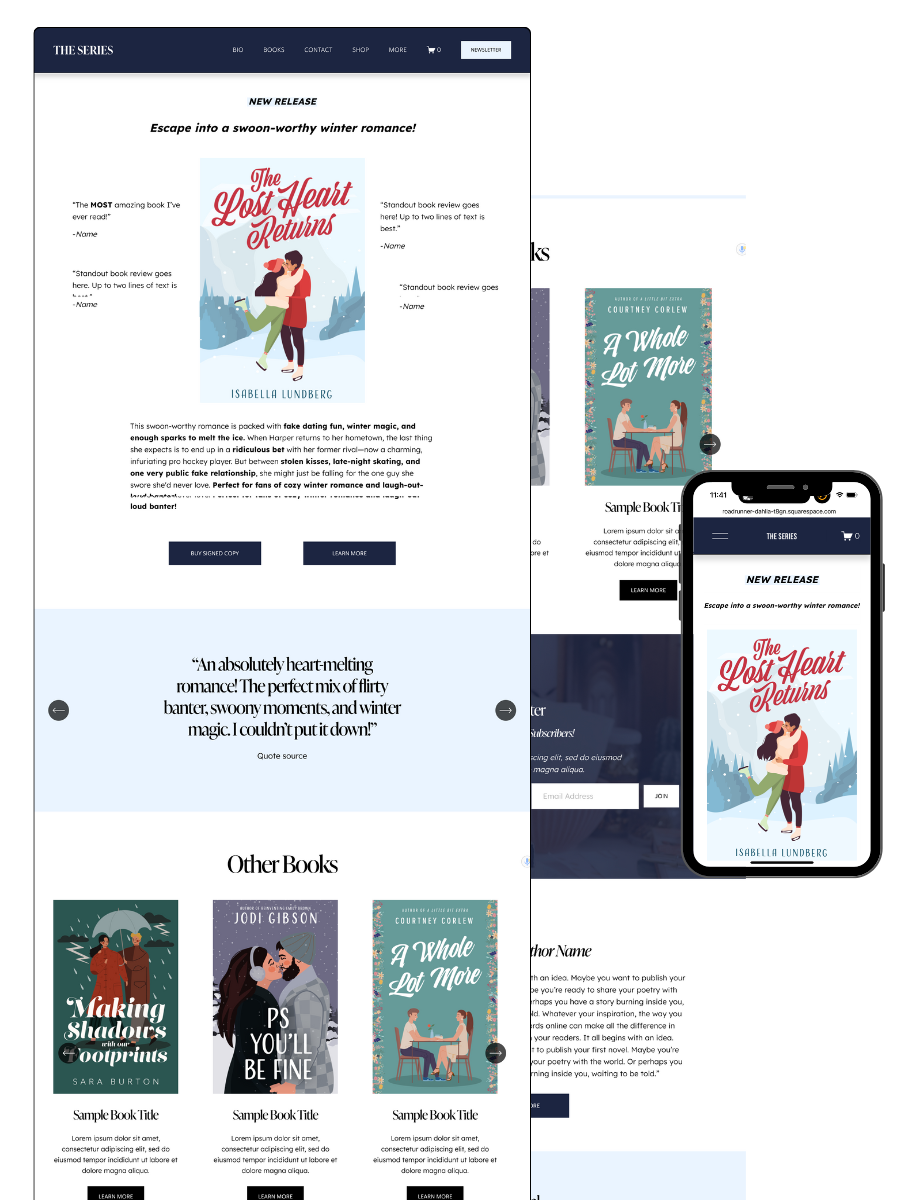
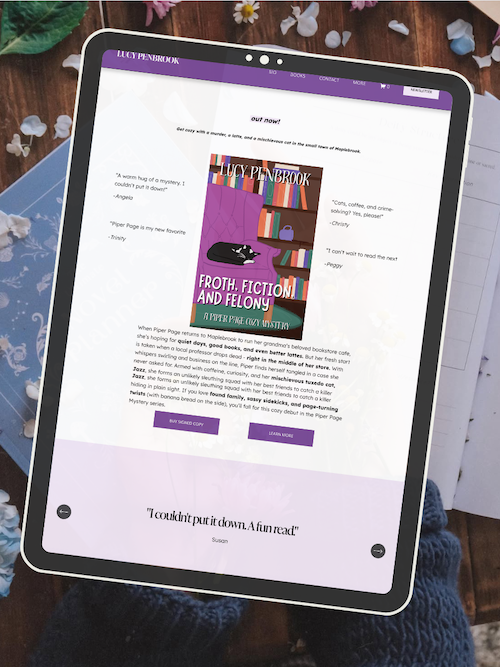
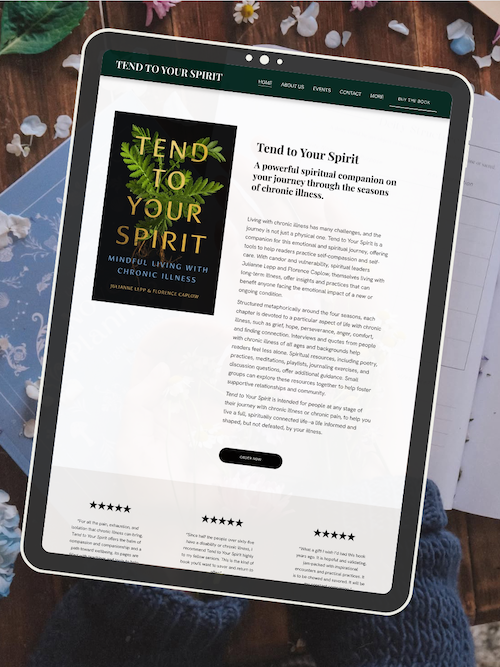
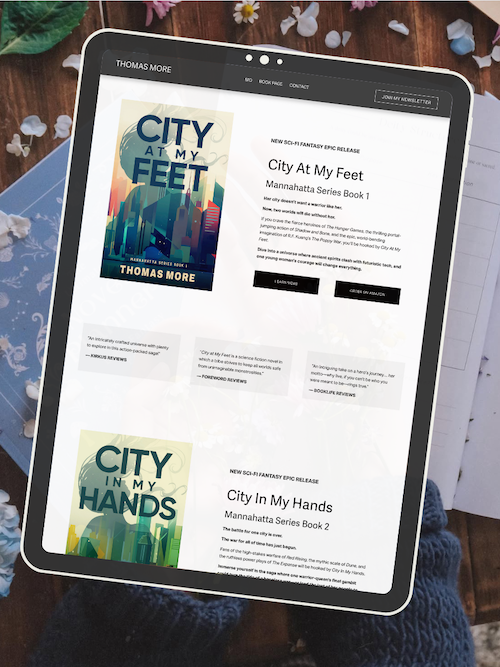
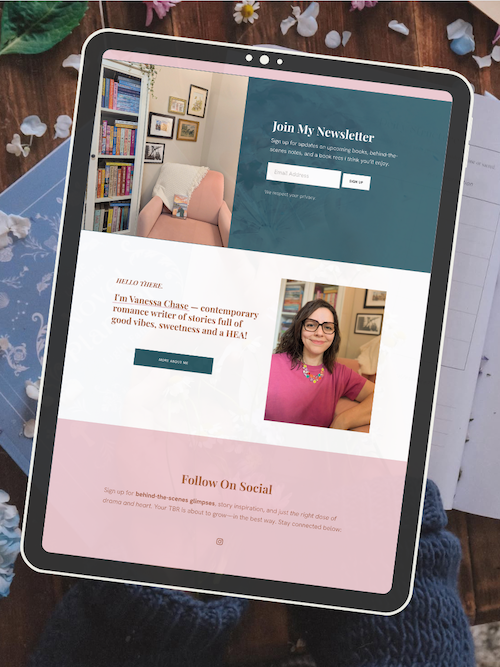
Here’s how real authors are using these Squarespace author website templates:
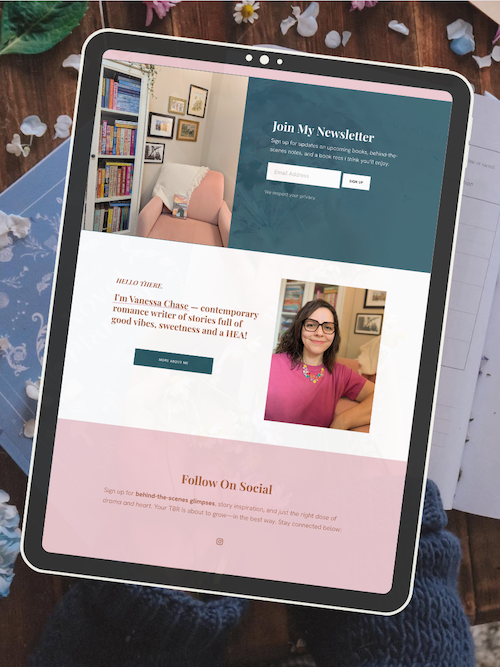
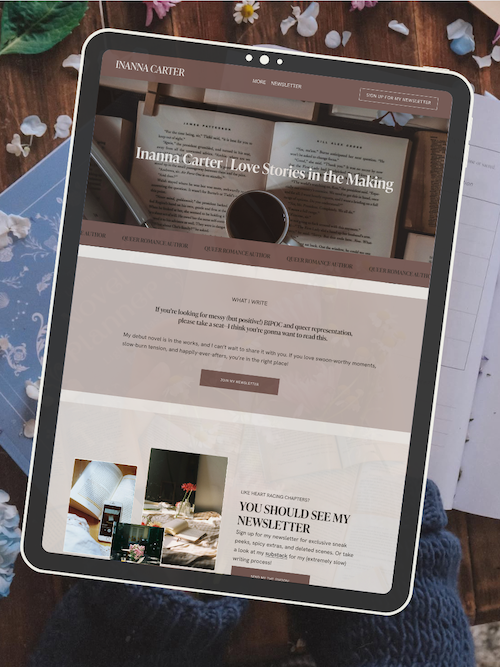
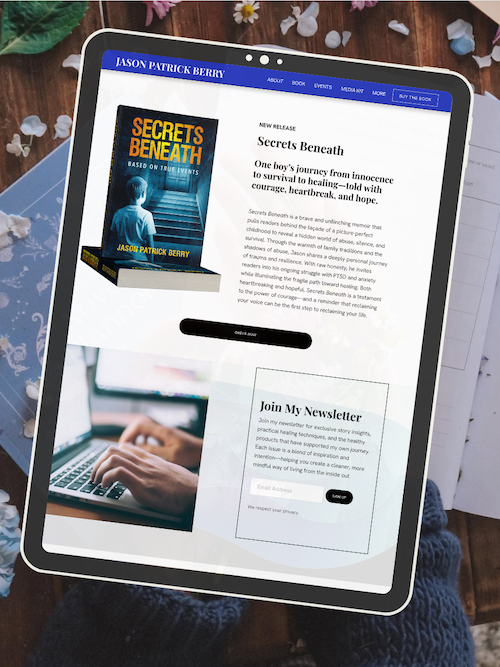
Key Takeaways
Every new author needs a website to control their online presence and connect directly with readers
Building an author website is simpler than you think with beginner-friendly platforms and templates
Your website should include key pages like an about section, book information, and an email signup form
AUTHOR WEBSITE EXAMPLES
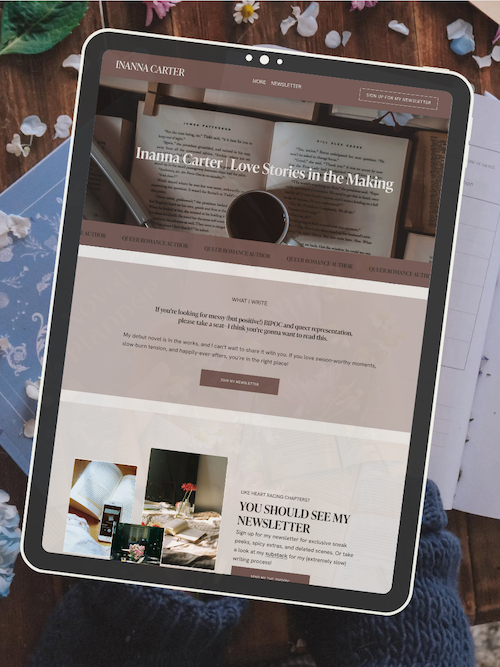
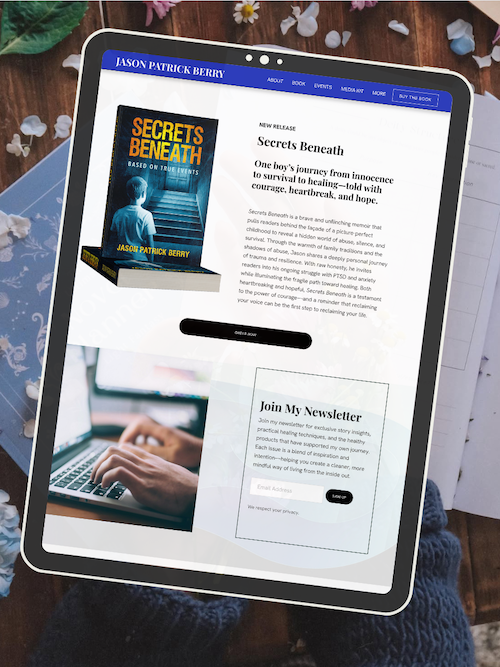
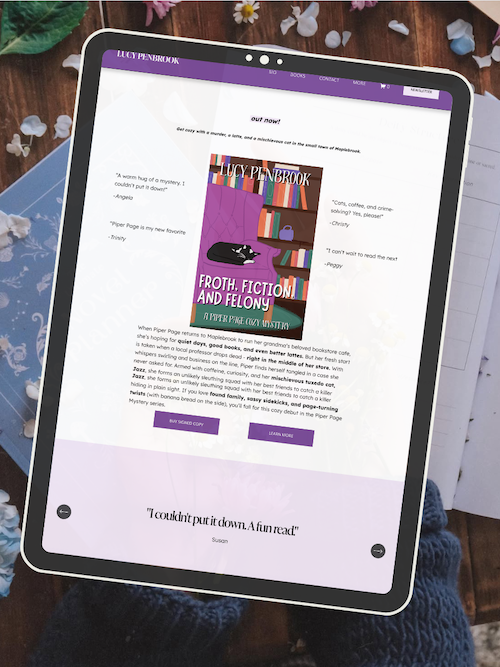
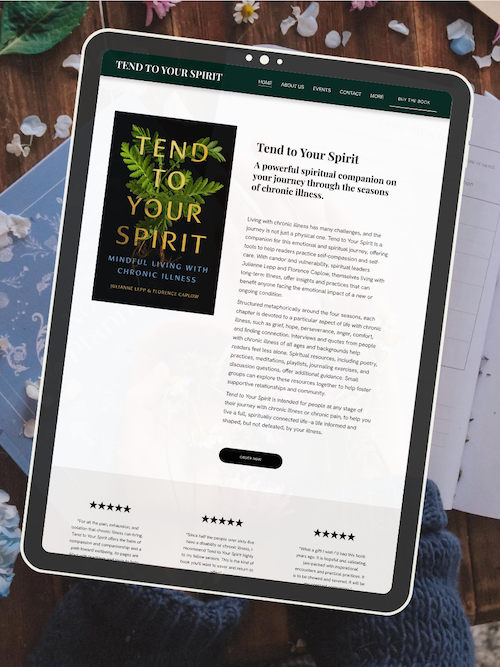
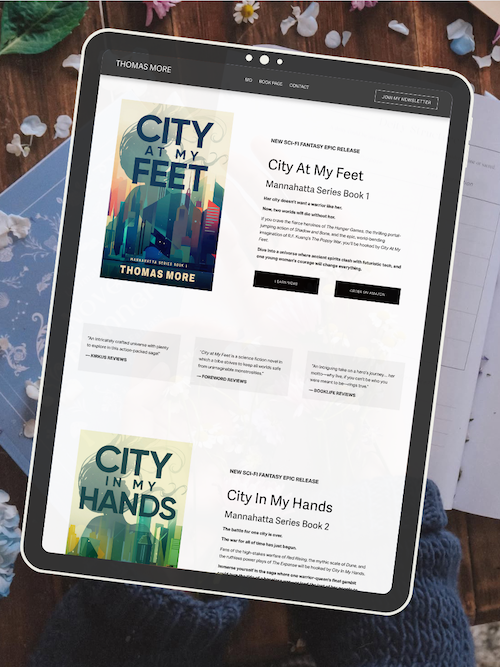
How to Create an Author Website for New Authors
Building your author website doesn't have to be complicated or expensive. The right platform, paired with essential features and smart design choices, can help you establish a professional online presence that connects with readers and supports your book marketing efforts.
Choosing the Right Website Platform
Your platform choice sets the foundation for everything else. Squarespace is one of the best options for new authors because it combines beautiful design with ease of use—no coding required.
Squarespace offers elegant templates that make your site look professional from day one. You get hosting, security, and mobile optimization built in. The drag-and-drop editor lets you customize layouts without touching code.
WordPress is another popular choice, especially if you want maximum flexibility. It's free to use (you pay for hosting), and thousands of plugins let you add features as you grow. However, it has a steeper learning curve.
Wix works well for beginners who want simplicity. Like Squarespace, it's all-in-one with hosting included. The editor is very visual and intuitive.
Budget matters too. Squarespace starts around $16/month for personal sites. WordPress hosting can cost $3-10/month initially, but premium themes and plugins add up. Wix ranges from $16-45/month depending on features.
For most new authors, Squarespace hits the sweet spot between ease and professionalism. You can launch quickly and focus on content instead of technical issues.
Essential Website Features Every New Author Needs
Your author website needs specific elements to function as an effective marketing tool. Start with these core features and build from there.
Your author bio should appear prominently, either on your homepage or a dedicated About page. Include your author photo, writing background, and what makes your work unique. Keep it conversational and approachable—readers want to connect with you as a person.
A book showcase is essential. Create individual book pages for each title with cover images, descriptions, purchase links, and book excerpts or sample chapters. Make buying easy by linking to all retailers where your books are available.
Newsletter signup is your most important conversion tool. Place an email sign-up form on every page—typically in your header, sidebar, or footer. Your mailing list is the only audience you truly own.
Include contact information or a contact form. Readers, media, and event organizers need a way to reach you. A simple form works better than listing your email publicly (to avoid spam).
Basic navigation should include: Home, About, Books, Blog (if you maintain one), and Contact. Keep it simple—visitors should find what they need in two clicks or less.
Website Design Tips for Building Your Brand
Your author website design should reflect your genre and writing style. A thriller author's site will look different from a romance writer's or children's book author's.
Choose colors and fonts that match your book covers and genre expectations. Dark, moody tones work for mystery and thriller. Bright, warm colors suit romance or uplifting fiction. Clean, simple designs fit literary fiction.
Author branding means consistency across all touchpoints. Use the same author photo, color palette, and tone across your website, social media, and book marketing materials.
Templates like Divi (for WordPress) or Squarespace's author-focused templates give you a professional starting point. Look at best author websites in your genre for inspiration, but don't copy—your brand should be uniquely yours.
Parallax scrolling and other fancy effects can look cool, but don't overdo it. Your website should load quickly and work perfectly on mobile devices. Most readers will visit from their phones.
White space is your friend. Don't cram everything onto one page. Let your content breathe with clear sections and spacing.
Professional author websites prioritize readability. Use legible fonts at appropriate sizes (at least 16px for body text). Ensure good contrast between text and background.
Showcasing Your Books and Writing Portfolio
Your books deserve dedicated space that makes them shine and drives sales. Each book should have its own page with complete information.
Create individual book pages that include:
High-quality cover image
Compelling book description
Purchase links to all retailers (Amazon, Barnes & Noble, independent bookstores, etc.)
Book excerpts or sample chapters as downloadable PDFs
Book trailers if you have them
Reader reviews or endorsements
Awards or recognitions
Use call-to-action buttons that stand out. "Buy Now," "Read Sample," or "Add to Goodreads" buttons should be prominent and easy to click.
For movie adaptations or other media rights deals, create a separate section highlighting this exciting news. It's powerful social proof.
If you write in multiple genres or have a large backlist, organize books by series or category. Make navigation intuitive so readers can find what interests them.
Your writing portfolio should also showcase any published short stories, essays, or articles. Link to these pieces or create a dedicated Publications page.
Update your book pages regularly with new reviews, awards, or sales milestones. Fresh content keeps readers engaged and improves search visibility.
Connecting With Readers: Email, Blog & Social Features
Building direct connections with readers turns casual visitors into loyal fans. Your website should facilitate these relationships.
Email sign-up and newsletter opt-in forms are your highest priority. Offer something valuable in exchange for email addresses—a free short story, exclusive chapter, or early access to new releases.
Mailing list integration should be seamless. Connect your website to email platforms like Mailchimp, ConvertKit, or Squarespace Email Campaigns. These tools manage subscribers and let you send professional newsletters.
Place newsletter signup forms strategically:
Exit-intent popups
Homepage banner or hero section
Sidebar on every page
Footer across your site
Dedicated newsletter page
Your author blog keeps readers coming back. Blog about your writing process, book research, character insights, or personal stories. Post consistently—even once a month builds connection.
Link your social media accounts, but don't rely on them exclusively. Social platforms change algorithms constantly. Your email list and website are assets you control.
Consider adding reader engagement features like:
Comments on blog posts
Reader questions/contact form
Book club discussion guides
Speaking engagements calendar
Event appearances and signings
Optimizing Your Website for Discoverability and Growth
A beautiful website means nothing if readers can't find it. Search optimization and technical setup drive organic traffic.
Start with basic SEO for every page:
Descriptive page titles with relevant keywords
Meta descriptions that entice clicks
Header tags (H1, H2, H3)
Frequently Asked Questions
New authors often have similar questions when building their first website. The answers below cover everything from must-have website elements and branding strategies to SEO tactics, audience building methods, content planning, and social media integration.
What are the essential elements to include on an author's website?
Your author website needs a clear homepage that introduces who you are and what you write. Include your name, a professional photo, and a one-sentence description of your work right at the top.
A dedicated books page is non-negotiable. List each book with its cover, description, buy links, and reviews. Make it easy for visitors to find and purchase your work.
Your about page should tell your story as a writer. Keep it personal but professional. Share what drives your writing and what readers can expect from your books.
Add a contact page so readers, media, and industry professionals can reach you. Include a simple contact form or email address.
An email signup form belongs on every page. Put it in your header, footer, or sidebar so visitors can join your mailing list no matter where they land on your site.
How can a new author effectively brand their website?
Pick two to three colors that reflect your genre and writing style. Romance authors might choose warm, romantic colors while thriller writers often use darker, moodier tones.
Your font choices matter more than you think. Choose one font for headings and another for body text. Make sure they're easy to read on all devices.
Use professional photos of yourself. A blurry phone selfie won't cut it. Invest in at least one high-quality author photo you can use across your site and social media.
Keep your design clean and simple. Too many colors, fonts, or graphics make your site look unprofessional and confuse visitors.
Your brand should match your genre. Mystery writers need different branding than children's book authors. Look at successful authors in your genre and note what works.
What strategies should an author use to optimize their website for search engines?
Write clear, descriptive page titles that include relevant keywords. Your homepage might be "Your Name - Romance Author" instead of just "Home."
Add alt text to every image on your site. Describe what's in the image using natural language. This helps search engines understand your content and makes your site accessible.
Create a blog and post regularly. Each blog post is a new page that search engines can find and rank. Write about topics your readers care about.
Use heading tags properly. Your page title should be an H1, main sections should be H2s, and subsections should be H3s.
Get other websites to link to yours. Guest post on writing blogs, participate in author interviews, and connect with book reviewers. Each quality backlink tells search engines your site matters.
Make sure your site loads fast. Compress your images before uploading them. Large files slow down your site and hurt your search rankings.
How can authors use their website to build and engage with their audience?
Your email list is your most valuable asset. Offer something free in exchange for email signups—a short story, the first chapter of your book, or exclusive content.
Create a reader group or forum on your site. Give fans a place to discuss your books, share fan theories, and connect with each other.
Respond to comments on your blog posts. When readers take time to comment, reply thoughtfully. This builds loyalty and encourages more engagement.
Share behind-the-scenes content about your writing process. Readers love knowing how books come together. Post photos of your workspace, share writing playlists, or discuss research trips.
Host giveaways and contests. Give away signed books, character swag, or exclusive content. Make entering easy and promote it across all your channels.
Ask readers what they want. Create polls about future books, character names, or cover designs. People engage more when they feel heard.
What types of content should be regularly updated on an author's website?
Blog posts should go up at least once a month. Write about your writing process, industry insights, or topics related to your books. Consistency matters more than frequency.
Update your books page whenever you release new work. Add pre-order links as soon as they're available. Remove old buy links if retailers stop carrying your books.
Post news and announcements on your homepage. Upcoming releases, book signings, awards, and media appearances all belong there. Keep this section current.
Refresh your events calendar regularly. Add speaking engagements, book tours, and virtual appearances. Remove past events to avoid confusing visitors.
Share reader reviews and testimonials. Add new positive reviews to your books page and homepage. Fresh social proof helps convert new visitors into readers.
Update your bio as your career grows. Won new awards? Published more books? Changed genres? Keep your about page current.
What are the best practices for integrating social media into an author's website?
Add social media icons to your website header or footer. Link to every platform where you're active. Make the icons visible but not distracting.
Embed your Instagram feed or Twitter timeline on your homepage. This shows visitors you're active online and gives them fresh content without you updating your site constantly.
Don't link to social platforms you don't use. Empty or abandoned accounts make you look inactive. Quality over quantity applies here.
Add social sharing buttons to your blog posts. Make it easy for readers to share your content on their own profiles.
Create graphics sized for social media when you post new blog content. Share links to your website posts across all your social channels to drive traffic back to your site.
Use consistent branding across your website and social media. Your profile photos, cover images, and color schemes should match. This builds recognition and trust.
Ready to launch your author website?
Explore my Squarespace website templates designed specifically for authors — easy to customize, beautifully designed, and built to help you sell more books.

SHOP THE AUTHOR WEBSITE TEMPLATES
THE MANUSCRIPT AUTHOR WEBSITE TEMPLATE — perfect for authors launching their first professional website with a simple, polished layout
THE DEBUT AUTHOR WEBSITE TEMPLATE — designed to highlight your first book, build your email list, and grow an audience from day one
THE SERIES AUTHOR WEBSITE TEMPLATE — ideal for showcasing multiple books with clear series pages and strong reader flow
THE ONE-PAGE AUTHOR AUTHOR WEBSITE TEMPLATE — a streamlined one-page site for authors who want something beautiful, fast, and easy
THE DONE-FOR-YOU AUTHOR WEBSITE EXPERIENCE — your author website built for you so you can launch without touching design or tech
MOST POPULAR BLOG POSTS
Authors Guide to Website Design & Branding
Squarespace Email Campaigns: A Guide for Authors
How to Create an Author Website on Squarespace (Step-by-Step)

Launch Your Author Website in a Day (Without the Tech Overwhlem)
*No more starting from scratch.
A simple, done-for-you Squarespace template built specifically for authors with a WIP.