Essential Pages Every Author Website Needs: A Complete Guide to Building Your Online Platform
Your author website is more than just a digital business card. It's where readers discover your books, connect with your story, and decide whether to hit "buy" or move on. But what pages do you actually need to make that happen?
Every successful author website should include six core pages: a homepage, about page, books page, contact page, media or press kit, and an email signup. These aren't just nice-to-haves. They're the foundation that helps readers find you, trust you, and stay connected with your work.
The good news? You don't need a complicated site to make an impact. With the right pages in place, your website becomes a simple, effective tool that works for you while you focus on writing. Let's walk through exactly what each page should include and why it matters for your author career.
Want a beautiful author website without spending weeks designing it from scratch? These Squarespace website templates for authors are designed to showcase your books, grow your email list, and look professional instantly.

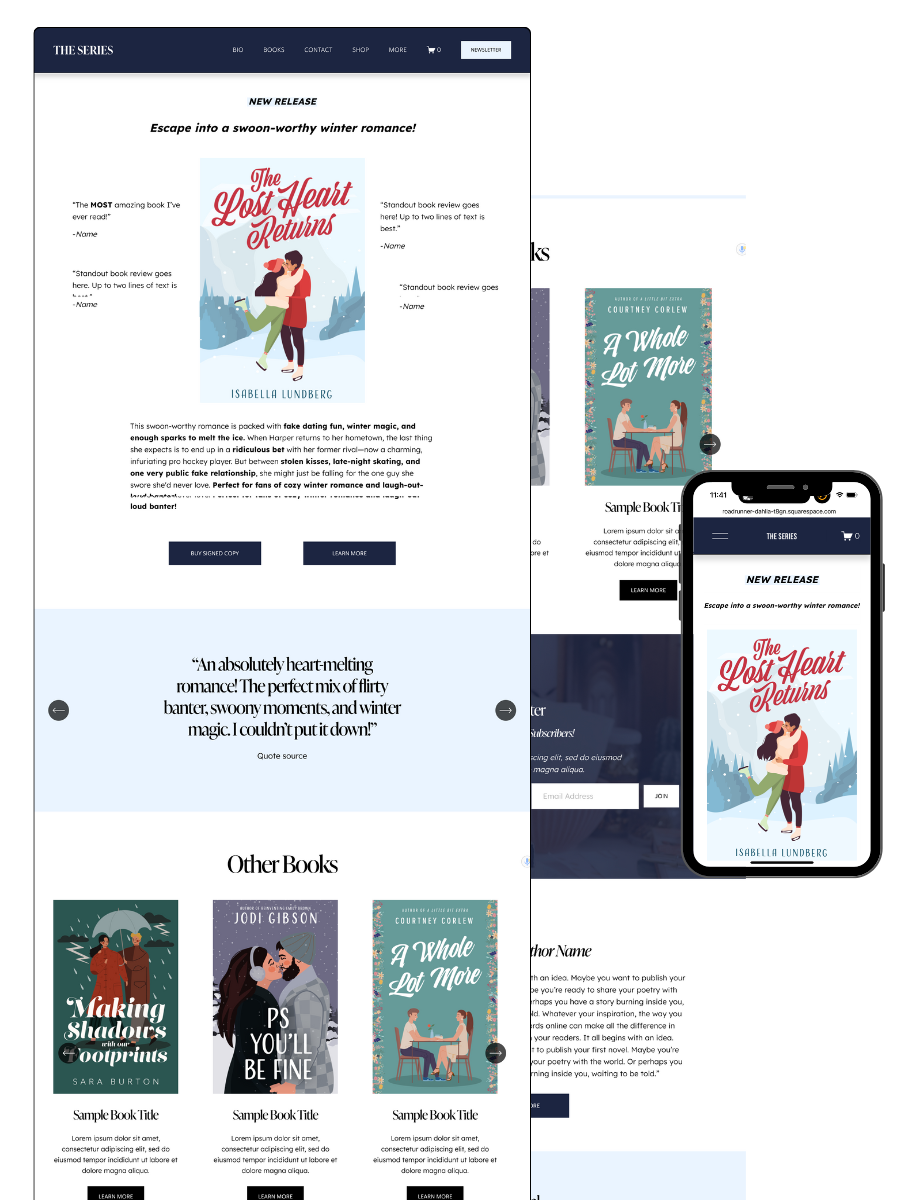
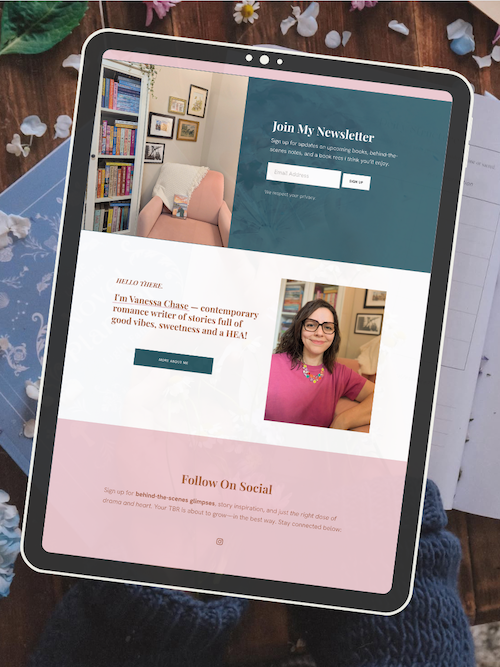
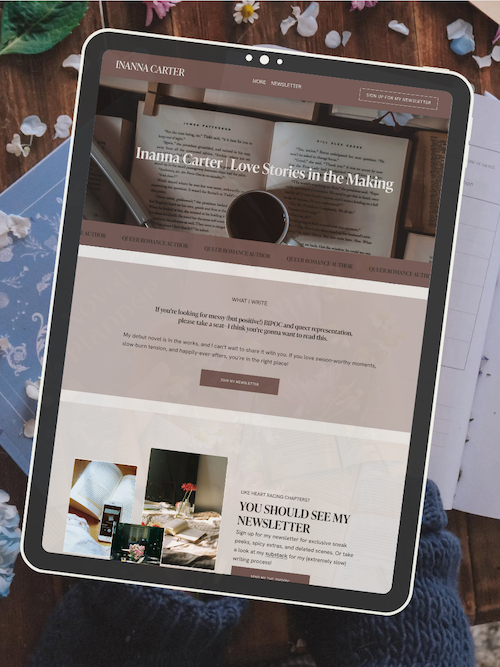
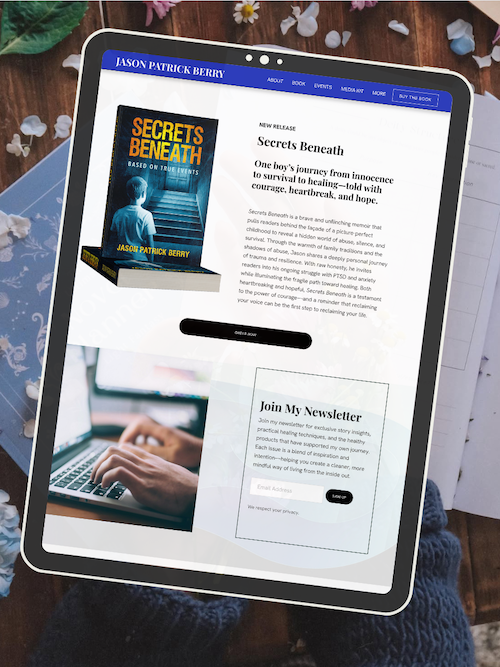
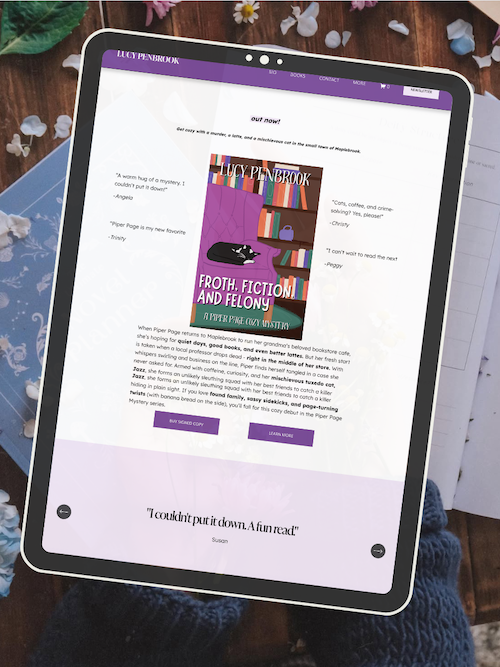
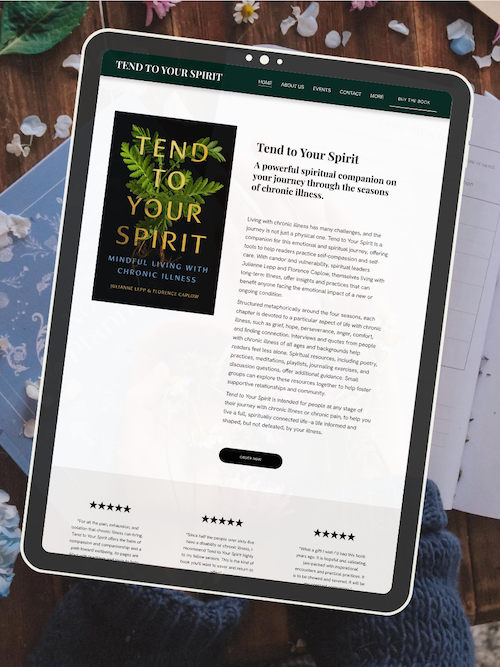
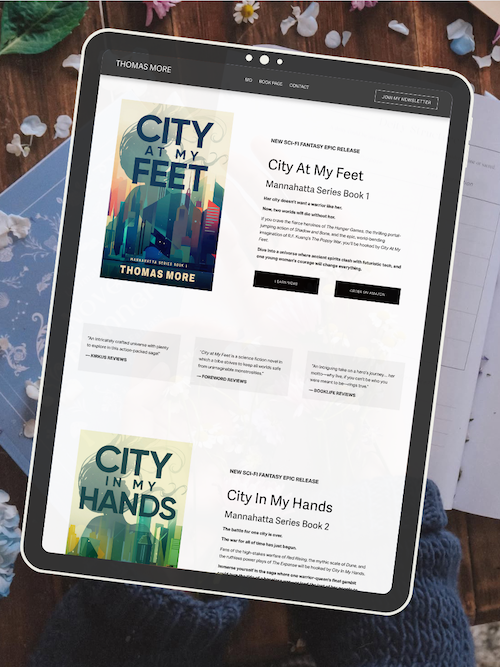
Here’s how real authors are using these Squarespace author website templates:
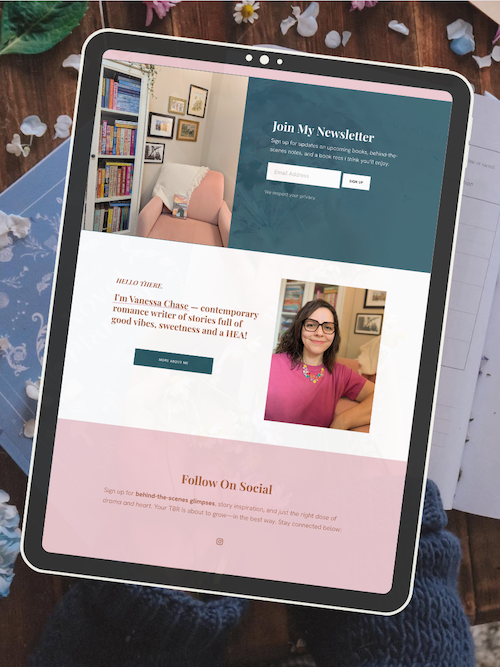
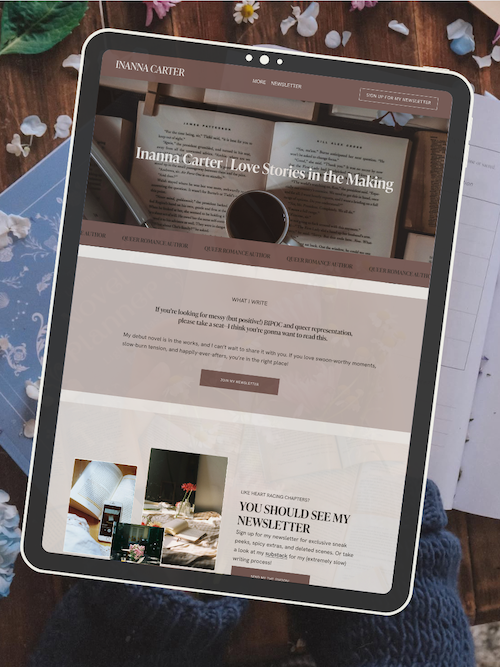
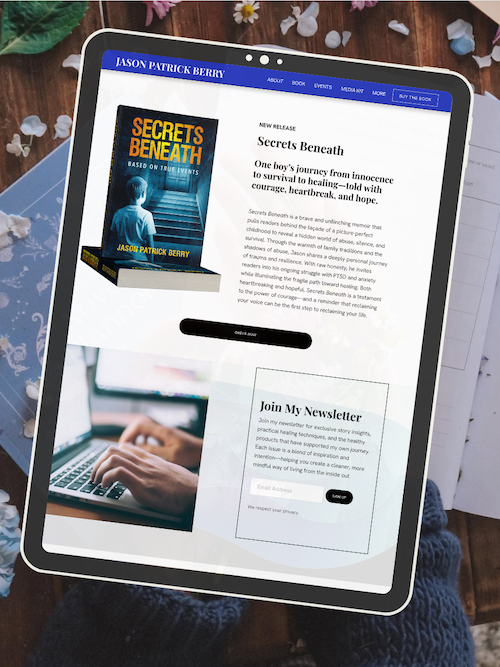
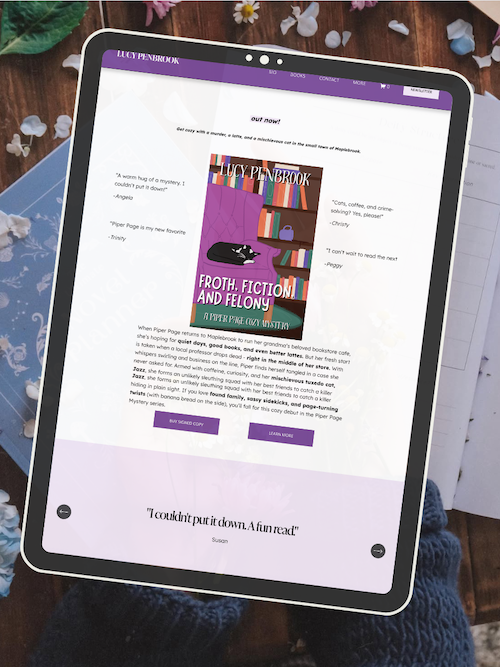
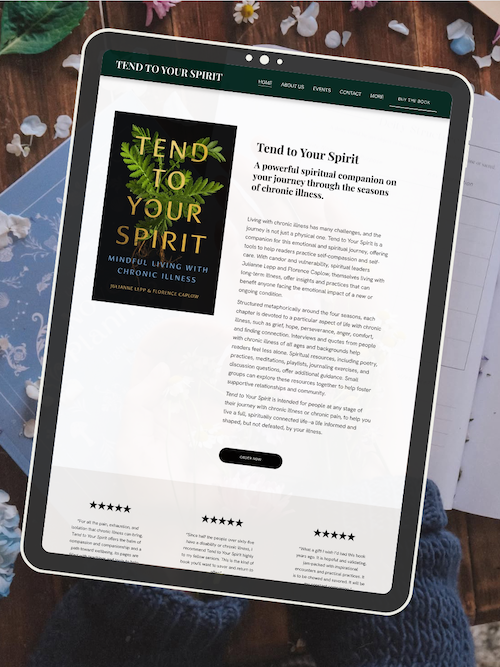
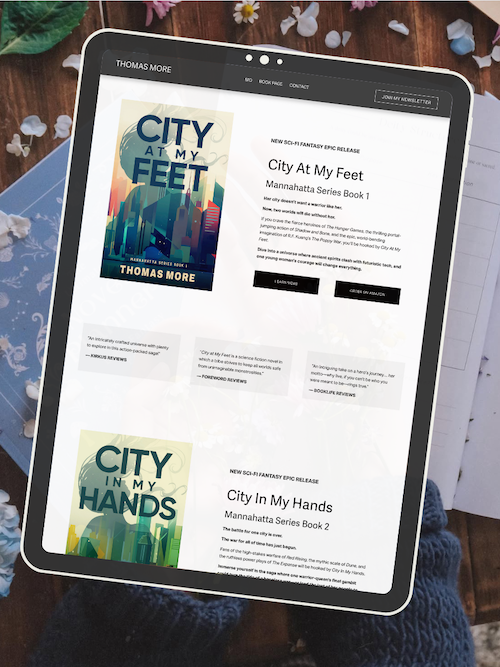
AUTHOR WEBSITE EXAMPLES
Why Your Author Website Matters
Your website is the only online space you fully control. Social media platforms can change their rules overnight. Your followers might not see your posts. But your website? That's yours.
A professional author site builds trust with readers. It makes you easier to find when someone searches your name. It gives book bloggers, podcasters, and media contacts a place to learn about you and download what they need.
Think of your website as your home base. Everything else—your social media, your newsletter, your book listings—should point back to it.
Essential Pages Every Author Website Needs
Your author website needs more than just a pretty homepage. The right combination of pages turns casual visitors into loyal readers, subscribers, and buyers.
Home Page: Your Digital First Impression
Your home page is where first impressions happen. You have about 5 seconds to convince someone to stay, so make it count.
Start with a clear headline that tells visitors who you are and what you write. No cryptic taglines or vague statements. Something like "Bestselling Mystery Author" or "Historical Romance Novelist" works better than "Wordsmith and Dreamer."
Include a professional author photo above the fold. Readers want to see the person behind the books. Your photo should look current, professional, and approachable.
Add your latest book cover prominently on the home page. This is book marketing 101. If someone lands on your site, they should immediately see what you're selling.
Include a call to action that's impossible to miss. This could be "Join My Newsletter for a Free Book" or "Pre-Order My Latest Release." Make the button stand out with contrasting colors.
Keep your home page mobile-friendly. Over 60% of web traffic comes from phones. Test your site on multiple devices to ensure everything loads quickly and looks good.
Don't forget social media links in your header or footer. Make it easy for readers to follow you wherever they hang out online.
About Page: Building a Connection
Your about page builds the connection between you and your readers. This is where personality matters more than polish.
Write your author bio in a way that feels conversational, not stuffy. Skip the third-person corporate speak unless you're aiming for a formal tone. Most readers prefer "I write cozy mysteries" over "Jane Doe writes cozy mysteries."
Share what makes you interesting beyond writing. Do you have three rescue dogs? Did you live in five countries? These details make you memorable. Keep it relevant to your author brand, but don't be afraid to show personality.
Include a professional author photo that's different from your home page if possible. Variety keeps your site visually interesting.
Consider adding a short FAQ section on your about page. Answer questions like "How did you start writing?" or "Where do you get your ideas?" This cuts down on repetitive contact form messages.
Make sure your about page includes meta descriptions for better SEO. Search engines need to know what your page is about to rank it properly.
Book Showcase: Highlighting Your Work
Dedicated book pages are non-negotiable. Each book deserves its own space with all the details a reader needs to make a purchase decision.
Create individual book pages for every title you've published. Don't just list them all on one crowded page. Each book should have its own URL, description, and purchase links.
Include high-quality book cover images. Blurry or pixelated covers look unprofessional and hurt sales. Make sure covers are optimized for web but still sharp.
Write compelling book descriptions that hook readers in the first sentence. Lead with the most exciting part of your story, not a slow wind-up about the setting.
Add multiple purchase options. Include links to Amazon, Apple Books, Kobo, Barnes & Noble, and any other retailers where your book is available. Don't make readers hunt for buying options.
Include sample chapters when possible. Let readers try before they buy. A well-placed first chapter can convert browsers into buyers.
If you write series, create a series page that shows the reading order clearly. Number your books or use a visual timeline. Confused readers don't buy.
Add reader reviews or testimonials. Social proof sells books. Pick 3-5 strong quotes that highlight what makes your book special.
Newsletter Signup & Email List Building
Your email list is the most valuable marketing asset you own. Social media platforms can disappear or change their algorithms overnight. Your email list stays with you.
Place newsletter signup forms on multiple pages. Your home page, about page, and blog should all have prominent signup options. Don't rely on a single signup page buried in your navigation.
Use a clear call to action that explains what subscribers get. "Join my newsletter" is weak. "Get a free short story plus updates on new releases" tells readers exactly what to expect.
Offer a reader magnet to boost signups. This could be a free novella, the first book in a series, exclusive short stories, or early access to cover reveals. Give people a reason to hand over their email address.
Choose an email service provider that integrates with your site. ConvertKit and Mailchimp both work with Squarespace. Pick one and stick with it.
Set up a welcome email sequence that delivers your lead magnet and introduces new subscribers to your work. Don't just add people to a list and go silent for months.
Keep your signup form simple. Name and email address are usually enough. Every extra field you add reduces conversion rates.
Blog: Engage and Grow Your Audience
An author blog helps you connect with readers between book releases and boosts your site's SEO. Search engines love fresh content.
Post writing updates that give readers a peek behind the scenes. Talk about your current work-in-progress, research trips, or character inspiration. Readers love feeling like insiders.
Share behind the scenes content about your writing process. Photos of your workspace, playlists you write to, or mood boards for your next book all work well.
Keep blog posts between 500-1,000 words unless you're writing a detailed guide. Readers have short attention spans. Make your point and move on.
Post consistently but realistically. Once a month is better than three posts in January and then nothing until July. Pick a schedule you can maintain.
Use your blog to announce book launches, cover reveals, and other big news. This gives you fresh content to share on social media and keeps your site active.
Include images in every blog post. Text-only posts are boring to look at and get skipped. Break up your writing with photos, graphics, or book covers.
Events Page: Where Readers Can Meet You
If you do book signings, speaking events, workshops, or virtual appearances, create an events page. List upcoming appearances with dates, times, locations, and registration links.
Update this page regularly. Remove past events so the page stays current. Nothing looks worse than an events page full of dates from two years ago.
Include a way for people to invite you to events if you’re open to it.
Contact Page: Make Connections Easy
Your contact page should make it simple for the right people to reach you without opening the floodgates to spam.
Add a contact form instead of listing your email address publicly. This cuts down on spam and keeps your inbox manageable. Squarespace has built-in contact forms that work well.
Include a professional email address that uses your domain name. author@yourname.com looks more professional than booklover2001@gmail.com.
Tell people what to contact you about and what not to. Be specific. "For interview requests, podcast appearances, and speaking events, use this form. For reader mail, connect with me on Instagram." This manages expectations.
Add response time expectations. If you only check messages once a week, say so. People appreciate knowing when to expect a reply.
Frequently Asked Questions
New authors often have similar questions when building their websites for the first time. The homepage, about page, and book showcase are the foundation, but you'll also need clear contact options, email signup forms, and strategic places for reviews and testimonials.
What are the must-have pages for a new author's website?
Your author website needs five core pages to get started. These pages create the foundation readers expect when they visit your site.
Start with a homepage that introduces who you are and what you write. This is your first impression, so include a professional photo, a short welcome message, and clear navigation to your other pages.
Add an about page where readers can learn your story. Share why you write, what inspires you, and any relevant background that helps readers connect with you as a person.
Create a books page that showcases your published work. Include cover images, short descriptions, and direct links to where readers can buy your books.
Set up a contact page so readers, media, and industry professionals can reach you. Include a simple contact form or email address, and consider adding links to your social media profiles.
Finally, add a mailing list signup page or form. This is how you'll build your reader community and stay connected with fans between book releases.
How can an author integrate a blog into their website effectively?
A blog gives readers fresh reasons to visit your site and helps search engines find you. The key is to keep it simple and focused on topics your readers actually care about.
Choose a blogging schedule you can stick to. Posting once or twice a month is better than posting weekly for two months and then going silent for a year.
Write about topics related to your books and writing life. Share behind-the-scenes looks at your writing process, discuss themes from your books, or talk about research you've done. You can also write about books you're reading or interview other authors in your genre.
Make your blog easy to navigate by organizing posts into categories. This helps readers find content they're interested in without scrolling through everything you've ever written.
Add a blog subscription option so readers can get new posts delivered to their inbox. This keeps them engaged with your content even when you're between book releases.
Place links to your books naturally within blog posts when relevant. If you're writing about research for your historical novel, mention the book and include a link where readers can purchase it.
What elements are essential for an effective author 'About Me' page?
Your about page needs to feel personal without oversharing. Readers want to know who you are, but they're mainly interested in you as an author.
Start with a professional photo that shows your face clearly. Readers like to see the person behind the books they're reading. The photo doesn't need to be fancy, but it should be well-lit and friendly.
Write your bio in a warm, conversational tone. Skip the formal third-person voice unless your genre demands it. Tell readers what you write, why you write it, and what makes your stories unique.
Include your writing credentials and accomplishments. Mention published books, awards, writing organizations you belong to, and any relevant professional background. Don't worry if you're just starting out—focus on what drew you to writing instead.
Add personal details that help readers connect with you. Share a few interests outside of writing, where you live, or fun facts that make you memorable. Keep it short—three to five personal details is plenty.
End with a call to action. Invite readers to sign up for your newsletter, follow you on social media, or check out your books.
How should an author set up a book sales page on their website?
Your book sales page should make buying as easy as possible. Create a dedicated page for each book, or showcase all your books on one page if you only have a few titles.
Display high-quality cover images that are large enough to see details clearly. Readers judge books by their covers, so make sure yours looks professional and appealing.
Write a compelling book description that hooks readers in the first sentence. Include the genre, a brief plot summary, and what makes your book stand out. Keep it to two or three short paragraphs.
Add multiple purchase links so readers can buy from their preferred retailer. Include Amazon, Barnes & Noble, Apple Books, Kobo, and your publisher's website. If you have signed copies available, make that option prominent.
Include an excerpt or sample chapter if possible. Let readers preview your writing style before they commit to buying. A chapter or two is perfect.
Display reviews and ratings from major retailers or publications. Social proof helps undecided readers feel confident about purchasing. Just two or three strong reviews make a difference.
Add your book's details like page count, publication date, ISBN, and available formats. Some readers care about these specifics before buying.
What is the best way to showcase testimonials and reviews on an author's website?
Reviews and testimonials build trust with new readers. Place them strategically throughout your site where they'll have the most impact.
Feature your strongest reviews on your homepage. Pick two or three powerful quotes that capture what readers love about your books. Keep these visible without cluttering your main page.
Create a dedicated reviews page if you have many testimonials. Organize them by book title so readers can find feedback on specific titles they're interested in.
Pull quotes from professional reviews, book bloggers, and reader reviews. Mix industry recognition with reader reactions to show both critical acclaim and reader enjoyment.
Include the reviewer's name and where the review appeared. Attribution adds credibility. If the reviewer is well-known in your genre, that's even better.
Add review excerpts to your individual book pages. Place them near the purchase buttons so readers see positive feedback right before they decide to buy.
Use actual quotes instead of summarizing what people said. Real words from real readers sound more authentic than your paraphrasing.
Keep reviews updated with your most recent feedback. Old reviews from years ago suggest you haven't published anything lately.
Can you recommend strategies for building a mailing list through an author website?
Your email list is your most valuable marketing tool because you own it. Social media platforms change their rules, but your mailing list stays yours.
Place signup forms in multiple locations on your site. Add one to your homepage, another in your website footer, and consider a pop-up that appears after visitors have spent time on your site.
Offer a reader magnet in exchange for email addresses. This could be a free short story, the first book in your series, exclusive bonus content, or early access to cover reveals and excerpts.
Keep your signup form simple. Only ask for an email address and maybe a first name. The more fields you require, the fewer people will sign up.
Tell visitors exactly what they'll get when they subscribe. Be specific about how often you'll email and what kind of content you'll send. Nobody wants surprise daily emails when they expected monthly updates.
Add signup opportunities to your blog posts. Include
Ready to launch your author website?
Explore my Squarespace website templates designed specifically for authors — easy to customize, beautifully designed, and built to help you sell more books.

SHOP THE AUTHOR WEBSITE TEMPLATES
THE MANUSCRIPT AUTHOR WEBSITE TEMPLATE — perfect for authors launching their first professional website with a simple, polished layout
THE DEBUT AUTHOR WEBSITE TEMPLATE — designed to highlight your first book, build your email list, and grow an audience from day one
THE SERIES AUTHOR WEBSITE TEMPLATE — ideal for showcasing multiple books with clear series pages and strong reader flow
THE ONE-PAGE AUTHOR AUTHOR WEBSITE TEMPLATE — a streamlined one-page site for authors who want something beautiful, fast, and easy
THE DONE-FOR-YOU AUTHOR WEBSITE EXPERIENCE — your author website built for you so you can launch without touching design or tech
MOST POPULAR BLOG POSTS
Authors Guide to Website Design & Branding
Squarespace Email Campaigns: A Guide for Authors
How to Create an Author Website on Squarespace (Step-by-Step)

Launch Your Author Website in a Day (Without the Tech Overwhlem)
*No more starting from scratch.
A simple, done-for-you Squarespace template built specifically for authors with a WIP.