How Authors Use Websites to Sell More Books: A Complete Guide to Turning Your Author Site Into a Sales Machine
Most authors know they need a website, but many don't realize their site can be one of their strongest tools for actually selling books. Your author website is more than just an online business card. It's a place where readers can discover your work, connect with your story, and buy your books directly without competing with algorithms or paid ads.
When you build a website that's designed to convert visitors into readers, you create a sales channel you fully control. Unlike social media platforms that change their rules overnight, your website belongs to you. You can use it to capture email subscribers, sell books directly, showcase your brand, and build a loyal audience that comes back for every release.
The best part? You don't need to be a tech expert or hire an expensive designer to make it happen. With the right approach and tools, you can create a simple, professional author website that turns browsers into buyers and helps you earn more from your writing.
Key Takeaways
Your author website gives you full control over how you connect with readers and sell books
A well-designed site helps you build an email list and create direct relationships with your audience
You can start selling more books without relying on social media or complex marketing strategies
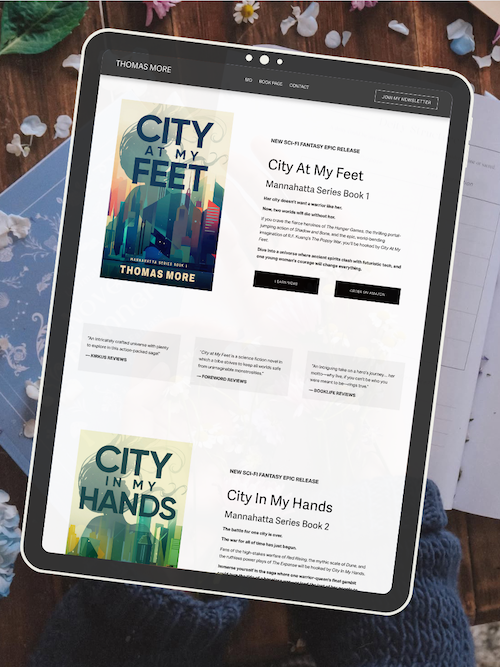
Want a beautiful author website without spending weeks designing it from scratch? These Squarespace website templates for authors are designed to showcase your books, grow your email list, and look professional instantly.

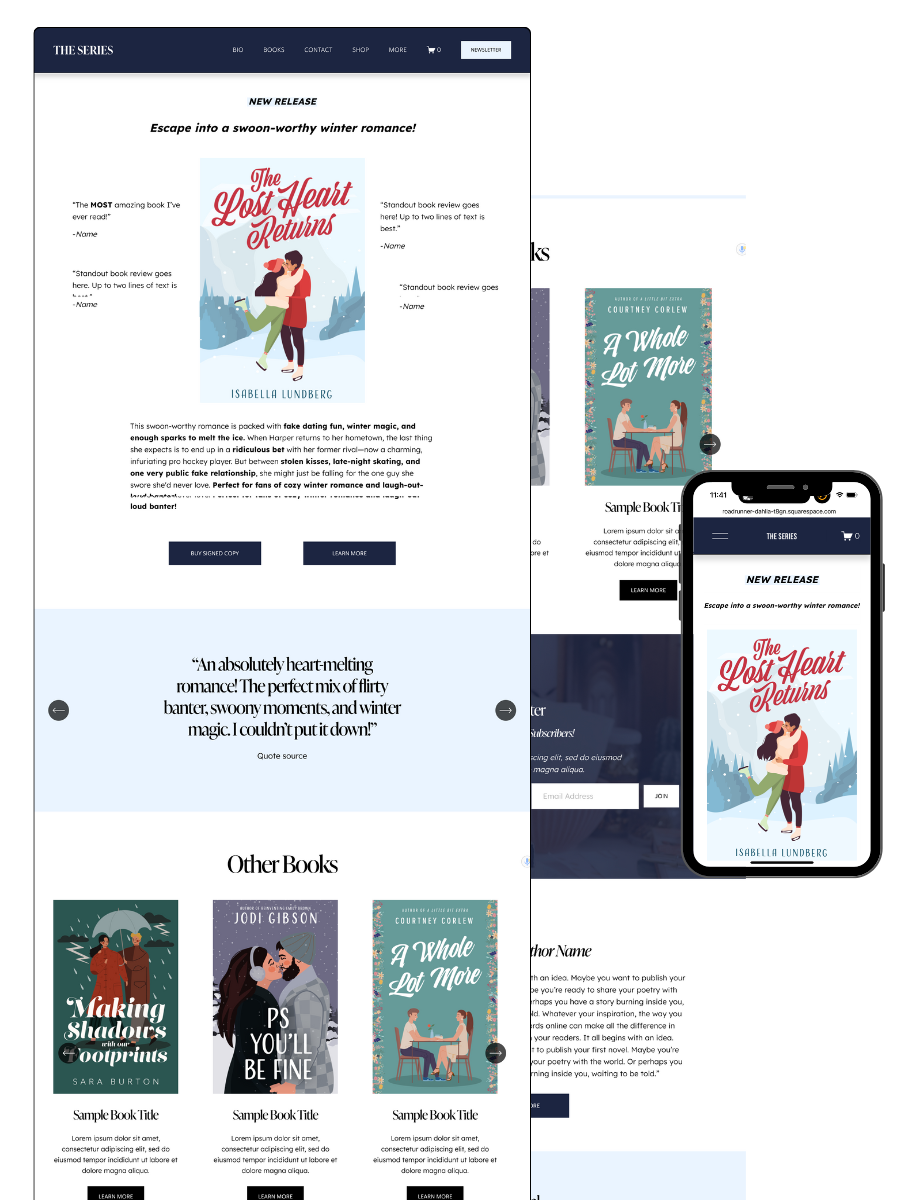
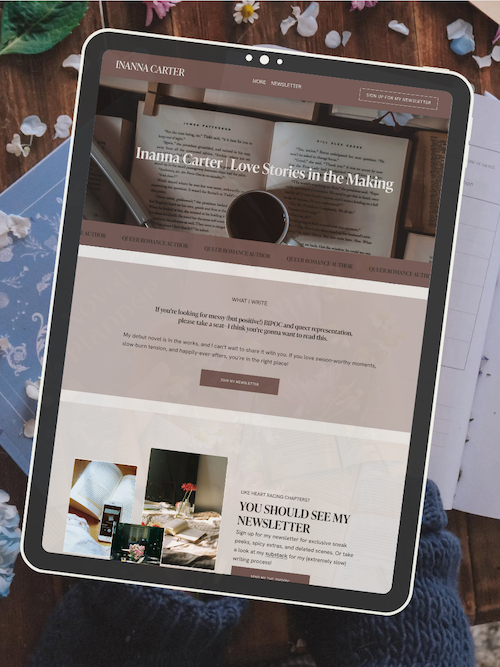
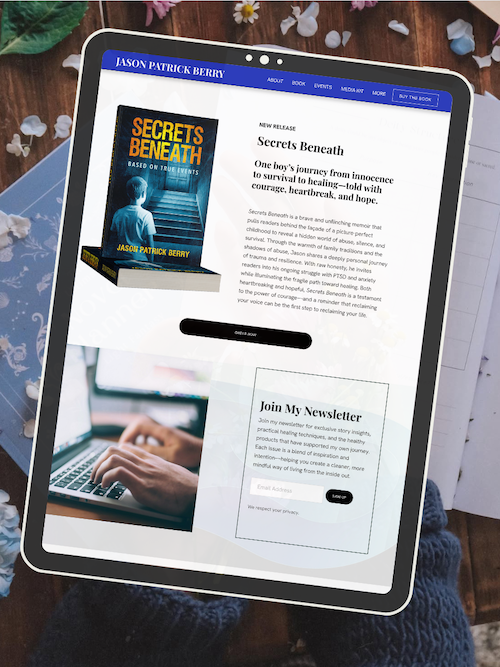
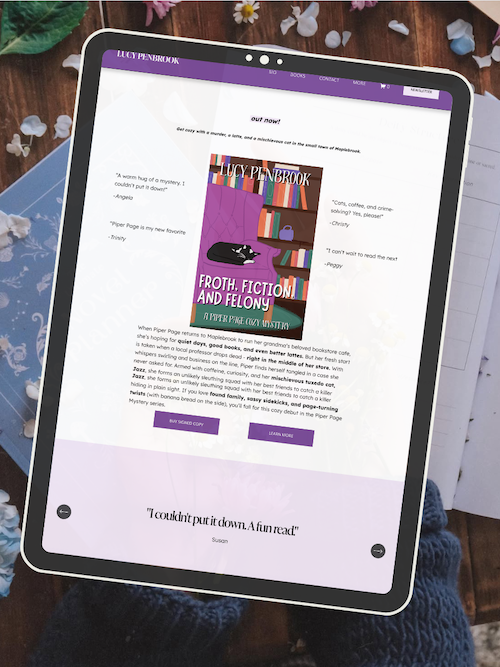
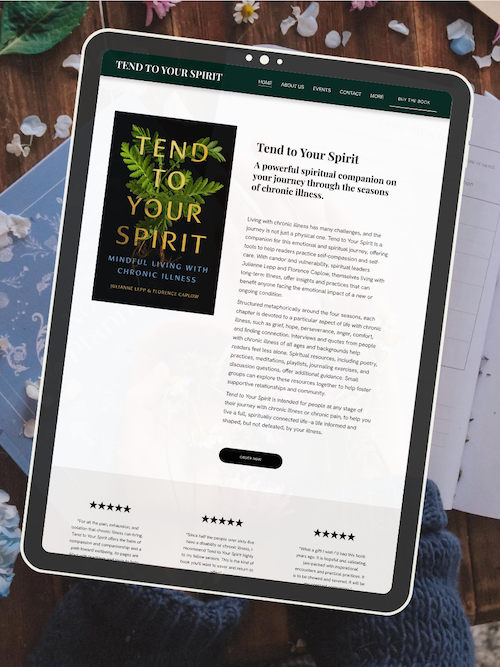
Here’s how real authors are using these Squarespace author website templates:
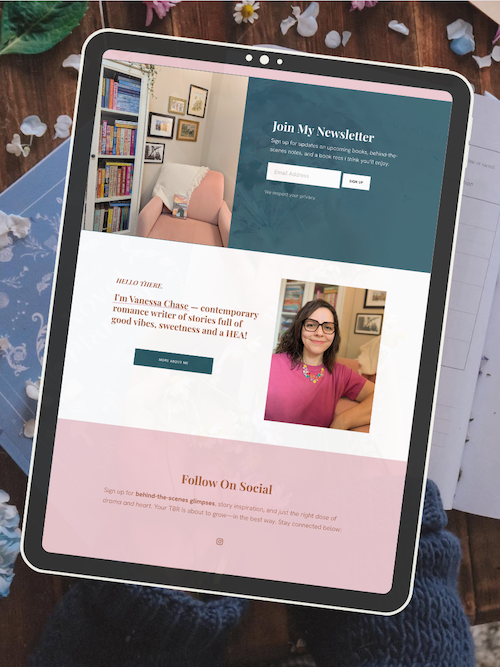
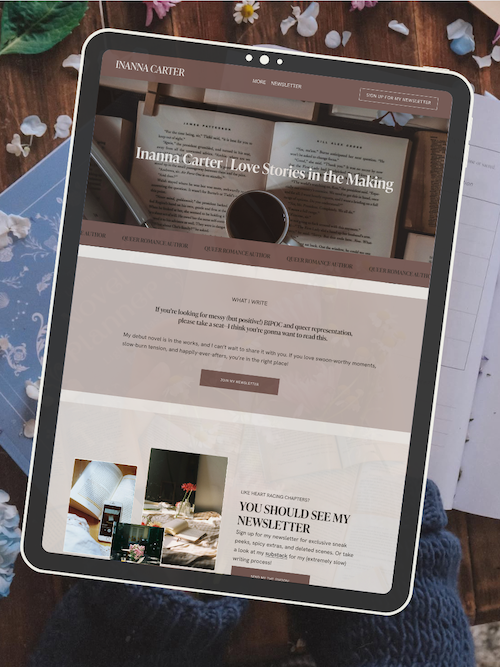
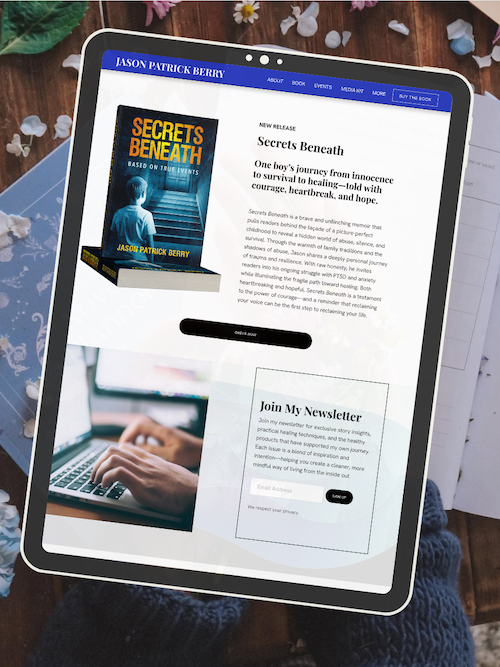
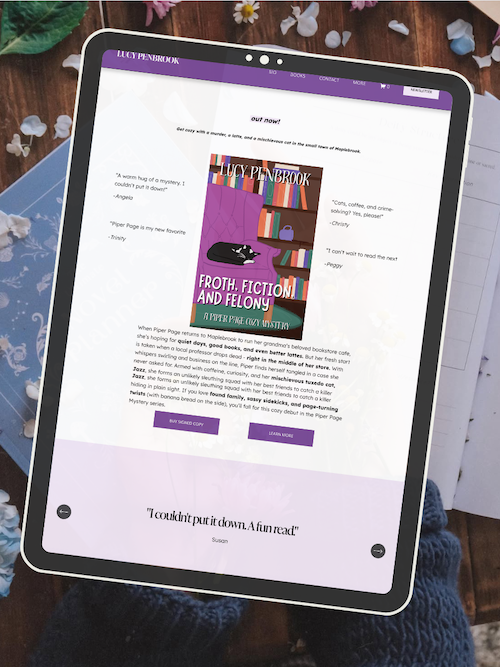
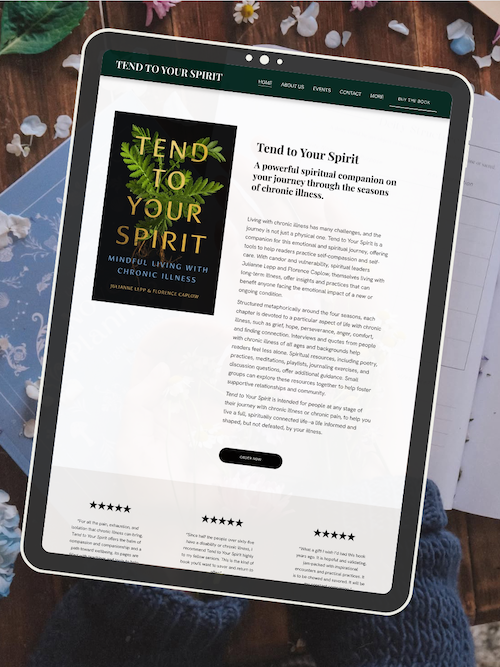
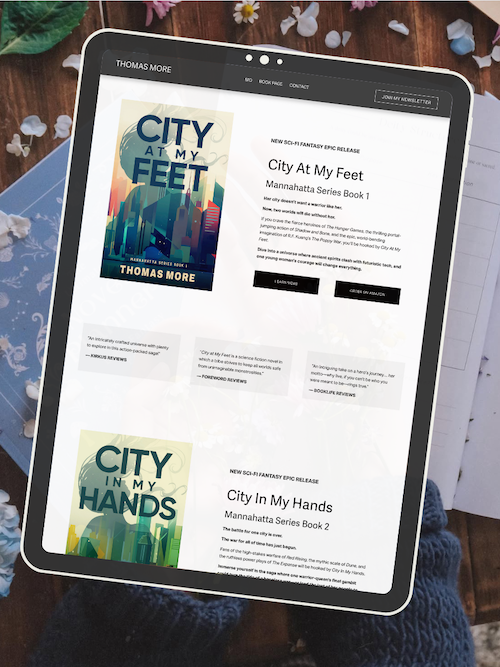
AUTHOR WEBSITE EXAMPLES
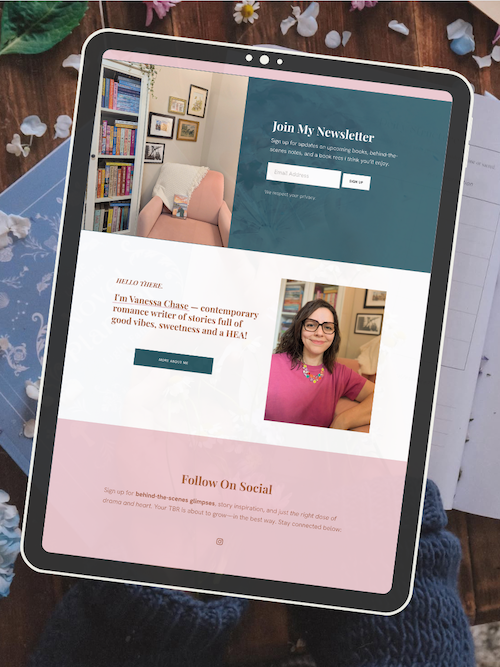
Create a High-Converting Author Website to Sell More Books
A high-converting author website turns visitors into readers and buyers through strategic design choices and proven marketing tools. The right platform, compelling book displays, and smart email capture systems work together to build your audience and increase sales.
Choose the Right Website Platform for Authors
Your platform choice affects everything from design flexibility to email marketing integration. Squarespace stands out as a top choice for authors because it combines beautiful templates with built-in marketing tools and doesn't require coding knowledge.
WordPress offers more customization options but demands more technical skill and ongoing maintenance. You'll need to manage plugins, security updates, and hosting separately. For most authors, this creates unnecessary complexity.
Wix and Weebly provide simpler alternatives, but they lack the professional polish and marketing features that Squarespace delivers. If you plan to sell books directly or build an email list, you need a platform that handles these functions smoothly.
Look for these core features in any platform:
Easy email capture with built-in signup forms
Direct sales capabilities for ebooks and print books
Mobile-responsive design that looks good on all devices
SEO tools to help readers find you through search engines
Your website should work as hard as you do. Choose a platform that grows with you and supports both your current needs and future goals.
Showcase Books with Professionally Designed Covers and Descriptions
Your book covers are the first thing visitors notice. Display them prominently with high-resolution images that look sharp on any screen size. Create a dedicated page for each book rather than cramping everything onto one page.
Each book page needs five essential elements. A clear cover image, a compelling book description, purchase links, reader reviews, and an excerpt or sample chapter. These elements work together to convince visitors to buy.
Your book description should hook readers in the first sentence. Focus on the story or value your book delivers, not just a summary. Answer the question: "Why should I read this book right now?"
Book Page Checklist:
Cover image at least 1600px wide
150-250 word description with emotional hooks
Multiple purchase options (ebook, print, audiobook)
3-5 reader reviews or endorsements
First chapter excerpt or "Look Inside" feature
Use Canva to create matching graphics for series books or box sets. Consistent visual branding helps readers recognize your work across different platforms and makes your website look more professional.
Include blurbs from other authors or industry professionals near the top of each book page. This social proof builds trust with new visitors who don't know your work yet.
Add Simple and Attractive Purchase Options
Make buying your books ridiculously easy. Every purchase button should clearly state what format readers get and where they're being sent. Don't make visitors hunt for links or guess what happens when they click.
For wide publishing success, include links to all retailers where your books are available. Create a clean grid of purchase buttons for Amazon, Apple Books, Google Play Books, Kobo, Barnes & Noble, and your direct store. Don't hide these links at the bottom of the page.
If you're in KDP Select and only on Amazon, state that clearly. Some readers prefer specific retailers, so transparency helps manage expectations. Consider going wide to reach readers who avoid Amazon or prefer other platforms.
Purchase Button Best Practices:
Use action words like "Buy Now" or "Get Your Copy"
Include the format (ebook, paperback, audiobook)
Show the price if it's consistent across retailers
Use recognizable retailer logos alongside text links
Direct sales through Payhip or your Squarespace store give you higher royalties and complete customer data. Promote these options first, then list retailer links as alternatives. Many superfans prefer buying directly from authors when given the option.
Test your purchase flow regularly. Click every link to make sure they work and lead to the correct book page. Broken links cost you sales every single day they remain unfixed.
Design Conversion-Focused Email Signup Forms
Your email list is your most valuable marketing asset. Newsletter signups should appear in multiple locations across your site, not just a hidden footer link.
Place signup forms in these high-traffic areas: homepage header or hero section, sidebar on blog posts, dedicated landing page, and popup (use sparingly). Each location should use the same lead magnet offer for consistency.
Keep your signup form simple. Ask only for first name and email address. Every additional field you add decreases conversion rates. You can learn more about readers after they join your list.
High-Converting Signup Form Elements:
Clear headline explaining what readers get
Brief description (1-2 sentences max)
Visible email input field with good contrast
Action-oriented button text ("Send Me the Free Book" beats "Submit")
Privacy statement if required by law
MailerLite and ConvertKit both offer free plans for small lists and integrate smoothly with most website platforms. They provide welcome email automation, which is critical for converting new subscribers into engaged readers.
Your welcome email should deliver the promised lead magnet immediately. Don't make readers wait or send them three other emails first. Give them what you promised, then introduce yourself and your books.
Offer Readers Exclusive Content as Lead Magnets
Generic newsletter signup appeals don't work anymore. Readers need a specific, valuable reason to share their email address. Lead magnets solve this problem by offering something irresistible in exchange for joining your mailing list.
The best lead magnets for authors are short stories in your book universe, complete starter novels, character guides or world-building documents, and exclusive first chapters of upcoming releases. These options attract your target audience specifically.
Your lead magnet should deliver immediate value. A short story works better than "updates about my writing journey" because readers get something concrete right away. Make it easy to consume—a PDF download through BookFunnel reaches readers fastest.
Lead Magnet Ideas by Genre:
Romance: Prequel novella or alternate POV scene
Mystery/Thriller: Standalone short case or origin story
Fantasy/Sci-Fi: World guide or character backstories
Non-Fiction: Chapter sample, worksheet, or resource list
BookFunnel handles delivery smoothly and helps readers get files onto any device. The service costs less than $100 per year and solves the technical headaches of file delivery across different ereaders.
Create a dedicated landing page for each lead magnet. This page should focus entirely on the free offer with minimal navigation distractions. Explain what readers get, show the cover, and include a signup form—nothing else.
Build Reader Trust with Social Proof and Reviews
New visitors don't know you yet. Social proof shows them that you’re a writer with an established reader base. Even if it’s just a few reviews.. it makes a big difference!
Frequently Asked Questions
Authors who want to use their websites to sell more books often have questions about website strategies, email marketing integration, SEO, and social media. These tools work together to help you reach readers and turn website visitors into book buyers.
What strategies can authors implement on their websites to increase book sales?
Your website needs clear calls-to-action on every page. This means obvious "Buy Now" buttons, links to retailers, and simple navigation that gets readers to your books fast.
Create a dedicated landing page for each book. Include the cover, description, reviews, buy links, and a sample chapter. Make it easy for visitors to find what they need and take action.
Add a newsletter signup form above the fold on your homepage. Offer something valuable in exchange—a free short story, the first chapter, or exclusive content. This builds your email list, which is one of your most powerful sales tools.
Use your blog to drive traffic and sales. Write about topics your readers care about, not just about your books. Share character backstories, research you did for your book, or writing tips. Each post should link to your books naturally.
Display social proof prominently. Put reader reviews, testimonials, and press mentions where visitors can see them. This builds trust and makes people more likely to buy.
How can integrating email campaigns with an author's website boost their marketing efforts?
When your email system connects directly to your website, you can automatically add new subscribers to your list. No manual work. No lost contacts. Everything syncs in real time.
You can send targeted emails based on what readers do on your site. If someone downloads a free chapter but doesn't buy, you can follow up with a special offer. If they bought book one, you can let them know when book two launches.
Email campaigns let you stay in touch with readers between book releases. Share updates, behind-the-scenes content, and personal stories. This keeps you top of mind so readers remember you when your next book comes out.
Your website forms the hub, and email extends your reach. You can drive traffic back to new blog posts, book launches, or special promotions. Each email is a chance to bring readers back to your site.
Built-in email tools mean your messages match your website design automatically. Your branding stays consistent, which looks professional and builds recognition.
What are the benefits of an author creating a dedicated website for their book?
A dedicated book website gives you complete control over how you present your work. You're not limited by retailer page layouts or social media algorithms. You decide what readers see first.
You own your platform and your audience data. Social media accounts can disappear or change rules overnight. Your website stays yours, and so does your email list.
A professional website builds credibility. Readers, reviewers, and media take you more seriously when you have a polished online presence. It shows you're invested in your career.
You can sell directly to readers without giving retailers a cut. Set up an online store or use services like Payhip or Gumroad. You keep more money per sale.
Your website works for you around the clock. It sells books, collects email signups, and answers reader questions even when you're sleeping or writing your next book.
In what ways can SEO optimization help authors reach a wider audience through their websites?
SEO helps people find your website when they search for topics related to your books. If you write romance novels set in Scotland, readers searching for "Scottish romance books" could land on your site.
Optimize your book pages with relevant keywords. Use terms readers actually search for in your titles, descriptions, and page text. Don't stuff keywords—write naturally but strategically.
Create blog content around search terms your target readers use. Answer questions they're asking. Solve problems they have. Each post is a new entry point to your site.
Get your website listed in author directories and book sites. These backlinks tell search engines your site is legitimate and relevant, which improves your rankings.
Local SEO matters if you do events or signings. Make sure your location shows up correctly so nearby readers can find you when they search for local authors.
How important is it for authors to regularly update their website content to engage readers?
Regular updates tell search engines your site is active, which helps your rankings. Fresh content gets indexed more often and shows up in more searches.
New blog posts give readers a reason to come back. If your site never changes, there's no point in returning. Weekly or monthly updates keep people engaged.
Updates show you're actively writing and building your career. A stale website makes readers wonder if you've quit or moved on to something else.
You don't need to post every day. Consistency matters more than frequency. Pick a schedule you can maintain—once a week, twice a month—and stick to it.
Share book progress, cover reveals, release dates, and personal updates. Readers connect with authors they feel they know. Your website is where you build that relationship.
Can social media integration on an author's website contribute to higher book sales and visibility?
Social media feeds embedded on your website show you're active and engaged. Visitors can see your personality and decide if they want to follow you or read your work.
Share buttons on blog posts and book pages make it easy for readers to spread the word. Every share puts your books in front of new potential readers.
Social proof from your follower count and engagement rates builds credibility. People are more likely to buy from authors who have an active, engaged audience.
Integration means readers can connect with you on their preferred platform without leaving your site. Put social icons in your header or footer so they're always visible.
Cross-promotion works both ways. Drive social media followers to your website for exclusive content, and use your website to grow your social presence. Each platform supports the other.
Ready to launch your author website?
Explore my Squarespace website templates designed specifically for authors — easy to customize, beautifully designed, and built to help you sell more books.

SHOP THE AUTHOR WEBSITE TEMPLATES
THE MANUSCRIPT AUTHOR WEBSITE TEMPLATE — perfect for authors launching their first professional website with a simple, polished layout
THE DEBUT AUTHOR WEBSITE TEMPLATE — designed to highlight your first book, build your email list, and grow an audience from day one
THE SERIES AUTHOR WEBSITE TEMPLATE — ideal for showcasing multiple books with clear series pages and strong reader flow
THE ONE-PAGE AUTHOR AUTHOR WEBSITE TEMPLATE — a streamlined one-page site for authors who want something beautiful, fast, and easy
THE DONE-FOR-YOU AUTHOR WEBSITE EXPERIENCE — your author website built for you so you can launch without touching design or tech
MOST POPULAR BLOG POSTS
Authors Guide to Website Design & Branding
Squarespace Email Campaigns: A Guide for Authors
How to Create an Author Website on Squarespace (Step-by-Step)

Launch Your Author Website in a Day (Without the Tech Overwhlem)
*No more starting from scratch.
A simple, done-for-you Squarespace template built specifically for authors with a WIP.