Branding Yourself as an Author: A Step-by-Step Guide to Building Your Platform
Your author brand is how readers recognize you before they even open your book. It's the personality, promise, and presence behind your name. When done right, it turns casual readers into loyal fans who seek out everything you write.
Your author brand is the unique combination of your writing voice, visual identity, and the emotional connection you create with your audience—and it's what makes readers choose your books over others. Think of it as your reputation in the book world. It tells readers what to expect from you and why they should care. Without a clear brand, you're just another name in a crowded marketplace.
Building your author brand doesn't have to feel complicated or fake. You're not creating a made-up persona. You're simply showing readers who you are, what you write, and why your work matters to them. Whether you're self-published or working with a publisher, your brand is what helps readers remember you and come back for more.
Key Takeaways
Your author brand is the unique identity that helps readers recognize and connect with you
Building a strong brand requires consistency across your writing, visuals, and online presence
A clear brand makes marketing easier and helps you attract the right readers
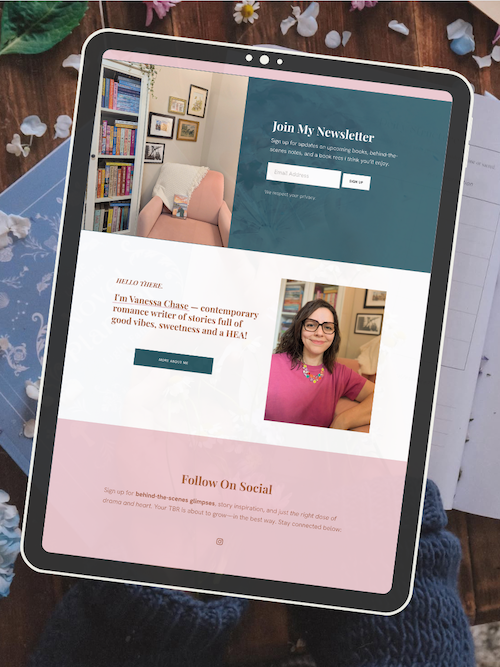
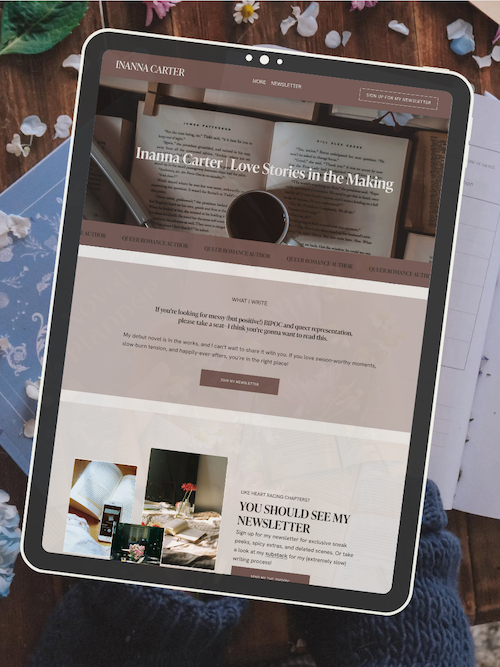
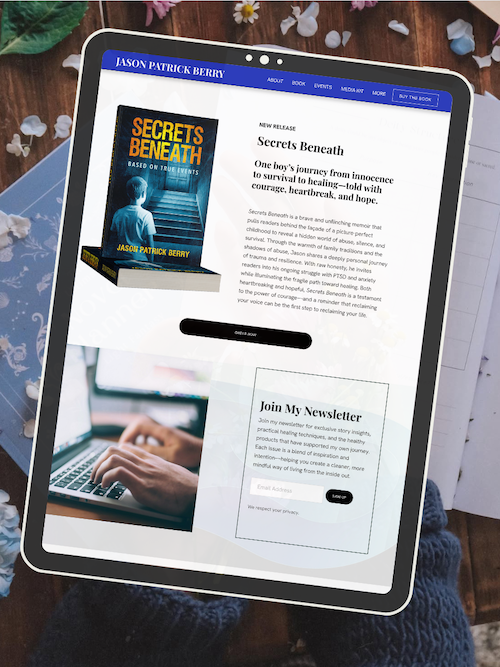
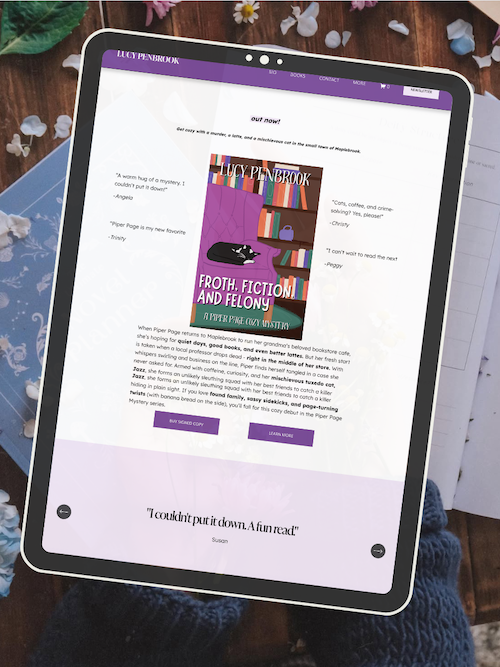
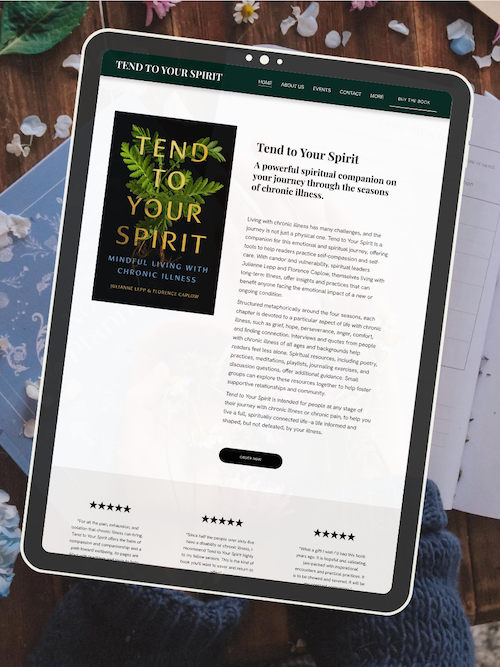
Want a beautiful author website without spending weeks designing it from scratch? These Squarespace website templates for authors are designed to showcase your books, grow your email list, and look professional instantly.

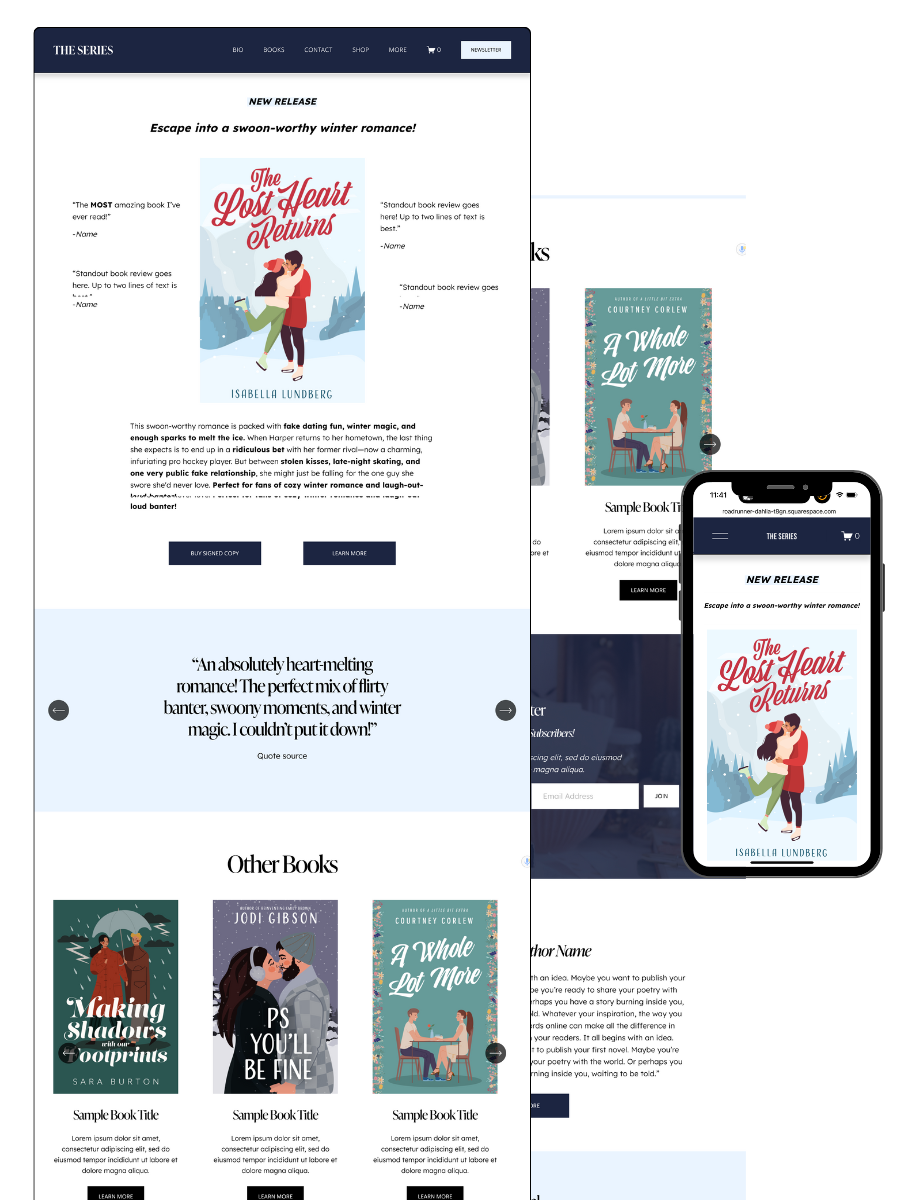
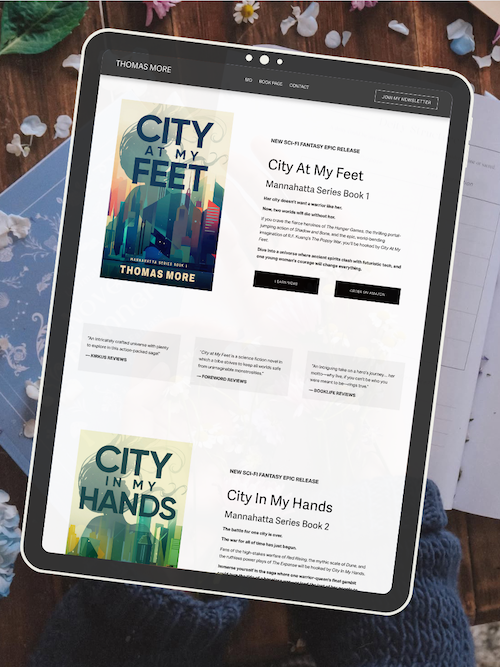
Here’s how real authors are using these Squarespace author website templates:
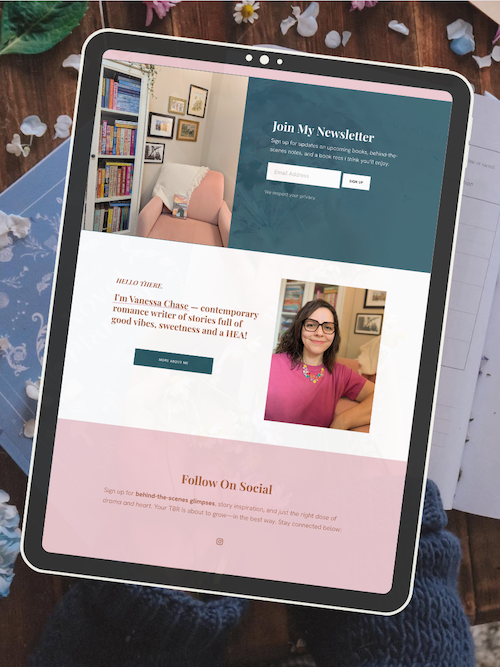
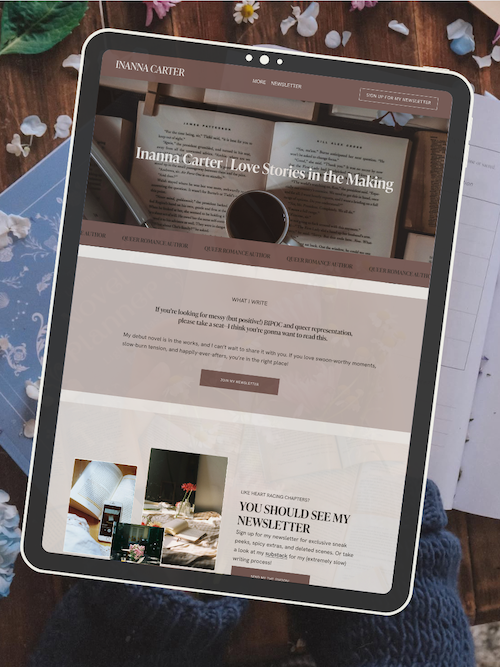
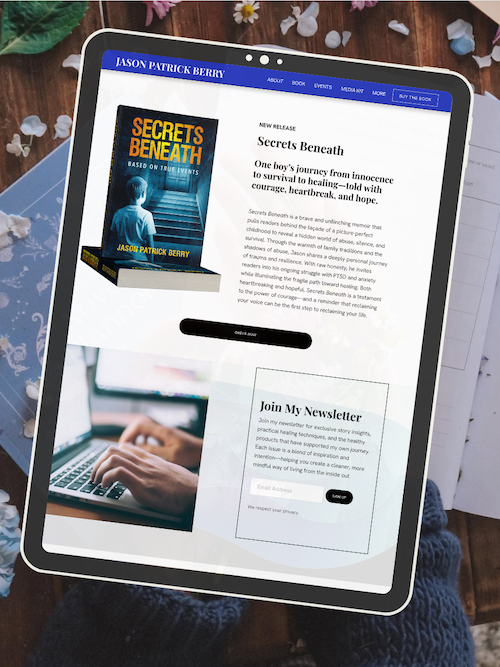
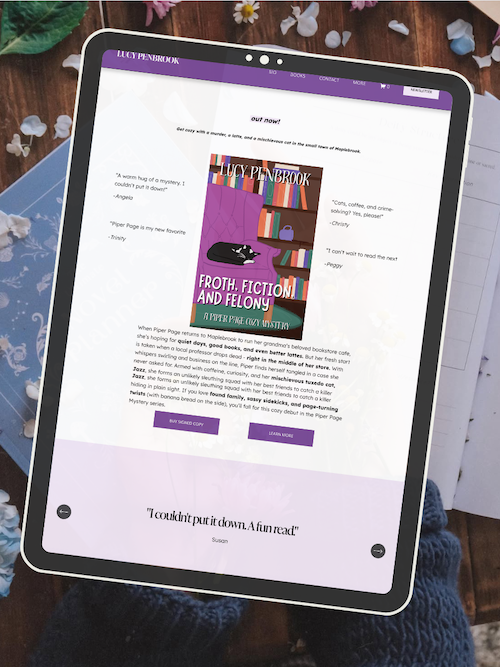
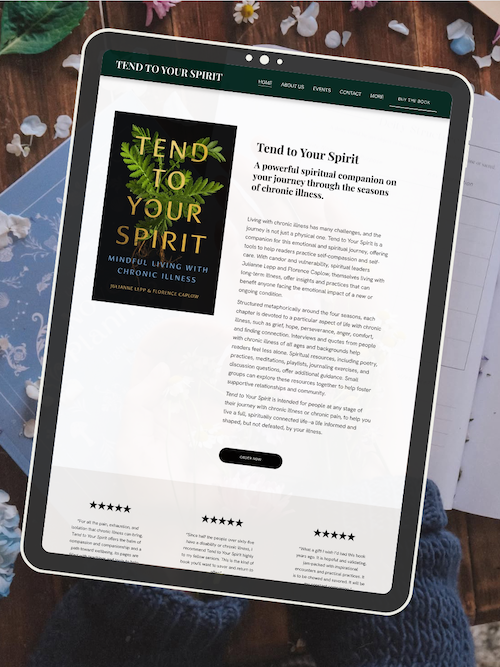
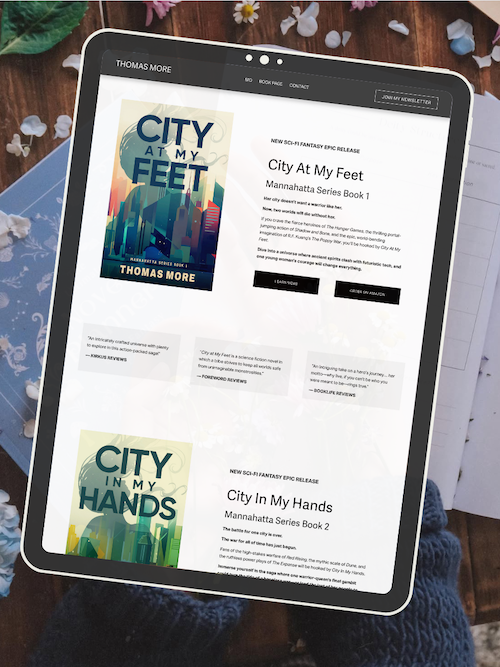
AUTHOR WEBSITE EXAMPLES
Branding Yourself as an Author: Foundations and Strategy
Building a strong author brand helps you stand out in a crowded market and creates lasting connections with readers who will come back for every book you publish.
What Is Author Branding?
Author branding is how you present yourself to readers across everything you do. It's the combination of your writing style, visual identity, communication approach, and the promises you make to your audience.
Your author brand includes:
Your unique voice and tone (serious, funny, conversational, academic)
The genres and topics you write about (mystery, romance, self-help, fantasy)
Your visual identity (colors, fonts, logo, book covers)
How you show up online (social media presence, website design, email newsletters)
The experience readers expect (emotional connection, specific themes, consistent quality)
Think of your personal brand as what readers think of when they hear your name. It's not just about your books—it's about you as a writer and what you stand for.
Why Author Branding Matters for Authors
Your author brand directly impacts whether readers buy your books and stick around for future releases. Without clear branding for authors, you blend into the background noise of thousands of other writers.
Reader loyalty grows when you deliver a consistent experience. If someone loves your first thriller, they want to know your next book will give them that same suspense and pacing. Your brand sets that expectation and builds trust.
A strong author brand also makes marketing easier. You know exactly what to say, which platforms to use, and which readers to target. Instead of trying every trend, you focus on what aligns with your brand voice.
Your unique selling proposition—what makes you different from other authors—becomes crystal clear when you define your author brand. Maybe you write cozy mysteries with cats. Maybe you create epic fantasy with found families. That specific angle helps readers find you.
Defining Your Author Identity and Voice
Your author identity starts with understanding what makes your writing different. Look at the books you've written or plan to write. What themes keep showing up? What do you care about?
Your author voice is how you communicate both in your writing and when you talk to readers. Are you warm and friendly? Professional and polished? Quirky and offbeat? This voice should feel natural to you, not forced.
To define your author identity:
List three words that describe your writing
Identify the emotions you want readers to feel
Note what topics or themes matter most to you
Consider what readers say about your work
Your writing style and how you present yourself should match. If your books are dark and intense, your brand shouldn't feel bubbly and lighthearted. If you write accessible self-help, don't hide behind academic jargon on your website.
Your brand voice extends beyond your books. It shows up in your social media captions, newsletter content, and author bio. Keep it consistent so readers recognize you everywhere.
Identifying Your Target Audience and Ideal Readers
You can't connect with readers if you don't know who they are. Your target audience is the specific group of people most likely to love your books and become loyal fans.
Start by thinking about who already reads your genre. Romance readers have different expectations than business book readers. Mystery fans want different things than memoir readers.
Get specific about your ideal readers:
Question Why It Matters What age range? Affects tone and platform choices What do they read now? Shows your competition and comps Where do they hang out online? Tells you where to focus marketing What problems do they have? Helps you position your books as solutions What values matter to them? Creates deeper emotional connection
Your ideal readers aren't "everyone who likes books." Maybe you write for busy moms who read romance on their phones during carpool. Maybe you write for professionals looking to advance their careers. Maybe you write for teens who love fantasy with LGBTQ+ characters.
The more specific you get, the easier it becomes to define your author brand in a way that speaks directly to those readers. You'll know which book covers appeal to them, what social media content they engage with, and how to describe your books in a way that makes them click buy.
Frequently Asked Questions
Building a recognizable author brand takes time, and you'll likely run into questions about social media strategy, visual consistency, storytelling techniques, online visibility, performance tracking, and the materials you need to represent yourself professionally.
How can authors establish their personal brand through social media effectively?
Pick one or two platforms where your target readers actually spend time. If you write literary fiction, you might focus on Instagram and Threads. If you write business books, LinkedIn could be your main channel.
Post consistently about topics related to your writing, not just book promotions. Share your writing process, behind-the-scenes moments, and the ideas that inspire your work. This helps readers connect with you as a person, not just a product.
Engage with your audience by responding to comments and messages. Your personal brand grows stronger when people feel like they know you. Join conversations in your genre community and support other writers too.
Use the same profile photo, bio format, and username across all platforms. This makes you instantly recognizable no matter where readers find you.
What steps should writers take to create a consistent brand image across all platforms?
Start by choosing a small set of colors, fonts, and visual elements that represent your author identity. Use these same design choices on your website, social media profiles, email newsletter, and promotional materials.
Write down your brand voice guidelines. Are you funny or serious? Formal or casual? Educational or entertaining? Once you define this, stick to it across every platform.
Create templates for your most common content types. Design a standard format for quote graphics, book announcements, and social media posts. This saves time and keeps everything looking cohesive.
Your author photo should be the same everywhere. Update it across all platforms at once when you get a new headshot. The same goes for your bio—keep the core message consistent even if you adjust length for different platforms.
What are the best ways for a writer to communicate their brand story to your audience?
Share why you write what you write. Talk about the experiences, questions, or passions that drive your work. Readers connect with authentic stories about your journey as a writer.
Use your author bio and About page to clearly explain your background and what readers can expect from your books. Make it personal but focused on what matters to your audience.
Create content that reflects your values and themes. If you write about resilience, share stories about overcoming challenges. If your books explore family dynamics, discuss what family means to you.
Your brand story should appear naturally in your newsletter, social media posts, and speaking engagements. Don't treat it as a one-time announcement. Weave it throughout everything you create.
What strategies can authors use to build a strong online presence?
Build a professional website that serves as your home base online. Include an email signup form, information about your books, and an engaging About page.
Start an email newsletter and send it regularly. This gives you direct access to your readers without relying on social media algorithms. Even a simple monthly update keeps you connected with your audience.
Create valuable content related to your writing topics. Blog posts, videos, or podcasts can attract new readers and establish you as an authority in your niche.
Guest post on other blogs, appear on podcasts, or collaborate with other authors. These opportunities introduce you to new audiences who already enjoy your genre or topic area.
How can authors measure the success of their personal branding efforts?
Track your email list growth month over month. A steadily growing list means your brand is attracting new readers who want to hear from you.
Monitor engagement rates on social media. Look at likes, comments, shares, and saves—not just follower count. High engagement shows your content resonates with your audience.
Pay attention to book sales trends and reader feedback. If people mention discovering you through your website or social media, your branding is working.
Watch for qualitative signs too. Are readers recommending you to others? Do they remember you between book launches? Are you getting invited to speak or write for other platforms? These indicators show your brand is making a lasting impression.
Set specific goals like reaching 1,000 email subscribers or posting consistently for three months. Measure your progress against these targets rather than comparing yourself to other authors.
What key elements should be included in an author's branding kit?
Your branding kit should include high-resolution author photos in multiple formats. Have both headshots and full-body shots in horizontal, vertical, and square crops.
Include your logo or name treatment in various file formats. Save versions with transparent backgrounds and in different color options for light or dark backgrounds.
Add your official bio in three lengths: a one-sentence version, a short paragraph, and a full-length bio. This makes it easy to provide the right length for any opportunity.
Create a one-sheet or media kit document that includes your photo, bio, book covers, and key information about your work. This comes in handy for speaking engagements, interviews, and promotional opportunities.
Include your brand colors with exact color codes (hex codes and RGB values). Add your chosen fonts and any design elements or patterns you use regularly. This ensures anyone helping with your marketing can match your brand perfectly.
Store sample social media graphics and templates you've created. Having these on hand makes it faster to create new content that stays on-brand.
Ready to launch your author website?
Explore my Squarespace website templates designed specifically for authors — easy to customize, beautifully designed, and built to help you sell more books.

SHOP THE AUTHOR WEBSITE TEMPLATES
THE MANUSCRIPT AUTHOR WEBSITE TEMPLATE — perfect for authors launching their first professional website with a simple, polished layout
THE DEBUT AUTHOR WEBSITE TEMPLATE — designed to highlight your first book, build your email list, and grow an audience from day one
THE SERIES AUTHOR WEBSITE TEMPLATE — ideal for showcasing multiple books with clear series pages and strong reader flow
THE ONE-PAGE AUTHOR AUTHOR WEBSITE TEMPLATE — a streamlined one-page site for authors who want something beautiful, fast, and easy
THE DONE-FOR-YOU AUTHOR WEBSITE EXPERIENCE — your author website built for you so you can launch without touching design or tech
MOST POPULAR BLOG POSTS
Authors Guide to Website Design & Branding
Squarespace Email Campaigns: A Guide for Authors
How to Create an Author Website on Squarespace (Step-by-Step)

Launch Your Author Website in a Day (Without the Tech Overwhlem)
*No more starting from scratch.
A simple, done-for-you Squarespace template built specifically for authors with a WIP.