Book Marketing Checklist: A Step-by-Step Guide for Self-Published Authors
Writing a book is only half the battle. Getting people to actually read it is where the real work begins. A book marketing checklist helps you organize your promotional efforts into clear, manageable steps so you can reach more readers without feeling overwhelmed. Whether you're launching your first novel or your tenth nonfiction title, having a plan keeps you focused on what matters most.
Marketing can feel like a confusing maze of social media posts, email lists, and launch strategies. But it doesn't have to be complicated. A simple checklist breaks down everything you need to do before, during, and after your book launch. You'll know exactly what to work on each week and what can wait until later.
This guide walks you through the essential marketing tasks that actually move the needle. You'll learn how to build buzz before launch day, make the most of your release week, and keep momentum going long after your book hits shelves. No fluff or overwhelming to-do lists—just the steps that help you sell more books.
Key Takeaways
A book marketing checklist organizes your promotional tasks into manageable steps across your entire launch timeline
Breaking marketing into before, during, and after phases helps you stay focused without getting overwhelmed
Following a clear plan helps you reach more readers and build lasting momentum for your book
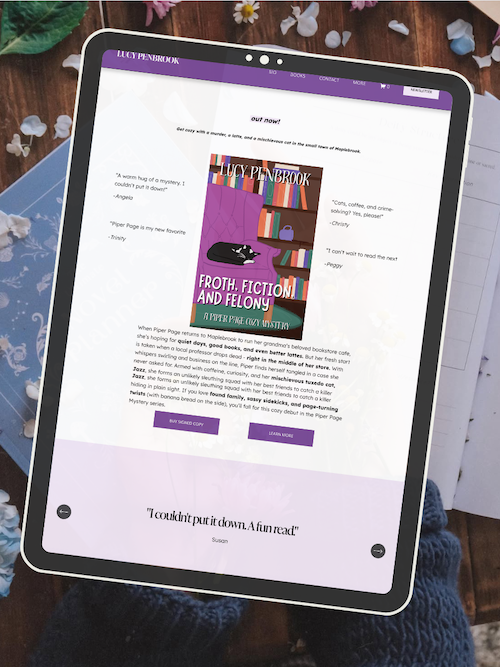
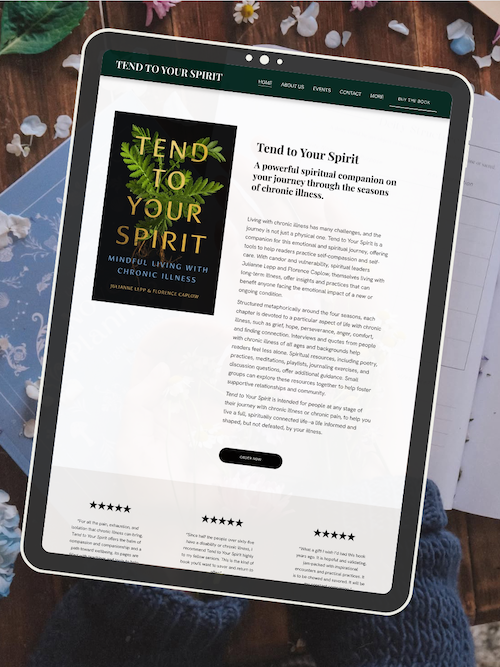
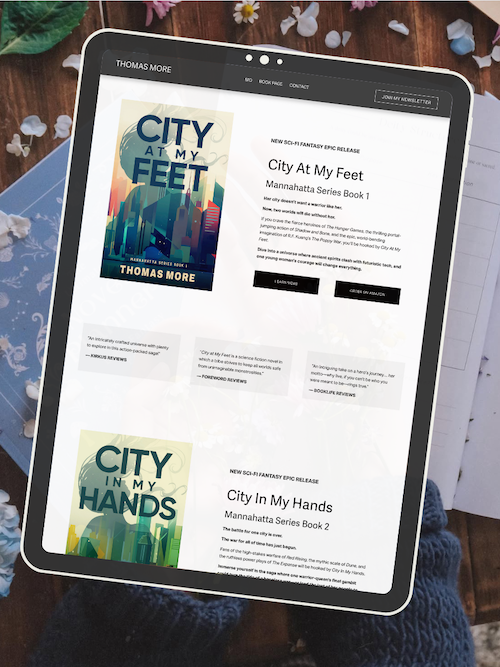
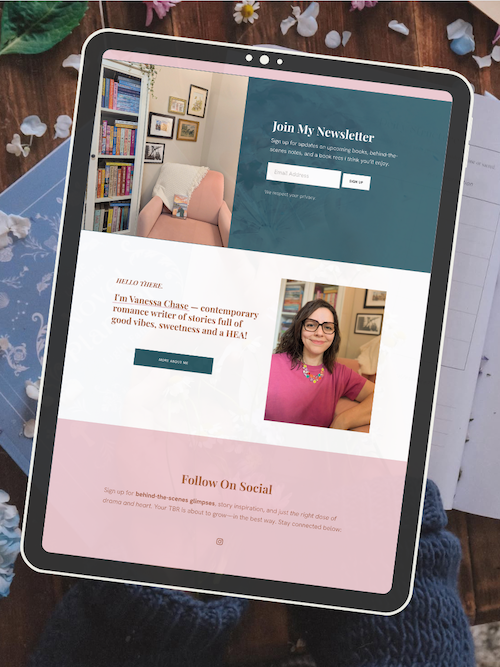
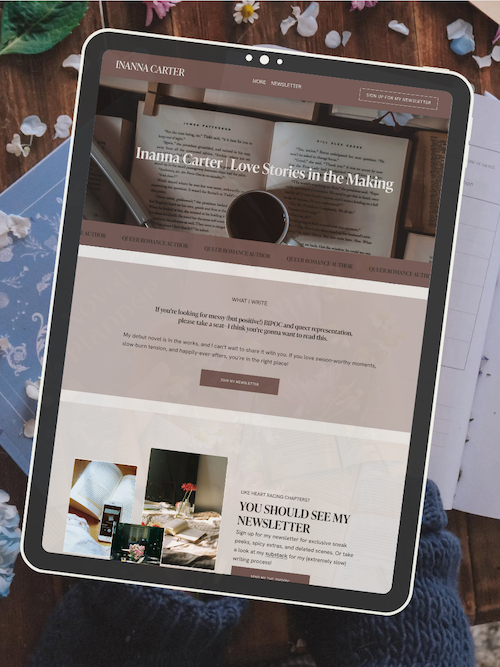
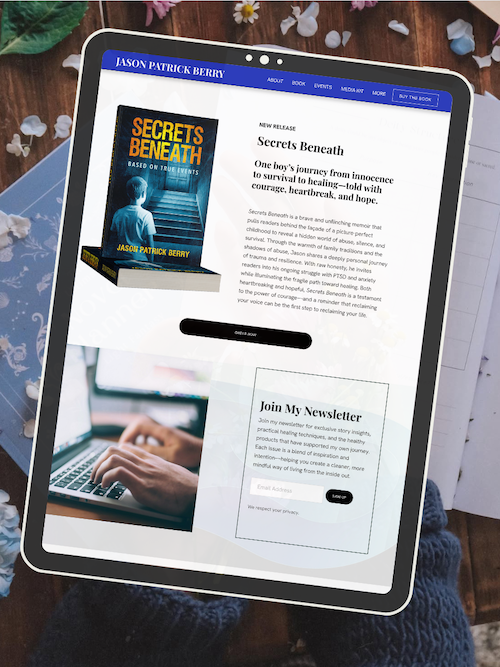
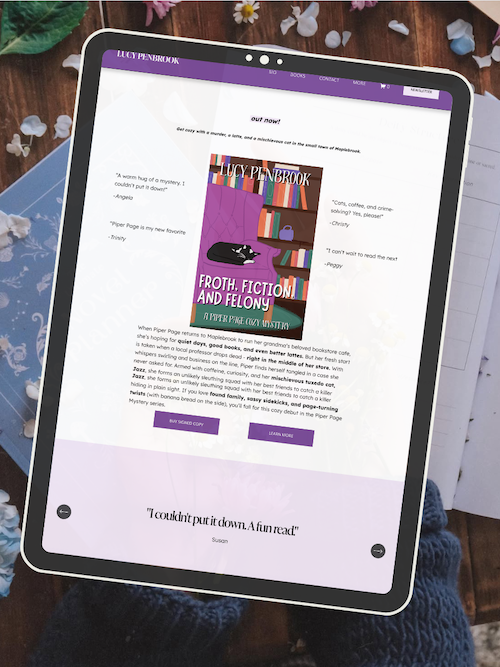
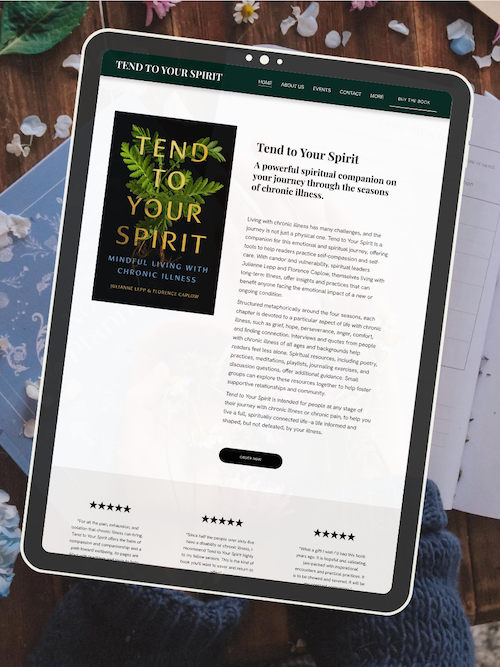
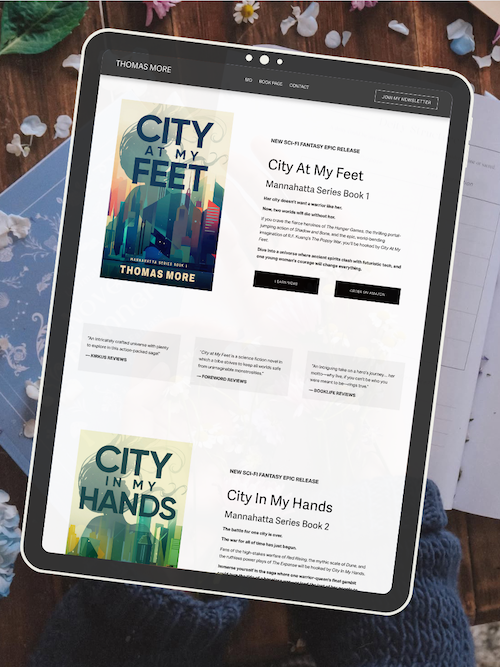
Want a beautiful author website without spending weeks designing it from scratch? These Squarespace website templates for authors are designed to showcase your books, grow your email list, and look professional instantly.

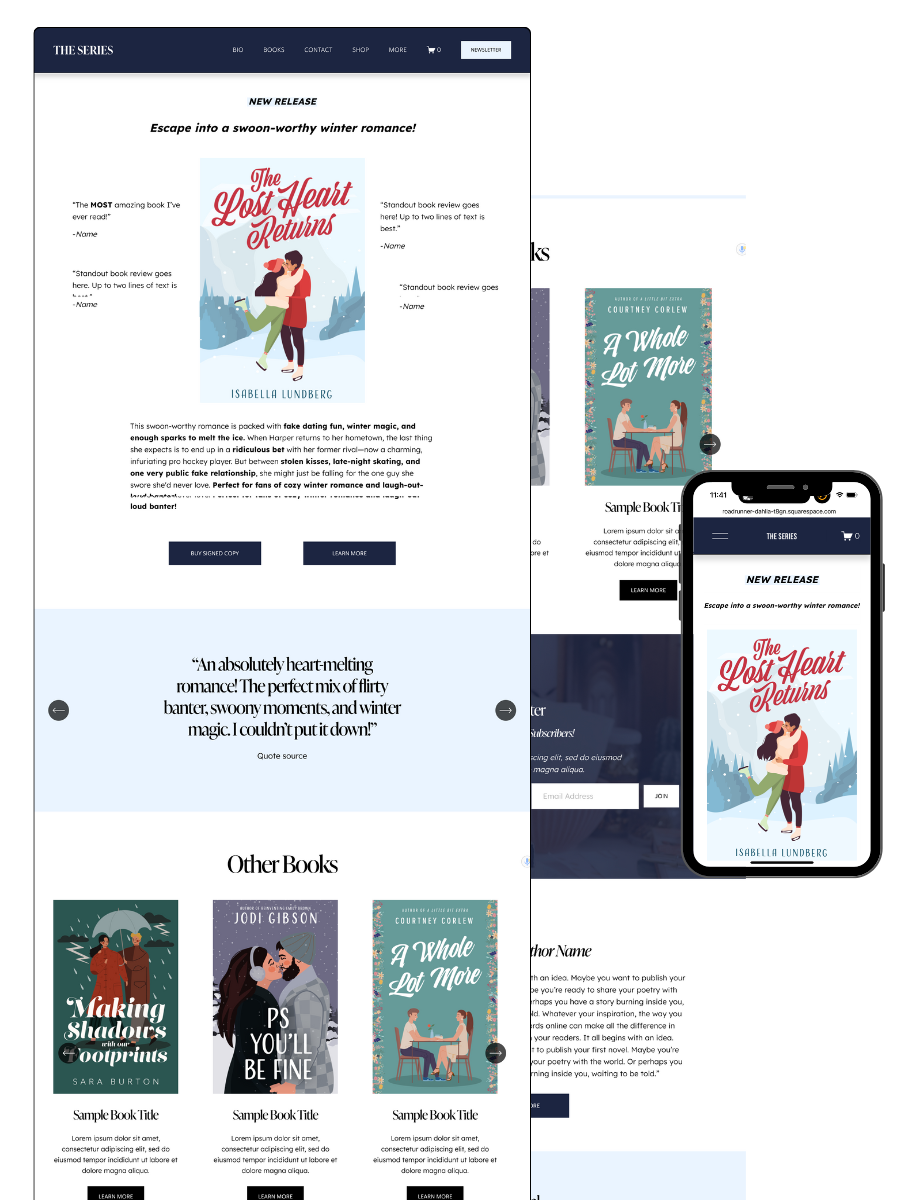
Here’s how real authors are using these Squarespace author website templates:
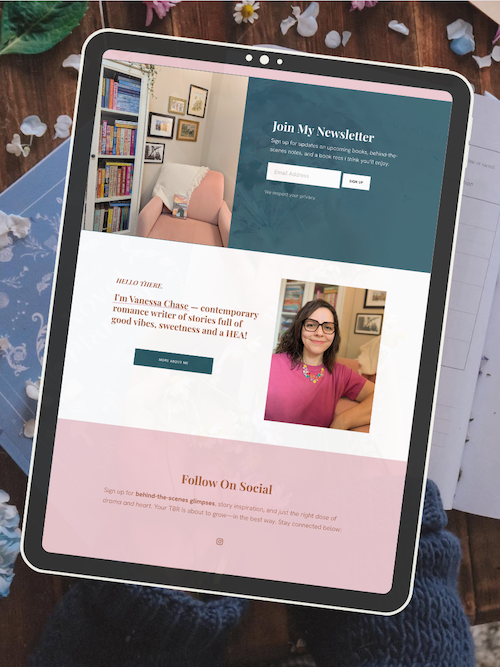
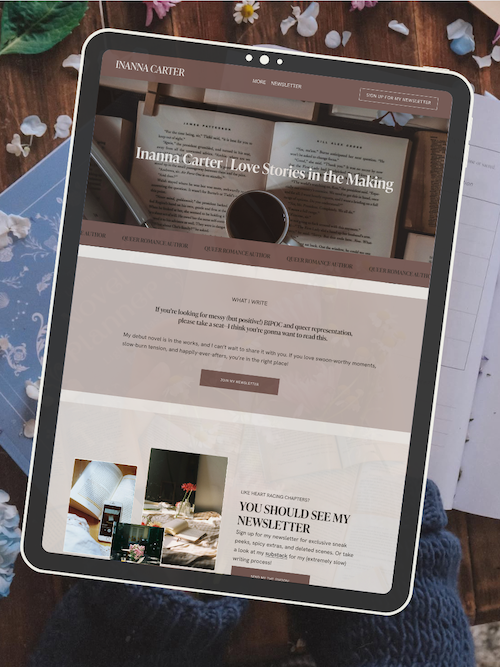
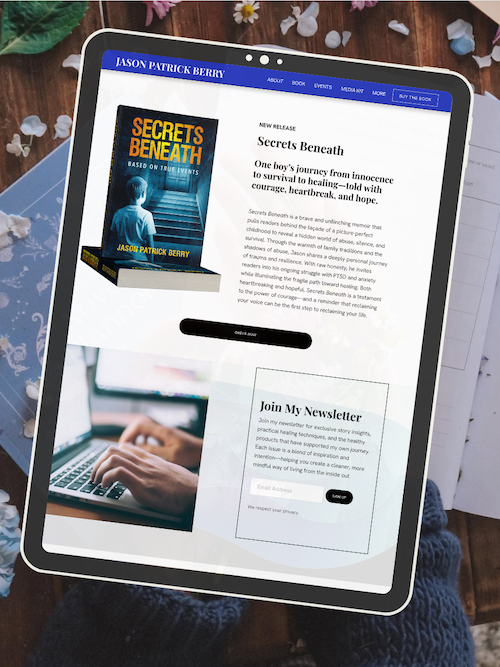
AUTHOR WEBSITE EXAMPLES
The Ultimate Book Marketing Checklist
Marketing your book successfully requires planning across multiple phases, from building your foundation months ahead to keeping momentum after launch day. You need a clear roadmap that covers platform building, audience connection, and strategic promotional tactics that actually move the needle.
Set Your Book Marketing Goals
Before you dive into tactics, you need to define what success looks like for your specific book. Are you aiming to hit a certain number of sales in your first week? Do you want to build your email list to 1,000 subscribers? Maybe you're focused on getting 50 early reviews on Goodreads or securing speaking engagements at literary events.
Write down your goals and make them specific. Instead of "I want my book to be successful," try "I want to sell 500 copies in the first month" or "I want to grow my mailing list by 300 subscribers during pre-launch." These concrete targets help you choose which marketing activities to prioritize.
Your goals should also have timelines. Break them into phases: what you want to achieve six months before launch, during your book launch week, and in the three months following release. This structure keeps you accountable and helps you measure what's working.
Identify Your Target Audience
You can't market effectively if you don't know who you're marketing to. Your target audience isn't "everyone who likes books." It's a specific group of readers who will connect with your book title, your themes, and your writing style.
Start by asking yourself: What age range does my ideal reader fall into? What other books do they love? Where do they spend time online—is it Facebook, Instagram, Reddit, or Goodreads? What problems does my book solve or what emotions does it evoke?
Create a reader profile that feels like a real person. Give them a name, interests, and reading habits. This makes your marketing decisions easier because you can ask yourself, "Would Sarah actually care about this post?" or "Is this the kind of promotion that would catch Mark's attention?"
Look at reviews of similar books to understand what readers love and what they complain about. Join Facebook groups where your target readers hang out. Pay attention to the language they use and the questions they ask.
Build Your Author Platform
Your author platform is your visibility and credibility in the publishing world. It's the combination of your online presence, your connections, and your ability to reach readers directly. Publishers look at platform strength, and readers trust authors who show up consistently.
Start building your platform well before your book launch. This isn't something you can rush in the final weeks. Focus on being present where your target audience already spends time, whether that's social media, podcasts, or in-person author events.
Your platform includes your author website, your social media presence, your email list, and any speaking engagements or media appearances. It also includes your author bio and how you present your author name across different channels. Keep your branding consistent so readers recognize you everywhere.
Don't try to be everywhere at once. Pick two or three channels where your readers actually are and do those well. If your audience is on Instagram and Goodreads, focus there instead of spreading yourself thin across every platform.
Create and Optimize Your Author Website
Your author website is your home base online. It's the one place you control completely, unlike social media platforms that can change their rules or algorithms overnight. You need a clean, professional site that makes it easy for readers to learn about you and your book.
Choose a platform like WordPress or Squarespace that gives you flexibility without requiring coding skills. Your site should include an engaging author bio, information about your book with compelling book descriptions, and a clear way for visitors to join your email list.
Your homepage should immediately tell visitors who you are and why they should care. Don't bury your book cover or your mailing list signup form. Make these elements prominent and easy to find.
Include a landing page specifically designed to convert visitors into subscribers. This page should focus on one goal: getting email addresses. Offer something valuable in exchange, like a free chapter, a related short story, or exclusive author updates.
Make sure your site loads quickly and looks good on mobile devices. Most people will find you on their phones first. Test every link and form to ensure they work properly.
Grow and Nurture Your Email List
Your email list is your most valuable marketing asset. These are people who have raised their hands and said they want to hear from you. Unlike social media followers, you own this list and can reach these people directly.
Start building your list as early as possible—ideally six months before launch or more. Use signup forms on your author website, promote your list on social media, and mention it in your author bio whenever you guest post or appear on podcasts.
Choose an email service provider like Mailchimp, MailerLite, or ConvertKit that fits your budget and skill level. Mailchimp offers a free tier for smaller lists, while MailerLite provides more features at budget-friendly prices. Set up basic automation so new subscribers get a welcome email immediately.
Send regular emails to keep your list warm. You don't need to email daily, but aim for at least once or twice a month. Share updates about your writing process, behind-the-scenes content, or relevant stories. Make your emails personal and valuable, not just promotional.
Segment your list when possible. Separate advance reader copies (ARC) reviewers from general subscribers. Tag people based on their interests. This lets you send more targeted messages that feel relevant to each group.
Develop Compelling Book Assets and Descriptions
Your book assets are the visual and written materials that represent your book everywhere online. These need to be professional and compelling because they're often the first impression potential readers get.
Your book cover design is the most critical asset. It needs to look professional and fit the conventions of your genre while standing out enough to catch attention. Hire a professional designer if possible—this isn't the place to cut corners. Your cover appears on retailer sites, in social media posts, and in all your promotional materials.
Write a book blurb that hooks readers in the first sentence. Your blurb isn't a summary of the entire plot; it's a teaser that makes someone want to know more. Focus on the main conflict, what's at stake, and why readers should care. Keep it under 150 words for most genres.
Your book description for retailer sites should be formatted for scannability. Use short paragraphs, occasional bold text for emphasis, and whitespace to make it easy to read quickly. Include relevant keywords that readers might search for.
Create a book trailer if it fits your genre and budget. Book trailers work especially well for visual genres like fantasy or thriller. Keep them under 90 seconds and focus on mood and intrigue rather than trying to explain the whole plot.
Design graphics that fit the vibe & aesthetic of your writing.
Frequently Asked Questions
Building a strong email list, timing your launch correctly, and using social media well are some of the most common concerns authors face when marketing their books. Getting clear answers to these questions helps you avoid mistakes and reach more readers.
How can authors effectively build an email list for book marketing?
Start collecting emails from day one by adding a signup form to your website. Place it on your homepage, in your blog sidebar, and at the end of every blog post so visitors can't miss it.
Offer a free incentive to encourage signups. A sample chapter, a short story, or exclusive content related to your book gives readers a reason to share their email address. Make sure your incentive connects directly to what your book offers.
Use social media to drive people to your signup form. Share the link in your posts, stories, and bio. Tell people exactly what they'll get when they subscribe.
Create a landing page dedicated to your email list. This page should focus only on getting signups with clear benefits and a simple form. Keep the page free of distractions.
Ask existing readers to join your list. Add a note at the end of your current books inviting readers to sign up for updates about your next release.
What essential steps should be included in a pre-launch book marketing plan?
Set specific goals for your launch before you do anything else. Decide how many books you want to sell in the first week and how many reviews you need to get. Write these numbers down so you can track your progress.
Build your author platform at least three months before launch. This means having an active website, growing your email list, and posting regularly on social media. Your platform needs time to grow before you ask people to buy.
Create your book's marketing materials early. Write your book description, design graphics for social media, and prepare sample content to share. Having everything ready means you won't scramble at launch time.
Reach out to book reviewers and influencers 6-8 weeks before launch. Send advance review copies to bloggers, bookstagrammers, and readers who post reviews. Give them enough time to read and post reviews near your launch date.
Plan your launch week content in advance. Schedule social media posts, email newsletters, and blog content ahead of time. This lets you focus on engaging with readers during launch instead of creating content.
What are the most effective social media strategies for promoting a new book?
Choose one or two platforms where your readers spend time instead of trying to be everywhere. Focus your energy on doing those platforms well rather than spreading yourself too thin.
Post consistently in the months leading up to your launch. Share behind-the-scenes content, writing updates, and cover reveals to build excitement. Your audience needs regular reminders that your book exists.
Use visual content to grab attention. Post eye-catching graphics with quotes from your book, short video clips, and professional photos. Visual posts get more engagement than text-only updates.
Engage with your followers by responding to comments and messages. Social media works best as a conversation, not a broadcast. When people feel connected to you, they're more likely to buy your book.
Join author and reader communities in your genre. Participate in Facebook groups, Twitter chats, and Instagram challenges. Building relationships in these spaces expands your reach naturally.
Run a targeted ad campaign during launch week. Even a small budget on Facebook or Instagram ads can help you reach new readers who match your target audience.
How can authors utilize book reviews and testimonials in their marketing efforts?
Request reviews from beta readers and advance readers before your book launches. Send them free copies 4-6 weeks early and ask for honest feedback. These early reviews give your book credibility from day one.
Feature strong testimonials on your book's sales page and website. Pull out the most compelling quotes and display them prominently. Reviews from other authors in your genre carry extra weight.
Share positive reviews on social media as you receive them. Post screenshots or graphics with reviewer quotes to show social proof. Tag the reviewer when possible to expand your reach.
Add review quotes to your email marketing. Include a testimonial in your launch announcement email and follow-up messages. Real reader reactions help convince subscribers to buy.
Create graphics with review quotes for Pinterest and Instagram. These shareable images extend the life of good reviews and attract new readers browsing those platforms.
Respond to reviews when appropriate, especially on platforms like Goodreads. Thank reviewers who leave detailed feedback and engage thoughtfully with their comments.
What role does an author website play in a comprehensive book marketing strategy?
Your author website serves as your home base online where you control everything. Social media platforms can change their rules or disappear, but your website belongs to you. It's where readers go to learn about you and find all your books in one place.
A website gives you credibility as a professional author. Readers, media contacts, and industry professionals expect you to have one. Without it, you look less established.
Use your website to collect email addresses through signup forms. Your email list is your most valuable marketing asset because you own that direct connection to readers. A website makes list building possible.
Your website hosts important marketing materials like your media kit, book excerpts, and purchase links. When someone wants to write about you or review your book, they can find everything they need in one place.
Search engines like Google index your website, which helps new readers discover you. When people search for books in your genre or topics you write about, your site can appear in results.
What are the best practices for creating engaging book trailers or promotional videos?
Keep your trailer short—30 to 60 seconds works best. People have short attention spans online, and a quick video is more likely to get watched all the way through. Cut anything that doesn't move the story forward.
Start with a hook in the first three seconds. Use an intriguing question, a dramatic image, or your strongest review quote to grab attention immediately. People scroll fast, so you need to stop them right away.
Focus on mood and emotion rather than explaining your whole plot. A good book trailer creates a feeling that matches your book's tone. Show viewers how your book will make them feel.
Use text overlays to convey key information since many people watch videos without sound. Include your book title, genre, and a tagline. Make sure the text is large enough to read on mobile devices.
Add professional music that fits your book's genre and mood. Many websites offer royalty-free music you can license affordably. The right soundtrack makes your trailer feel polished.
End with a clear call to action. Tell viewers exactly what to do next—pre-order your book, visit your website, or sign up for your email list. Include the relevant link in your video caption.
Ready to launch your author website?
Explore my Squarespace website templates designed specifically for authors — easy to customize, beautifully designed, and built to help you sell more books.

SHOP THE AUTHOR WEBSITE TEMPLATES
THE MANUSCRIPT AUTHOR WEBSITE TEMPLATE — perfect for authors launching their first professional website with a simple, polished layout
THE DEBUT AUTHOR WEBSITE TEMPLATE — designed to highlight your first book, build your email list, and grow an audience from day one
THE SERIES AUTHOR WEBSITE TEMPLATE — ideal for showcasing multiple books with clear series pages and strong reader flow
THE ONE-PAGE AUTHOR AUTHOR WEBSITE TEMPLATE — a streamlined one-page site for authors who want something beautiful, fast, and easy
THE DONE-FOR-YOU AUTHOR WEBSITE EXPERIENCE — your author website built for you so you can launch without touching design or tech
MOST POPULAR BLOG POSTS
Authors Guide to Website Design & Branding
Squarespace Email Campaigns: A Guide for Authors
How to Create an Author Website on Squarespace (Step-by-Step)

Launch Your Author Website in a Day (Without the Tech Overwhlem)
*No more starting from scratch.
A simple, done-for-you Squarespace template built specifically for authors with a WIP.