Author Website SEO Basics: A Step-by-Step Guide to Ranking Higher on Google
Author Website SEO Basics: A Step-by-Step Guide to Ranking Higher on Google
You've built your author website. You've written your bio, uploaded your book covers, and maybe even started a blog. But there's a problem—no one can find you. SEO (Search Engine Optimization) is how you make your author website visible to readers searching for books like yours on Google and other search engines. Without it, your site sits in the digital equivalent of a locked library that no one knows exists.
The good news? You don't need to be a tech expert to get started. Author website SEO is about making simple, strategic choices that help search engines understand what you write and who needs to read it. From picking the right keywords to structuring your pages correctly, these basics can mean the difference between being buried on page 10 of search results and showing up right when a reader is looking for their next favorite book.
This guide walks you through the essential SEO foundations every author should know. You'll learn how to optimize your site so readers can actually discover you, your books, and your content—without spending hours learning complicated marketing strategies.
Key Takeaways
SEO helps readers find your author website through search engines like Google
Basic optimization involves using the right keywords and structuring your site correctly
Small, consistent improvements to your website can increase your visibility over time
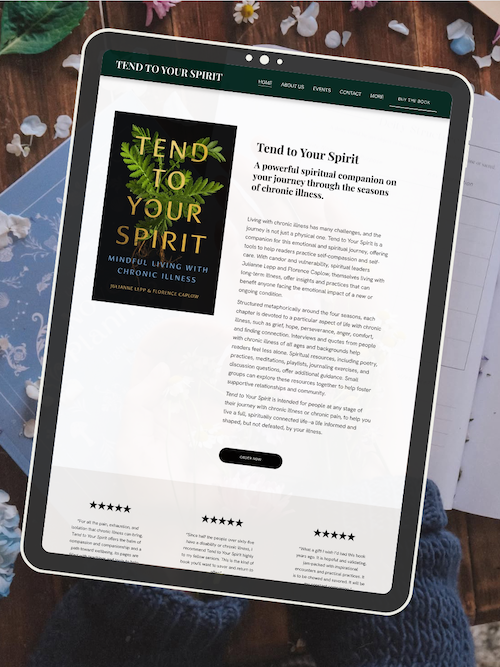
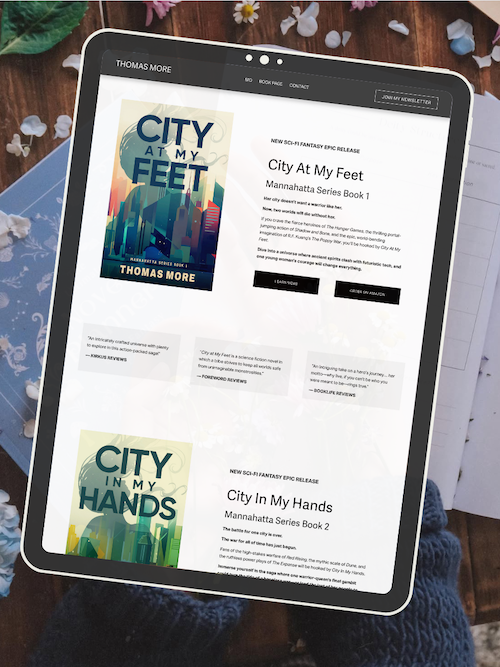
Want a beautiful author website without spending weeks designing it from scratch? These Squarespace website templates for authors are designed to showcase your books, grow your email list, and look professional instantly.

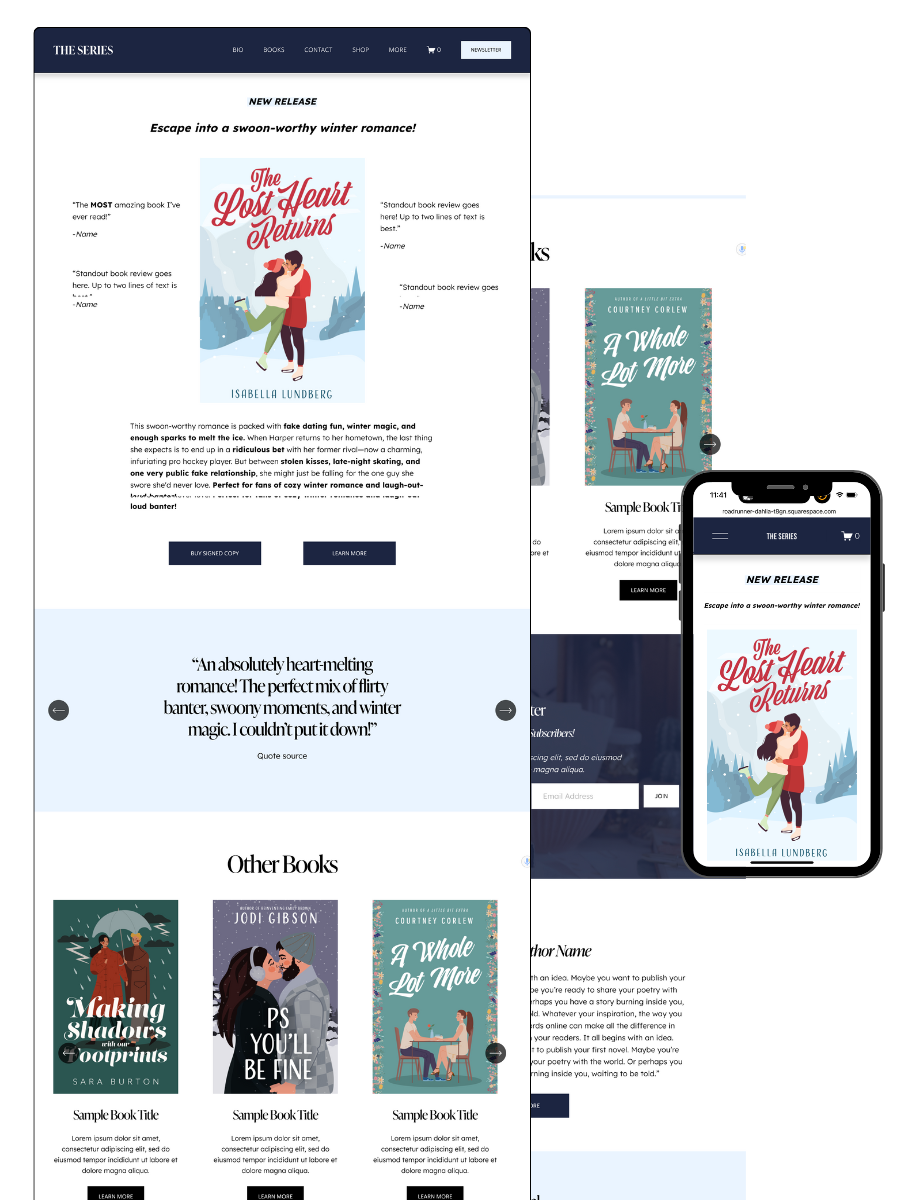
Here’s how real authors are using these Squarespace author website templates:
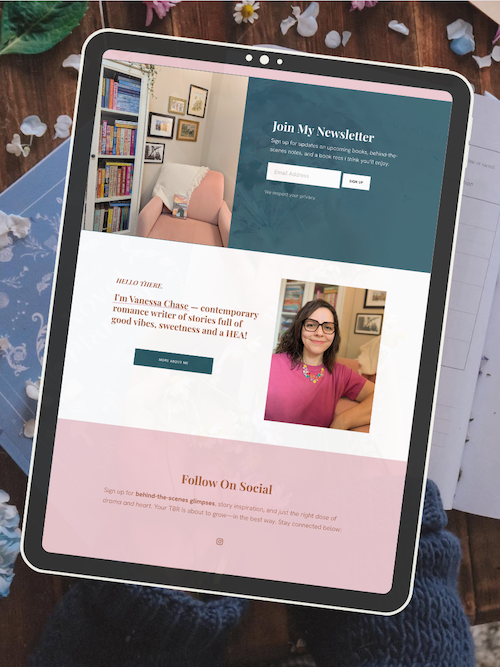
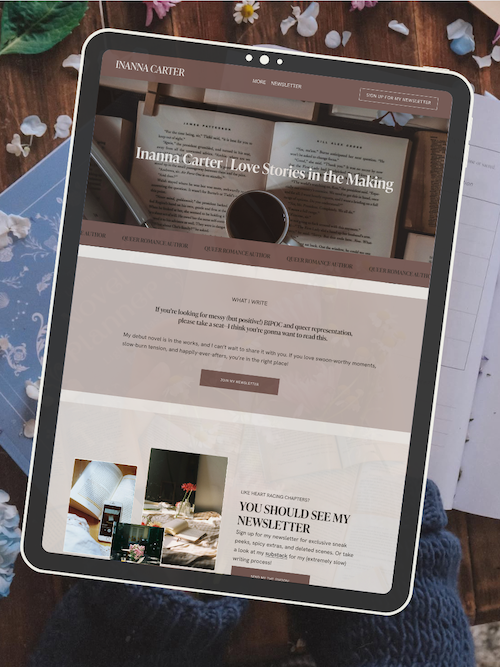
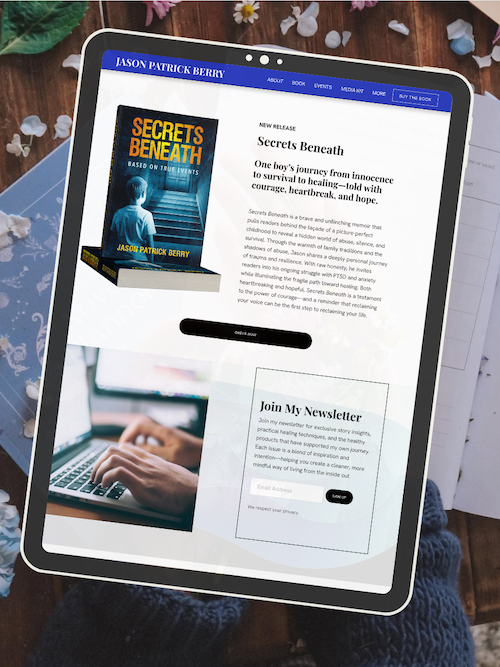

Essential SEO Foundations for Author Websites
Search engines decide who finds your author website based on specific ranking factors, and understanding these basics helps you show up when readers search for books in your genre. The right keywords connect your content to reader searches, while smart optimization keeps search engines happy without crossing into spammy territory.
What Is SEO and Why Authors Need It
SEO stands for search engine optimization. It's how you make your author website easier for search engines like Google to find and understand.
When readers search for books like yours, SEO helps your website appear in those search results. Without it, your site stays buried on page ten where nobody looks.
Think of SEO as the bridge between your writing and your readers. You might have the best author website ever built, but if search engines can't find it, neither can potential readers. SEO basics help Google recognize what your site is about and who should see it.
For authors, good SEO means more website visitors. More visitors means more newsletter signups, more book sales, and more people discovering your work. You're not just writing for search engines—you're making it easier for real readers to find you when they're actively looking for their next book.
How Search Engines Rank Author Websites
Search engines use algorithms to decide which websites rank highest. They look at your content quality, how often you update your site, and whether other websites link to yours.
Google specifically checks if your content answers what people are searching for. If someone types "cozy mystery books set in small towns," Google scans websites to find the best match. Your author website needs clear, relevant content that matches these searches.
Search engines also measure user experience. Fast-loading pages, mobile-friendly design, and easy navigation all boost your search rankings. If visitors click your site and immediately leave, that tells Google your content wasn't helpful.
Links matter too. When other websites link to your author website, it signals credibility. A book review blog linking to your site tells search engines you're worth showing to readers.
Fresh content helps your rankings stay strong. Regular blog posts, updated book pages, and new author news show search engines your site is active and valuable.
Choosing the Right Keywords for Authors
Keywords are the exact words and phrases readers type into search engines. Keyword research helps you find which terms to use on your author website.
Start with Google Keyword Planner or Ubersuggest to discover what readers actually search for. Type in phrases related to your books and see what comes up. You'll find search volume numbers that show how many people use each term.
Long-tail keywords work especially well for authors. These are longer, more specific phrases like "historical romance novels set in Victorian England" instead of just "romance books." They have less competition and attract readers who know exactly what they want.
Your main keyword might be your name or book title. Secondary keywords include your genre, themes, and related topics. If you write thriller novels, secondary keywords might include "psychological suspense," "crime fiction," or "mystery author."
Use keywords naturally in your page titles, headings, and body text. Your about page should include your author name and genre. Book pages need the book title, series name, and genre keywords.
Check what other authors in your genre rank for. Look at their page titles and headings to spot patterns in their SEO strategy. This competitive research shows you what works in your specific niche.
Avoiding Keyword Stuffing and SEO Mistakes
Keyword stuffing means cramming too many keywords into your content unnaturally. It looks like this: "Bestselling thriller author writes thrillers about thriller plots with thriller characters in thriller novels." Search engines penalize this.
Write for humans first, search engines second. Your content should read naturally and provide real value. Mention your keywords a few times per page, but focus on creating helpful, engaging content.
Don't hide keywords in white text or stuff them in invisible places. These old tricks get your site penalized or even removed from search results entirely.
Avoid duplicate content across your author website. Each page needs unique text. Don't copy the same book description everywhere or reuse paragraphs across multiple pages.
Slow-loading pages hurt your keyword rankings no matter how well-optimized your text is. Compress images and avoid unnecessary plugins that bog down your site.
Ignoring mobile users is another common mistake. Most readers browse on phones, so your author website must work perfectly on small screens. Google prioritizes mobile-friendly sites in search rankings.
Frequently Asked Questions
Getting your author website to rank well on search engines takes the right approach to content, structure, and ongoing effort. These answers will help you understand what works and how to put it into practice.
How can I optimize my author website for better search engine visibility?
Start by choosing clear, descriptive page titles that include relevant keywords. Your homepage might be "Your Name – Author of [Genre] Books" instead of just your name. Each page should have a unique title that tells visitors and search engines what that page is about.
Write meta descriptions for every page. These are the short summaries that appear under your page title in search results. Keep them under 160 characters and include your main keyword naturally.
Make sure your site loads quickly. Use compressed images, choose a reliable hosting service, and avoid unnecessary plugins or scripts that slow things down. A fast website keeps visitors happy and helps your search rankings.
Create a clear site structure. Your main navigation should include pages like About, Books, Blog, and Contact. Each page should be reachable within three clicks from your homepage.
Use header tags (H1, H2, H3) to organize your content. Your page title should be an H1, and section titles should be H2s or H3s. This helps search engines understand your content hierarchy.
What are the best practices for including keywords in my author website content?
Research what your readers actually search for. Use tools like Google's search suggestions or simple keyword research tools to find phrases like "historical fiction author" or "cozy mystery books."
Place your main keyword in your page title, first paragraph, and at least one header. But don't force it. If you write about your historical fiction novels, that phrase should appear naturally throughout your content.
Use variations of your keywords. Instead of repeating "fantasy author" ten times, mix in "fantasy novelist," "writer of fantasy books," and "fantasy fiction writer." Search engines understand these related terms.
Write for humans first. Your content should sound natural and helpful, not stuffed with keywords. If a sentence feels awkward because you're forcing in a keyword, rewrite it.
Focus on long-tail keywords. Instead of competing for "author," target specific phrases like "debut mystery author" or "young adult fantasy series writer." These longer phrases have less competition and attract readers who are looking for exactly what you offer.
Which structural elements of my website are most important for SEO?
Your URL structure matters. Keep URLs short and descriptive. Use "yoursite.com/about" instead of "yoursite.com/page?id=12345." Each page should have a clean, readable URL that includes relevant keywords when possible.
Create an XML sitemap. Most website platforms generate this automatically. It tells search engines which pages exist on your site and helps them crawl your content efficiently.
Add alt text to every image. Describe what's in the image using natural language. Instead of "book1.jpg," write "Cover of The Midnight Garden, a historical romance novel." This helps search engines understand your images and makes your site accessible.
Use internal links to connect your pages. Link from your blog posts to your books page, from your about page to your contact form, and between related blog posts. This helps visitors find more content and shows search engines how your pages relate to each other.
Make your site mobile-friendly. More than half of web traffic comes from phones and tablets. Your site should automatically adjust to different screen sizes and remain easy to navigate on any device.
How frequently should I update my website's content for SEO purposes?
Add new content at least once or twice a month. A blog post every two weeks shows search engines your site is active and gives readers a reason to return.
Update your existing pages when necessary. If you publish a new book, update your books page. If you win an award or change your contact information, update those pages right away. Fresh information keeps your site current and relevant.
Don't publish content just to hit a schedule. One well-written, helpful blog post per month beats four rushed, thin posts. Quality matters more than quantity.
Revisit old blog posts once or twice a year. Add new information, update outdated details, and improve posts that aren't performing well. This breathes new life into older content and can improve its rankings.
Create evergreen content that stays relevant. Posts about your writing process, character development tips, or book recommendations don't expire quickly. These pieces continue attracting visitors long after you publish them.
What role do backlinks play in enhancing my author website's SEO, and how can I acquire them?
Backlinks are links from other websites to yours. When a book blog links to your author site or a literary magazine mentions your work with a link, that tells search engines your site is trustworthy and valuable.
Focus on quality over quantity. One link from a respected literary website or major publication matters more than dozens of links from random directories or spam sites.
Guest post on book blogs and writing websites. Write an article about your genre, your writing process, or industry tips. Include a link back to your author site in your bio or within the article when relevant.
Get listed in author directories and databases. Sites like Goodreads, Amazon Author Central, and genre-specific author databases often allow you to link back to your website.
Build relationships with other authors and bloggers. When you genuinely connect with people in your writing community, they're more likely to mention your work and link to your site naturally.
Create content worth linking to. Write comprehensive resources, helpful guides, or unique perspectives that other sites want to reference. The better your content, the more likely others will link to it without you asking.
Can engaging in social media improve my website's SEO, and what strategies should I use?
Social media doesn't directly improve your search rankings, but it helps people find and link to your website. When readers discover your content on social platforms and share it, that increases your visibility and potential backlinks.
Choose one or two platforms where your readers spend time. If you write young adult fiction, focus on Instagram or TikTok. If you write business books, LinkedIn might work better. Don't spread yourself thin trying to maintain every platform.
Share links to your website content regularly. Post about new blog articles, book releases, events, and resources on your site. Make it easy for followers to click through and visit your pages.
Use platform-specific features to boost engagement. Create Instagram Reels about your books, share writing tips in Twitter threads, or post behind-the-scenes content on Facebook. Higher engagement means more people see your posts and click your links.
Add social sharing buttons to your blog posts. When readers can easily share your content, they become promoters who bring new visitors to your site.
Include your website link in all your social media bios. Make it prominent and clickable so anyone who finds your profile can easily visit your site.
Ready to launch your author website?
Explore my Squarespace website templates designed specifically for authors — easy to customize, beautifully designed, and built to help you sell more books.

SHOP THE AUTHOR WEBSITE TEMPLATES
THE MANUSCRIPT AUTHOR WEBSITE TEMPLATE — perfect for authors launching their first professional website with a simple, polished layout
THE DEBUT AUTHOR WEBSITE TEMPLATE — designed to highlight your first book, build your email list, and grow an audience from day one
THE SERIES AUTHOR WEBSITE TEMPLATE — ideal for showcasing multiple books with clear series pages and strong reader flow
THE ONE-PAGE AUTHOR AUTHOR WEBSITE TEMPLATE — a streamlined one-page site for authors who want something beautiful, fast, and easy
THE DONE-FOR-YOU AUTHOR WEBSITE EXPERIENCE — your author website built for you so you can launch without touching design or tech
MOST POPULAR BLOG POSTS
Authors Guide to Website Design & Branding
Squarespace Email Campaigns: A Guide for Authors
How to Create an Author Website on Squarespace (Step-by-Step)

Launch Your Author Website in a Day (Without the Tech Overwhlem)
*No more starting from scratch.
A simple, done-for-you Squarespace template built specifically for authors with a WIP.