Author Website for Pen Names: How to Set Up a Professional Site Without Revealing Your Identity
Many authors use pen names to separate genres, protect their privacy, or create a fresh start in their writing career. But when it comes to building an author website for a pseudonym, things can get confusing fast. Do you need a separate site for each name? How do you manage branding? Can readers find you?
An author website for a pen name works just like any regular author site—you build it around your pen name as if it's your real identity, complete with its own branding, biography, and reader connection tools. The good news is that you don't need to make it complicated. With the right setup, you can manage multiple pen names, keep your identities separate, and still maintain a professional online presence for each one.
Whether you're launching your first pseudonym or managing several writing identities, your website becomes the home base where readers discover your work, sign up for updates, and connect with you. Let's walk through exactly how to set up an author website that works for your pen name without the tech headaches or branding confusion.
Want a beautiful author website without spending weeks designing it from scratch? These Squarespace website templates for authors are designed to showcase your books, grow your email list, and look professional instantly.

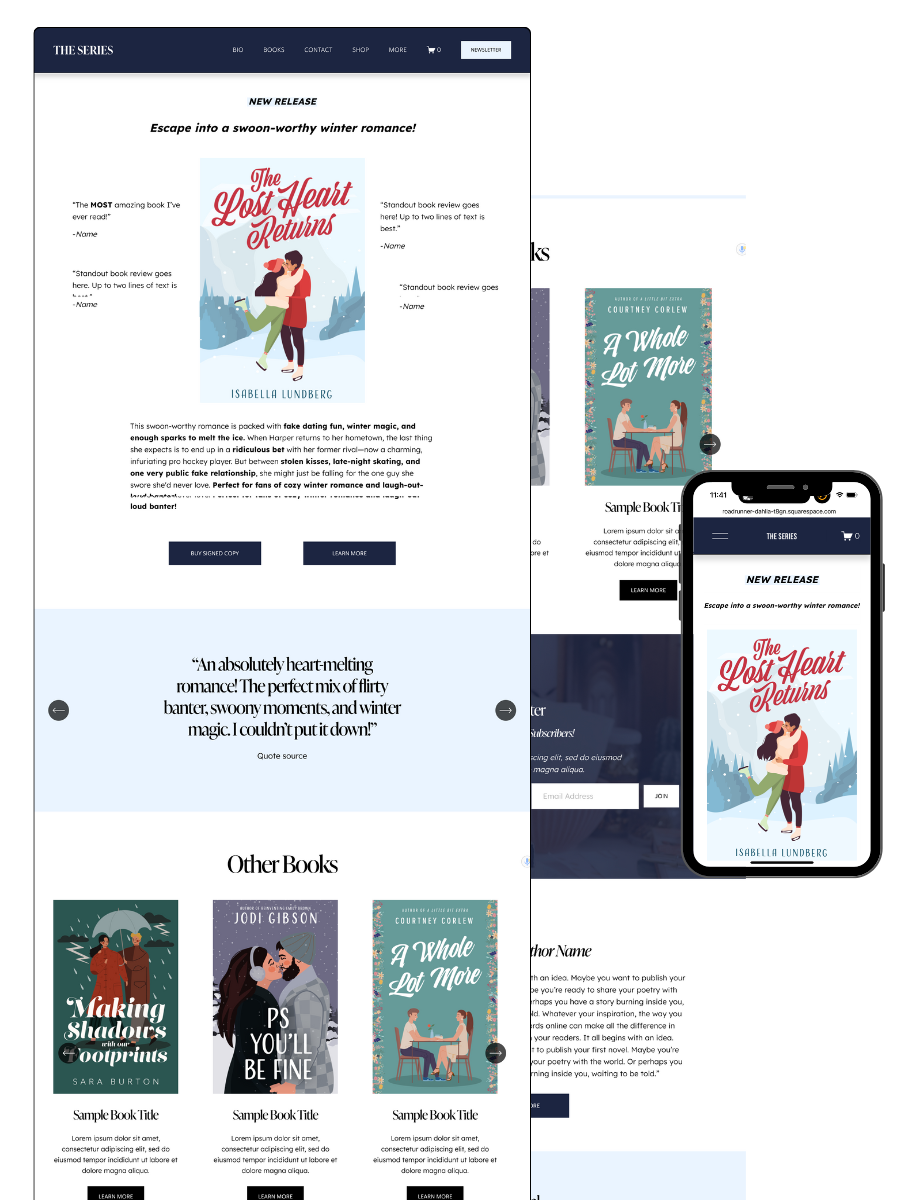
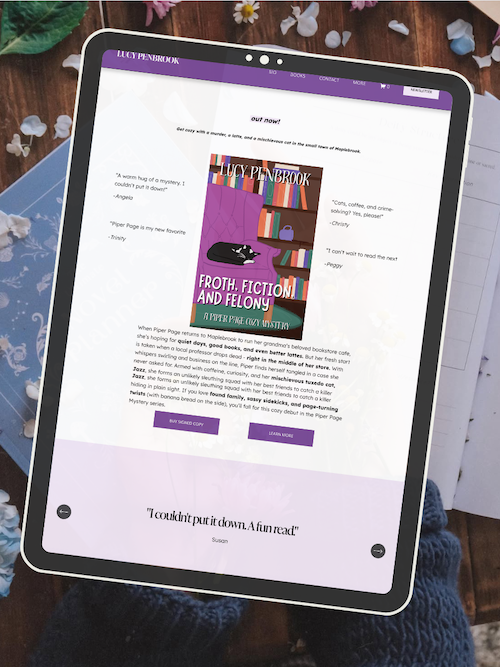
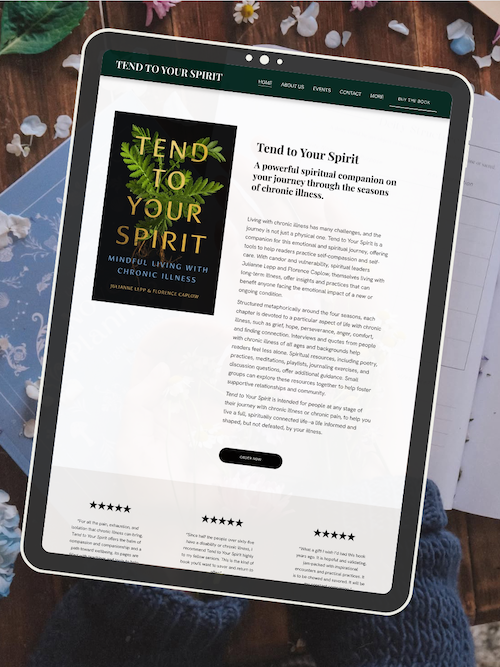
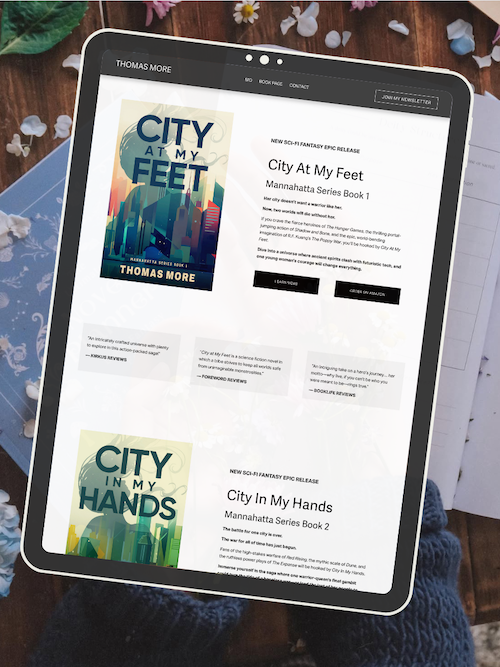
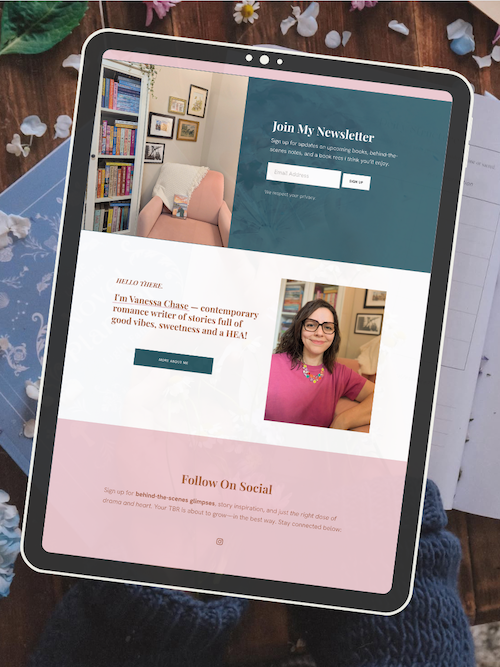
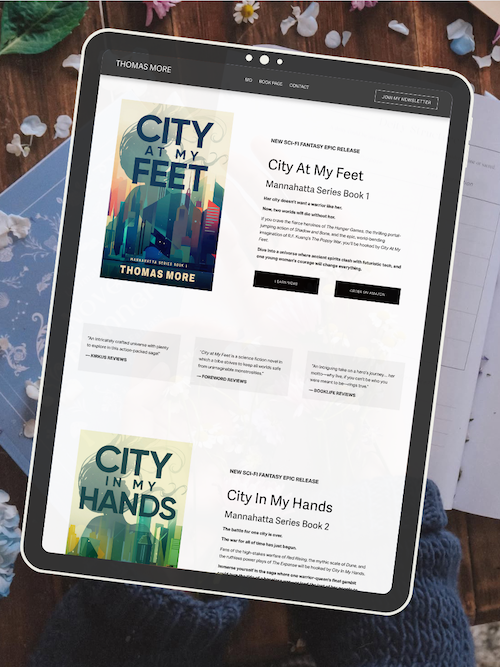
Here’s how real authors are using these Squarespace author website templates:
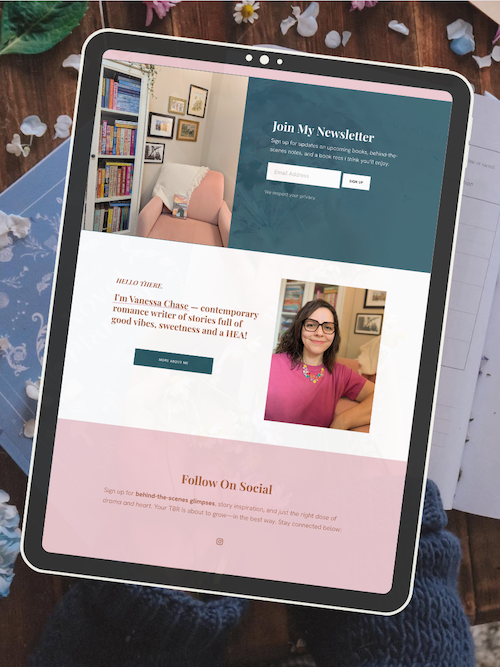
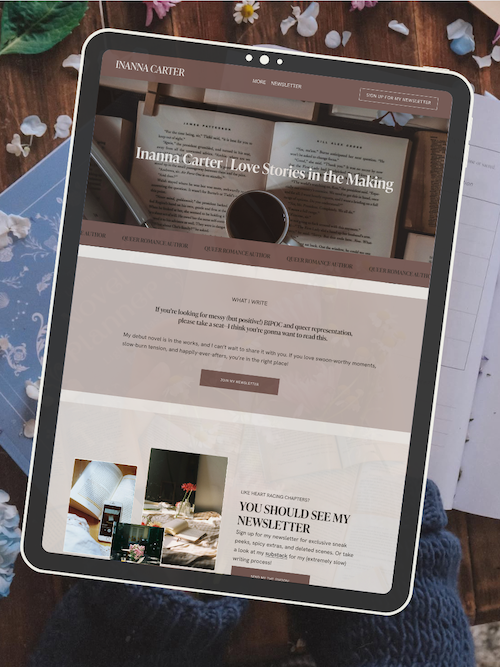
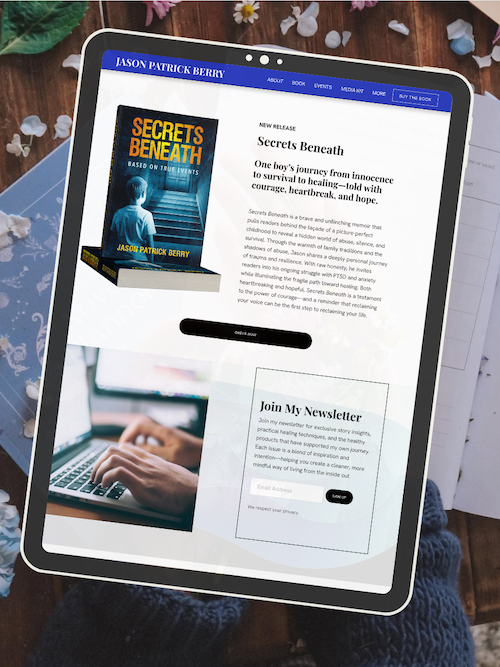
Key Takeaways
Build each pen name's website as a separate brand with its own design, biography, and reader engagement tools
Keep your pen name identities distinct by using separate domains, email lists, and social media accounts
Use website templates and built-in tools to simplify management across multiple author identities
AUTHOR WEBSITE EXAMPLES
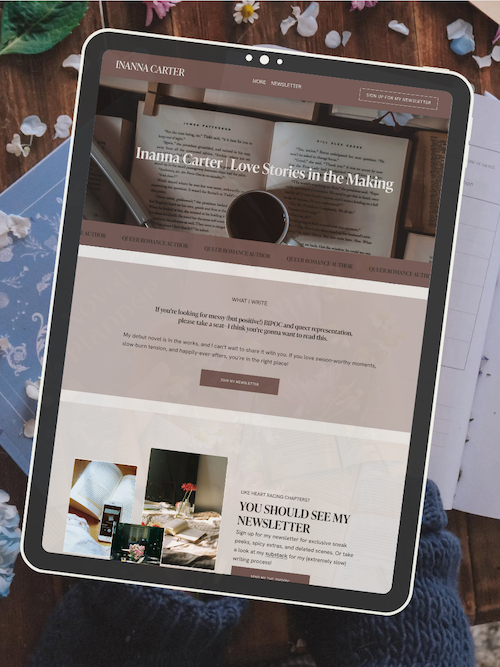
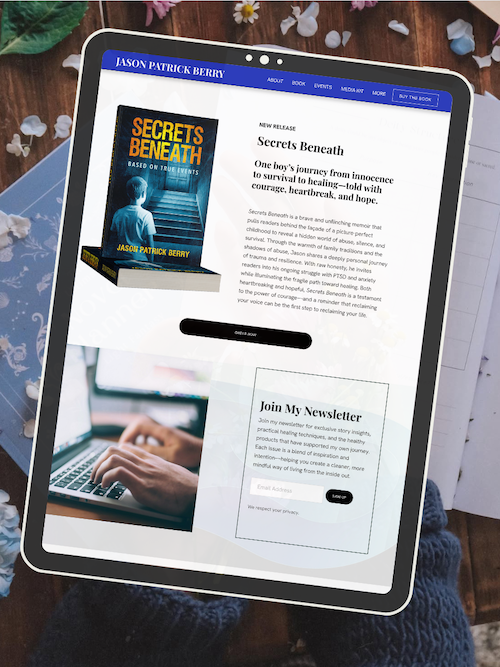
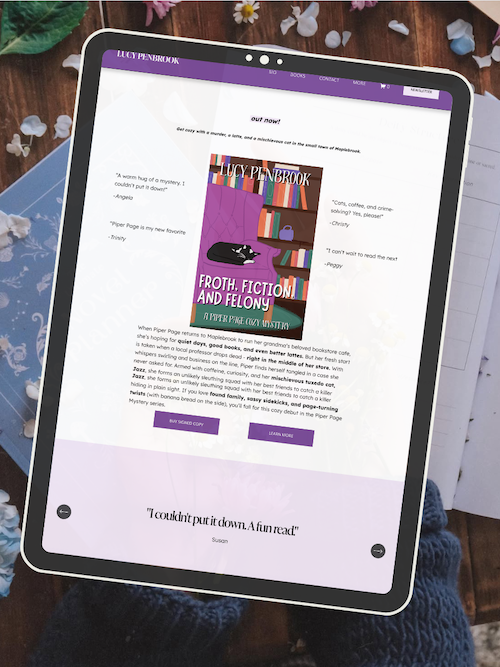
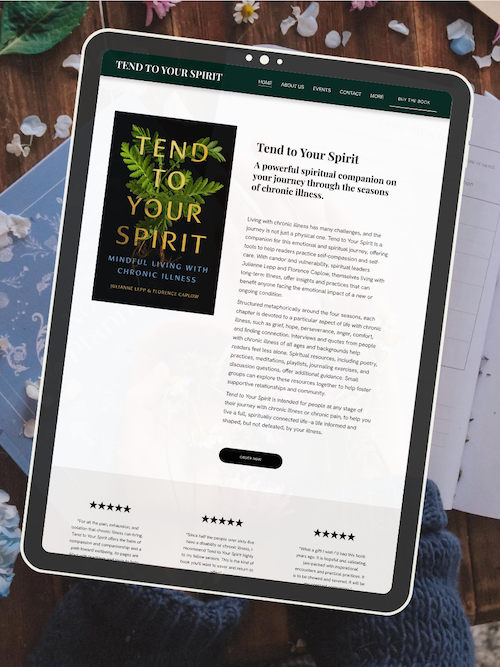
Building an Author Website for Pen Names
Creating a website under a pen name requires careful planning to establish your author persona while maintaining a professional online presence. You'll need to make strategic decisions about your pseudonym, brand identity, and site structure to connect with your target readers.
Why Use a Pen Name as an Author
A pen name gives you creative freedom to write across different genres without confusing your audience. If you write romance novels but want to publish a thriller series, using separate pseudonyms helps you build distinct reader bases for each category.
Privacy is another common reason. You might want to separate your writing career from your day job or personal life. Many teachers, lawyers, and other professionals choose pen names to maintain boundaries between their careers.
Genre branding becomes clearer when you use different pen names. Your historical fiction readers won't get confused by your contemporary romance releases. Each pseudonym can develop its own voice, style, and following.
Common reasons to use a pen name:
Writing in multiple genres
Protecting your privacy
Creating a memorable brand
Following literary traditions
Avoiding confusion with similar author names
Famous authors like Stephen King (who wrote as Richard Bachman) and Agatha Christie (who used Mary Westmacott) prove this strategy works. They created separate identities to experiment with new styles or publish more frequently without oversaturating their main brand.
Choosing the Right Pen Name and Author Persona
Your pen name should be easy to remember, spell, and pronounce. Avoid complicated spellings or unusual character combinations that readers might struggle to search for online.
Check domain availability before committing to a pseudonym. You want www.yourpenname.com to be available. Search existing authors on Amazon and Goodreads to make sure your chosen name isn't already taken or too similar to an established writer.
Steps to pick a pen name:
Brainstorm names that fit your genre
Check domain availability
Search Amazon and Goodreads
Test how it looks in bylines
Say it out loud several times
Consider gender-neutral pen names if you write in genres where author gender affects sales. A gender-neutral pen name or gender-neutral pen names can help you reach broader audiences in certain markets.
You can use a pen name generator or ai-powered pen name generator for pen name ideas and pen name suggestions. These tools create options based on your genre and preferences. But trust your instincts over algorithms when making your final choice.
Your author persona goes beyond just a name. Decide how much personal information you'll share. Will you include an author photo? Will you engage on social media? Your persona should feel authentic while maintaining the boundaries you've set.
Crafting Your Author Brand and Literary Identity
Your author brand communicates what readers can expect from your books. It includes your visual style, tone of voice, and the themes you explore in your writing.
Start with your genre's visual conventions. Romance readers expect certain colors and imagery. Thriller readers respond to different design elements. Study bestselling books in your category to understand what works.
Key elements of your literary identity:
Visual style: Colors, fonts, and imagery that match your genre
Voice and tone: How you communicate with readers
Author bio: Your background and writing focus
Book themes: What your stories are really about
Your author branding should stay consistent across your website, social media, and book covers. When readers see your content, they should immediately recognize it as yours.
Multiple pen names require separate brands for each pseudonym. Don't cross-pollinate unless you eventually want to reveal the connection. Each literary identity needs its own distinct personality and visual style.
Think about literary traditions in your genre. Historical fiction has different expectations than science fiction. Your literary pen names should fit naturally into the categories where you're publishing.
Best Practices for Website Structure and Branding
Your pen name website structure should be simple and reader-focused. Most author sites need just a few core pages: Home, Books, About, and Contact.
Buy your domain using your pen name (example: www.johnsmithauthor.com). Use platforms like WordPress, Wix, or Squarespace to build your site. These platforms offer templates designed specifically for authors.
Essential pages for your author website:
Home: Clear introduction to you and your books
Books: Your published works with cover images and buy links
About: Your author bio and background
Newsletter signup: Build your email list
Contact: Simple contact form or email
Your website design should match your book covers and author brand. Use the same color palette and fonts throughout. This creates a cohesive experience that builds trust with readers.
Keep your pen name completely separate from other identities. Don't link to your real name or other pseudonyms unless that's part of your strategy. Use a separate email address for each nom de plume you manage.
If you're managing multiple pen names, you'll need separate websites for each. This keeps your genres and audiences distinct. Each site should feel like it belongs to a completely different author.
Set up your author profiles on Amazon Author Central, Goodreads, and BookBub using your pseudonym. These platforms let you connect with readers and promote your books. Make sure all your online presence stays consistent with your chosen identity.
Frequently Asked Questions
Setting up a website under a pen name comes with unique questions about privacy, branding, and technical setup. Most writers want to know how to build their site, what to include on it, and how to keep their real identity separate from their author persona.
How can I create an author website for my pen name?
Creating an author website for your pen name works exactly like building any other website—you just use your pseudonym instead of your legal name. Pick a platform like Squarespace that offers templates designed for authors and creatives. You don't need to register your pen name legally in most cases to use it on a website.
Start by choosing a domain name that matches your pen name. If your pen name is Jane Author, try to grab janeauthor.com or something close to it. Purchase your domain through your website platform or a separate registrar.
Use your pen name everywhere on the site. Put it in your header, your about page, and your contact forms. Keep your legal name completely separate unless you need it for backend payment processing or contracts.
You'll need an email address that matches your pen name for communication with readers. Set up a professional email like hello@yourpenname.com or contact@yourpenname.com. This keeps everything consistent and protects your privacy.
What are the key elements to include on a pen name author website?
Your pen name website needs an author bio that tells your story without revealing your real identity. Write about your writing journey, your interests, and why you write—all from the perspective of your pen name persona. Keep personal details vague enough to maintain privacy but specific enough to feel authentic.
A books page is essential. Display your covers, descriptions, and buy links for all your titles. Make it easy for readers to find and purchase your work with clear buttons and links to major retailers.
Include a contact page or form so readers, bloggers, and media can reach you. Use an email address tied to your pen name, not your personal account. Consider using a contact form instead of displaying your email directly to reduce spam.
Add a newsletter signup form on multiple pages. Your email list is your most valuable asset as an author. Place signup forms in your header, footer, and as pop-ups or embedded forms on key pages.
A blog or news section helps with SEO and keeps readers engaged. Share writing updates, book news, or content related to your genre. Regular posts signal to search engines that your site is active and relevant.
How do I manage multiple pen names on a single author website?
You shouldn't manage multiple pen names on one website. Each pen name needs its own separate site with its own domain, design, and branding. This keeps your author identities distinct and prevents reader confusion.
Build a separate website for each pen name you use. Give each one its own visual identity, about page, and book list. Readers who enjoy your romance novels under one name don't need to know you also write horror under another.
Keep your pen names completely separate online. Don't cross-link between sites or mention your other pen names in your author bio. The whole point of using multiple pseudonyms is to keep those audiences and brands separate.
Use different email addresses for each pen name. Set up separate newsletter lists and social media accounts. This separation protects your privacy and maintains clear boundaries between your different author identities.
If you write in drastically different genres, separate pen names and websites help readers find exactly what they expect from you. A reader looking for cozy mysteries doesn't want to stumble across your explicit romance novels by accident.
What are the best practices for book promotion on an author website?
Make your books visible on every page. Add a header banner or sidebar widget that showcases your latest release. Include clear "Buy Now" buttons that link directly to retailers where readers can purchase.
Create dedicated landing pages for each book launch. These focused pages should include the cover, blurb, buy links, reviews, and bonus content. Drive all your promotional traffic to these pages during launch periods.
Offer a freebie or reader magnet in exchange for email signups. This could be a free short story, the first book in a series, or exclusive bonus scenes. Once readers are on your list, you can promote new releases directly to them.
Use your blog to share behind-the-scenes content about your books. Write about your writing process, character inspiration, or research. This content attracts readers through search engines and gives fans reasons to keep visiting your site.
Add social proof by displaying reviews and testimonials. Pull quotes from reviewers or readers and feature them on your homepage and book pages. Good reviews build trust and encourage new readers to take a chance on your work.
Keep your site updated with your latest releases and news. An outdated website with old information tells readers you're not active anymore. Regular updates show you're a working author with new books coming.
How can I protect my privacy when using a pen name on my author website?
Use domain privacy protection when you register your domain name. This service hides your personal information from the public WHOIS database. Most domain registrars offer this for a small annual fee or include it free.
Set up a business address or PO box for any legal requirements. Some situations require a physical address, like copyright registration or business filings. Never use your home address on your website or in public author materials.
Keep your pen name separate from your social media accounts that use your real name. Don't link between them or use the same profile photos. Be careful about what personal information you share in interviews or blog posts.
Use a pen name for all public-facing aspects of your author business. This includes your book covers, author pages on retailers, and social media profiles. Save your legal name for backend business needs like tax forms and contracts.
Consider setting up a business entity like an LLC if you're concerned about privacy. You can publish under your pen name while the LLC owns the copyrights. This adds a legal layer between your real identity and your published work.
Be mindful of metadata in photos and documents you upload to your site. Remove location data from images before posting them. This prevents accidentally revealing where you live or work.
What SEO strategies should I use for my pen name author website?
Target your pen name as your primary keyword. Optimize your homepage, about page, and metadata to rank for searches of your author name. When readers or industry professionals search for you, your official site should be the top result.
Use book titles and series names as secondary keywords throughout your site. Create individual pages for each book and optimize them with the book title, genre keywords, and related search terms. This helps readers find specific books through Google.
Write blog content around topics your target readers search for. If you write historical romance, create posts about historical time periods, romance tropes, or reading recommendations. This attracts new readers who aren't searching for you by name yet.
Optimize your page titles and meta descriptions for every page on your site. These appear in search results.
Ready to launch your author website?
Explore my Squarespace website templates designed specifically for authors — easy to customize, beautifully designed, and built to help you sell more books.

SHOP THE AUTHOR WEBSITE TEMPLATES
THE MANUSCRIPT AUTHOR WEBSITE TEMPLATE — perfect for authors launching their first professional website with a simple, polished layout
THE DEBUT AUTHOR WEBSITE TEMPLATE — designed to highlight your first book, build your email list, and grow an audience from day one
THE SERIES AUTHOR WEBSITE TEMPLATE — ideal for showcasing multiple books with clear series pages and strong reader flow
THE ONE-PAGE AUTHOR AUTHOR WEBSITE TEMPLATE — a streamlined one-page site for authors who want something beautiful, fast, and easy
THE DONE-FOR-YOU AUTHOR WEBSITE EXPERIENCE — your author website built for you so you can launch without touching design or tech
MOST POPULAR BLOG POSTS
Authors Guide to Website Design & Branding
Squarespace Email Campaigns: A Guide for Authors
How to Create an Author Website on Squarespace (Step-by-Step)

Launch Your Author Website in a Day (Without the Tech Overwhlem)
*No more starting from scratch.
A simple, done-for-you Squarespace template built specifically for authors with a WIP.