How Often Authors Should Update Their Website: A Practical Guide to Staying Relevant Without Burning Out
Your author website isn't a "set it and forget it" project. It's a living tool that needs regular attention to stay relevant and visible to readers. But between writing your next book, marketing, and everything else on your plate, how often should updating your website actually be on your to-do list?
Authors should update their website every three to six months for existing content, and add new blog posts or announcements around major book launches, events, or career milestones. This keeps your site fresh for search engines and shows readers you're active without overwhelming your schedule. The goal isn't constant updates—it's strategic ones that match your publishing calendar and reader expectations.
Think of your website like your author brand's home base. Small updates keep things accurate and engaging, while bigger refreshes around book releases help you capitalize on reader interest. The key is finding a rhythm that works for your writing life, not someone else's arbitrary posting schedule.
Want a beautiful author website without spending weeks designing it from scratch? These Squarespace website templates for authors are designed to showcase your books, grow your email list, and look professional instantly.

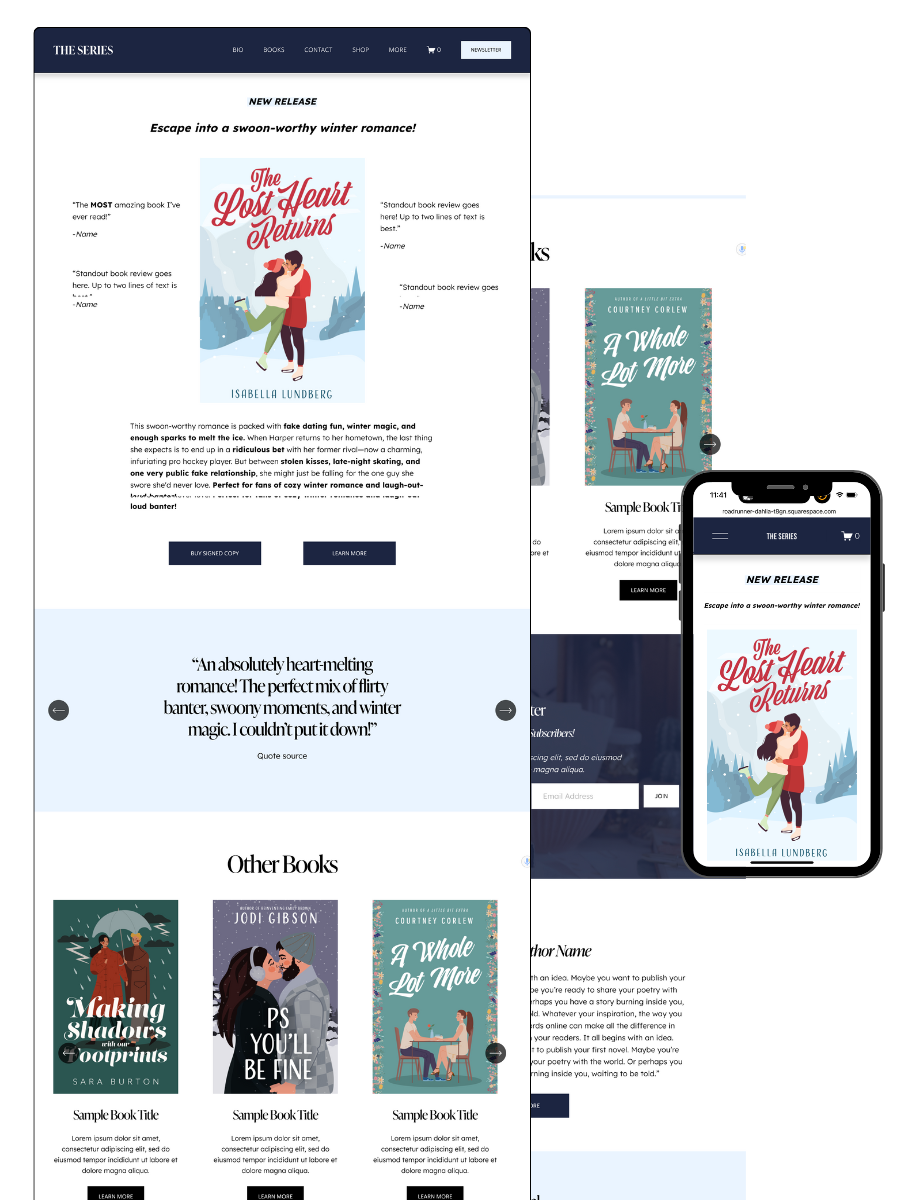
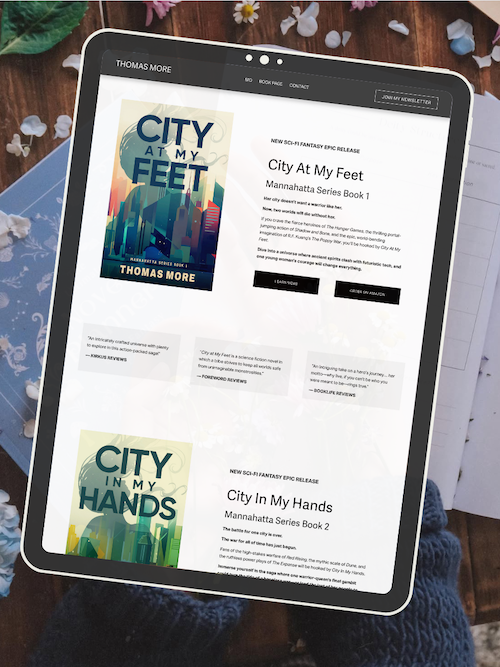
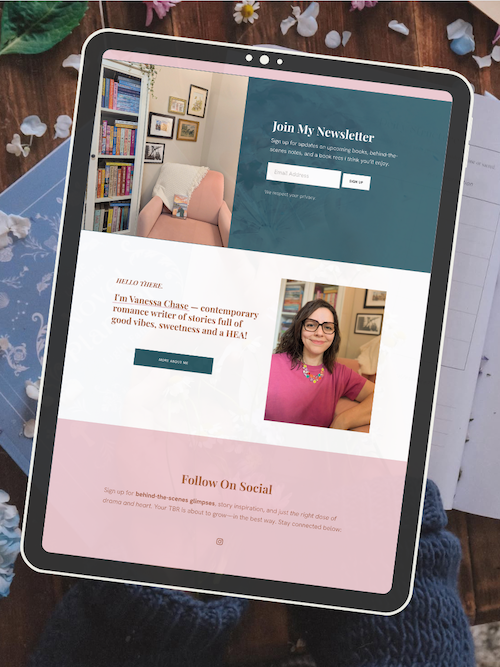
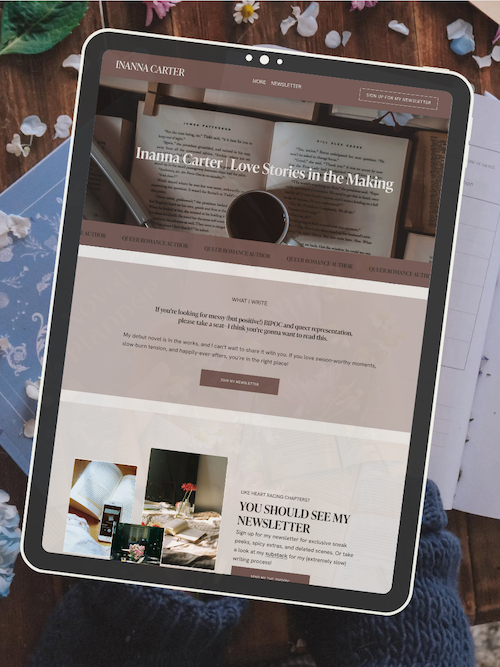
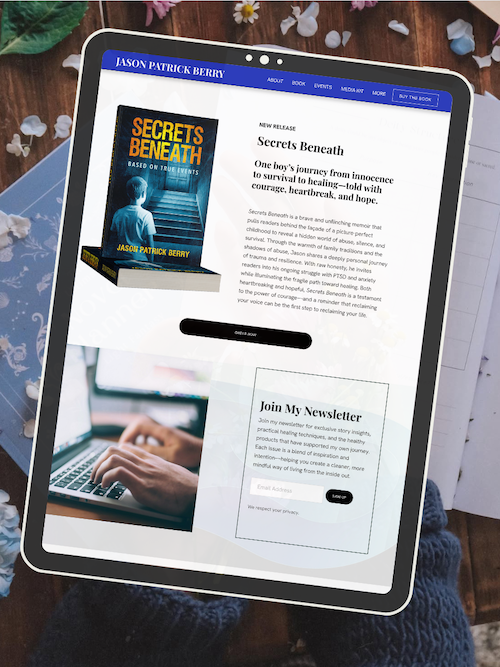
Here’s how real authors are using these Squarespace author website templates:
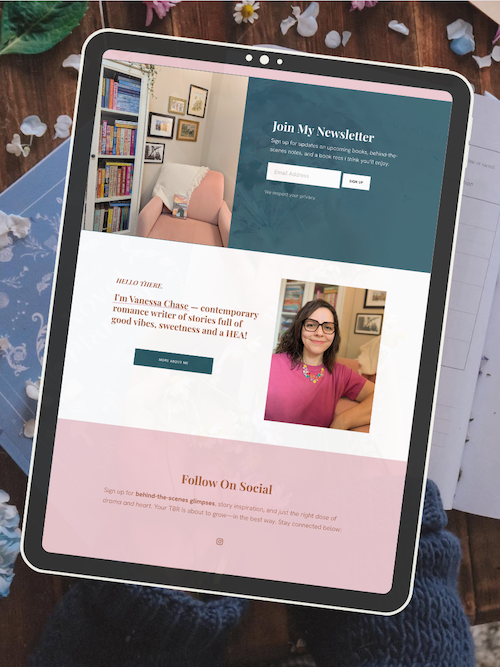
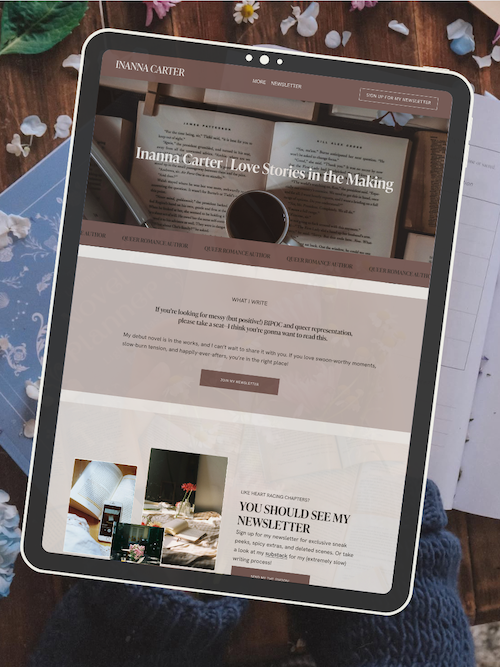
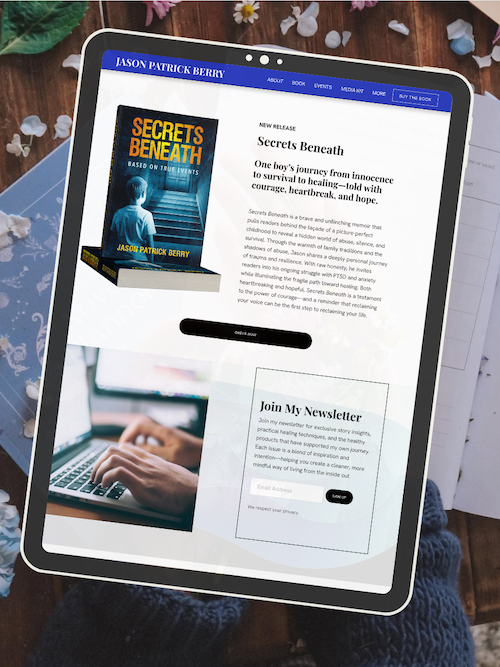


Key Takeaways
Update existing website content every three to six months to keep information accurate and maintain search visibility
Add new content around book launches and major career events to capture reader interest when it matters most
Balance updates with your publishing schedule instead of forcing constant changes that don't serve your goals
AUTHOR WEBSITE EXAMPLES


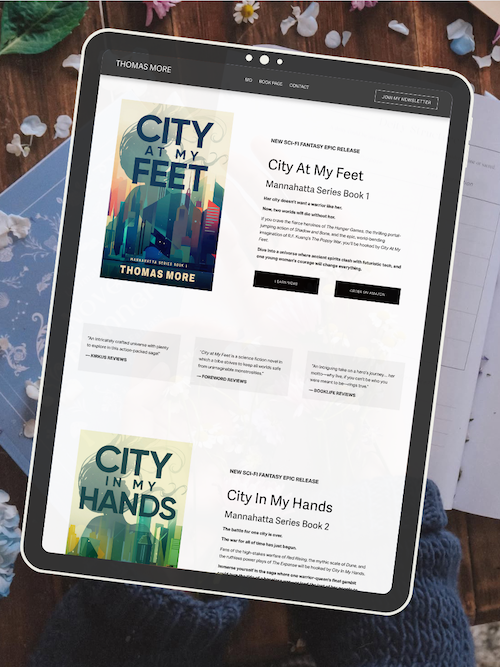
How Often Authors Should Update Their Website for SEO and Reader Engagement
Your website needs regular updates to stay visible in search engines and keep readers coming back. The sweet spot for most authors is publishing new blog content weekly or bi-weekly, refreshing existing pages every three to six months, and auditing your entire site quarterly to catch technical issues and outdated information.
Understanding the Role of Fresh Content and Content Updates
Google's algorithm favors websites that show signs of life. When you regularly update your website content, search engines notice that your site is active and relevant. This doesn't mean you need to rewrite everything constantly—but it does mean you should treat your website as a living space, not a static business card.
Fresh content signals to Google that you're engaged with your audience. When you add new blog posts, update your book pages with recent testimonials, or refresh your bio with new achievements, you're telling search engines there's a reason to crawl your site more often.
Content updates serve a different but equally important purpose. These are changes you make to existing pages—fixing broken links, updating meta descriptions, adding new internal links, or expanding sections that could offer more value. A study found that websites updating one existing piece for every three new pieces published saw visibility increases of 23-40% over six months.
Your readers care about fresh content too. They want to know what you're working on now, not just what you published three years ago. Regular updates keep your website from feeling abandoned and give visitors a reason to return.
Recommended Update Frequency: What Squarespace Authors Need to Know
For new content: Aim to publish a new blog post every one to two weeks if you're actively building your author platform. If that feels overwhelming, monthly updates are better than nothing. The key is consistency, not perfection.
For existing content: Review and refresh your main pages every three to six months. This includes your homepage, about page, book pages, and contact information.
For full site audits: Conduct a complete review of your entire Squarespace website every three months. This is when you check for broken links, outdated information, and technical issues that might hurt your seo performance.
Author websites have different needs than daily news sites. You don't need to update your content every single day to rank well. What matters more is that when readers land on your site, everything they see is accurate, functional, and reflects where you are in your career right now.
A practical update schedule for authors:
Weekly or bi-weekly: New blog posts, newsletter sign-up incentives, or writing updates
Monthly: Social media feeds, upcoming events, or speaking engagements
Quarterly: Book pages, testimonials, media kit, author bio
Annually: Website design refresh, navigation structure, content strategy review
How to Use Analytics and Search Console to Identify When to Update
Google Analytics (now GA4) and Google Search Console tell you exactly which pages need attention. You don't have to guess—the data shows you where readers are leaving, what content isn't ranking, and which pages could perform better with some love.
In Google Search Console, look at your impressions versus clicks. If a page shows up in search results thousands of times but barely gets clicked, your meta description or title probably needs work. If impressions are dropping over time, your content might be losing relevance for that search term.
GA4 shows you engagement metrics like bounce rate and average session duration. High bounce rates on important pages (your homepage, book sales pages, or newsletter sign-up) signal that something isn't connecting. Maybe the page loads too slowly, the call to action isn't clear, or the content doesn't match search intent.
Check which pages drive the most organic traffic. These are your winners—and they deserve regular updates to maintain their rankings. Add new information, update statistics or release dates, improve internal linking to other relevant pages, or expand thin sections that could answer reader questions better.
Red flags that demand immediate updates:
Pages with broken links (check monthly)
Content mentioning "upcoming" books that released months ago
Testimonials or case studies from years past with no recent additions
Outdated contact information or booking details
Error pages showing up in your analytics
Types of Website Content That Require Different Update Schedules
Not all content ages at the same rate. Your book release announcement from 2023 needs different handling than your evergreen guide on "How to Start Reading Fantasy."
Static pages like your About page or author bio need updates whenever something significant changes—new book deals, awards, agent representation, or major life moves. Review them quarterly even if nothing changed, just to make sure they still sound like you and reflect your current brand.
Blog posts fall into two categories. Timely posts (book reviews, event recaps, industry news reactions) don't need updates—they're snapshots of a moment. Evergreen content (writing tips, reading guides, how-to articles) should be refreshed every six to twelve months. Add new examples, update any outdated references, and improve on-page optimization based on current keyword research.
Book pages need attention at specific trigger points: before launch (add pre-order links and testimonials), at launch (update with purchase links and early reviews), and quarterly afterward (add new reviews, update series order if applicable, refresh product descriptions to maintain conversion rates).
Events and appearances should be updated monthly. Nothing makes a website feel more abandoned than an "Upcoming Events" section full of dates from last year.
Resource pages and freebies need quarterly checks. Are download links still working? Is the opt-in offer still relevant? Does the page reflect your current content strategy?
Prioritizing Updates: Conversion Pages, Blogs, and Evergreen Content
Your time is limited. Focus your update efforts where they'll make the biggest impact on your author business.
Start with conversion pages. These are the pages designed to turn visitors into readers, subscribers, or buyers—your homepage, book sales pages, newsletter sign-up, and contact page. Check these monthly. Even small improvements to calls to action, testimonials, or page load speed can meaningfully boost trial sign-ups and conversion rates.
Next, tackle your top-performing blog content. Use analytics to identify your five to ten most-visited posts. These posts already rank well and drive organic traffic—keep them that way. Update facts, add new sections addressing related questions, improve internal links to newer content, and refresh meta descriptions to improve click-through rates from SERPs.
Then address evergreen content. These are your timeless how-to guides, reading lists, and resource pages. They don't need updates as often as trending topics, but when you do refresh them, the improvements compound over time. Evergreen content is your long-term growth engine—it keeps working for you years after you publish
Frequently Asked Questions
Authors often wonder how often they should refresh their site, what content matters most, and whether too many updates could backfire. These questions help you understand the practical side of keeping your author website active and effective.
What frequency of website updates is considered ideal for authors to maintain engagement?
You should aim to update your author website at least once every three months to keep readers engaged and search engines interested. This schedule gives you time to create quality content without burning out.
Between book launches, monthly updates work well. You can add blog posts, share writing progress, or post updates about upcoming events.
During active book launches or promotional periods, weekly updates help maintain momentum. Fresh content keeps your audience checking back and signals to Google that your site is active.
The key is consistency. Pick a schedule you can actually stick to rather than updating randomly or letting months pass without changes.
How can regular website content updates impact an author's online presence and book sales?
Regular updates improve your search engine rankings because Google prioritizes websites that consistently produce fresh content. When your site ranks higher, more potential readers find you organically.
Fresh content gives readers reasons to return to your site. Each new blog post, book update, or newsletter signup incentive creates another opportunity for someone to discover your work and buy your books.
Updated content also builds trust with your audience. When visitors see recent posts and current information, they know you're an active author who's engaged with your career.
Active websites convert better. A site with recent updates looks professional and current, making visitors more likely to join your email list or purchase your books.
What types of website content should authors prioritize updating, and why?
Your blog should be your top priority for regular updates. Blog posts improve SEO, provide value to readers, and establish you as an authority in your genre.
Book pages need updating with each new release. Add new titles, update series information, and refresh descriptions to reflect current pricing and availability.
Your homepage should change quarterly. Update featured books, rotate testimonials, or highlight upcoming events to keep things fresh for returning visitors.
Email signup forms and lead magnets deserve attention too. Test different offers and update your free chapter or reader magnet to match your current release strategy.
News or events sections should be current. Remove outdated information about past events and add upcoming speaking engagements, book signings, or online appearances.
Can updating an author's website too frequently have any negative effects?
Yes, updating too often can actually hurt your results. If you publish low-quality content just to meet a daily posting schedule, you'll frustrate readers and waste your time.
Search engines prefer substantial, valuable updates over thin content posted constantly. Three well-researched blog posts per month beat ten rushed, short posts with little substance.
Too many changes to your site structure or navigation confuses visitors. Readers who return to your site expect to find things where they left them.
Constant updates also drain your energy. Writing books should be your main focus, not spending hours every week refreshing website content.
The sweet spot balances consistency with quality. Update regularly enough to stay relevant without sacrificing the substance that makes readers stick around.
How can authors measure the effectiveness of their website update frequency?
Google Analytics shows you which content brings visitors to your site. Check page views, time on page, and bounce rates to see what resonates with readers.
Track your email list growth rate. If signups increase after you start updating more frequently, you're on the right track.
Monitor book sales patterns around content updates. Look for correlation between blog posts or website refreshes and sales bumps.
Search Console data reveals how your SEO performance changes over time. Watch for improvements in impressions, clicks, and average position as you update more consistently.
Reader engagement matters too. Count comments on blog posts, social shares, and direct messages from fans who mention seeing your updates.
Set benchmarks before changing your update schedule. Note your current traffic, email subscribers, and sales, then measure again after three months of your new routine.
What strategies can authors employ to streamline the process of updating their website regularly?
Create a content calendar that plans updates three months ahead. Schedule blog topics, book announcements, and promotional content so you're never scrambling for ideas.
Batch your content creation. Write several blog posts in one sitting, then schedule them to publish throughout the month using Squarespace's scheduling feature.
Repurpose content across platforms. Turn a blog post into social media snippets, newsletter content, and website updates to maximize each piece of writing.
Use templates for recurring content types. Create a standard format for book announcements, monthly newsletters, or reading recommendations to speed up the process.
Keep a running list of content ideas. When inspiration strikes, jot down blog topics, reader questions, or behind-the-scenes stories you can develop later.
Set specific time blocks for website maintenance. Dedicate one morning per month to website updates instead of trying to fit them in sporadically.
Squarespace templates make updates faster because they maintain consistent design automatically. Choose a template built for authors so adding new content stays simple and on-brand.
Ready to launch your author website?
Explore my Squarespace website templates designed specifically for authors — easy to customize, beautifully designed, and built to help you sell more books.

SHOP THE AUTHOR WEBSITE TEMPLATES
THE MANUSCRIPT AUTHOR WEBSITE TEMPLATE — perfect for authors launching their first professional website with a simple, polished layout
THE DEBUT AUTHOR WEBSITE TEMPLATE — designed to highlight your first book, build your email list, and grow an audience from day one
THE SERIES AUTHOR WEBSITE TEMPLATE — ideal for showcasing multiple books with clear series pages and strong reader flow
THE ONE-PAGE AUTHOR AUTHOR WEBSITE TEMPLATE — a streamlined one-page site for authors who want something beautiful, fast, and easy
THE DONE-FOR-YOU AUTHOR WEBSITE EXPERIENCE — your author website built for you so you can launch without touching design or tech
MOST POPULAR BLOG POSTS
Authors Guide to Website Design & Branding
Squarespace Email Campaigns: A Guide for Authors
How to Create an Author Website on Squarespace (Step-by-Step)

Launch Your Author Website in a Day (Without the Tech Overwhlem)
*No more starting from scratch.
A simple, done-for-you Squarespace template built specifically for authors with a WIP.