Author Website Features Readers Love: Essential Elements That Build Fan Loyalty and Boost Engagement
Your author website is more than just a digital business card. It's the main place where readers decide if they want to connect with you and your books. A good website can turn a casual visitor into a loyal fan who buys your books and joins your email list.
The best author websites share common features that keep readers engaged, make information easy to find, and create a memorable experience that brings people back. These aren't complicated or expensive features. They're simple, reader-focused elements that show you understand what your audience wants and needs.
In this guide, you'll learn exactly which website features readers love most and how to add them to your own site. Whether you're building your first author website or improving an existing one, these features will help you connect with readers and grow your audience.
Want a beautiful author website without spending weeks designing it from scratch? These Squarespace website templates for authors are designed to showcase your books, grow your email list, and look professional instantly.

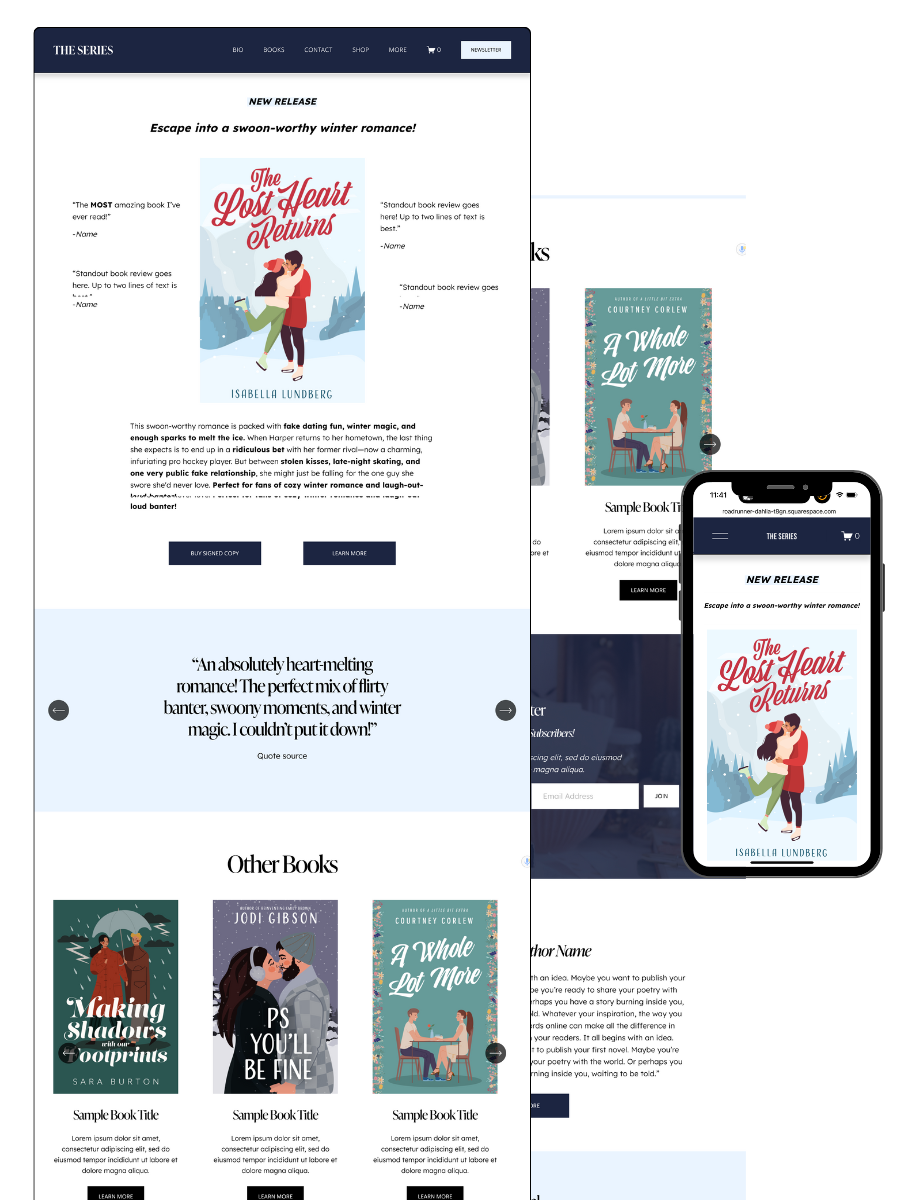
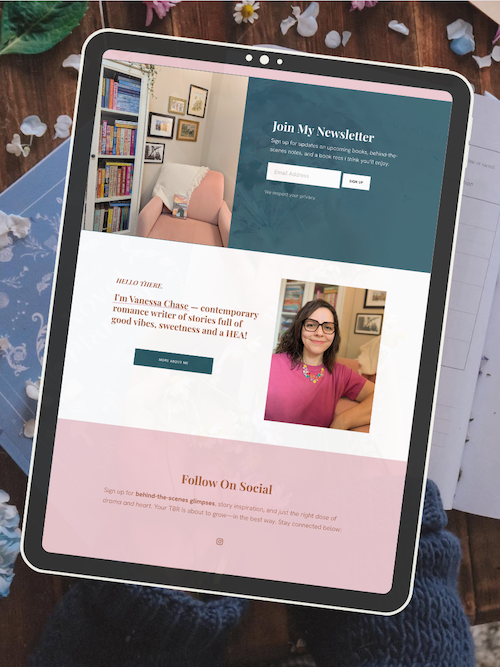
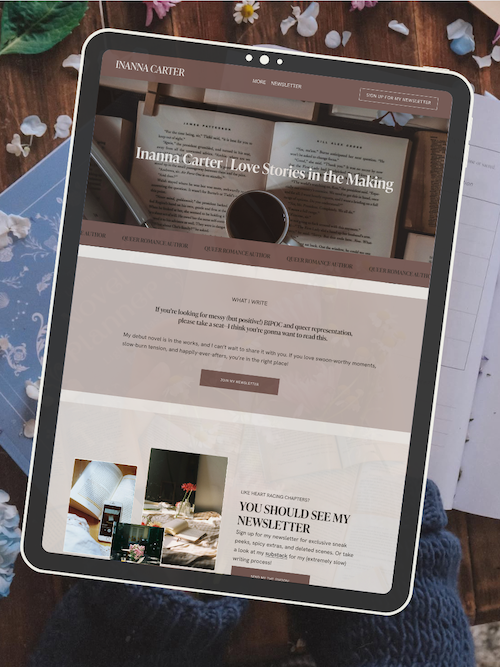
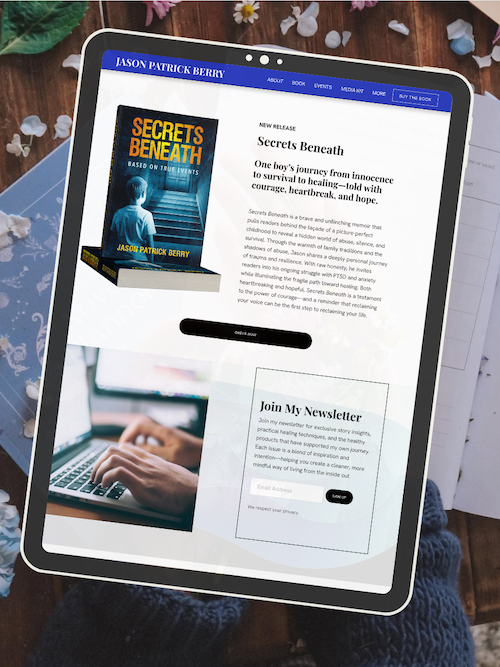
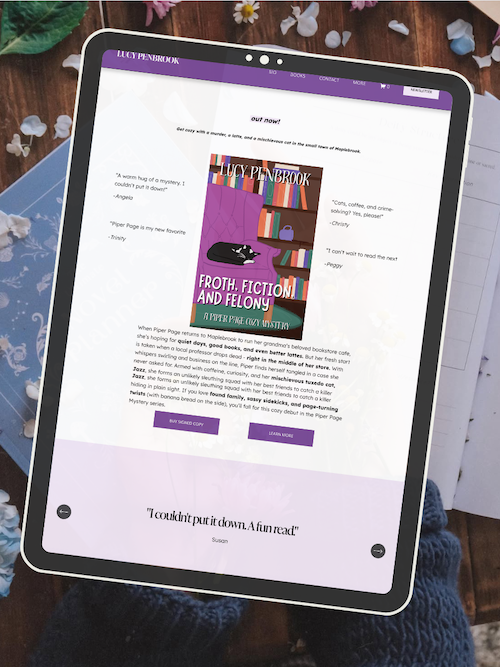
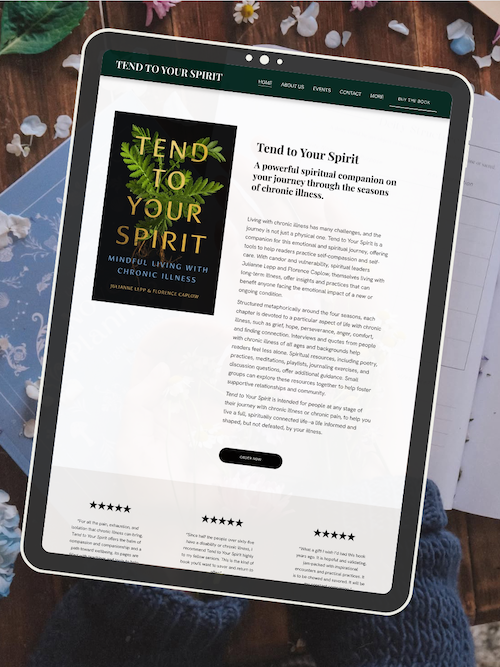
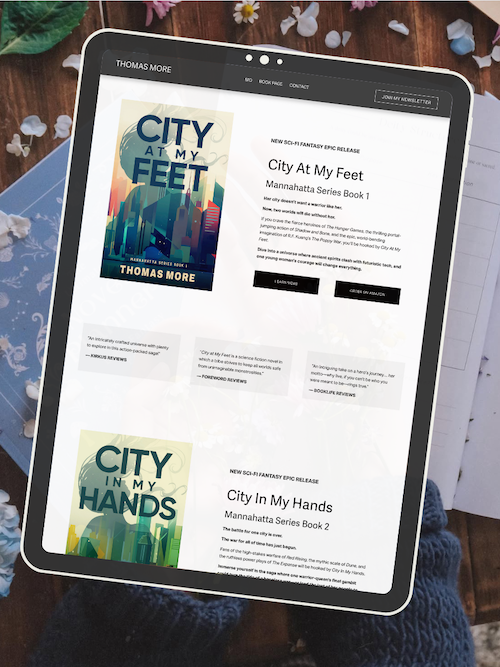
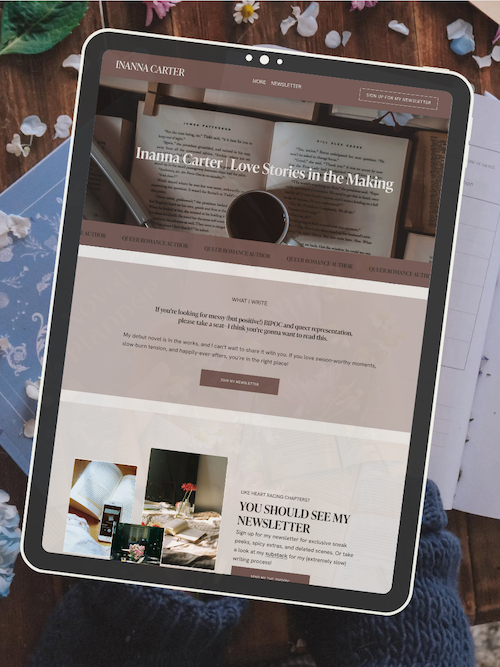
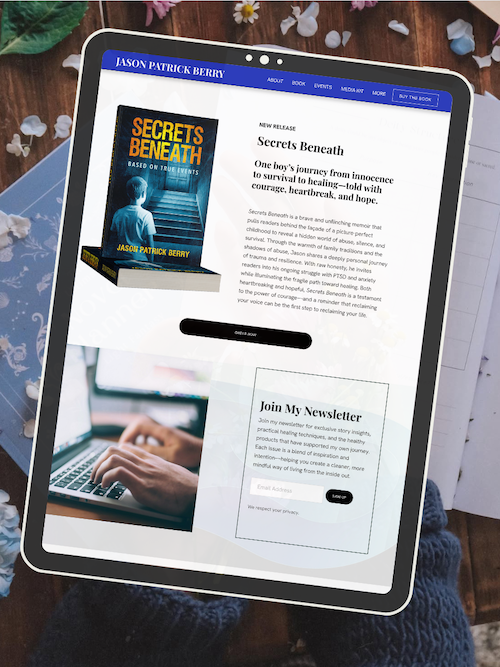
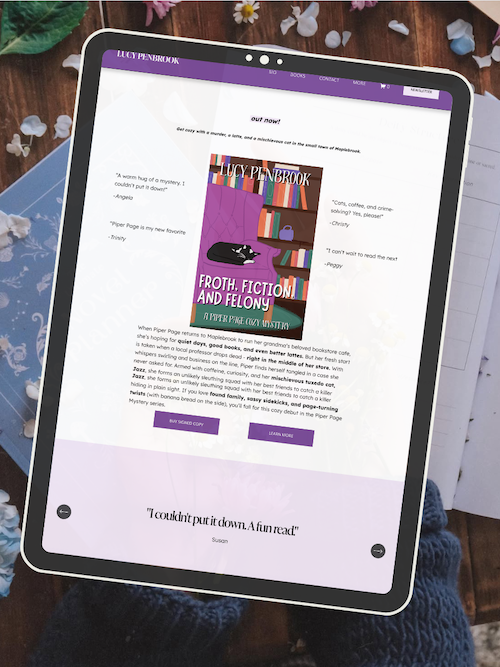
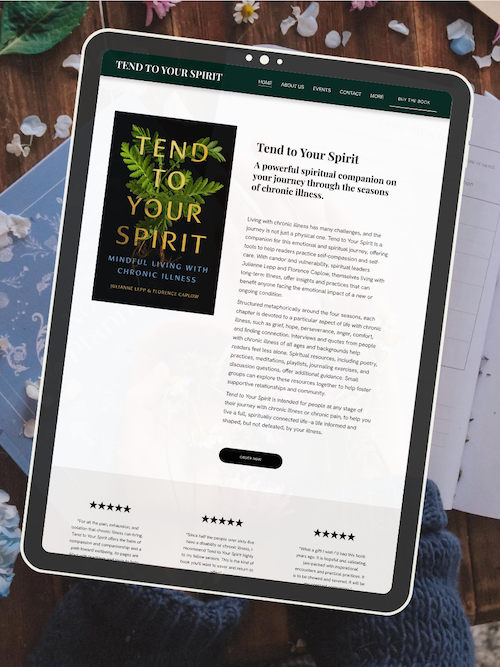
Here’s how real authors are using these Squarespace author website templates:
Why Your Website Features Matter
Your website features directly affect how readers experience your brand. When someone lands on your site, they make quick decisions about whether to stay or leave. Good features help them find what they need fast.
Think about the last time you visited a website that was hard to use. You probably left quickly. Your readers do the same thing.
The right features make your site easy to use and enjoyable to explore. They help readers learn about your books, sign up for your newsletter, and feel connected to you as an author.
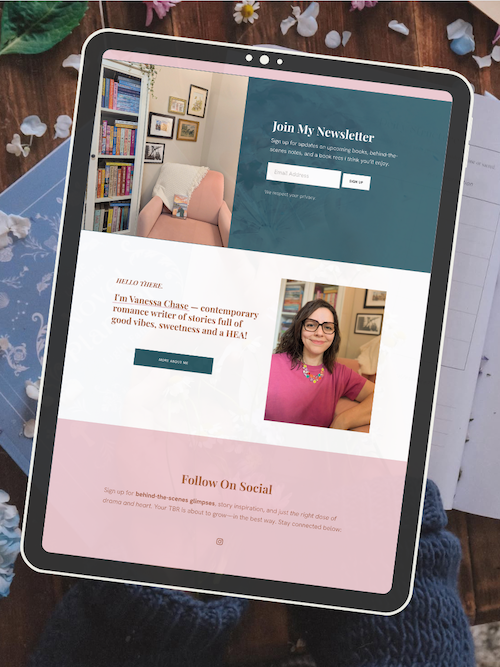
AUTHOR WEBSITE EXAMPLES
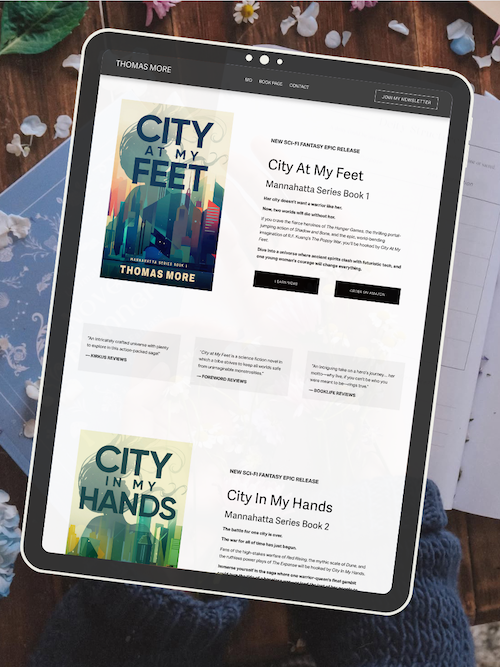
Clean, Easy-to-Use Navigation
Readers want to find things quickly. Your navigation menu should be simple and clear. Keep it to five or fewer main menu items.
Most author websites need these basic pages: Home, Books, About, Blog, and Contact. You can add more later, but start with the basics that readers expect to see.
Put your navigation menu where readers expect it—at the top of your page or in a sidebar. Use clear labels that tell people exactly what they'll find when they click.
A Welcoming Homepage
Your homepage is often the first thing readers see. Make it count with a clear headline that tells visitors who you are and what you write.
Include a high-quality photo of yourself or your latest book cover. People connect with faces, so a professional author photo helps build trust.
Add a brief welcome message that speaks directly to your readers. Tell them what makes your books special and why they should care. Keep it short—just a few sentences.
Your Book Showcase
Readers visit author websites to learn about books. Create a dedicated page that showcases all your work in one place.
For each book, include the cover image, a compelling description, and buy links to major retailers. Make it easy for readers to purchase right away.
Consider organizing your books by series, genre, or publication date. This helps readers find exactly what they're looking for without getting confused.
An Engaging About Page
Your About page is where readers get to know you. Share your author bio, but make it personal and interesting—not just a list of achievements.
Tell readers why you write what you write. Share a bit about your life, your inspiration, or what you're working on now. This connection keeps readers coming back.
Include another professional photo and links to your social media profiles. Make it easy for readers to follow you on their preferred platforms.
Email Signup That's Hard to Miss
Your email list is your most valuable marketing tool. Make signing up simple and obvious on every page of your site.
Use a clear signup form with a compelling reason to join. Offer a free chapter, exclusive content, or early access to new releases. Give readers value in exchange for their email address.
Place signup forms in multiple spots: your homepage, blog sidebar, and footer. Just don't make them annoying or block important content with popups that appear too quickly.
A Blog or News Section
Regular blog posts keep your website fresh and give readers a reason to return. You don't need to blog every day—even monthly updates help.
Write about topics your readers care about: your writing process, book updates, character inspiration, or related topics in your genre. Keep posts readable and not too long.
A blog also helps with search engine optimization. When you write about topics readers search for, more people can find your website through Google.
Easy Contact Options
Make it simple for readers, bloggers, and industry professionals to reach you. Include a contact page with a basic form or your email address.
Decide what contact information you're comfortable sharing. Many authors use a separate author email instead of their personal address.
If you do speaking events, school visits, or book signings, mention that on your contact page. Let people know how to book you for these opportunities.
Mobile-Friendly Design
More than half of web traffic comes from phones and tablets. Your website must look good and work well on all devices.
Choose a website template that's responsive—meaning it automatically adjusts to different screen sizes. Most modern website builders include this feature by default.
Test your site on your phone regularly. Make sure buttons are easy to tap, text is readable without zooming, and images load properly.
Fast Loading Speed
Readers won't wait for slow websites. If your pages take more than a few seconds to load, people will leave before seeing your content.
Optimize your images by compressing them before uploading. Large image files are the most common cause of slow websites.
Choose a reliable website host with good performance. Budget hosting might save money upfront but cost you readers in the long run.
Social Proof and Reviews
Readers trust other readers. Display positive book reviews, testimonials, or endorsements prominently on your site.
Include quotes from reviews, star ratings from retailers, or praise from other authors. This builds credibility and helps convince visitors to try your books.
Link to your Goodreads profile or other platforms where readers can see more reviews. Don't hide the social proof—make it visible.
Upcoming Events and Appearances
If you do book signings, conferences, or virtual events, create a page to list them. This shows you're active and gives readers ways to meet you.
Include dates, locations, and links to register or buy tickets. Update this page regularly so it stays current.
Even if you don't do many events, listing the occasional appearance shows your readers you're engaged with your community.
A Clear Call to Action
Every page should guide readers toward a next step. Do you want them to buy your book, join your newsletter, or follow you on social media?
Make these calls to action clear and visible. Use buttons or links that stand out from the rest of your page.
Don't overwhelm visitors with too many options. Focus on one or two main actions you want readers to take.
Professional Design and Branding
Your website should reflect your author brand. Use consistent colors, fonts, and imagery that match your book covers and marketing materials.
You don't need to be a designer to create a professional-looking site. Choose a clean, simple template and customize it with your brand elements.
Avoid cluttered designs with too many fonts, colors, or competing visuals. Your goal is to guide the readers attention to the action you want them to take.
Essential Author Website Features Readers Love
A great author website combines functionality with design to create an experience that keeps readers engaged and coming back. The right mix of features makes it easy for visitors to discover your books, connect with you as an author, and stay updated on your latest news.
Stunning Book Showcases and Purchase Options
Your books deserve center stage on your website. Create a dedicated book page or section that displays each title with high-quality book covers, compelling descriptions, and clear purchase links. Readers should never have to hunt for where to buy your books.
Include multiple purchase options so readers can choose their preferred retailer. Link to Amazon, Barnes & Noble, Apple Books, Kobo, and any other platforms where your books are available. If you sell books direct from your website, make that option prominent with strong call-to-action buttons.
For series authors, display reading order clearly. Create a visual guide or numbered list that shows which books to read first. This simple feature removes confusion and helps new readers dive into your world without hesitation.
Add book trailers or sample chapters when possible. These interactive elements give readers a taste of your writing style and story before they commit to purchasing. Make sure each book page includes release dates, genre tags, and any awards or recognition the book has received.
Captivating About the Author and Author Bio
Your about page is where readers come to connect with the person behind the books. Write an author bio that feels authentic and approachable, not stiff or overly formal. Share what inspires your writing, your background, and interesting personal details that help readers relate to you.
Include professional author photos that show your personality. You don't need expensive headshots, but your images should be clear, well-lit, and represent how you want to be seen by readers. Many readers form a deeper connection when they can put a face to the name.
Your author brand shines through in how you present yourself across your website. Keep your voice consistent whether you write mysteries, romance, or nonfiction. The tone of your about page should match the tone of your books and other content.
Consider adding fun facts, your writing process, or what you're currently working on. These details make your about page memorable and give readers reasons to check back for updates.
Professional Author Brand and Custom Design
A custom author website sets you apart from generic templates that scream "I didn't put in much effort." Your author website design should reflect your genre, writing style, and the mood of your books. Thriller writers might use darker color schemes, while romance authors often choose softer, warmer tones.
Professional author websites balance visual appeal with functionality. Choose website builders for authors like Squarespace, Divi, or platforms from WP Engine that offer flexibility without requiring coding knowledge. Bluehost and SiteGround also provide reliable hosting options for custom WordPress sites.
Your author branding extends beyond just colors and fonts. It includes your logo, the style of your book covers, and how you present information. Everything should feel cohesive, like it belongs to the same brand family.
Pay attention to site speed and mobile responsiveness. A beautiful design means nothing if pages load slowly or look broken on phones. Most readers browse websites on mobile devices, so test your site on different screen sizes regularly.
Engaging Blog Posts and Author News
An author blog keeps your website fresh and gives readers reasons to return between book releases. Share writing tips, behind-the-scenes content, character insights, or personal essays related to your work. Blog posts also improve your search engine visibility when you use relevant keywords naturally.
Post author news about upcoming events, book launches, or awards. Readers want to celebrate your successes and stay informed about what's coming next. Create a dedicated news section or use your blog to share updates in a more conversational format.
Speaking engagements, book signings, and author events deserve their own spotlight. List upcoming events with dates, locations, and registration links. For past events, consider sharing photos or recaps to build social proof and show your active author platform.
Keep blog posts scannable with short paragraphs, subheadings, and bullet points. Readers often skim content online, so make it easy for them to grab key information quickly.
Newsletter Signup and Mailing List Integration
Your mailing list is your most valuable marketing asset. Place newsletter signup forms prominently on your homepage, blog sidebar, and footer. Make it impossible for interested readers to miss the opportunity to subscribe.
Offer lead magnets to encourage signups. A starter library with free short stories, sample chapters, or exclusive content gives readers immediate value in exchange for their email address. Be specific about what subscribers will receive and how often you'll email them.
Mailing list integration should work seamlessly with your chosen email service provider. Whether you use Mailchimp, ConvertKit, or another platform, the signup process should be smooth and the confirmation email should arrive promptly.
Your author newsletter keeps readers engaged between releases. Share exclusive updates, early cover reveals, or special discounts for subscribers. Make people feel like insiders who get access to information before the general public.
User Experience and Easy Navigation
User experience (UX) makes or breaks an author website. Readers should find what they're looking for in two clicks or less. Create a clear navigation menu with logical categories like Books, About, Blog, and Contact.
The homepage should immediately communicate who you are and what you write. Don't make visitors scroll endlessly or click through multiple pages to understand your author brand. Feature your latest release prominently with a strong call-to-action button.
UI elements like buttons, forms, and links should be obvious and functional. Use contrasting colors for clickable elements so they stand out from regular text. Test every link regularly to ensure nothing leads to a dead end.
Creative author websites balance uniqueness with usability. You can have an interesting design without sacrificing functionality. Look at best author websites for inspiration, but adapt ideas to fit your specific needs rather than copying blindly.
Compelling Social Media Integration
Social media links belong on every author website, but integration goes deeper than just icon links in your footer. Embed your Instagram feed, Twitter timeline, or Facebook posts to show your active social media presence without requiring visitors to leave your site.
Make social media icons visible but not distracting. Place them in your header, footer, or sidebar where readers can easily find them. Use recognizable platform icons so visitors immediately know which networks you're active on.
Share social media content that supports your author brand. If you post regularly about your writing process on Instagram, that feed becomes another way for readers to connect with you. Interactive elements like embedded posts make your website feel more dynamic and current.
Don't just add social links because you think you should. Focus on platforms where you're actually active and where your target readers spend time. Quality matters more than quantity when it comes to social media integration.
Reader Testimonials and Social Proof
Testimonials from your readers, screenshots of their comments about your writing all lead to more book sales!
Frequently Asked Questions
Authors often have similar questions when building their website, especially around what features to prioritize, how to display their work, and ways to keep readers coming back for more.
What elements are essential for a successful author website?
Your author website needs a clear homepage that tells visitors who you are and what you write. Include a professional author photo and a brief bio that connects with your target readers.
An accessible book page is critical. This is where you showcase your published works with covers, descriptions, and direct purchase links.
You also need an email sign-up form. Building your email list gives you direct access to readers without relying on social media algorithms.
A contact page lets readers, agents, and media reach you easily. Keep it simple with a contact form or professional email address.
Your navigation should be clean and intuitive. Readers should find what they need in two clicks or less.
How can I effectively showcase my books on my website?
Create a dedicated books page that displays each title with its cover image, a compelling description, and clear buy buttons. Use high-resolution cover images that look professional on all devices.
Include multiple purchase links. Not everyone shops at the same retailer, so offer Amazon, Barnes & Noble, Apple Books, and your other available platforms.
Add book details like publication date, page count, and format options. Readers want to know if you offer paperback, hardcover, or audiobook versions.
Consider featuring your newest or most popular book on your homepage. This gives visitors an immediate understanding of your current work.
Organize series books together. If you write series, group them clearly so new readers know where to start.
What kind of content should I include in my blog to engage readers?
Share behind-the-scenes content about your writing process. Readers love knowing how you develop characters, plot your stories, or overcome writer's block.
Post updates about upcoming releases. Build anticipation by sharing cover reveals, excerpt teasers, or progress updates on your next book.
Write about topics related to your book themes. If you write historical fiction, share interesting historical facts or research discoveries.
Create content that helps other writers. Writing tips, publishing advice, and lessons you've learned along the way build community and authority.
Keep your posting schedule realistic. One quality post per month beats sporadic, rushed content.
Which interactive features can help increase reader engagement on your site?
Add a newsletter sign-up with a compelling lead magnet. Offer a free short story, first chapter, or exclusive content in exchange for email addresses.
Include social media links in your header or footer. Make it easy for readers to follow you on the platforms where you're most active.
Create a reader group or community link. If you have a Facebook group or Discord server, give visitors an easy way to join.
Use comment sections on blog posts. Let readers share their thoughts and start conversations with you and other fans.
Add a reader poll or survey occasionally. Ask what they want to read next or which cover design they prefer for an upcoming book.
How can I optimize your website for better discoverability by new readers?
Use clear, descriptive page titles and headings. Search engines and readers both need to understand what each page offers.
Write meta descriptions for your main pages. These short summaries appear in search results and should include relevant keywords naturally.
Add alt text to all images. This helps with accessibility and gives search engines context about your visual content.
Keep your site loading fast. Compress images, avoid unnecessary plugins, and choose a clean template that doesn't slow things down.
Create content around topics readers actually search for. Think about questions your target readers ask and answer them in blog posts.
Link between your own pages strategically. Connect related blog posts, link from your bio to your books page, and create a logical path through your content.
What are best practices for integrating a newsletter sign-up on an author website?
Place sign-up forms in multiple locations. Your homepage, blog sidebar, and a dedicated newsletter page all give readers chances to subscribe.
Keep the form simple. Ask only for an email address and maybe a first name—nothing more.
Offer something valuable in exchange. A free story, exclusive content, or early access to news gives readers a reason to subscribe now instead of later.
Write compelling copy around your form. Explain what readers get and how often they'll hear from you.
Make your call-to-action clear and specific. "Get your free short story" works better than "Subscribe to my newsletter."
Send a welcome email immediately after sign-up. Thank new subscribers, deliver your promised freebie, and set expectations for future emails.
Ready to launch your author website?
Explore my Squarespace website templates designed specifically for authors — easy to customize, beautifully designed, and built to help you sell more books.

SHOP THE AUTHOR WEBSITE TEMPLATES
THE MANUSCRIPT AUTHOR WEBSITE TEMPLATE — perfect for authors launching their first professional website with a simple, polished layout
THE DEBUT AUTHOR WEBSITE TEMPLATE — designed to highlight your first book, build your email list, and grow an audience from day one
THE SERIES AUTHOR WEBSITE TEMPLATE — ideal for showcasing multiple books with clear series pages and strong reader flow
THE ONE-PAGE AUTHOR AUTHOR WEBSITE TEMPLATE — a streamlined one-page site for authors who want something beautiful, fast, and easy
THE DONE-FOR-YOU AUTHOR WEBSITE EXPERIENCE — your author website built for you so you can launch without touching design or tech
MOST POPULAR BLOG POSTS
Authors Guide to Website Design & Branding
Squarespace Email Campaigns: A Guide for Authors
How to Create an Author Website on Squarespace (Step-by-Step)

Launch Your Author Website in a Day (Without the Tech Overwhlem)
*No more starting from scratch.
A simple, done-for-you Squarespace template built specifically for authors with a WIP.