Author Website Designs That Grow Email Lists: 8 Proven Strategies to Convert Readers Into Subscribers
Your author website can do more than just look pretty. It can become your most powerful tool for building an email list. When designed the right way, your website turns casual visitors into loyal subscribers who actually want to hear from you. The problem is, most author websites miss the basics that make readers stop, connect, and hand over their email address.
The best author websites use smart design choices—like clear signup forms, free reader magnets, and strategic placement—to turn visitors into email subscribers automatically. You don't need fancy tech skills or expensive tools. You just need to understand what works and where to put it on your site.
This guide walks you through simple, proven strategies to design your author website so it grows your email list while you sleep. You'll learn where to place signup forms, what to offer readers in exchange for their email, and how to make the whole process feel natural instead of pushy.
Want a beautiful author website without spending weeks designing it from scratch? These Squarespace website templates for authors are designed to showcase your books, grow your email list, and look professional instantly.

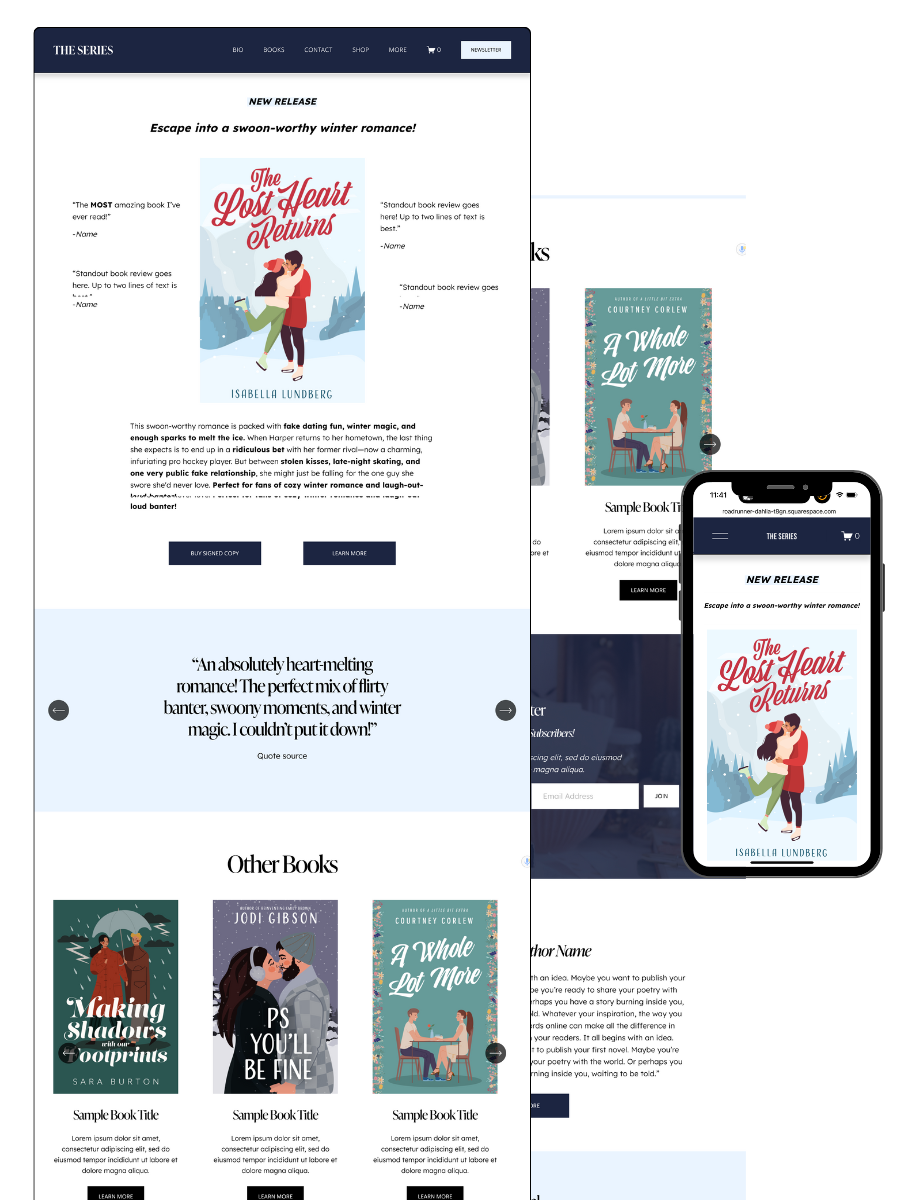
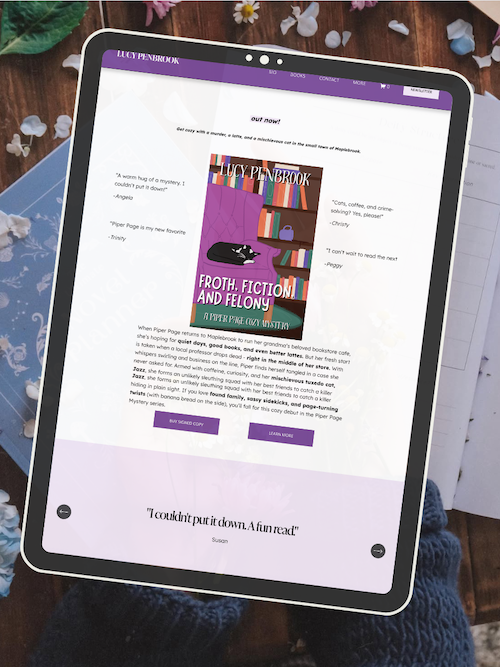
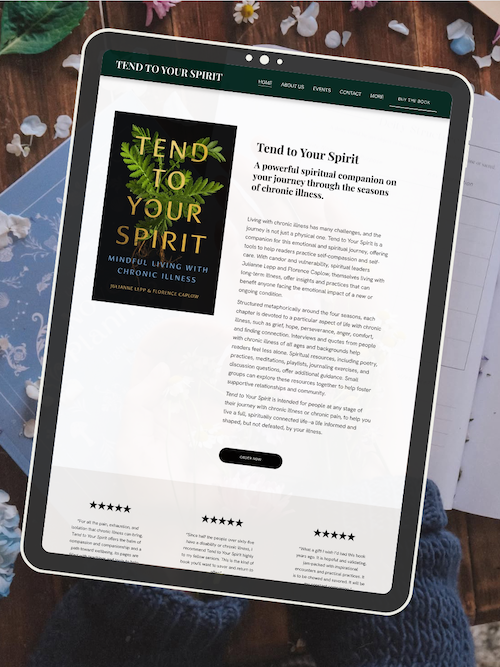
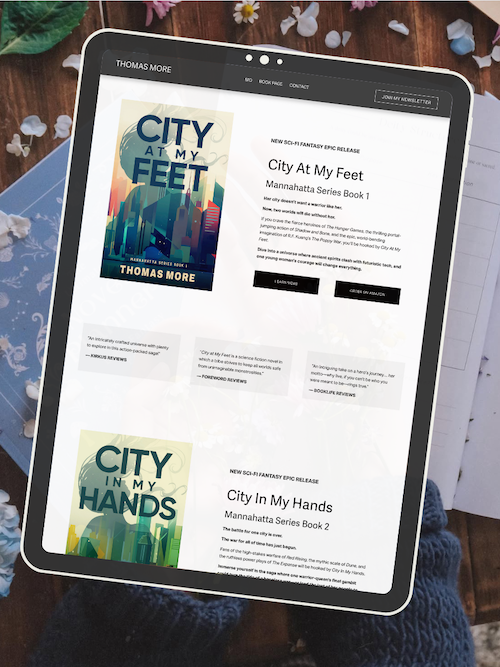
Here’s how real authors are using these Squarespace author website templates:
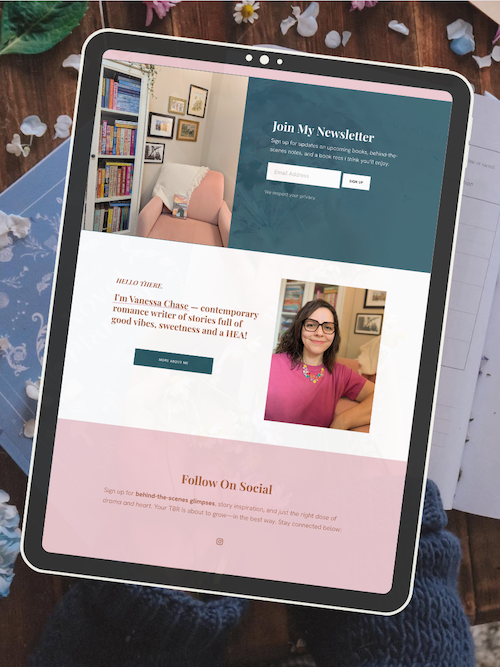
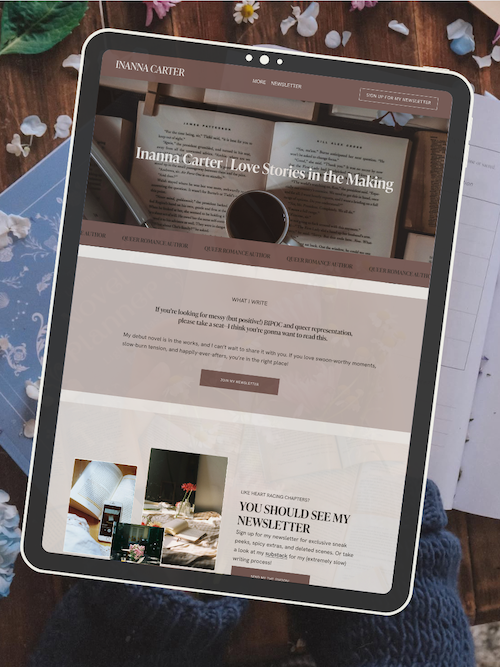
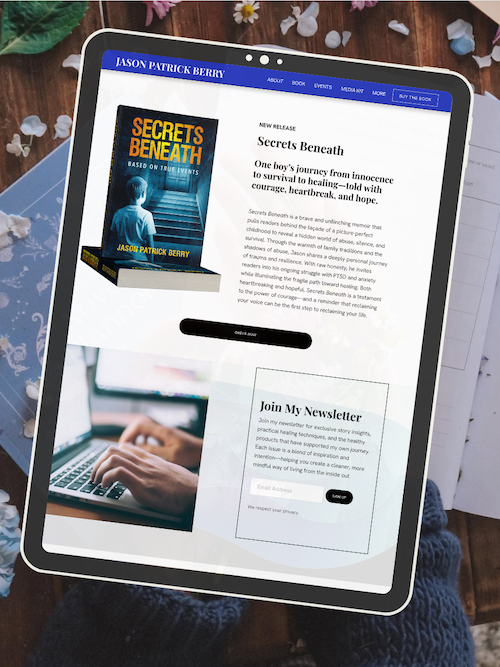
Key Takeaways
Strategic placement of email signup forms on your website increases subscriber conversions without overwhelming visitors
Offering a free reader magnet like a short story or bonus chapter gives visitors a clear reason to join your list
Simple design changes to your author website can turn passive browsers into engaged email subscribers
AUTHOR WEBSITE EXAMPLES
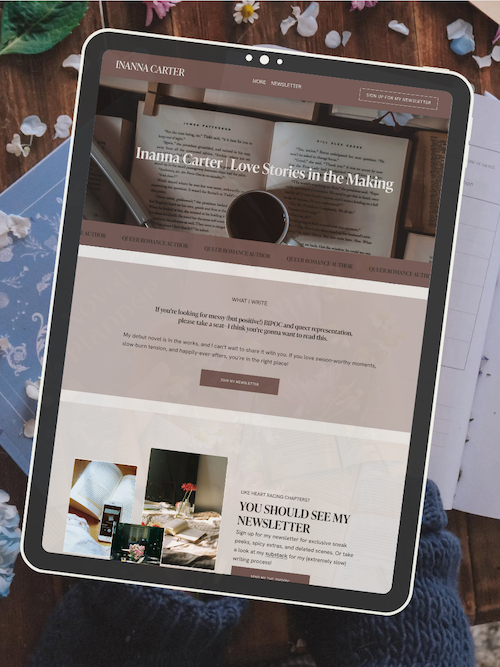
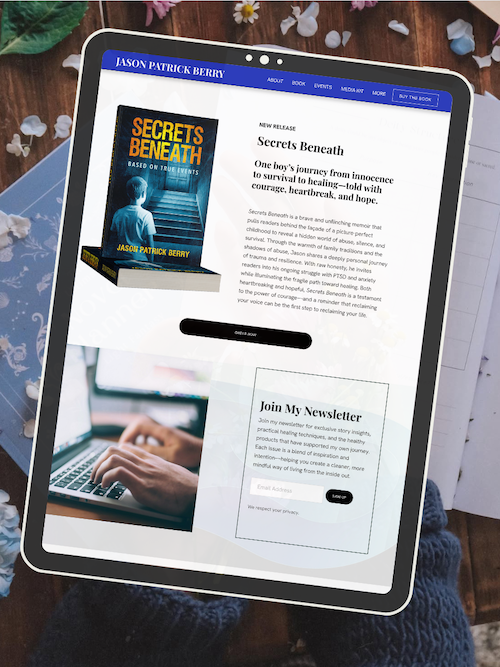
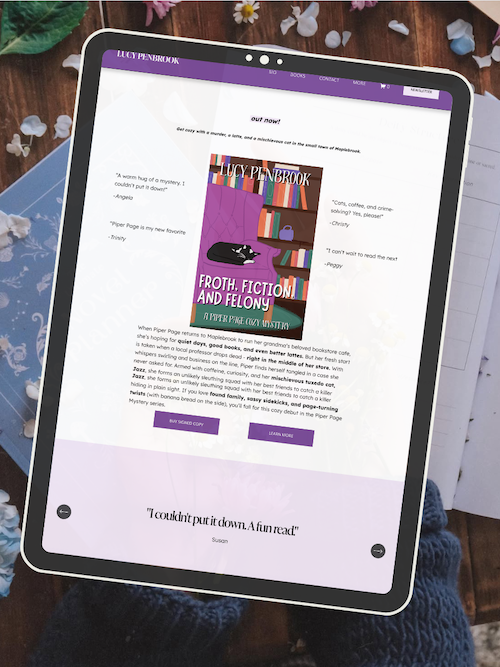
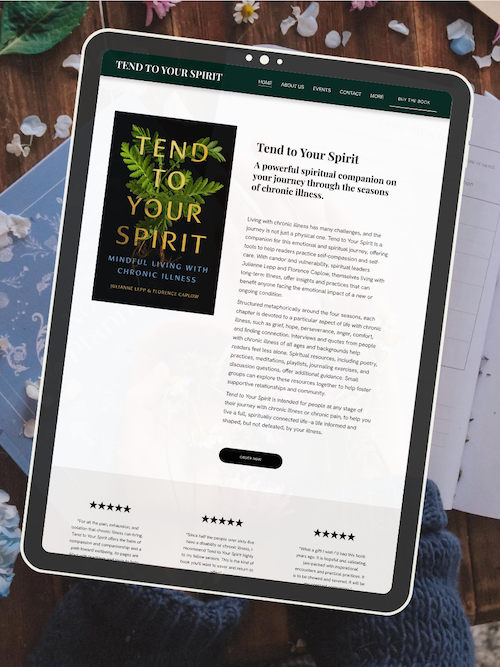
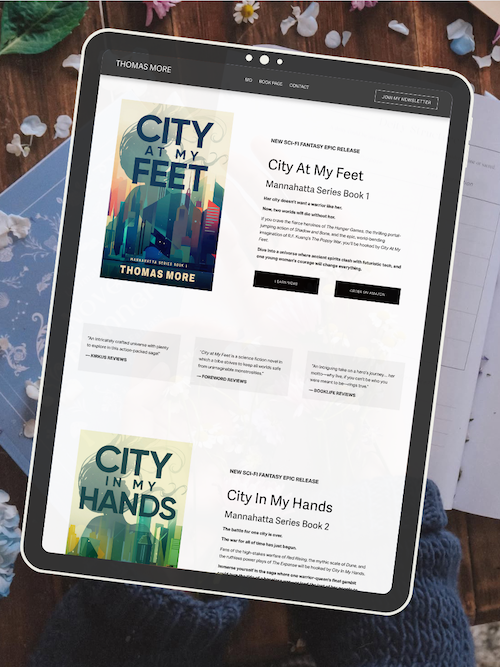
Author Website Designs That Grow Email Lists: Step-By-Step Strategies
Your author website can be your most powerful tool for building a loyal readership, but only if it's designed to turn visitors into subscribers. The strategies below show you exactly how to structure your site, choose the right tools, and create irresistible offers that grow your mailing list.
Why Building an Author Email List Matters
Your email list is the only audience you truly own. Social media platforms can change their algorithms overnight, but your mailing list stays with you no matter what.
When you have direct access to your readers' inboxes, you control the conversation. You can announce book launches, share exclusive content, and build relationships without competing for attention in a crowded feed.
Email converts better than any other marketing channel. Readers who sign up for your newsletter are already interested in your work, which means they're more likely to buy your books, leave reviews, and recommend you to friends.
Direct communication builds trust. When readers hear from you regularly through a welcome email or newsletter, they feel connected to you as a person, not just an author. That connection turns casual readers into lifelong fans who show up for every release.
Choosing the Right Mailing List Provider for Authors
Your mailing list provider handles everything from storing subscriber information to sending emails and tracking results. Pick the wrong one, and you'll waste time fighting with clunky interfaces.
MailerLite offers a generous free plan (up to 1,000 subscribers) and simple automation tools. It's perfect for authors just starting out who need basic newsletter features without complexity.
ConvertKit (now called Kit) is built specifically for creators. It excels at tagging subscribers, creating welcome sequences, and segmenting your list based on reader interests. The interface is clean and beginner-friendly.
Mailchimp is the biggest name in email marketing, but it's not always the best for authors. The free plan has limitations, and the interface can feel overwhelming if you just want to send simple newsletters.
Flodesk wins on design—its templates are gorgeous right out of the box. If visual branding matters to you and you want stunning emails without design skills, it's worth considering. Pricing is flat-rate, not based on subscriber count.
Substack handles both hosting and email delivery, making it incredibly simple. However, you don't own the design or subscriber data the same way you do with other platforms.
Look for providers that integrate easily with BookFunnel, StoryOrigin, and Prolific Works if you plan to use reader magnets (more on that below).
Core Author Website Elements That Convert Visitors Into Subscribers
Your author website needs specific elements in specific places to turn browsers into subscribers. Random placement won't cut it.
Navigation menu visibility matters more than you think. Include a "Newsletter" or "Free Book" link in your main navigation so visitors see it immediately. Don't bury it three clicks deep.
Your homepage should feature your signup form above the fold—meaning visitors see it without scrolling. Use a clear headline that tells them exactly what they'll get: "Get a free short story delivered to your inbox" beats "Join my newsletter" every time.
Footer forms catch people who read to the bottom of any page. Include a simple email capture in your site footer with a one-line benefit statement.
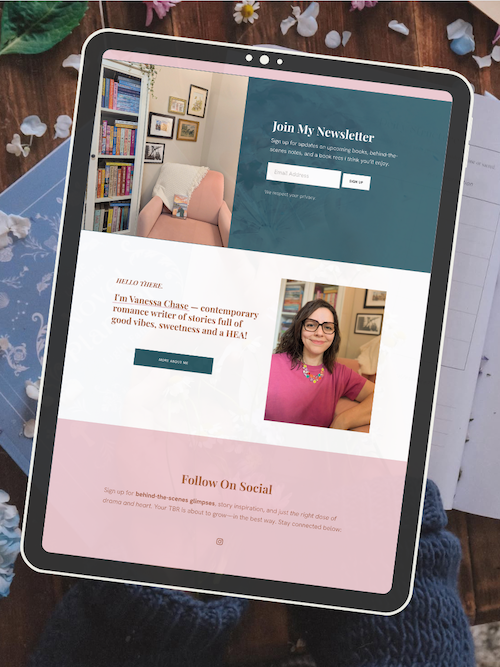
Create an About page that feels personal. Readers want to know who you are before they commit to your mailing list. Include a photo, your author story, and why they should subscribe.
Book covers should appear on your homepage and books page with clear calls-to-action. When readers see your work, give them an immediate next step—whether that's subscribing or buying.
Your author branding needs to be consistent across every page. Use the same colors, fonts, and tone so your site feels cohesive and professional.
Strategic Landing Pages and Email Sign-Up Forms
A landing page has one job: collect emails. Unlike your homepage, which serves multiple purposes, a dedicated landing page focuses entirely on conversion.
Build separate landing pages for different offers. One page for your free ebook, another for your novella, another for exclusive short stories. This lets you track which lead magnet performs best and tailor your messaging.
Keep forms short. Ask for first name and email address only. Every additional field you add drops your conversion rate. You can learn more about subscribers later through list segmentation and welcome sequences.
Place your signup form in multiple locations: header, sidebar, mid-content, and footer. Test which positions get the most signups. Mid-content forms (appearing after the first few paragraphs) often outperform others because readers are already engaged.
Use two-step signup forms when possible. The first step is just a button ("Yes, send me the free book!"), and the second step is the actual form. This approach can boost conversions by 20-40% because the initial click feels like less commitment.
Your landing page template should include a compelling headline, 2-3 benefit bullets, an image of what they're getting (your book cover or lead magnet design), and the signup form. Remove navigation menus to eliminate distractions.
Designing Effective Lead Magnets Readers Actually Want
A lead magnet (also called a reader magnet) is the free content you offer in exchange for an email address. Generic offers don't work—your lead magnet needs to be specific and valuable.
Free ebooks work best when they're related to your main books. If you write fantasy, offer a prequel novella. If you write nonfiction, offer the first three chapters of your latest release.
Short stories set in your book's universe give readers a taste of your writing style without overwhelming them. Keep it under 10,000 words so they can finish it in one sitting and want more.
Exclusive content like deleted scenes, character interviews, or behind-the-scenes looks at your writing process appeal to existing fans who want to go deeper.
Checklists and cheat sheets work brilliantly for nonfiction authors. If you write about productivity, offer a checklist. If you write about cooking, offer a cheat sheet of substitutions.
Avoid audiobook lead magnets unless you already have the production done. They're expensive to create and complicated to deliver compared to PDFs or epub files.
Physical giveaways like signed copies or swag can work, but they're better for growing engagement than building your initial list. Use them as bonuses for long-time subscribers.
Deliver your lead magnet through BookFunnel, StoryOrigin, or Prolific Works. These services handle file delivery across all devices and integrate with most
Frequently Asked Questions
Building an email list through your website requires the right tools, smart design choices, and a clear strategy. Authors often wonder how to set up sign-up forms, create compelling lead magnets, and use automation without getting lost in technical details.
What email list-building features should authors include in their website design?
Your website needs a clear and visible sign-up form on every main page. Place one in your header, footer, or sidebar so visitors can subscribe no matter where they land.
A dedicated landing page for email sign-ups works better than scattered forms. This page should explain what readers get when they subscribe and include a simple form with just an email field (and maybe a name field).
You also need a compelling lead magnet—a free download that makes people want to join your list. This could be a free chapter, a short story, a character guide, or a reading checklist.
Connect your forms to an email service provider that works with your website platform. Squarespace integrates with several email tools, making it easy to collect and manage subscribers.
How can authors create effective lead magnets to grow their email list?
Start with something your readers actually want. If you write romance, offer a free prequel novella or bonus epilogue. Mystery writers might share a deleted scene or character backstory.
Your lead magnet should be easy to consume. A 3,000-word short story works better than a 50,000-word novel. Readers want something they can enjoy quickly, which makes them excited for more.
Make it exclusive. Your lead magnet should only be available to email subscribers, not for sale or free elsewhere. This exclusivity gives people a real reason to sign up.
Create a simple landing page that describes your lead magnet clearly. Use a straightforward headline like "Get a Free Short Story When You Subscribe" and include a sample or teaser to build interest.
Design your lead magnet to look professional. Use a simple PDF format with your branding, a nice cover image, and clean formatting. Tools like Canva make this easy even if you're not a designer.
What are the best practices for integrating sign-up forms into an author's website?
Keep your forms short. Ask only for an email address, or add a first name field if you want to personalize emails. Long forms with too many questions scare people away.
Place sign-up forms in high-traffic spots. Your homepage, about page, and blog posts should all have easy ways to subscribe. The end of blog posts works especially well because readers who finish an article are already engaged.
Write clear copy that tells readers what they'll get. Instead of "Subscribe to my newsletter," try "Get free short stories delivered to your inbox" or "Join 1,000+ readers who get early access to new releases."
Make your forms visually stand out without being annoying. Use your brand colors and make the submit button easy to spot. But don't use flashing graphics or aggressive colors that feel pushy.
Test your forms on mobile devices. More than half of web traffic comes from phones, so your sign-up forms need to work perfectly on small screens.
How can authors leverage pop-ups and landing pages to increase email subscriptions?
Pop-ups work when you use them smartly. Set them to appear after someone has been on your site for 30 seconds or scrolled halfway down a page. This timing shows the pop-up to engaged visitors, not people who just arrived.
Exit-intent pop-ups catch people as they're about to leave your site. These give you one last chance to convert a visitor into a subscriber before they click away.
Create dedicated landing pages for different reader groups or book series. If you write in multiple genres, make separate landing pages with targeted lead magnets for each audience.
Your landing pages should focus on one clear action: signing up. Remove navigation menus and other distractions. Include a strong headline, 2-3 sentences about what subscribers get, and a simple form.
Use compelling images on your landing pages. Show your book cover, your lead magnet cover, or an author photo. Visual elements make the page feel more personal and trustworthy.
A/B test your pop-ups and landing pages. Try different headlines, form placements, and lead magnet descriptions to see what gets more sign-ups. Small changes can make a big difference.
In what ways can content upgrades add value to an author's website and help build their email list?
Content upgrades give readers something extra related to what they're already viewing. If you write a blog post about character development, offer a downloadable character worksheet as an upgrade.
These targeted offers work better than generic sign-up forms because they match what the reader is interested in right now. Someone reading about writing fantasy maps probably wants a fantasy world-building guide.
Place content upgrade offers inside your blog posts. Add a colorful box after a few paragraphs that says something like "Want the checklist version of this post? Enter your email below."
Create different content upgrades for different posts or topics. This takes more work upfront, but it lets you segment your list based on what people download. You'll know who cares about plotting versus who cares about marketing.
Content upgrades don't have to be complicated. A one-page PDF checklist, a printable worksheet, or a bonus tip list all work well. Focus on usefulness, not length.
Track which content upgrades get the most downloads. This tells you what your readers care about most and helps you plan future content and books.
Can authors utilize Squarespace tools to segment and automate emails for their subscriber list growth?
Squarespace Email Campaigns let you create different mailing lists for different purposes. You might have one list for your fantasy readers and another for your contemporary romance fans.
The platform includes automation features that send welcome emails when someone subscribes. Set up a simple welcome sequence that delivers your lead magnet, introduces yourself, and tells new subscribers what to expect.
You can tag subscribers based on their actions, like which lead magnet they downloaded or which links they clicked. These tags help you send more relevant emails to specific groups.
Squarespace's integration with your website means you can automatically add people to specific lists based on which form they fill out. If someone signs up through your fantasy series page, they go straight to your fantasy readers list.
The built-in analytics show you who opens your emails and clicks your links. Use this information to identify your most engaged subscribers and send them special content or early book announcements.
Automated email sequences save you time and keep new subscribers engaged. Set up a 3-5 email welcome series once, and every new subscriber gets it automatically without you lifting a finger.
Ready to launch your author website?
Explore my Squarespace website templates designed specifically for authors — easy to customize, beautifully designed, and built to help you sell more books.

SHOP THE AUTHOR WEBSITE TEMPLATES
THE MANUSCRIPT AUTHOR WEBSITE TEMPLATE — perfect for authors launching their first professional website with a simple, polished layout
THE DEBUT AUTHOR WEBSITE TEMPLATE — designed to highlight your first book, build your email list, and grow an audience from day one
THE SERIES AUTHOR WEBSITE TEMPLATE — ideal for showcasing multiple books with clear series pages and strong reader flow
THE ONE-PAGE AUTHOR AUTHOR WEBSITE TEMPLATE — a streamlined one-page site for authors who want something beautiful, fast, and easy
THE DONE-FOR-YOU AUTHOR WEBSITE EXPERIENCE — your author website built for you so you can launch without touching design or tech
MOST POPULAR BLOG POSTS
Authors Guide to Website Design & Branding
Squarespace Email Campaigns: A Guide for Authors
How to Create an Author Website on Squarespace (Step-by-Step)

Launch Your Author Website in a Day (Without the Tech Overwhlem)
*No more starting from scratch.
A simple, done-for-you Squarespace template built specifically for authors with a WIP.