Self-Published Author Website Examples: 6 Inspiring Sites That Convert Readers Into Fans
Your author website is the foundation of your online presence, but it only works if people can find you and stay connected. That's where a strong email list comes in. The best self-published author websites combine clean design with smart features that turn casual visitors into loyal readers—and many of the top examples show exactly how to do that. Whether you're just starting out or redesigning your site, seeing what works for other indie authors can save you time and help you avoid common mistakes.
Want a beautiful author website without spending weeks designing it from scratch? These Squarespace website templates for authors are designed to showcase your books, grow your email list, and look professional instantly.

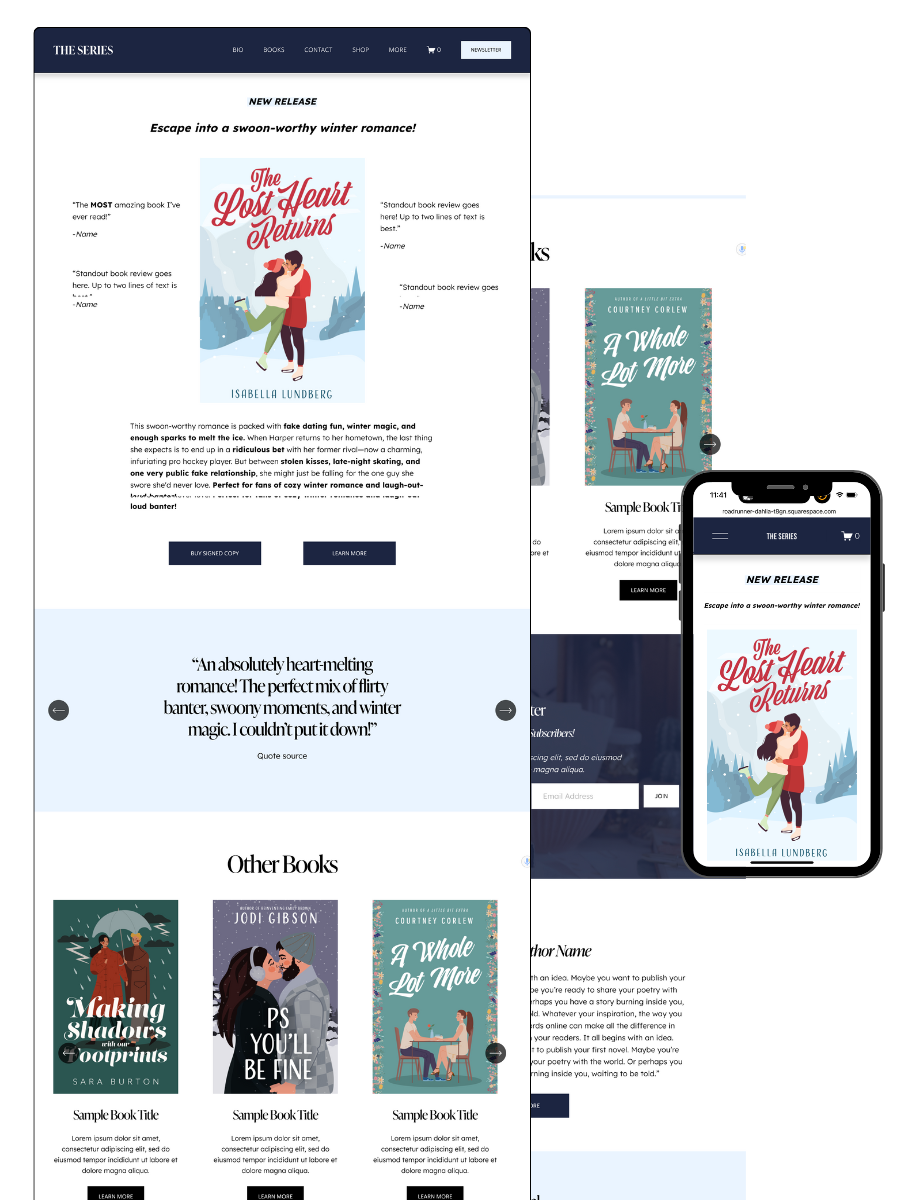
Here’s how real authors are using these Squarespace author website templates:
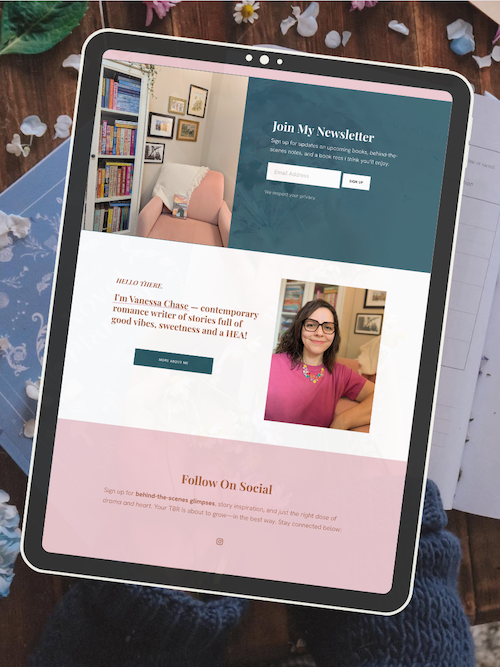
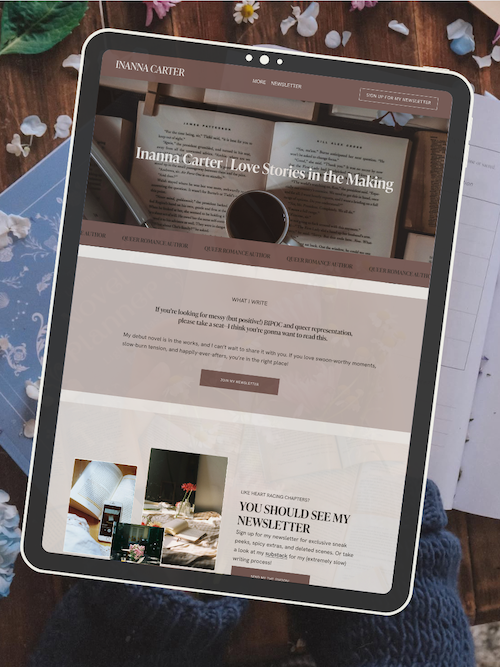
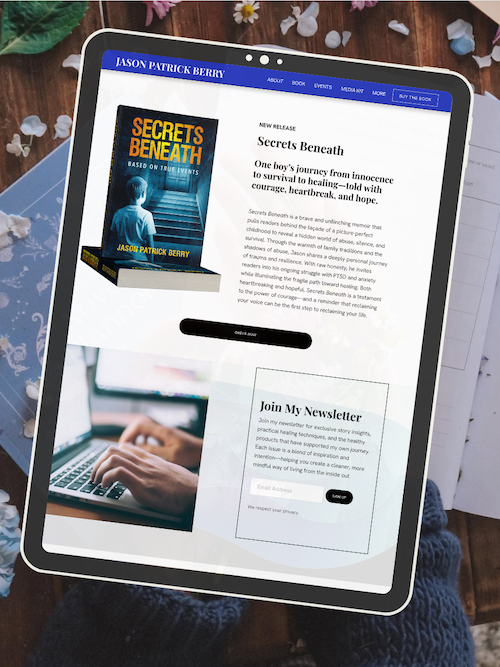
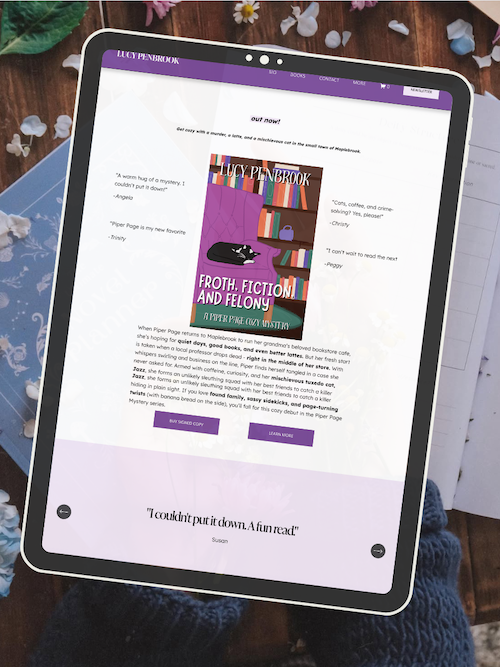
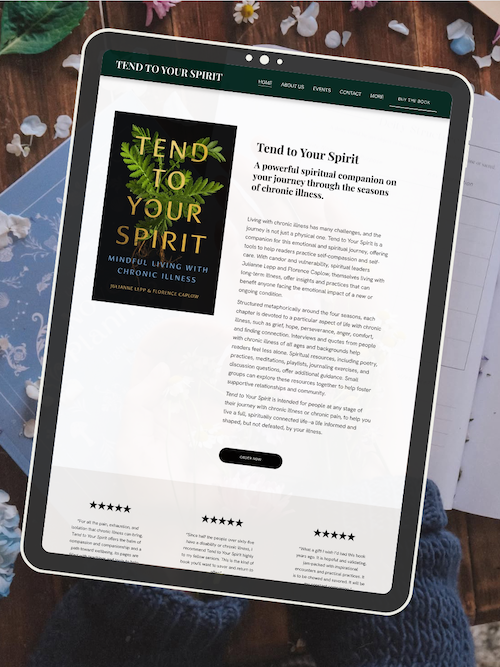
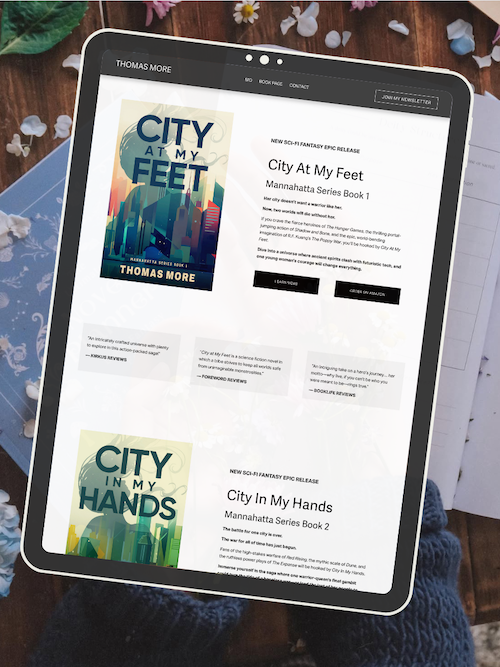
You don't need to be a web designer or tech expert to build a site that stands out. The self-published authors who get it right focus on a few key things: clear navigation, a way to capture emails, and content that shows off their personality. Some use bold visuals to grab attention. Others keep it simple with a clean layout and easy-to-find book links. The common thread? They all make it easy for readers to connect and buy.
Looking at real examples helps you see what's possible—and what actually converts browsers into buyers. From homepage layouts to newsletter signup strategies, these author websites prove you don't need a big budget to make a big impact. Let's dive into what makes them work and how you can apply the same ideas to your own site.
Key Takeaways
Strong author websites combine clean design with email capture tools to turn visitors into readers
The best examples focus on simple navigation, on-brand visuals, and clear calls-to-action that drive book sales
You don't need technical skills or a big budget to create a professional site that attracts and converts your audience
AUTHOR WEBSITE EXAMPLES
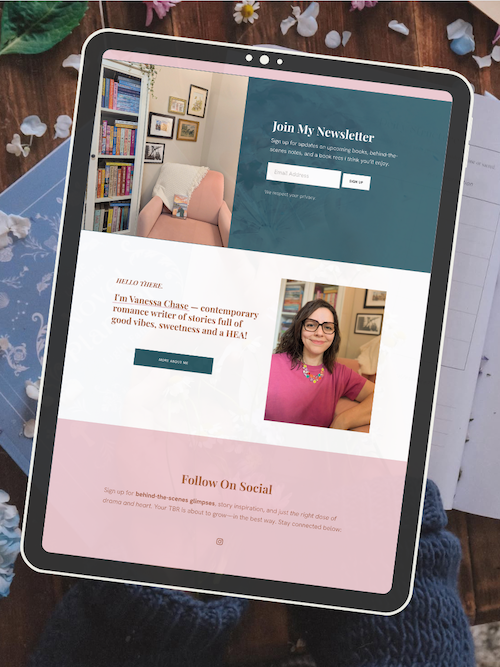
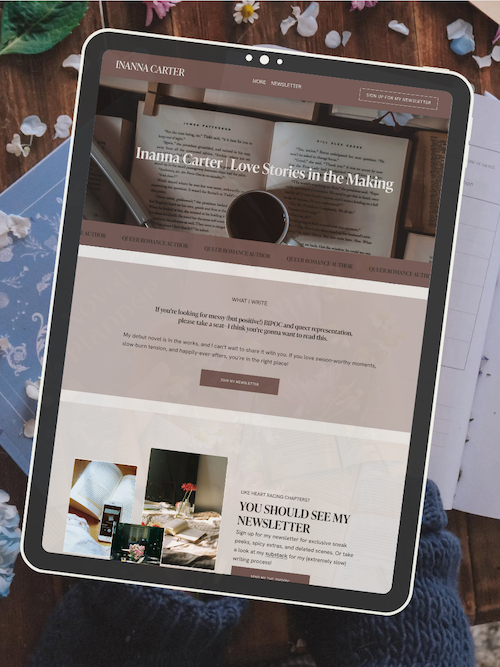
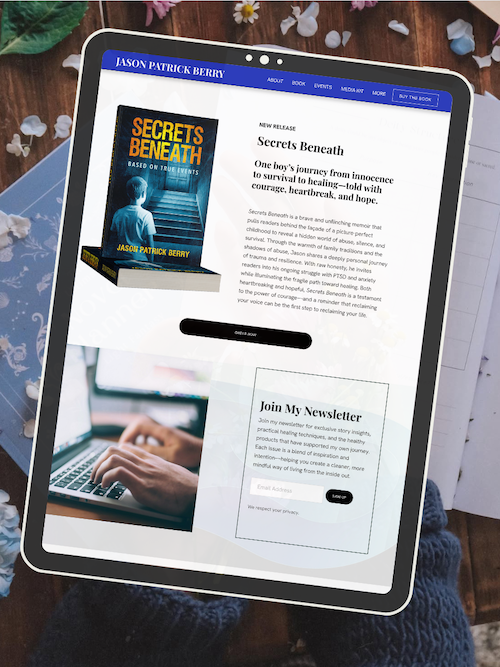
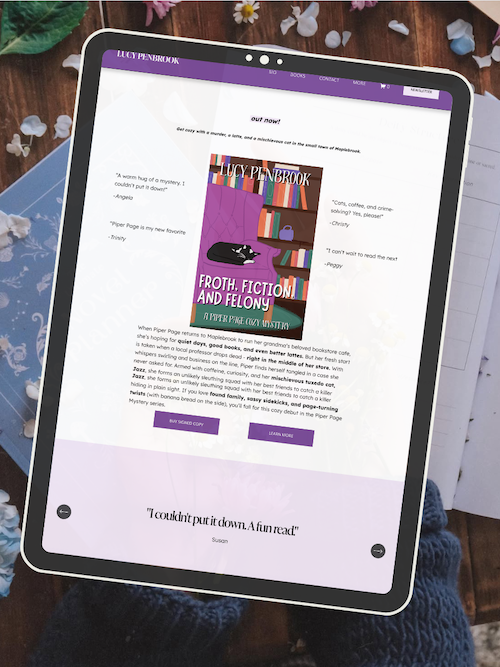
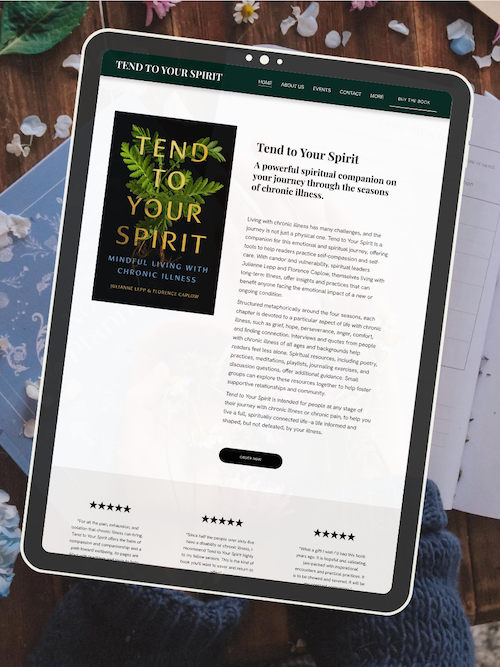
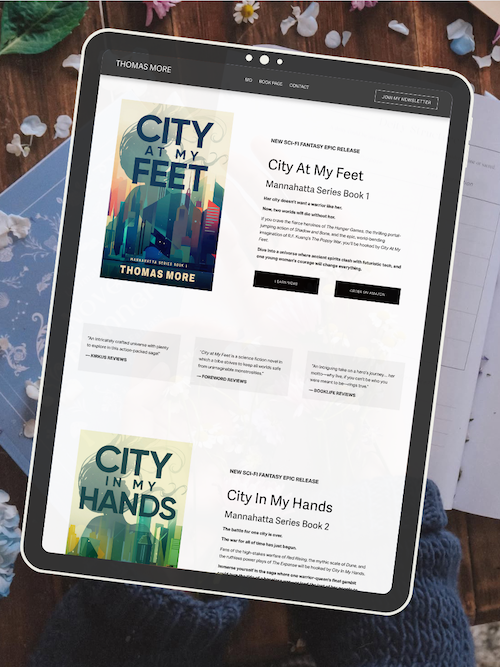
Best Self-Published Author Website Examples
A strong author website is your home base online—it's where you control the message, build your email list, and sell more books without relying on social media algorithms. The best self-published author websites share common features: clean design, clear calls to action, and tools that turn visitors into readers.
Why Every Self-Published Author Needs a Website
You need a professional author website because it's the only platform you truly own. Social media accounts can disappear overnight, but your website stays under your control.
An author website helps you build an email list, which is the most valuable asset for any indie author. When someone joins your email newsletter, you have direct access to promote new releases, share upcoming events, and boost book sales without paying for ads.
Your author website also establishes credibility. Readers want to know more about you before they buy your books. A clean site with an author photo, book pages, and a newsletter signup shows you're serious about your author platform.
Sites built on WordPress.com, Wix, or Squarespace give you full control. You can add book samples, link to retailers, and create dedicated book pages that convert browsers into buyers.
Standout Features of Top Author Websites
The best author websites share key elements that drive engagement and book marketing success. These features work together to build your author branding and help you sell more books.
Newsletter signup is the most important feature. Place it prominently on your homepage and book pages. Many successful self-published authors offer a free book sample or bonus chapter in exchange for an email address.
Strong author websites include dedicated book pages with covers, descriptions, buy links, and reader reviews. Each book should have its own page that's easy to share and optimized for conversions.
Clear social media links (but not just social media icons) help readers connect with you. Display them in your footer or header without making them the main focus.
An updated author photo and bio build trust. Readers want to connect with real people, not faceless brands. Your photo should be professional but approachable.
Email newsletter integration makes it easy to grow your list. Tools like Mailchimp, ConvertKit, or built-in options on platforms like Wix and Squarespace work well.
Showcase: Notable Self-Published Author Website Examples
Top self-published author websites use platforms like WordPress.com with themes built on Elementor or Divi, or simpler options like Wix and Squarespace. Each platform offers different benefits depending on your technical comfort level.
Many successful indie authors keep their sites simple. A homepage with a hero image, book covers, and a strong call to action works better than cluttered designs.
Look for author website examples that prioritize book discovery. The best sites make it obvious where to buy, what to read first, and how to stay connected.
Some New York Times bestselling authors who started as self-published writers use clean, minimal designs that put books front and center. Their homepages typically feature their latest release with a clear "Buy Now" button.
Strong author websites often include a blog or news section for book launch announcements, but they don't let it overshadow the books themselves. Content supports the author platform—it doesn't replace it.
What Makes These Author Websites Work
Successful self-published author websites work because they focus on conversion, not just looking pretty. Every element serves a purpose: grow your email list, drive book sales, or strengthen your author branding.
Clear navigation makes it easy for readers to find what they need. Your menu should include Home, Books, About, and Contact at minimum. Don't hide your newsletter signup—make it visible on every page.
Mobile optimization is non-negotiable. Most readers will visit your site on their phones. Platforms like Wix, Squarespace, and modern WordPress themes handle this automatically.
Fast loading speeds keep visitors from bouncing. Compress images and avoid heavy animations. A professional author website loads in under three seconds.
These sites also use strategic calls to action. Whether it's "Download Chapter One" or "Join My Reader List," top author websites tell visitors exactly what to do next.
The best self-published author websites grow with you. They're easy to update when you release new books, add upcoming events, or adjust your author platform strategy.
Frequently Asked Questions
Self-published authors often have questions about building a website that actually works for them. The right design, structure, and features can make the difference between a site that sits idle and one that actively brings in new readers and sells books.
What are the best practices for designing an author website for self-publishing success?
Your website design should put your books front and center while keeping navigation simple. Use a clean layout with plenty of white space so visitors can focus on what matters—your writing and your books.
Choose a color scheme that matches your genre. Romance authors might use warmer tones, while thriller writers often lean toward darker, moodier palettes. Mystery and suspense work well with deep blues or grays.
Make sure your site loads quickly. Readers won't wait around for slow pages. Compress images and avoid adding too many plugins or widgets that bog down your site.
Your homepage should tell visitors who you are and what you write within seconds. Include a professional author photo, a brief bio, and clear links to your books. Don't make people hunt for basic information.
Mobile optimization isn't optional anymore. Over half of web traffic comes from phones and tablets. Your site needs to look good and work smoothly on every device.
How should an author website be structured to maximize reader engagement and book sales?
Your navigation menu should include these key pages: Home, Books, About, Blog, and Contact. Keep it to five or six main options so visitors don't feel overwhelmed.
Place your newest or bestselling book prominently on your homepage. Use a compelling cover image and include buy buttons that link directly to retailers like Amazon, Barnes & Noble, or your own shop.
Create individual pages for each book with full descriptions, reviews, buy links, and sample chapters. Let readers preview your work before they commit to buying.
Add a newsletter signup form on every page. Put it in your header, sidebar, or footer so visitors can join your list no matter where they land. Offer a free chapter or short story as an incentive.
Include clear calls to action throughout your site. Tell readers exactly what you want them to do—buy your book, join your list, or follow you on social media.
Your blog should link back to your books naturally. When you write about your writing process or the inspiration behind a story, add links to the relevant books.
What features are essential to include on a self-published author's website to attract new readers?
A mailing list signup is the most important feature you can add. Email subscribers become your most loyal readers and buyers. They're the ones who'll buy your next book on release day.
Book previews or sample chapters let potential readers try your writing risk-free. Many readers won't buy until they've seen your style.
Reader reviews build trust fast. Display 4-5 star reviews from Amazon, Goodreads, or reader emails on your book pages. Real reader opinions matter more than your own sales copy.
An author blog gives readers a reason to visit regularly. Share writing updates, book news, or personal stories that connect with your audience. Consistency matters more than frequency—pick a schedule you can maintain.
Social media integration helps readers find and follow you on other platforms. Add social share buttons so fans can easily spread the word about your books.
A media kit or press page makes it easy for podcasters, bloggers, and journalists to feature you. Include high-res photos, your bio in multiple lengths, and interview questions with answers.
How can authors effectively showcase their book portfolio on their website?
Create a dedicated Books page that displays all your titles with eye-catching covers. Organize them by series or publication date so readers can see your full catalog at a glance.
Use grid layouts to show multiple books together. This works especially well if you write in series—readers can see the entire collection and binge-buy.
Each book needs its own landing page with complete details. Include the cover, full description, genre, page count, purchase links, and reader reviews. Add content warnings if relevant.
Show your books in reading order if you write series. Many readers want to start at the beginning. Make it obvious which book comes first.
Highlight awards, bestseller status, or reader ratings. If your book hit number one in its category or won an award, display that badge proudly.
Link to all retailers where readers can buy your books. Don't assume everyone shops at Amazon. Include options like Barnes & Noble, Apple Books, Kobo, and your own store if you sell direct.
What marketing strategies can self-published authors employ on their website to increase visibility?
Offer a free book or story in exchange for email signups. Reader magnets work because they give immediate value while building your list for future launches.
Run limited-time promotions and display them prominently on your homepage. Create urgency with countdown timers for sales or special pricing.
Build an advance reader team page where superfans can sign up for early copies. These readers leave launch-day reviews and spread word-of-mouth buzz.
Create shareable content that readers want to pass along. Character quizzes, book playlists, or downloadable bookmarks related to your stories encourage social sharing.
Host giveaways directly on your site using simple form tools. Give away signed books, merchandise, or Amazon gift cards to grow your list and increase traffic.
Cross-promote your backlist when readers finish one book. Add "readers also enjoyed" sections or series order graphics that guide them to their next read.
Partner with other authors in your genre for joint promotions or bundle deals. Feature their books on your site and they'll feature yours, exposing both of you to new audiences.
How important is SEO for a self-published author's website, and how can it be optimized?
SEO matters because it helps readers discover you through Google searches. When someone searches for "romantic suspense novels" or "cozy mystery series," you want your site showing up in results.
Use your author name, book titles, and genre keywords throughout your site naturally. Write page titles and descriptions that include these terms without sounding forced.
Your blog posts offer huge SEO potential. Write about topics your target readers search for—writing advice, book recommendations, or themes related to your stories. Each post is another chance to rank in search results.
Add alt text to every image describing what it shows. Search engines can't see images, but they read this text. Describe your book covers and author photos clearly.
Get backlinks by guest posting on other blogs, doing interviews, or participating in reader communities. When other sites link to yours, search engines see your site as more credible.
Keep your content fresh with regular updates. Search engines favor sites that publish new content consistently. Even small updates to your book pages can help.
Use header tags properly to organize your content. H1 for main titles, H2 for major sections, H3 for subsections. This structure helps search engines understand your content better
Ready to launch your author website?
Explore my Squarespace website templates designed specifically for authors — easy to customize, beautifully designed, and built to help you sell more books.

SHOP THE AUTHOR WEBSITE TEMPLATES
THE MANUSCRIPT AUTHOR WEBSITE TEMPLATE — perfect for authors launching their first professional website with a simple, polished layout
THE DEBUT AUTHOR WEBSITE TEMPLATE — designed to highlight your first book, build your email list, and grow an audience from day one
THE SERIES AUTHOR WEBSITE TEMPLATE — ideal for showcasing multiple books with clear series pages and strong reader flow
THE ONE-PAGE AUTHOR AUTHOR WEBSITE TEMPLATE — a streamlined one-page site for authors who want something beautiful, fast, and easy
THE DONE-FOR-YOU AUTHOR WEBSITE EXPERIENCE — your author website built for you so you can launch without touching design or tech
MOST POPULAR BLOG POSTS
Authors Guide to Website Design & Branding
Squarespace Email Campaigns: A Guide for Authors
How to Create an Author Website on Squarespace (Step-by-Step)

Launch Your Author Website in a Day (Without the Tech Overwhlem)
*No more starting from scratch.
A simple, done-for-you Squarespace template built specifically for authors with a WIP.