Professional Author Website Examples: 6 Best Designs to Inspire Your Online Presence
Your author website is more than just a digital business card. It's your home base, your marketing hub, and often the first impression readers get of you and your work. But building one that looks professional and actually works? That can feel like a lot.
Want a beautiful author website without spending weeks designing it from scratch? These Squarespace website templates for authors are designed to showcase your books, grow your email list, and look professional instantly.

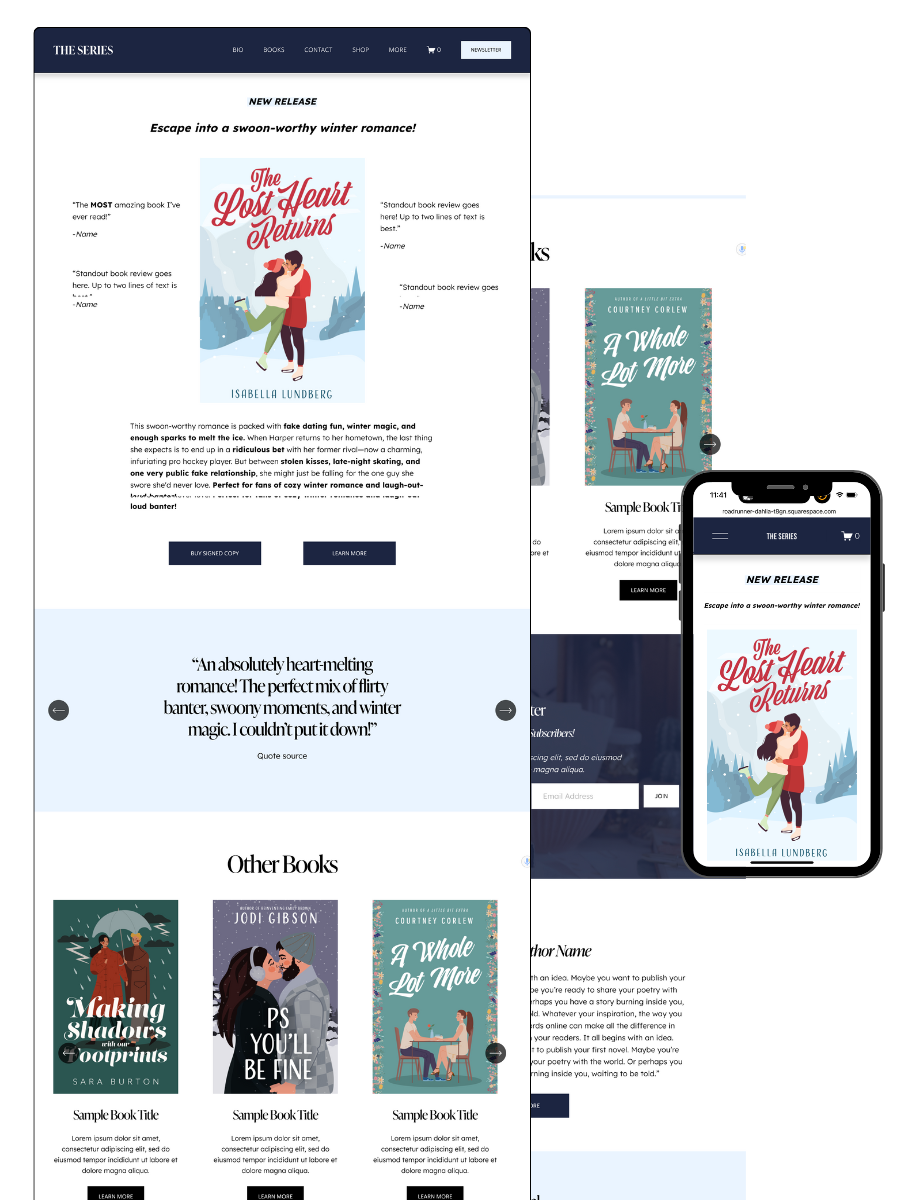
Here’s how real authors are using these Squarespace author website templates:
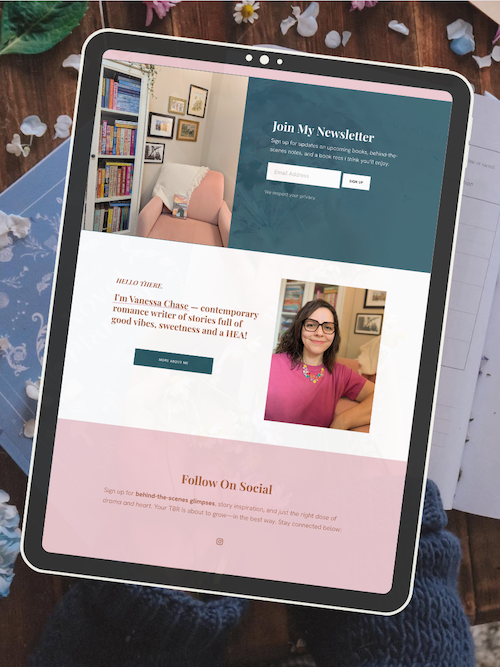
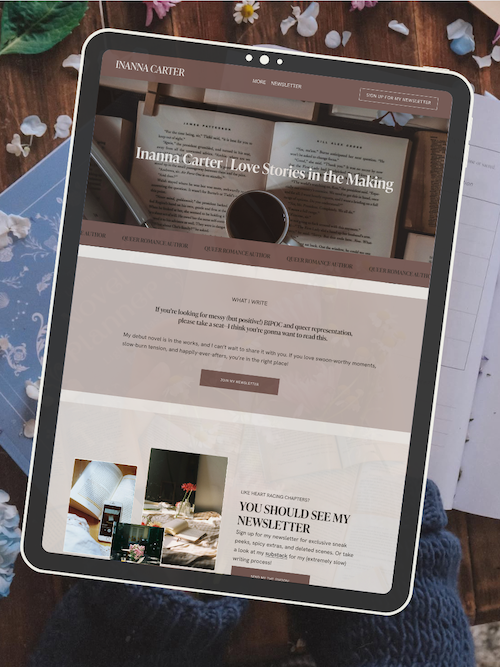
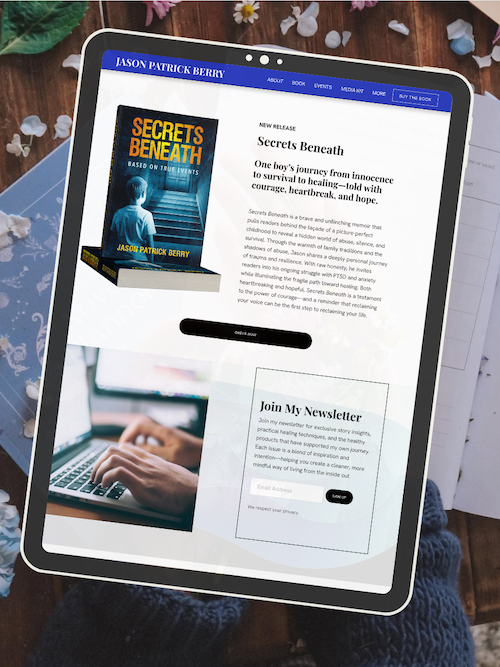
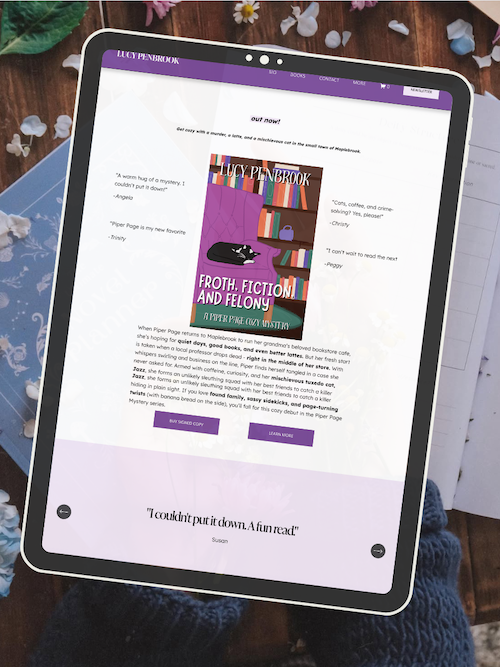
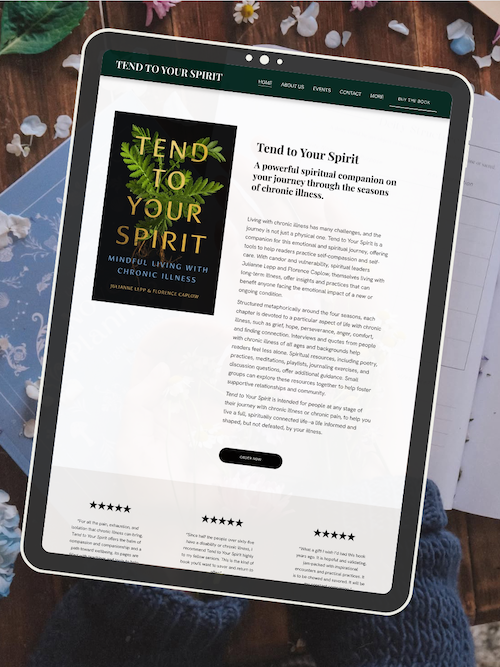
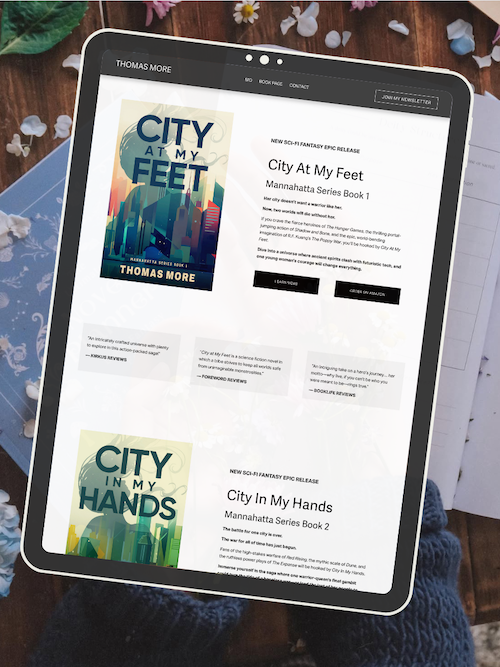
The best author websites combine clean design, easy navigation, and smart features that help you connect with readers and sell more books. You don't need to be a designer or a tech expert to create something that stands out. You just need to see what's working for other authors and understand why it works.
In this guide, you'll see real examples of professional author websites across different genres and styles. You'll learn what makes them effective, what features matter most, and how you can apply these ideas to your own site—whether you're starting from scratch or giving your current site a refresh.
Key Takeaways
Professional author websites use clean designs and smart features to build reader connections and increase book sales
Successful sites include essential elements like book showcases, email signup forms, and easy navigation
You can create an effective author website by studying proven examples and applying specific design strategies
AUTHOR WEBSITE EXAMPLES
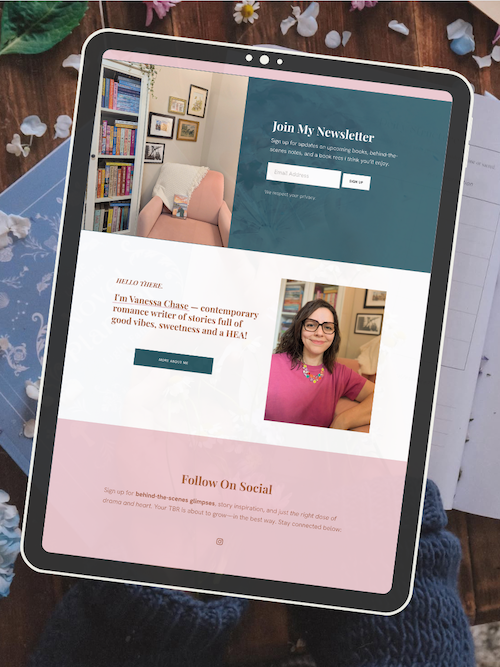
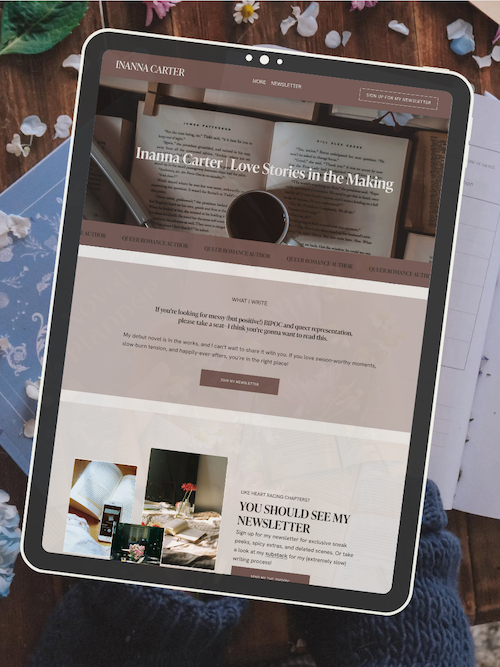
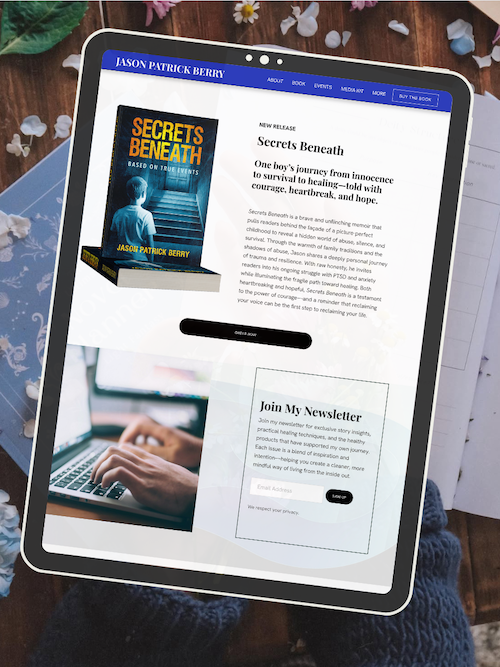
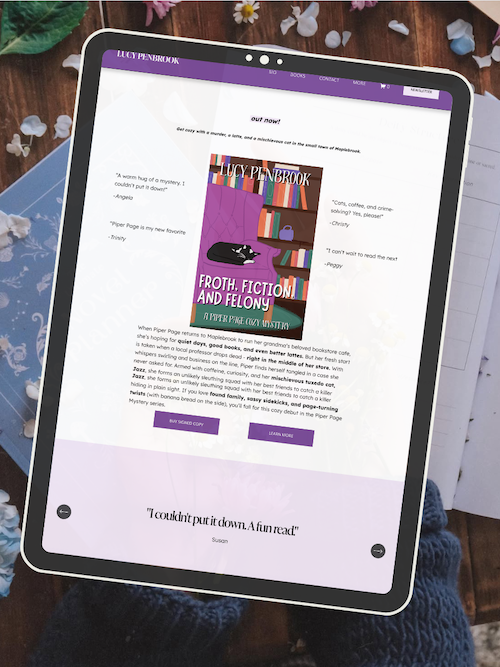
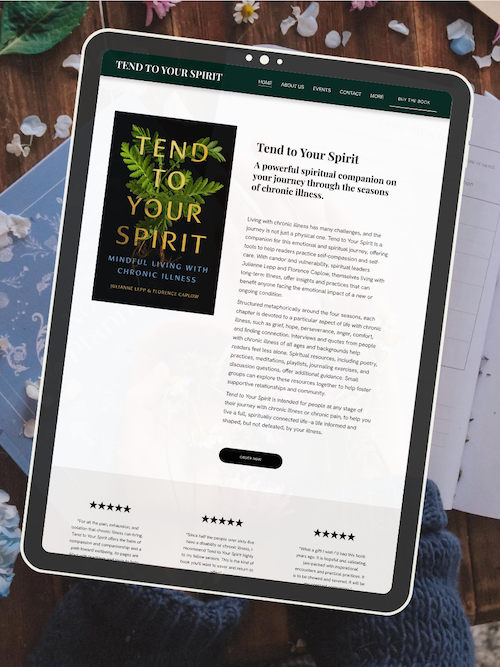
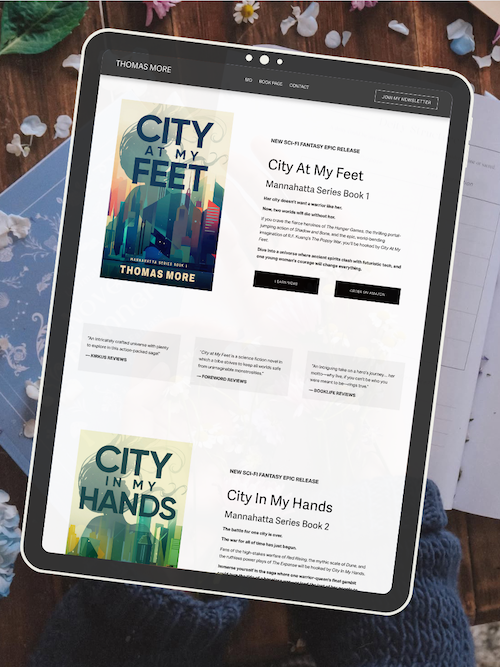
Professional Author Website Examples: Inspiring Designs, Features, and Strategies
A professional author website helps you connect with readers, promote your books, and build your author platform. The best author websites combine clean design, smart features, and strategic content to turn visitors into fans and buyers.
Showcasing the Best Author Websites
Professional author website examples show what works in today's digital publishing world. The best author websites share common traits: clean layouts, easy navigation, and strong visual branding that reflects your writing style.
Top author websites balance creativity with function. Neil Gaiman's site uses a minimalist approach with simple typography and easy-to-find content. J.K. Rowling's website leans into her magical brand with immersive design elements. Both work because they match the author's genre and reader expectations.
When you look at author website examples, pay attention to how authors organize their content. Most put their newest book front and center in the hero section. They use high-quality images that grab attention immediately.
The best sites also make it simple to find what readers want most: books, bio information, and ways to stay connected. Your author website should guide visitors naturally from discovery to action, whether that's joining your mailing list or buying your latest release.
Essential Features of a Professional Author Website
Your author website needs specific features to function as an effective author platform. Every professional author website should include an about page with your author bio, a book showcase, a contact page, and email sign-up options.
Your author bio needs to connect with readers personally while establishing your credentials. Keep it conversational but professional. Include a professional photography headshot and information about your writing journey that readers care about.
A contact page with a contact form lets readers, event planners, and media reach you easily. Even if you're not seeking representation, having clear contact options builds trust and opens opportunities.
An SSL certificate protects your site and visitors' data. Most website builders for authors include this automatically, but always verify your site shows "https" in the URL. This small detail affects both security and search rankings.
Navigation should be simple and obvious. Use a clear menu (whether traditional or a hamburger menu) that helps readers find your books, bio, and blog quickly. Complicated navigation loses visitors fast.
Author Branding and Visual Hierarchy
Author branding shapes how readers perceive you before they read a single word of your writing. Your website's visual design should reflect your genre and writing style instantly.
Visual hierarchy guides readers' eyes to what matters most. Use size, color, and positioning to emphasize key elements. Your hero section should feature your most important message—usually your newest book or your mailing list signup.
Typography choices communicate genre and tone. Elegant serif fonts work for historical fiction or literary authors. Clean sans-serif fonts suit contemporary or thriller writers. Whatever you choose, keep it readable on all devices.
Your color scheme should align with your book covers and genre expectations. Romance authors often use warm, inviting colors. Thriller writers might choose darker, dramatic palettes. Consistency across your site, covers, and social media creates professional author branding.
Professional photography elevates your author website from amateur to polished. Invest in quality author photos and book cover images. Blurry or poorly lit images undermine your credibility immediately.
Effective Book Showcases and Multimedia Integration
Your book showcase deserves prime real estate on your author website. Display covers prominently with clear titles, brief descriptions, and multiple purchase links. Don't just link to one retailer—include Amazon, Barnes & Noble, and other major outlets where readers shop.
The best author website examples use multimedia integration to bring books to life. Add book trailers, audio excerpts, or reading samples. Video content increases engagement and gives readers a richer preview of your work.
Parallax scrolling adds visual interest to creative author website designs. This effect makes background images move at different speeds than foreground content, creating depth. Use it sparingly—too much becomes distracting.
Many authors now sell books directly through their websites. This keeps more profit per sale and builds your customer list. Platforms like Shopify integrate with author websites, or you can use Gumroad for digital products.
Include book reviews and ratings on individual book pages. Pull quotes from Publishers Weekly, Kirkus, or reader reviews on Goodreads. This social proof helps convince visitors to buy.
Call-to-action buttons should stand out visually and use action words. Instead of "Learn More," try "Start Reading" or "Get Your Copy." Place these buttons strategically throughout your book website pages.
Maximizing Email Sign-Up and Mailing List Integration
Your mailing list is your most valuable marketing asset. Email subscribers are readers you can reach directly, regardless of social media algorithm changes.
Place email sign-up forms prominently throughout your site. Put one in your header or hero section, another in your sidebar, and a final one at the end of blog posts. Just don't make them annoying or intrusive.
The best newsletter signup forms offer clear value. Don't just ask readers to "join my newsletter." Offer a free chapter, exclusive short story, or early access to cover reveals. Give readers a reason to share their email address.
Mailing list integration should happen automatically. Connect your email service provider (like Mailchimp or ConvertKit) to your author website so new subscribers get added instantly. Set up a welcome email sequence that delivers your promised freebie.
Make your signup forms simple. Ask only for an email address initially. You can gather more information later once readers trust you. Long forms with multiple fields reduce conversions significantly.
Test different form positions and wording. Some authors get better results from a popup, others from a prominent inline form. Track your signup rate and adjust based on what works for your audience.
Building Trust with Testimonials and Social Proof
Testimonials from readers prove your books deliver what you promise. Display genuine reader quotes on your homepage and individual book pages. Include the reader's name and location when possible for authenticity.
Social proof includes more than just reviews. Show your follower counts, bestseller status, award badges, or media mentions. If your book hit the USA Today list or won genre awards, display those achievements prominently.
Professional endorsements carry weight. If established authors in your genre blurbed your books, feature those quotes prominently. Traditional publishing credentials also build trust with certain readers.
Reader testimonials work best when they're specific. Instead of "Great book!" use quotes that describe emotional reactions or specific story elements readers loved. These help potential readers envision their own experience.
Rotate testimonials regularly to keep content fresh. Display different quotes for different books. Use star ratings visually—readers scan for those quickly when
Frequently Asked Questions
Professional author websites spark a lot of questions, from choosing the right platform to showing off your books in the best light. You'll find answers here about site features, social media, SEO, portfolio design, and book promotion strategies that actually work.
What features should a successful professional author website include?
Your author website needs a clear homepage that tells visitors who you are and what you write within seconds. A compelling bio page builds trust and connection with readers who want to know your story.
An organized books page showcases your published works with covers, descriptions, and buy links. You should include a contact form so readers, agents, and event organizers can reach you easily.
A mailing list signup is non-negotiable. Email subscribers become your most loyal readers and buyers. An about page, blog or news section, and links to where readers can buy your books round out the essentials.
Make sure your site loads fast and looks good on phones. Most readers will visit from mobile devices, so responsive design matters.
How can authors integrate social media into their professional author websites?
Add social media icons in your header, footer, or sidebar so visitors can find your profiles instantly. Link to the platforms where you're actually active—Instagram, Twitter, Facebook, or TikTok if that's where your readers hang out.
Embed your Instagram feed directly on your homepage or about page. This shows real-time updates and keeps your site feeling fresh without constant manual updates.
You can also embed individual posts that got great engagement or showcase book launches. Twitter feeds work the same way and add dynamic content to otherwise static pages.
Include social share buttons on your blog posts. When readers love your content, they'll share it with their networks. This brings new visitors to your site without you lifting a finger.
Don't overdo it though. Pick two or three platforms where your readers actually spend time and focus your energy there.
What are the best practices for optimizing an author website for search engines?
Write clear page titles that include your name and what you write. "Jane Smith – Award-Winning Mystery Author" works better than just "Home."
Use headings properly on every page. Your page title should be an H1, and section titles should be H2s or H3s. Search engines use these to understand your content.
Add alt text to every image describing what's in the picture. This helps visually impaired readers and tells search engines what your images show.
Create blog content around topics your readers search for. Writing craft tips, behind-the-scenes updates, and book-related articles all drive organic traffic. Post consistently but focus on quality over quantity.
Make sure your site loads quickly. Compress images, choose a reliable host, and avoid clunky plugins that slow things down.
Get other websites to link to yours. Guest post on writing blogs, participate in author interviews, and connect with book reviewers. These backlinks tell search engines your site matters.
How do I choose the right platform for building my professional author website?
Start by looking at your technical comfort level. If you want full control and don't mind a learning curve, WordPress gives you endless customization options.
Squarespace works beautifully for authors who want gorgeous design without touching code. The templates look professional right out of the box, and everything's drag-and-drop simple.
Wix offers similar ease with tons of templates. It's budget-friendly and includes decent built-in marketing tools.
Consider what features you absolutely need. Do you want to sell books directly from your site? Make sure your platform has good e-commerce options. Planning to blog regularly? Look for strong content management features.
Think about your budget too. WordPress itself is free, but you'll pay for hosting, themes, and possibly plugins. Squarespace and Wix bundle everything into monthly plans that include hosting and support.
Check if the platform integrates with tools you already use. Your email service, social media schedulers, and analytics tools should connect smoothly.
Can you provide tips for showcasing a writing portfolio on an author website?
Create a dedicated portfolio or books page that's easy to find in your main navigation. Display your best work first—the books or articles you're most proud of.
Use high-quality book cover images that catch the eye. Professional covers sell books, so make them big enough to see details.
Write compelling descriptions for each book that hook readers immediately. Include genre, what makes it unique, and a tantalizing summary that makes people want to buy.
Add reader testimonials or reviews under each book. Social proof from other readers builds trust fast.
For articles or shorter works, organize by category or publication. Link directly to where readers can find the full piece.
Include buy buttons or links that take readers straight to Amazon, your publisher, or wherever they can purchase. Make buying easy with one click.
If you write in multiple genres, consider separate sections for each. This helps readers find exactly what they're interested in without confusion.
What strategies can authors employ to effectively promote their books on their websites?
Put your newest release front and center on your homepage. Don't make visitors hunt for your latest book—show it off immediately.
Create a dedicated landing page for each book launch. Include the cover, description, buy links, reviews, and any bonus content like character art or deleted scenes.
Offer a free chapter or sample to hook potential readers. Collect email addresses in exchange so you can market to them later.
Use pop-ups strategically to promote new releases or limited-time offers. Time them to appear after someone's been browsing for 30 seconds so they're not immediately annoying.
Add buy buttons everywhere your books appear. Every book mention should include an easy way to purchase right then.
Create urgency with pre-order campaigns or launch week bonuses. Limited-time offers push people to buy now instead of adding your book to a wishlist they'll forget about.
Blog about your writing process, character development, or research for your books. This content attracts readers through search engines and gives them reasons to keep coming back.
Showcase any awards, bestseller status, or impressive sales numbers. These accomplishments build credibility and make new readers more likely to take a chance on your work.
Ready to launch your author website?
Explore my Squarespace website templates designed specifically for authors — easy to customize, beautifully designed, and built to help you sell more books.

SHOP THE AUTHOR WEBSITE TEMPLATES
THE MANUSCRIPT AUTHOR WEBSITE TEMPLATE — perfect for authors launching their first professional website with a simple, polished layout
THE DEBUT AUTHOR WEBSITE TEMPLATE — designed to highlight your first book, build your email list, and grow an audience from day one
THE SERIES AUTHOR WEBSITE TEMPLATE — ideal for showcasing multiple books with clear series pages and strong reader flow
THE ONE-PAGE AUTHOR AUTHOR WEBSITE TEMPLATE — a streamlined one-page site for authors who want something beautiful, fast, and easy
THE DONE-FOR-YOU AUTHOR WEBSITE EXPERIENCE — your author website built for you so you can launch without touching design or tech
MOST POPULAR BLOG POSTS
Authors Guide to Website Design & Branding
Squarespace Email Campaigns: A Guide for Authors
How to Create an Author Website on Squarespace (Step-by-Step)

Launch Your Author Website in a Day (Without the Tech Overwhlem)
*No more starting from scratch.
A simple, done-for-you Squarespace template built specifically for authors with a WIP.