Debut Author Website Examples That Convert Readers Into Loyal Fans
Starting your career as a debut author is exciting, but building your first website can feel overwhelming. You might wonder what to include, how to design it, or whether you even need one yet. Looking at real debut author website examples is one of the fastest ways to learn what works, skip common mistakes, and create a site that connects with readers from day one.
Want a beautiful author website without spending weeks designing it from scratch? These Squarespace website templates for authors are designed to showcase your books, grow your email list, and look professional instantly.

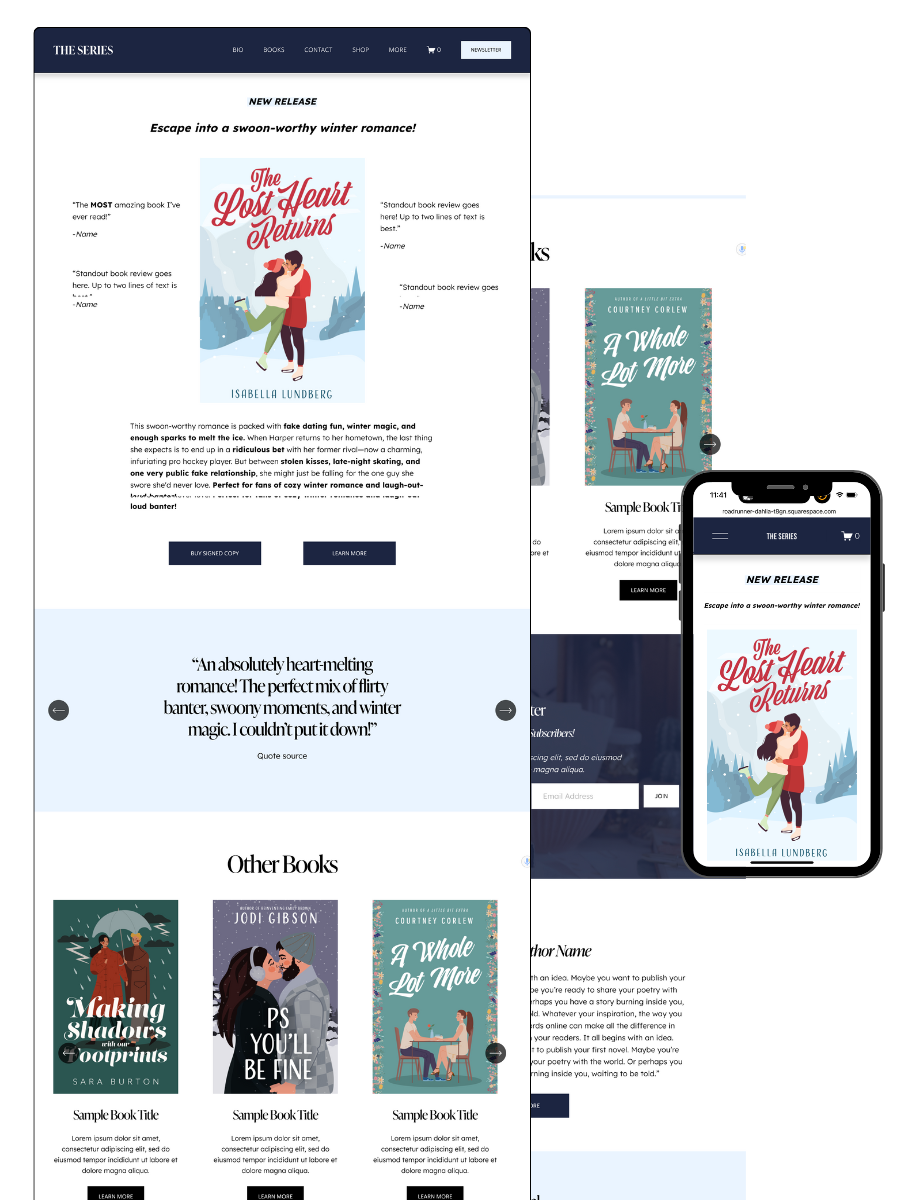
Here’s how real authors are using these Squarespace author website templates:
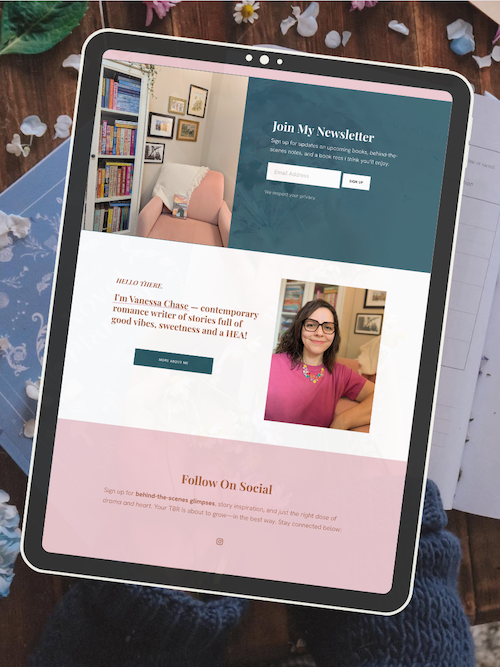
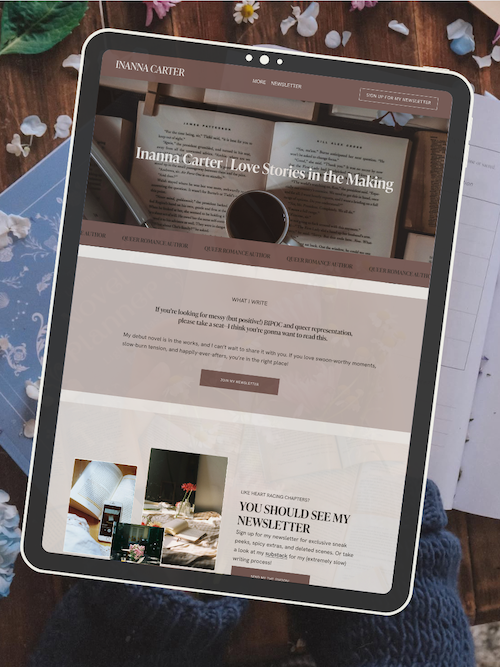
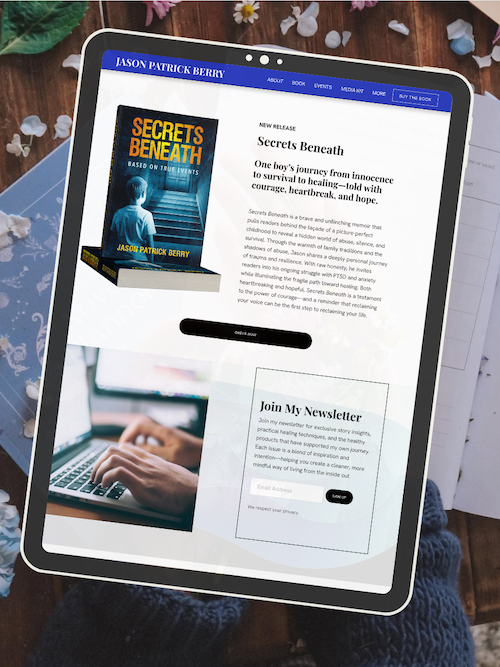
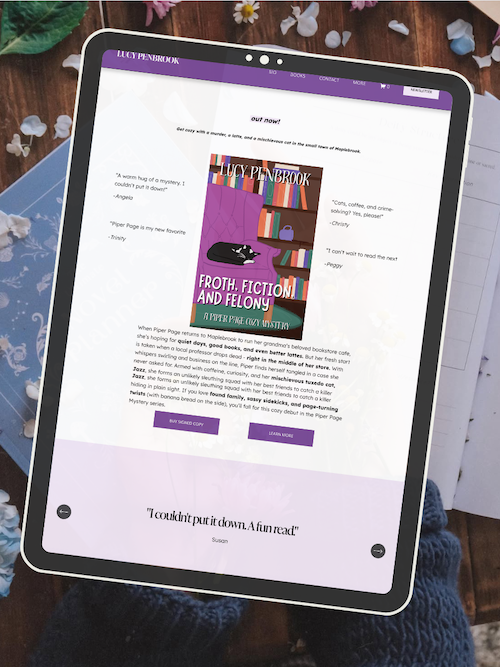
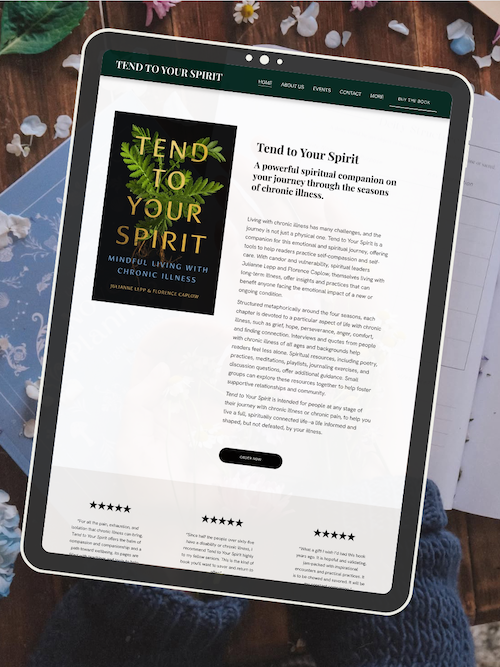
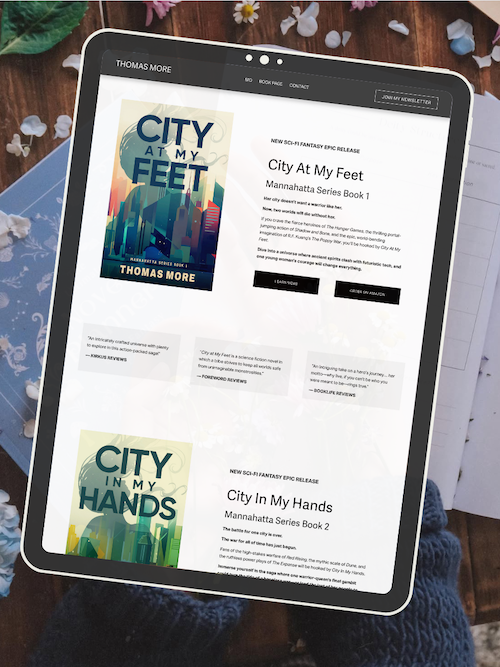
You don't need a fancy or expensive website to make a strong first impression. The best debut author sites focus on a few key elements: a clear home page that shows who you are and what you write, an easy way to join your email list, and a simple design that reflects your book's genre and voice. These basics help readers find you, remember you, and stay connected as your career grows.
This guide walks you through real debut author website examples that get it right. You'll see what features matter most, how to match your site to your brand, and practical ideas you can use right away—whether you're launching your first book or building your author platform from scratch.
Key Takeaways
Studying debut author website examples helps you understand what features attract readers and support your book launch
The best debut author sites focus on simple navigation, email signup options, and designs that match their book's genre
You can create an effective author website without advanced tech skills by using the right layout and key elements
AUTHOR WEBSITE EXAMPLES
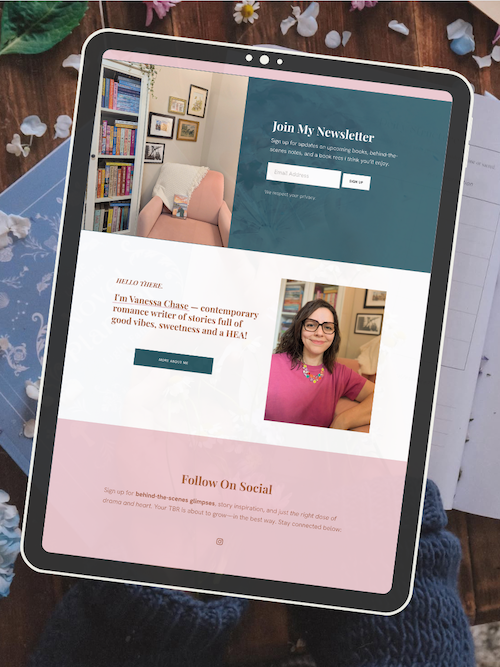
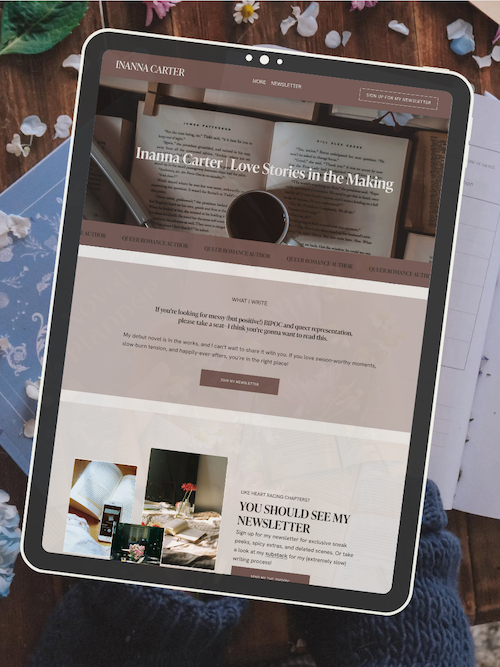
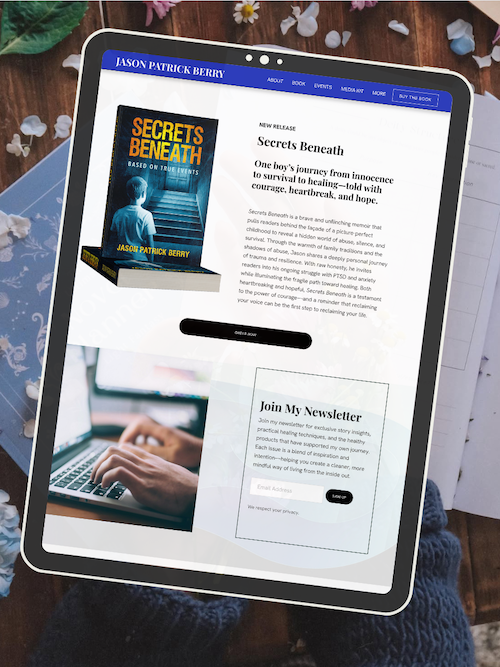
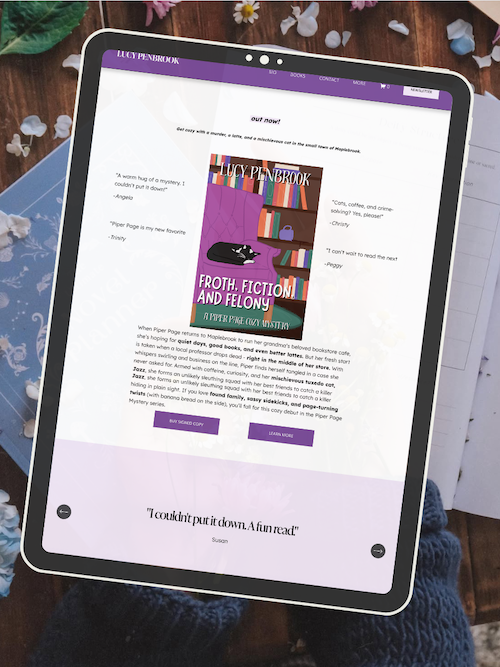
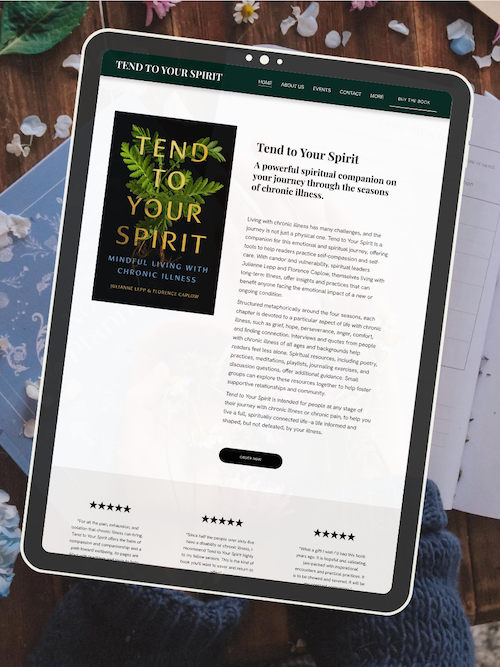
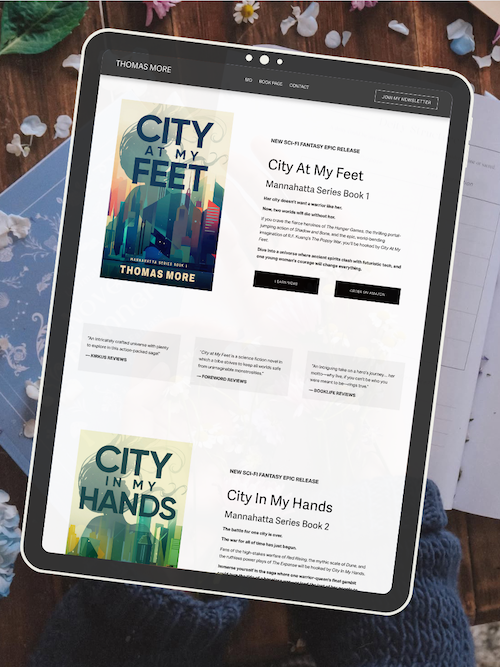
Debut Author Website Examples and Key Features
A strong debut author website balances professional design with personality, clear calls to action, and key pages that support both reader connection and book sales. The best debut author websites use clean layouts, strategic color schemes, and focused content that makes visitors want to join mailing lists and buy books.
What Makes a Great Debut Author Website
Your debut author website needs a clean, professional look that doesn't overwhelm visitors. The best author websites use a simple color scheme—usually two to three colors max—that matches your book genre and personal brand. A mystery author might use dark blues and grays, while a romance author could lean into soft pinks or deep reds.
High-quality images matter more than fancy features. Use high-resolution images for your author photo and book cover that look sharp on any device. Your author bio should be short and engaging, not a full resume.
Site speed can make or break first impressions. If your pages take more than three seconds to load, visitors leave. Keep your website builder lightweight and optimize all images before uploading.
A contact form or contact page gives readers and industry professionals a way to reach you. Social media icons should link to your active platforms only—don't list every social network if you're not actually using them.
Highlighted Debut Author Website Examples
Look at debut authors who launched in 2024-2025 for current design trends. Many successful first-time authors keep their homepage simple: a professional author photo, their book cover, and a newsletter signup form above the fold.
Strong debut sites typically include:
Book showcase with cover image, blurb, and buy links
Newsletter signup with a clear lead magnet (free chapter, short story, or bonus content)
Author bio that's conversational and under 200 words
Mailing list integration that actually works (test it yourself)
The most effective debut author websites don't try to do too much. They focus on two goals: building your email list and driving book sales. Everything else is secondary.
Many debut authors use author website templates from Squarespace, Wix, or WordPress to get started quickly. These templates come with built-in responsive design and proven layouts that convert visitors into readers.
Design Elements That Elevate Debut Author Sites
Your author website design should match your genre expectations. Thriller readers expect darker colors and bold fonts. Cozy mystery fans want warmer tones and friendly layouts. Look at other author websites in your genre to understand what resonates.
Essential design elements:
Element Purpose Best Practice Color scheme Brand recognition Stick to 2-3 colors that match your book cover Typography Readability Use one font for headers, one for body text White space Visual clarity Don't fill every inch—let content breathe Navigation User experience Keep menus simple with 4-5 main pages max
Professional author website designs use high-resolution images sparingly. One great header image beats five mediocre ones. Your book cover should be the largest, clearest image on your homepage.
Author branding extends beyond just colors. Your tone of voice in copy, the style of your author photo, and even button shapes all contribute to how readers perceive you. Consistency matters more than complexity.
Website builders for authors like Squarespace and Wix offer mobile-responsive templates automatically, so your site looks good on phones and tablets without extra work.
Must-Have Pages and Sections for First-Time Authors
Your debut author website needs four core pages: Home, About, Books, and Contact. Optional but helpful: a blog or news section and a media or press kit page.
Homepage priorities:
Book cover prominently displayed
Newsletter signup with lead magnet
Brief author introduction (2-3 sentences)
Clear navigation to other pages
Book pages should include the cover, synopsis, buy links to multiple retailers, testimonials and reviews (even advance reader reviews count), and any awards or recognition. Make buy buttons obvious and clickable.
Your author bio page tells your story without being a full autobiography. Include a professional photo, your writing background, personal details that connect with readers, and your social media icons.
A contact page with a working contact form helps literary agents, event coordinators, and media find you. Add your email address as backup in case the form breaks.
Newsletter signup should appear on multiple pages, not just your homepage. Offer a lead magnet—a free short story, first chapter, or exclusive content—to boost conversion rates. Connect your signup form to your email service provider so new subscribers get added automatically.
Book marketing works better when your website supports it. Add buy links that track properly, testimonials that build credibility, and clear calls to action on every page. Test all links regularly to make sure nothing's broken.
Some debut authors add a blog, but only if you'll actually update it. An abandoned blog from six months ago looks worse than no blog at all.
Frequently Asked Questions
New authors often have questions about building their first website. The right tools, design choices, and marketing features can make the difference between a site that converts and one that collects dust.
What essential elements should be included on a debut author's website for effective reader engagement?
Your debut author website needs a homepage that clearly states who you are and what you write. Include a prominent email signup form above the fold so visitors can join your list immediately. You want that form visible without scrolling.
An "About" page is non-negotiable. Readers want to connect with you as a person, not just consume your content. Share your writing journey, what inspires you, and why you write what you write.
A "Books" or "Writing" page showcases your work. Even if you haven't published yet, you can feature your upcoming release, excerpts, or work-in-progress details. This builds anticipation and gives readers a reason to check back.
Contact information matters too. Whether it's a simple contact form or links to your social media, make it easy for readers, agents, and media to reach you. Add a blog if you plan to post regularly—it keeps your site active and gives readers fresh content.
How can a debut author's website design reflect their genre and writing style?
Your color palette should match your genre's mood. Dark, moody tones work for thriller and mystery writers. Soft pastels fit romance authors. Bold, vibrant colors suit contemporary or young adult genres.
Typography choices speak volumes about your brand. Serif fonts often feel classic and literary, while sans-serif fonts read as modern and accessible. Script fonts can work for romance, but keep them readable—never sacrifice clarity for style.
Your imagery needs to align with reader expectations. If you write fantasy, consider ethereal landscapes or mystical elements. Contemporary fiction authors might use urban photography or minimalist graphics. Horror writers benefit from atmospheric, slightly unsettling visuals.
The layout itself communicates your style. A clean, minimal design suggests literary or upmarket fiction. A busier, more dynamic layout might suit action-oriented genres. Your navigation should be simple regardless of genre—three to five main menu items is plenty.
What strategies can debut authors employ on their websites to grow their mailing list?
Offer a reader magnet that your target audience actually wants. This could be a free short story, the first chapters of your book, exclusive character profiles, or a behind-the-scenes look at your writing process. Make it relevant to your genre and valuable enough that readers willingly exchange their email for it.
Place signup forms strategically throughout your site. Put one in your header or homepage hero section, embed another at the end of blog posts, and consider a exit-intent popup that appears when visitors are about to leave. Don't make readers hunt for the signup form.
Your form copy needs to tell readers what they're getting. Instead of "Subscribe to my newsletter," try "Get free short stories delivered monthly" or "Join 500+ readers for exclusive updates and early access." Be specific about the value and frequency.
Create dedicated landing pages for different reader magnets. If you're running ads or promoting on social media, send traffic to a focused page with one goal—capturing that email address. Remove navigation and other distractions so visitors stay focused on signing up.
What are some effective SEO practices for a debut author's website to enhance discoverability?
Start with keyword research focused on your genre and name. Target phrases like "[genre] author," "books like [popular author]," or specific themes in your writing. Use these keywords naturally in your page titles, headings, and body content.
Your page titles and meta descriptions need optimization. Every page should have a unique title tag that includes relevant keywords and stays under 60 characters. Meta descriptions should be compelling, include keywords, and stay under 155 characters.
Blog content drives organic traffic to your site. Write posts about your genre, writing process, character development, or topics related to your book's themes. Each post is another opportunity to rank for keywords and attract readers searching for content you can provide.
Internal linking helps search engines understand your site structure. Link from blog posts to your books page, from your about page to your contact form, and between related blog posts. Use descriptive anchor text that tells readers and search engines what they'll find when they click.
Site speed and mobile optimization affect your rankings. Compress images before uploading them, choose a fast hosting provider, and test your site on multiple devices. Most readers will visit from their phones, so your mobile experience needs to be flawless.
Which website functionalities are crucial for debut authors to sell their books directly to readers?
An integrated e-commerce system lets you sell signed copies, ebooks, or special editions directly from your site. Platforms like Squarespace and Shopify offer built-in payment processing, inventory management, and order fulfillment tools that work without technical knowledge.
Digital product delivery is essential if you're selling ebooks or digital-only content. Your website needs to automatically send download links after purchase. Look for platforms that handle this securely and provide customers with multiple download options.
A shopping cart system should be simple and trustworthy. Display security badges, offer multiple payment methods, and keep the checkout process to as few steps as possible. Every extra click increases the chance someone abandons their purchase.
Product pages need compelling copy and professional images. Show your book cover at high resolution, include the full book description, add reader reviews if you have them, and make the "Buy Now" button prominent. Consider offering book bundles or special packages to increase order value.
Email automation for post-purchase communication keeps readers engaged. Send order confirmations immediately, shipping updates when relevant, and follow-up emails asking for reviews or suggesting your other books. These automated sequences turn one-time buyers into repeat customers.
How can debut authors measure the success and traffic of their websites?
Google Analytics gives you comprehensive data about your visitors. Install it on your site to track how many people visit, which pages they view, how long they stay, and where they come from. This free tool shows you what's working and what needs improvement.
Email signup conversion rate tells you if your forms are effective. Divide the number of new subscribers by total visitors, then multiply by 100. If you're getting less than 2-3% conversion, test different form placements, copy, or reader magnets.
Page-specific metrics reveal which content resonates. Check which blog posts get the most traffic, which pages have the highest bounce rates, and where visitors spend the most time. Double down on content similar to your top performers.
Traffic sources show you where readers find you. Are they coming from social media, search engines, or direct links? Understanding this helps you focus your marketing efforts on channels that actually drive traffic to your site.
Goal tracking in Google Analytics lets you measure specific actions. Set up goals for email signups, book purchases, contact form submissions, or any
Ready to launch your author website?
Explore my Squarespace website templates designed specifically for authors — easy to customize, beautifully designed, and built to help you sell more books.

SHOP THE AUTHOR WEBSITE TEMPLATES
THE MANUSCRIPT AUTHOR WEBSITE TEMPLATE — perfect for authors launching their first professional website with a simple, polished layout
THE DEBUT AUTHOR WEBSITE TEMPLATE — designed to highlight your first book, build your email list, and grow an audience from day one
THE SERIES AUTHOR WEBSITE TEMPLATE — ideal for showcasing multiple books with clear series pages and strong reader flow
THE ONE-PAGE AUTHOR AUTHOR WEBSITE TEMPLATE — a streamlined one-page site for authors who want something beautiful, fast, and easy
THE DONE-FOR-YOU AUTHOR WEBSITE EXPERIENCE — your author website built for you so you can launch without touching design or tech
MOST POPULAR BLOG POSTS
Authors Guide to Website Design & Branding
Squarespace Email Campaigns: A Guide for Authors
How to Create an Author Website on Squarespace (Step-by-Step)

Launch Your Author Website in a Day (Without the Tech Overwhlem)
*No more starting from scratch.
A simple, done-for-you Squarespace template built specifically for authors with a WIP.