Blogging for Authors — Is It Worth It? Time Investment, Benefits, and What Actually Works
FIRST PAYou’ve probably heard that every author needs a blog. It’s repeated so often in writing circles that it feels like a rule rather than a strategy. But you’ve also seen countless writers start blogs with enthusiasm—only to abandon them three months later when the traffic doesn’t magically appear and book sales don’t spike.
So what’s the truth?
Blogging for authors is worth it if you enjoy writing regularly and your books align with topics people are actively searching for. If not, your time may be better spent building your email list, networking in your genre community, or focusing on social media platforms where your readers already spend time.
There is no universal answer. Fiction authors face different realities than nonfiction writers. Self-published authors operate differently than traditionally published ones. An author writing cozy mysteries has different marketing leverage than someone publishing books on productivity or parenting.
This guide will walk you through:
What author blogs actually are
Who benefits most from blogging
How much time it really takes
The real pros and cons
Smart strategies that actually work
And when it’s completely okay to skip blogging
By the end, you’ll have clarity—not guilt—about whether blogging belongs in your author platform.
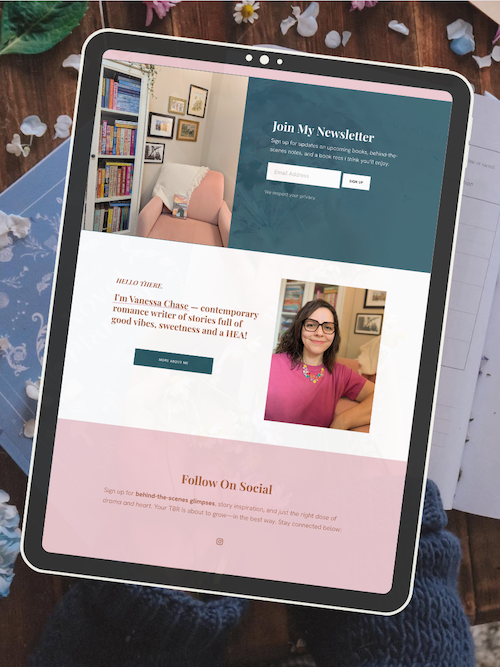
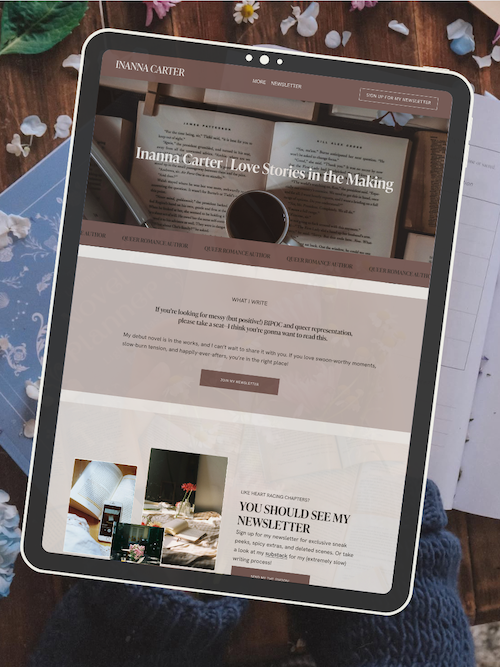
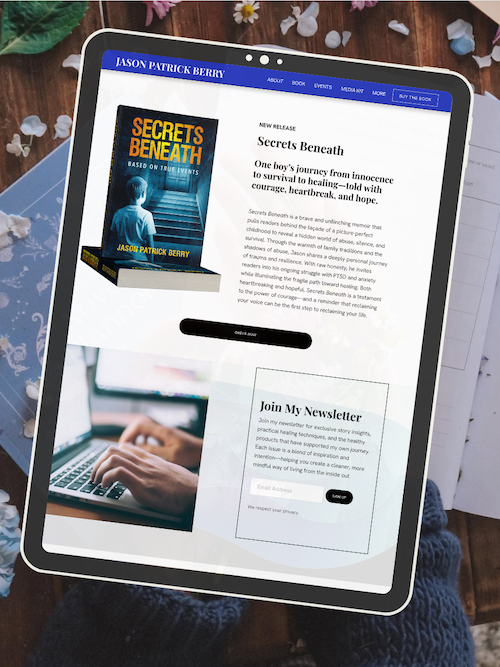
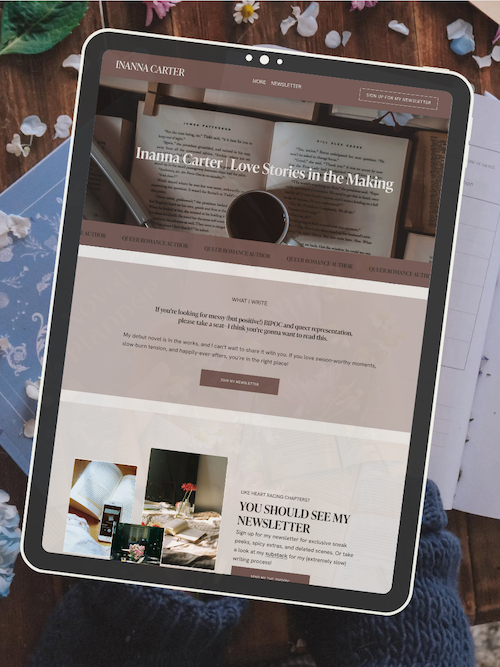
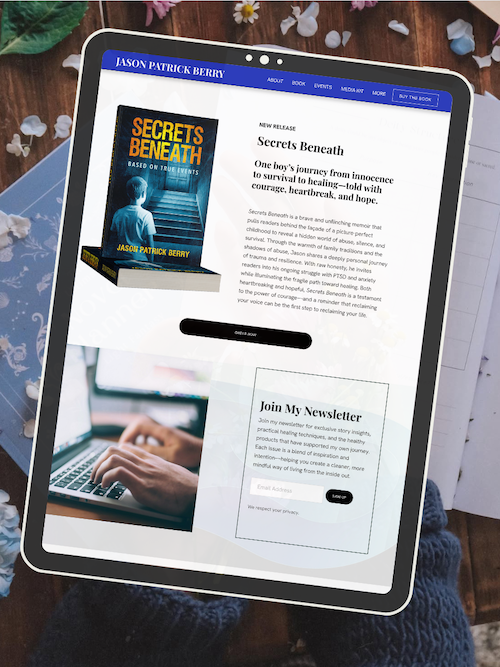
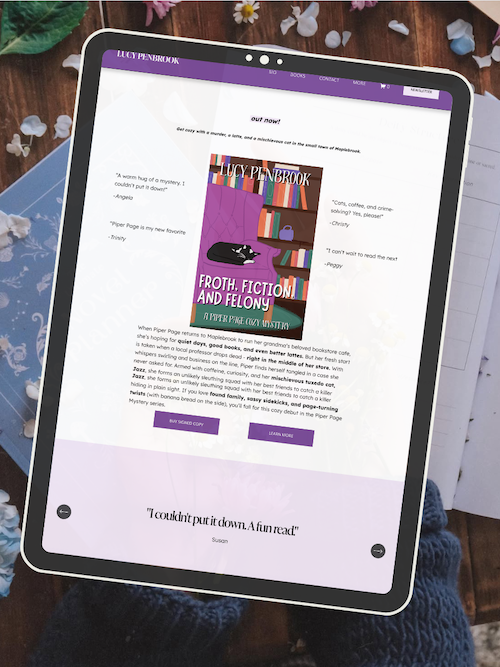
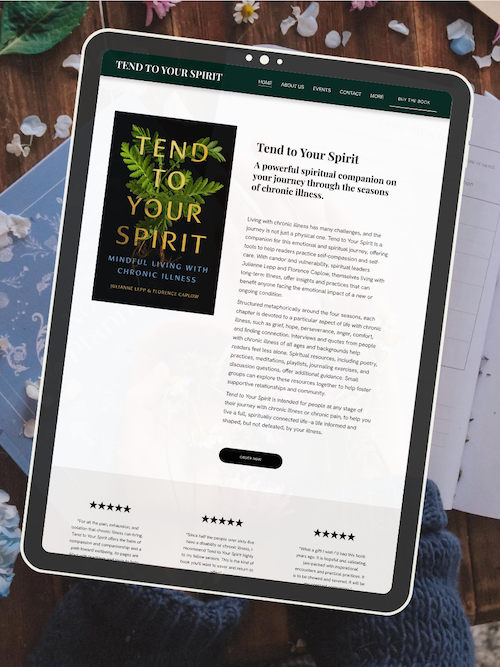
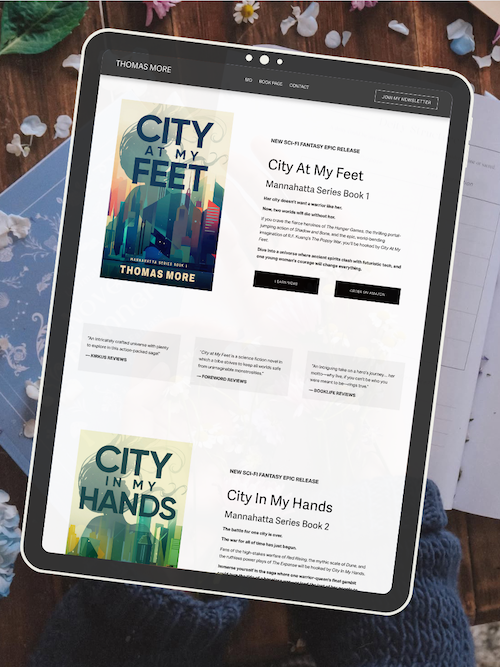
Want a beautiful author website without spending weeks designing it from scratch? These Squarespace website templates for authors are designed to showcase your books, grow your email list, and look professional instantly.

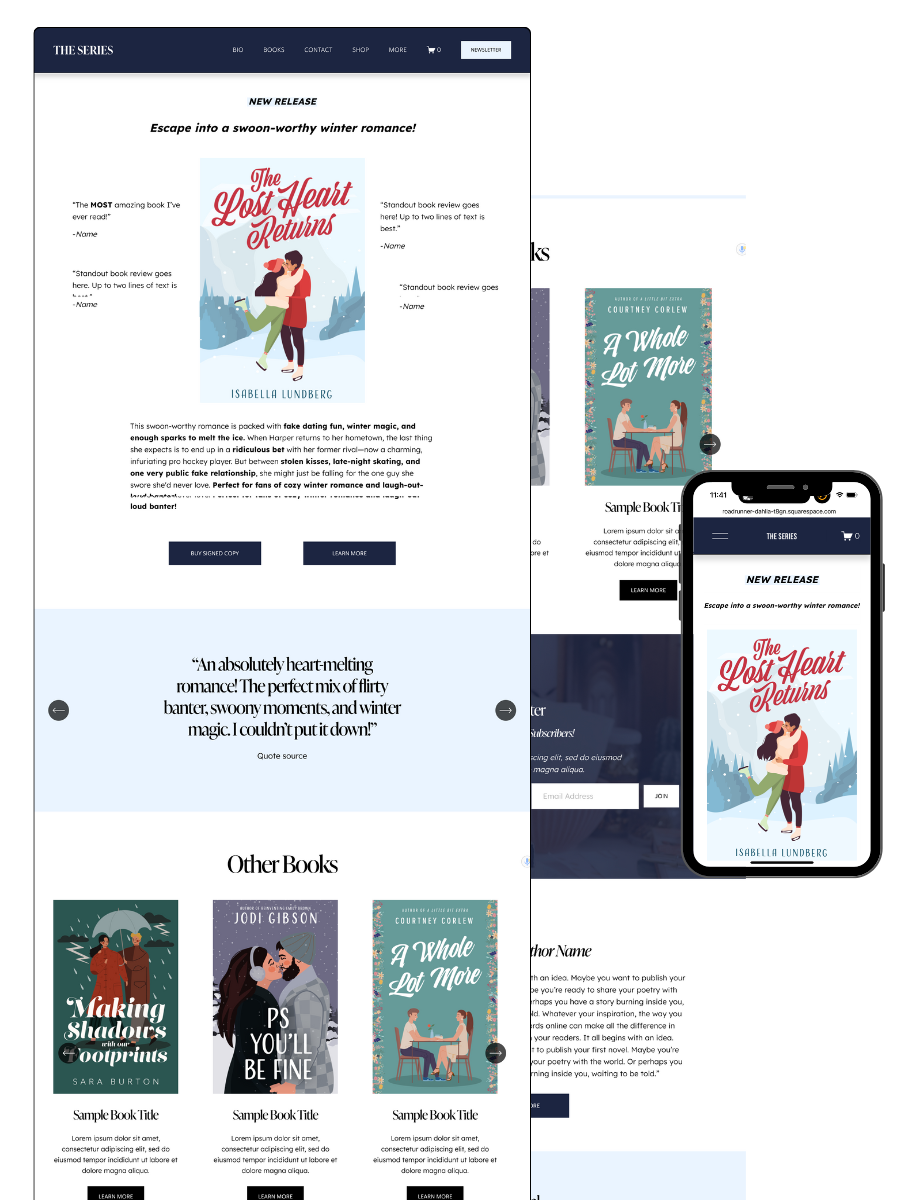
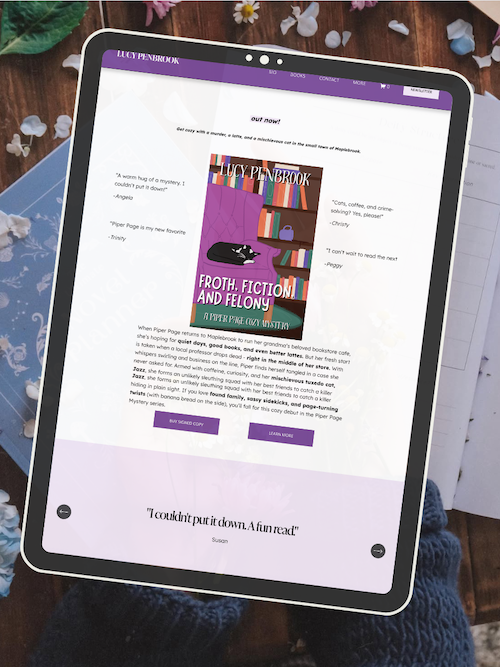
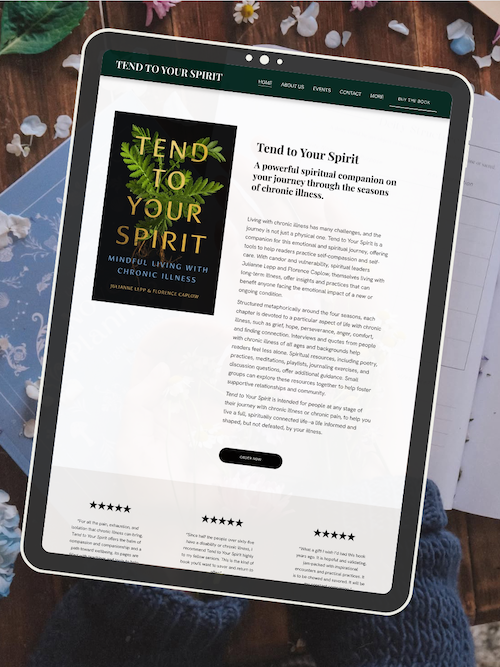
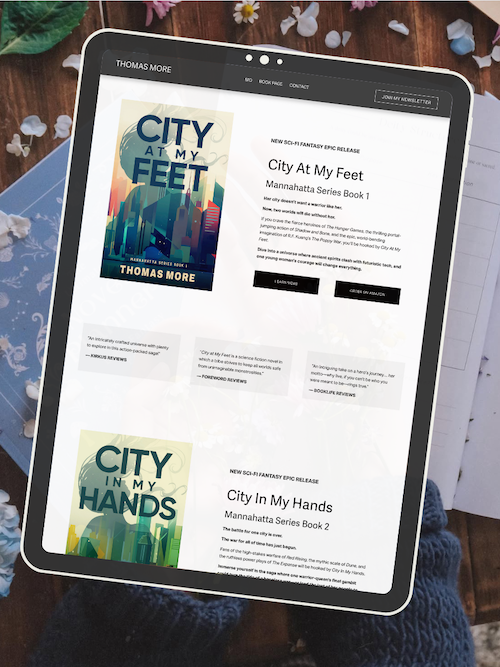
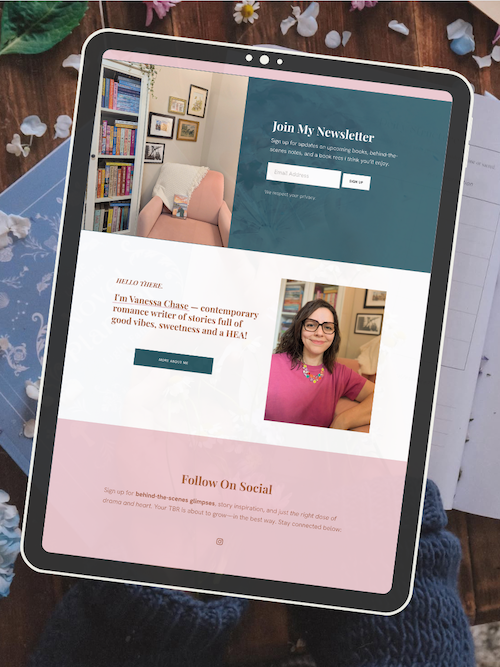
Here’s how real authors are using these Squarespace author website templates:
What Is an Author Blog?
An author blog is a section of your website where you publish articles on a consistent basis. Unlike social media posts, which disappear into endless feeds, blog posts live permanently on your site. Each one has its own URL and can show up in search engines.
Your blog might include:
Behind-the-scenes writing updates
Articles related to your book’s themes
Educational posts (for nonfiction authors)
Research deep-dives
Book recommendations
Craft advice
Personal reflections
The key distinction: you own your blog.
Social media platforms control visibility. Algorithms change. Accounts get restricted. Trends shift overnight. But your blog remains your intellectual property and digital home base.
AUTHOR WEBSITE EXAMPLES
Why Authors Start Blogs
Authors typically begin blogging for one (or more) of these reasons:
1. To Improve SEO (Search Engine Optimization)
Blog posts create opportunities to appear in Google search results. If readers search for topics related to your expertise or book themes, your blog can bring them directly to your website.
2. To Stay Visible Between Book Releases
Especially for authors who publish infrequently, a blog provides regular touchpoints with readers.
3. To Build Authority
Nonfiction authors often use blogs to establish credibility. Each helpful article reinforces expertise and builds trust.
4. To Connect on a Deeper Level
Blogs allow for longer, more thoughtful communication than social media. They create space for nuance and personality.
5. To Strengthen Writing Muscles
Some authors simply enjoy writing consistently. Blogging keeps creativity active between larger projects.
The best blogs come from genuine interest—not marketing pressure. If blogging feels like punishment, readers will sense that. If it feels like conversation, it becomes powerful.
Is Blogging Worth It for Fiction Authors?
Let’s be honest: for many fiction authors, blogging is a harder sell.
Most fiction readers don’t go to Google searching for blog posts from novelists. They discover books through:
Retail platforms
Goodreads
BookTok and Bookstagram
Email recommendations
Genre communities
If you write general contemporary fiction with no clear nonfiction tie-in, blogging may not drive meaningful sales.
When Blogging Can Work for Fiction
There are exceptions:
Historical fiction authors blogging about real history
Fantasy authors exploring world-building topics
Romance authors discussing tropes or relationship psychology
Thriller writers breaking down criminal psychology
In these cases, blog topics align with searchable interests.
Some fiction authors take a minimalist approach—posting once monthly with updates, release news, or behind-the-scenes insights. These posts may not drive major SEO traffic, but they keep the website fresh and Amazon Author Central feeds active.
If blogging feels draining and disconnected from your genre, it may not be your best energy investment.
Blogging for Nonfiction Authors: A Stronger Case
For nonfiction authors, blogging can be extremely effective.
If you write about:
Health
Business
Productivity
Parenting
Personal development
Cooking
Finance
Education
…then people are actively searching those topics every day.
Each blog post becomes:
A demonstration of expertise
A traffic generator
A sample of your writing
A trust-building tool
When readers eventually want deeper information, your book becomes the logical next step.
The tighter the connection between your blog topics and your book content, the stronger your results.
The Time Investment: What Authors Underestimate
Here’s the hidden reality: blogging takes time.
A high-quality post often requires:
Research
Drafting
Editing
Formatting
SEO optimization
Adding images
Publishing and linking
That can easily total 2–4 hours per post.
Weekly blogging? That’s potentially 8–16 hours per month.
You must ask yourself:
Would those hours produce better results if spent writing your next book?
For many authors, monthly blogging is more sustainable. Consistency matters more than frequency.
The SEO Factor: Long-Term, Not Immediate
Search engine optimization is one of blogging’s biggest benefits—but it requires patience.
Results typically take:
3–6 months for early traction
6–12 months for measurable growth
12+ months for strong compound traffic
SEO is a slow burn. Authors who expect immediate results often quit before momentum builds.
But here’s the payoff: once a post ranks, it can bring traffic for years without additional effort.
That’s the compounding power blogging offers—if you’re willing to wait.
Key Benefits of Blogging for Authors
1. You Own the Platform
Your blog is stable real estate in an unstable internet ecosystem.
2. Organic Traffic Builds Over Time
Each post becomes another entry point to your site.
3. Deeper Reader Connection
Long-form writing builds trust and personality visibility.
4. Email List Growth
Blog readers are ideal email subscribers.
5. Authority and Credibility
Consistent, thoughtful posts position you as serious and knowledgeable.
6. Creative Outlet
Blogging can energize your writing practice rather than replace it.
Real Drawbacks Authors Must Consider
Time Drain
Blogging can cannibalize book-writing hours.
Burnout Risk
Maintaining blog + social + newsletter + book writing can overwhelm.
Delayed Results
SEO patience is required.
Strategy Required
Random posts rarely perform well. Blogging needs direction.
Sometimes the smartest move is saying no.
When Blogging Makes Strategic Sense
Blogging is ideal when:
You write nonfiction with searchable topics
You enjoy long-form writing
You’re willing to commit at least 6 months
You have realistic expectations
You want a stable platform you own
It may not be ideal when:
You struggle to finish manuscripts
You hate blog writing
Your genre isn’t search-friendly
You need fast marketing results
Smart Ways to Make Blogging Work
1. Align Blog Topics With Book Themes
Historical fiction? Write history deep-dives.
Memoir? Write reflective essays.
Business book? Write practical strategy posts.
Alignment is everything.
2. Repurpose Content
One blog post can become:
Newsletter content
Social media snippets
A podcast episode
Pinterest pins
LinkedIn articles
Maximize every piece.
3. Focus on Reader Value First
Helpful content wins.
Not self-promotion.
Serve first. Sell naturally later.
4. Choose a Sustainable Schedule
Monthly consistency beats weekly burnout.
5. Track Results (But Not Obsessively)
Monitor traffic trends quarterly—not daily.
Frequently Asked Questions
How long before blogging impacts book sales?
Typically 6–12 months for noticeable influence, especially through SEO.
Do I need to blog weekly?
No. Monthly is enough if consistent.
Can blogging replace social media?
Not entirely—but it can reduce dependence on it.
Is blogging better than email marketing?
They serve different roles. Blogging attracts. Email converts.
What if I stop blogging later?
That’s okay. Your posts still live on your site.
A Balanced Conclusion
Blogging for authors is not a universal requirement. It is a strategic option.
For nonfiction authors in searchable niches, it can be a powerful long-term asset.
For fiction authors without topical tie-ins, it may offer modest connection benefits but limited sales impact.
The most important question is not:
“Should authors blog?”
It’s:
“Does blogging align with my energy, genre, and goals?”
If yes, approach it strategically and sustainably.
If no, let it go confidently and invest your time where it counts most—writing exceptional books and building meaningful reader relationships.
Marketing works best when it fits the writer behind it.
Ready to launch your author website?
Explore my Squarespace website templates designed specifically for authors — easy to customize, beautifully designed, and built to help you sell more books.

SHOP THE AUTHOR WEBSITE TEMPLATES
THE MANUSCRIPT AUTHOR WEBSITE TEMPLATE — perfect for authors launching their first professional website with a simple, polished layout
THE DEBUT AUTHOR WEBSITE TEMPLATE — designed to highlight your first book, build your email list, and grow an audience from day one
THE SERIES AUTHOR WEBSITE TEMPLATE — ideal for showcasing multiple books with clear series pages and strong reader flow
THE ONE-PAGE AUTHOR AUTHOR WEBSITE TEMPLATE — a streamlined one-page site for authors who want something beautiful, fast, and easy
THE DONE-FOR-YOU AUTHOR WEBSITE EXPERIENCE — your author website built for you so you can launch without touching design or tech
MOST POPULAR BLOG POSTS
Authors Guide to Website Design & Branding
Squarespace Email Campaigns: A Guide for Authors
How to Create an Author Website on Squarespace (Step-by-Step)

Launch Your Author Website in a Day (Without the Tech Overwhlem)
*No more starting from scratch.
A simple, done-for-you Squarespace template built specifically for authors with a WIP.