Author Website Template Buying Guide: How to Choose the Best Design for Your Brand
You've built your author brand, written your book, and now you need a website that actually represents you. An author website template gives you a pre-designed starting point that includes everything writers need—from book showcases to newsletter signups—without requiring coding skills or a designer's budget. But with hundreds of options out there, how do you pick the right one?
Want a beautiful author website without spending weeks designing it from scratch? These Squarespace website templates for authors are designed to showcase your books, grow your email list, and look professional instantly.

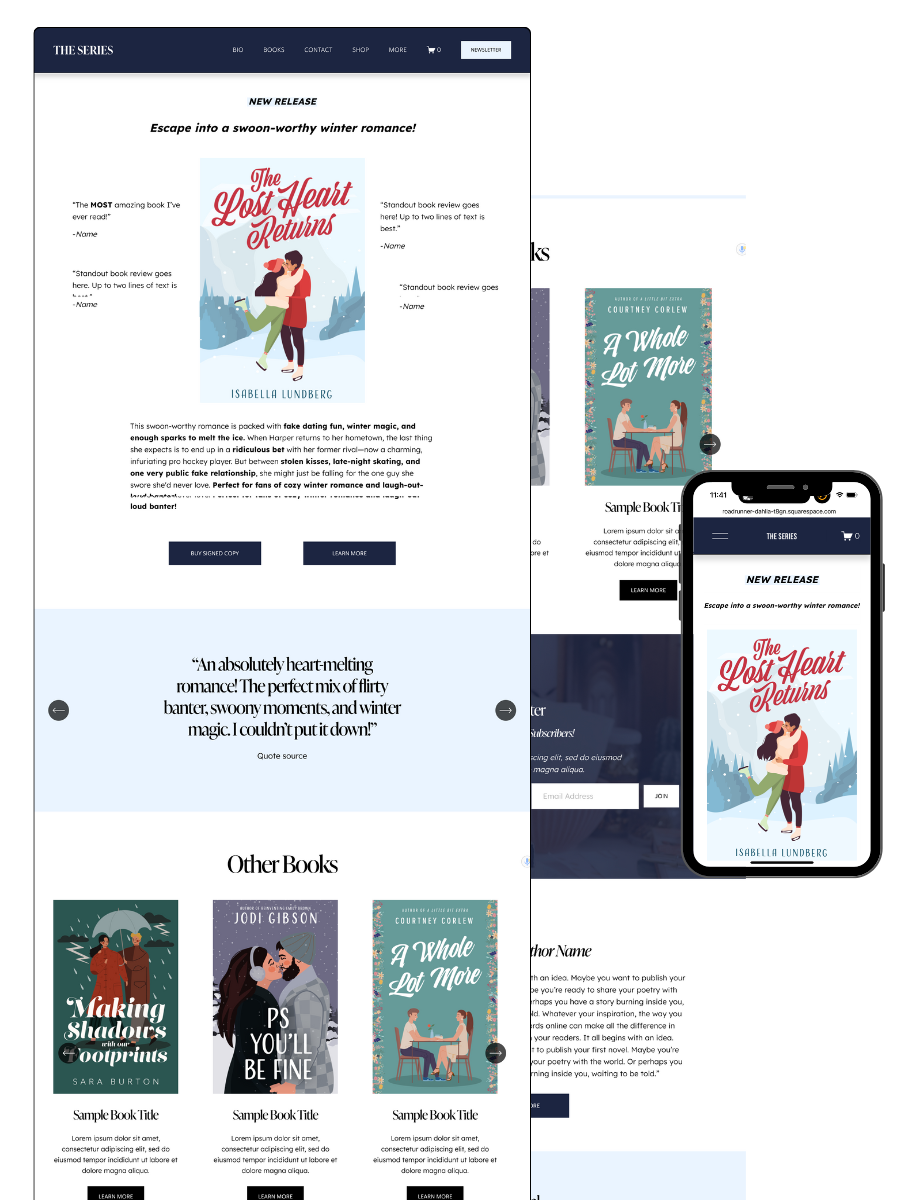
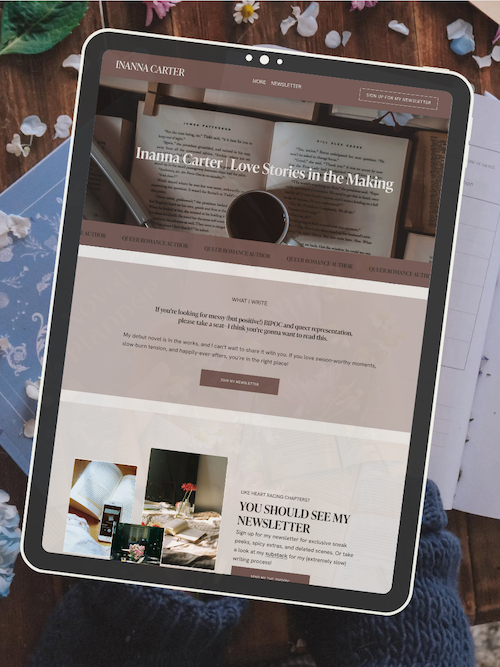
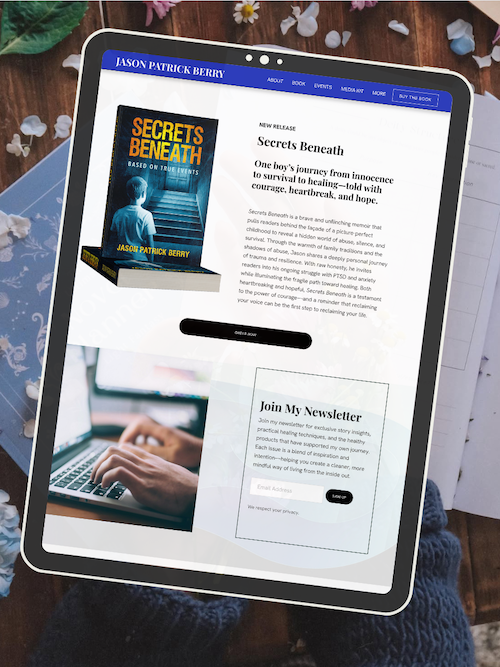
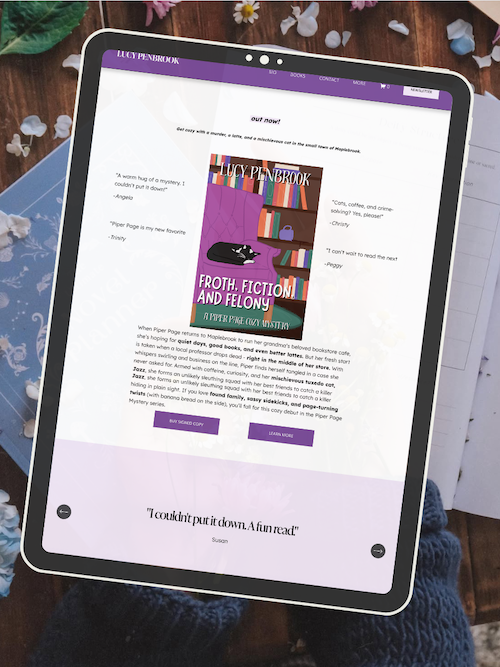
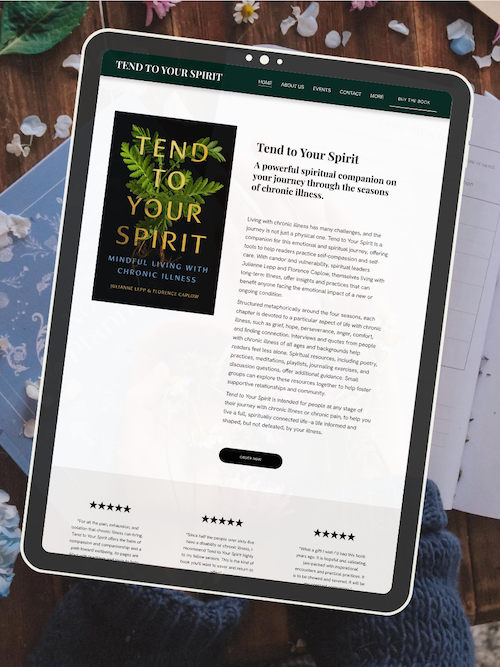
Here’s how real authors are using these Squarespace author website templates:
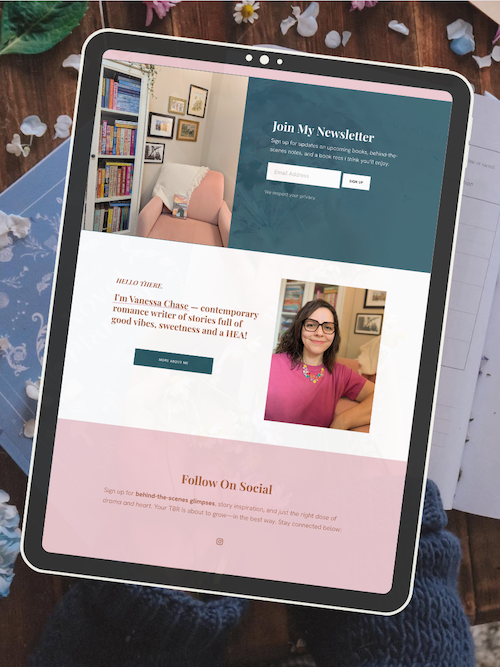
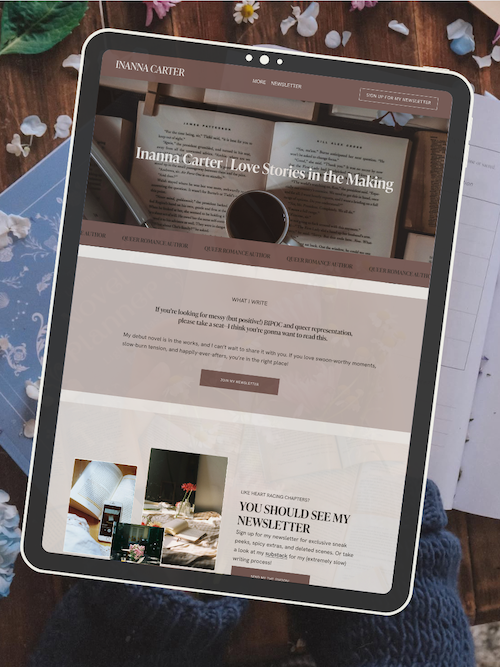
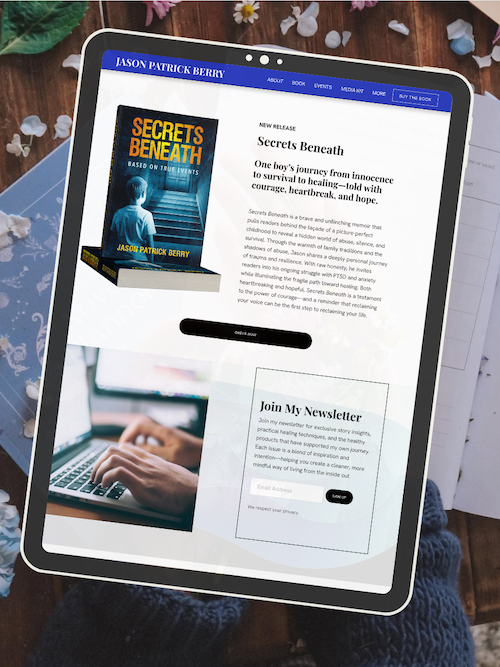
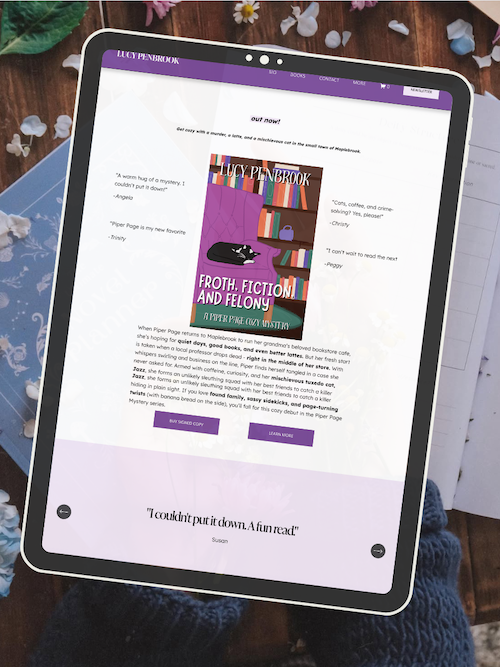
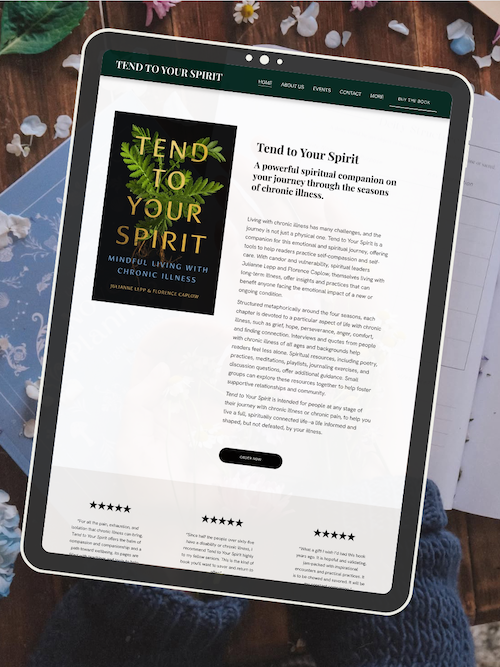
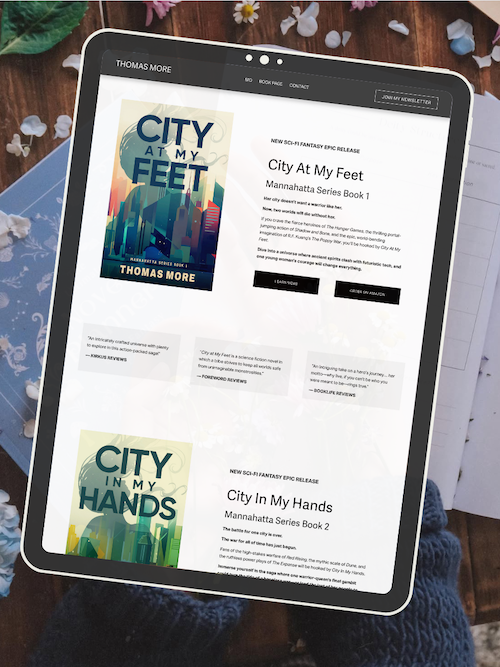
Not all templates are created equal. Some are built for bloggers, others for portfolios, and only certain ones are truly designed for authors who need to sell books, connect with readers, and grow their email list. The wrong choice can leave you stuck with a clunky site that doesn't convert visitors into fans.
This guide walks you through what to look for when buying an author website template, which features actually matter, and how to avoid the common traps that waste your time and money. You'll know exactly what separates a good template from a great one—and how to choose the perfect fit for your writing career.
Key Takeaways
Author website templates should include book showcases, newsletter signup forms, and reader engagement features built in
Choose a template that matches your genre and makes customization simple without needing coding experience
Look for mobile-responsive designs with clear navigation that helps readers find your books and connect with you quickly
AUTHOR WEBSITE TEMPLATES WITH REAL EXAMPLES
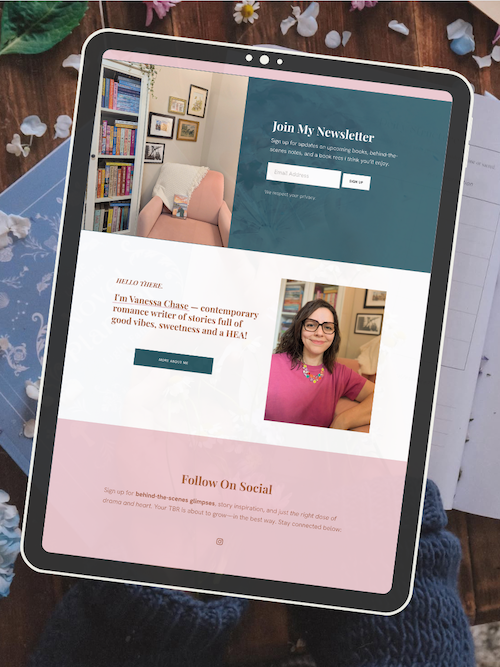
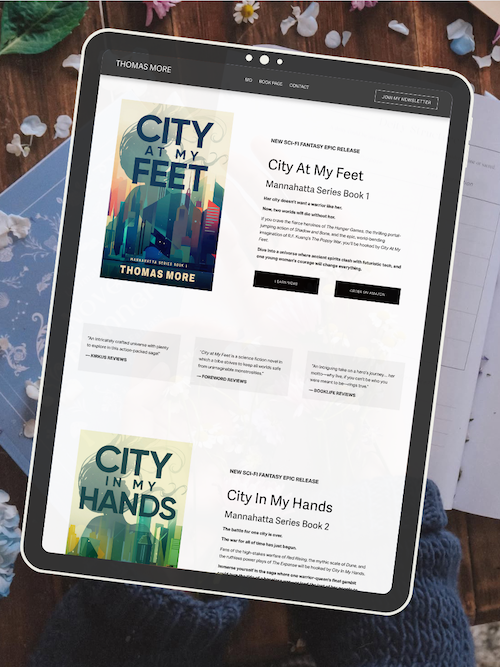
Author Website Template (Buying Guide) Essentials
Templates save you time and money while giving you a professional foundation to showcase your books and connect with readers. The right template includes features built specifically for authors, from book landing pages to newsletter signups, all while matching your genre and personal brand.
Key Benefits of Using Author Website Templates
Templates eliminate the need to start from scratch. You get a professional author website up and running in hours instead of weeks. Most author website templates come with pre-built pages like an author bio, book showcase, and contact form already laid out for you.
Cost savings add up fast. Custom author website design can cost thousands of dollars. Templates typically range from free to $200 for premium options. You'll also save money on developer fees since most templates use drag-and-drop editors.
Templates are built with responsive design and often come retina-ready. Your site automatically looks great on phones, tablets, and desktops. You don't need to test across devices or hire someone to make adjustments.
Many templates include SEO optimization features already configured. WordPress themes and other platforms build in meta tags, clean code, and fast loading speeds. This gives you a head start in search rankings without technical knowledge.
Choosing Between Fiction and Non-Fiction Author Templates
Fiction author websites need visual impact. Look for templates with large book cover displays, atmospheric homepage designs, and space for series information. Fiction readers want to see your covers prominently and get immersed in your story world through visuals and color schemes.
Non-fiction author websites prioritize credibility. These templates typically feature your credentials front and center, space for a media kit, and professional photography. Non-fiction readers want to see your expertise, speaking engagements, and testimonials before they commit.
Fiction templates often include features for multiple book series. You might need dedicated pages for each series with character guides or world-building extras. Series pages help readers navigate your backlist and discover where to start.
Non-fiction templates focus on your author platform as an expert. They emphasize blog sections, podcast integration, and course offerings. Many include layouts for lead magnets and free resources that position you as an authority in your field.
Core Features to Look For in a Template
Every author website template should include a book showcase section. This displays your titles with covers, descriptions, and buy links. The best ones let you organize books by series or release date without touching code.
Newsletter signup forms are non-negotiable. Look for templates with Mailchimp integration or other email service connections. The signup should appear on multiple pages—homepage, footer, and a dedicated landing page. Growing your list is your most valuable marketing asset.
Social media links need prominent placement. Your template should include spots for Instagram, Facebook, Amazon author page, Goodreads, and BookBub. These links help readers follow you across platforms and stay connected between book releases.
A dedicated author bio page tells readers who you are. Make sure your template includes space for a professional photo, your story, and what you're working on next. This page builds the personal connection that turns casual readers into loyal fans.
Homepage design matters most. Your template should feature your newest release prominently, along with a strong call-to-action. Whether that's "Join my newsletter" or "Pre-order now," the homepage needs clear direction.
Additional features worth having:
Contact form for media inquiries and reader messages
Blog section for updates and content marketing
Book landing pages for individual title promotions
Events calendar for appearances and signings
Reader extras like bonus scenes or character art
Integrating Book Promotion and Reader Engagement Tools
Your template needs seamless ways to promote your work. Look for layouts that support individual book landing pages. These dedicated pages convert better than general book listings because they focus on one title with reviews, excerpts, and multiple retailer links.
Ebook store integration expands your selling options. Some templates work with Gumroad, Payhip, or WooCommerce for direct sales. Selling direct keeps more profit in your pocket and gives you customer email addresses for future marketing.
Reader engagement tools turn visitors into community members. Your template should make it easy to add reader clubs, character quizzes, or downloadable bookmarks. These extras give readers reasons to return and increase time spent on your site.
Blog functionality supports your book marketing strategy. Regular posts about your writing process, research, or updates keep readers engaged between releases. Choose templates with clean blog layouts and easy category organization.
Email capture goes beyond basic forms. Look for templates that support content upgrades—free chapters, character guides, or deleted scenes in exchange for email addresses. These targeted offers convert significantly better than generic "subscribe to my newsletter" buttons.
WordPress author themes often include the most flexibility for these features. They work with plugins that add functionality without rebuilding your site. This means you can start simple and add tools as your author platform grows.
Frequently Asked Questions
Author website templates come with plenty of features and options, but choosing the right one means knowing what to prioritize. Mobile optimization, social media integration, and customization tools all play a role in creating a site that supports your author brand and connects with readers.
What essential features should I look for in an author website template?
Your author website template needs a few non-negotiables to work well. Look for a built-in book showcase area where you can display covers, descriptions, and purchase links. You'll also want an email signup form (preferably one that doesn't require complicated plugins or third-party tools).
A blog section is another must-have. It gives you space to connect with readers, share updates, and improve your SEO. Make sure the template includes an about page layout that feels personal and professional—readers want to know who you are.
Contact forms should be simple and functional. You don't need anything fancy, just a way for readers, agents, or media to reach you easily.
Finally, check if the template supports easy navigation. If visitors can't find your books or newsletter signup in two clicks, the design isn't working.
How can I ensure my author website is optimized for mobile users?
Most readers will visit your site from their phones. That means your template needs to be fully responsive—adjusting automatically to different screen sizes. Before you commit to a template, test it on your phone. Click around. Does everything load quickly? Are buttons easy to tap?
Pay attention to image sizes. Large photos slow down load times, especially on mobile data. Choose a template that compresses images automatically or gives you tools to optimize them.
Make sure text is readable without zooming. If your fonts are too small or your paragraphs are too long, mobile visitors will bounce. Stick with clean layouts and plenty of white space.
Test your book purchase links on mobile too. If readers have to pinch and zoom just to click a button, you're losing sales.
What are the best practices for integrating social media into my author website?
Social media links should be visible but not overwhelming. Most author templates include a header or footer spot for social icons. That's usually enough. You don't need pop-ups or sidebars cluttered with every platform you're on.
Link only to the social accounts you actually use. If you haven't posted on Twitter in two years, don't include it. Focus on where your readers can genuinely connect with you.
Some templates let you embed Instagram feeds or Twitter timelines directly on your site. This can work well on a homepage or blog, but make sure it doesn't slow down your load time. A few curated posts are better than an auto-feed that pulls in everything.
Add social sharing buttons to your blog posts. When readers enjoy your content, make it easy for them to share it. Just don't go overboard—one or two sharing options per post is plenty.
Can you recommend a website builder that offers high-quality templates for writers or authors?
Squarespace is a solid choice for authors who want beautiful, professional templates without needing design skills. The templates are clean, modern, and fully customizable. Everything works together—your website, your blog, your email marketing—all in one place.
Wix is another option if you want more flexibility with drag-and-drop editing. It's beginner-friendly and offers a wide range of templates. The downside is it can feel a bit cluttered if you're not careful with your design choices.
WordPress gives you the most control, but it comes with a steeper learning curve. You'll need to manage hosting, security, and updates yourself (or hire someone to do it). If you're comfortable with tech, WordPress plus a theme like Divi or Astra works well for authors.
Showit is great if you want total creative freedom and a designer-level look. It pairs with WordPress for blogging, so you get the best of both worlds. It's pricier than other options, but the visual builder is unmatched.
How important is SEO in selecting a template for my author website?
SEO matters more than you might think. A well-optimized site helps readers find you through Google searches, which means more book sales and newsletter signups. Your template should include basic SEO tools like customizable page titles, meta descriptions, and image alt text.
Check if the template builder offers clean code and fast load times. Google ranks faster sites higher. Bloated templates with unnecessary scripts and plugins will hurt your search rankings.
Look for templates that make it easy to create blog content. Blogging is one of the best ways to improve your SEO as an author. If the template has a clunky blog setup, you won't use it—and you'll miss out on organic traffic.
Some platforms like Squarespace and Wix have built-in SEO features that guide you through optimization. WordPress gives you more advanced options with plugins like Yoast or Rank Math, but you'll need to learn how to use them.
What should I consider when it comes to website customization options for showcasing my books?
Your book pages need to be both beautiful and functional. Look for templates that let you create dedicated pages for each book with space for cover images, blurbs, reviews, and buy links. You should be able to update these pages easily whenever you release something new.
Check if the template supports different layouts. Some books might need video trailers, sample chapters, or series information. Your template should flex to fit whatever your books require.
Make sure you can customize fonts and colors to match your book branding. If you write dark fantasy, you'll want a different vibe than if you write sweet romance. Your template should let you adjust the mood without rebuilding everything from scratch.
Test how the book showcase looks on mobile. Readers browsing on their phones should see clear covers, readable text, and obvious purchase buttons. If your book display is messy on mobile, you're losing potential sales.
Consider whether you can add a "series page" or "all books" gallery. Some authors have extensive backlists that need organized, scannable displays. Your template should handle both single book spotlights and full catalog views.
Ready to launch your author website?
Explore my Squarespace website templates designed specifically for authors — easy to customize, beautifully designed, and built to help you sell more books.

SHOP THE AUTHOR WEBSITE TEMPLATES
THE MANUSCRIPT AUTHOR WEBSITE TEMPLATE — perfect for authors launching their first professional website with a simple, polished layout
THE DEBUT AUTHOR WEBSITE TEMPLATE — designed to highlight your first book, build your email list, and grow an audience from day one
THE SERIES AUTHOR WEBSITE TEMPLATE — ideal for showcasing multiple books with clear series pages and strong reader flow
THE ONE-PAGE AUTHOR AUTHOR WEBSITE TEMPLATE — a streamlined one-page site for authors who want something beautiful, fast, and easy
THE DONE-FOR-YOU AUTHOR WEBSITE EXPERIENCE — your author website built for you so you can launch without touching design or tech
MOST POPULAR BLOG POSTS
Authors Guide to Website Design & Branding
Squarespace Email Campaigns: A Guide for Authors
How to Create an Author Website on Squarespace (Step-by-Step)

Launch Your Author Website in a Day (Without the Tech Overwhlem)
*No more starting from scratch.
A simple, done-for-you Squarespace template built specifically for authors with a WIP.