How to Add a Mailing List to an Author Website: A Step-by-Step Guide for Squarespace Users
An email list is one of the most powerful tools you can have as an author. It gives you a direct way to reach your readers without depending on social media algorithms or book retailer platforms. When you own your email list, you control how and when you communicate with the people who care about your work.
Adding a mailing list to your author website is simpler than you might think, especially if you're using Squarespace. Most email service providers offer easy-to-use signup forms that you can add to your site in minutes. You don't need to be tech-savvy or know how to code. The right tools make it straightforward to start collecting email addresses and building relationships with your readers.
Building your email list opens doors to better book launches, stronger reader connections, and more consistent sales. The sooner you start, the sooner you can grow a community of loyal readers who actually want to hear from you. This guide will walk you through exactly how to add a mailing list to your author website, step by step.
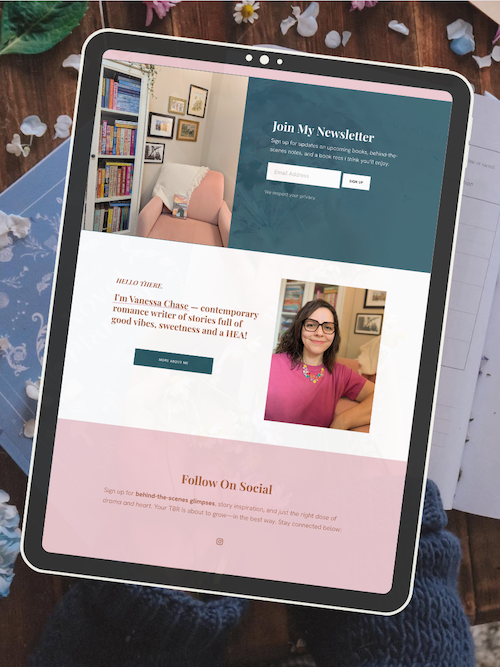
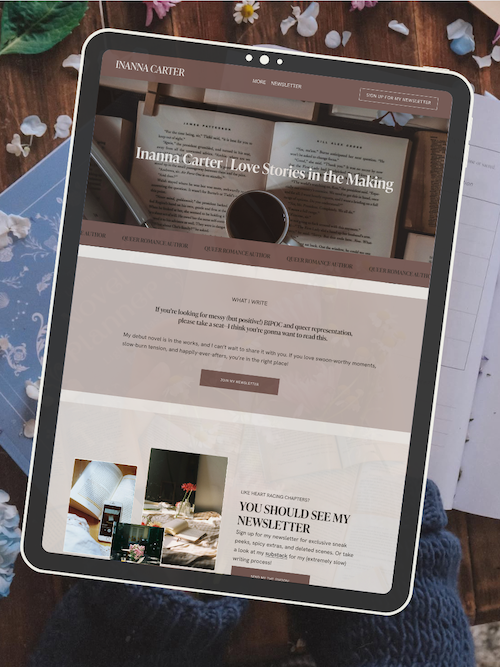
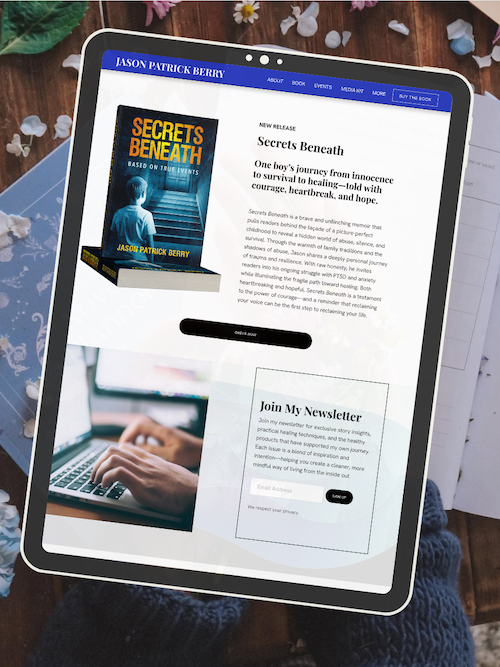
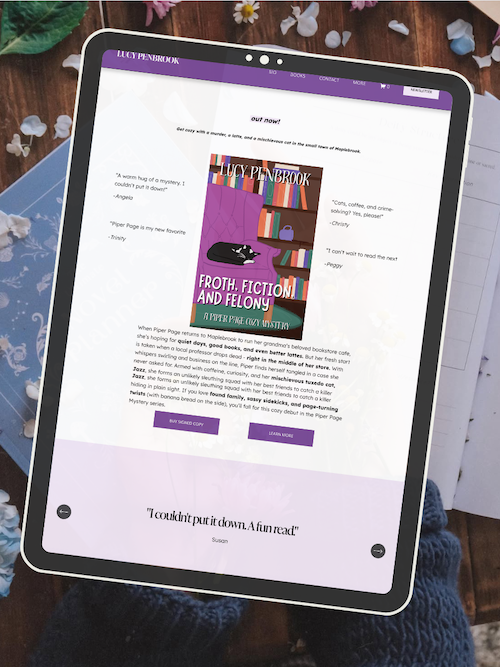
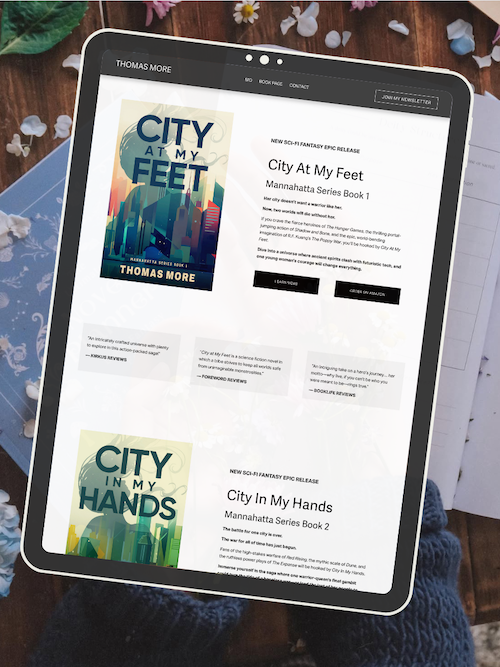
Want a beautiful author website without spending weeks designing it from scratch? These Squarespace website templates for authors are designed to showcase your books, grow your email list, and look professional instantly.

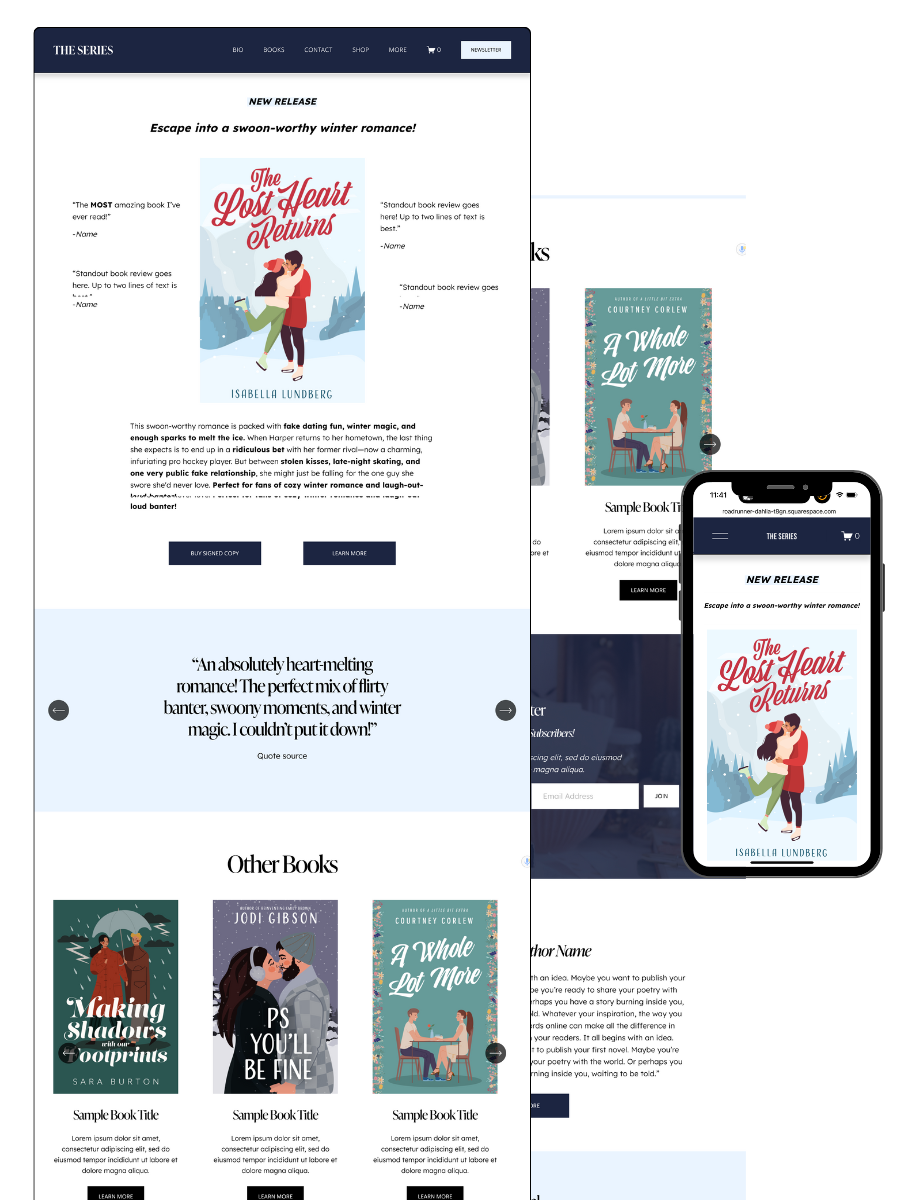
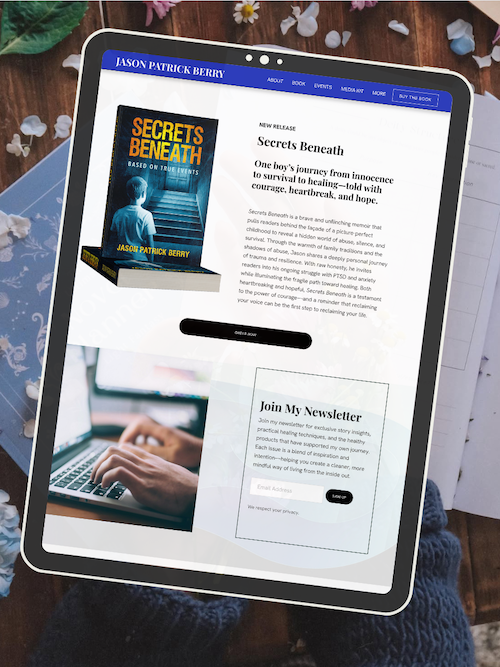
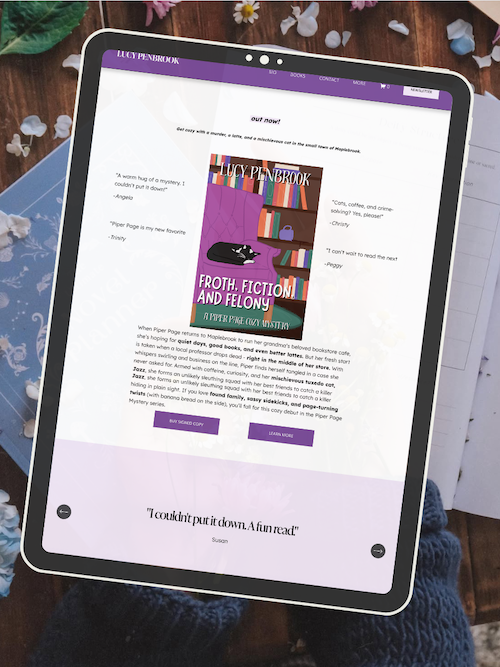
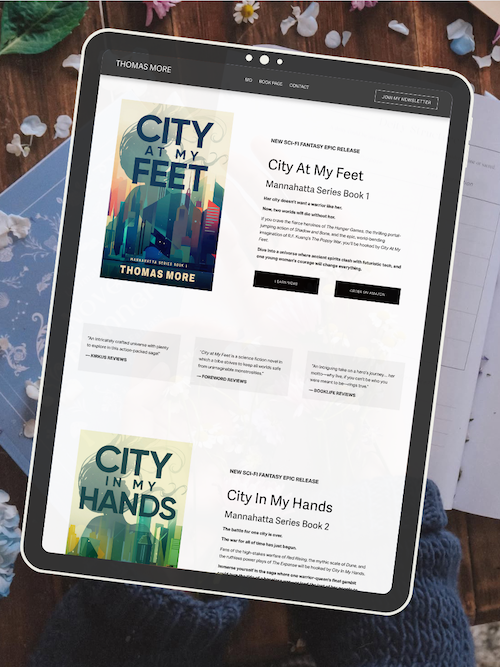
Here’s how real authors are using these Squarespace author website templates:

Key Takeaways
Adding an email signup form to your author website is a simple process that doesn't require technical skills
Offering a reader magnet like a free chapter or bonus content helps convert visitors into subscribers
An email list gives you direct access to your readers and more control over your book marketing
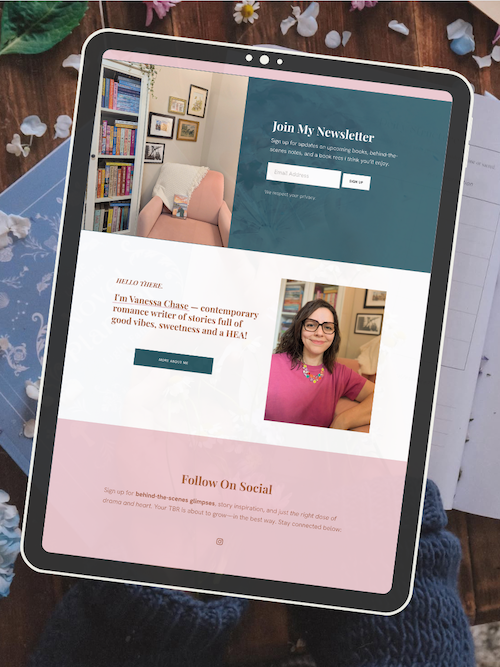
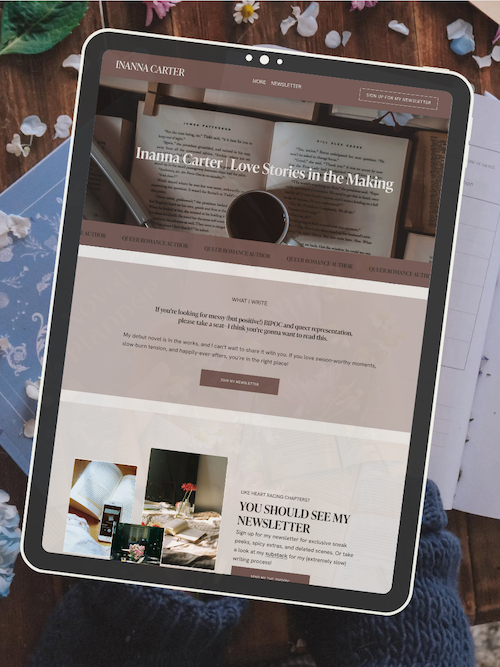
AUTHOR WEBSITE EXAMPLES

Step-by-Step: How to Add a Mailing List to Your Author Website
Adding a mailing list to your author website gives you direct access to readers without relying on social media algorithms. You'll need to pick a provider, set up sign-up forms, create a reader magnet, and automate your welcome sequence to start building real connections with your audience.
Understand the Benefits of an Author Mailing List
A mailing list gives you full control over how you reach readers. Social media platforms can change their algorithms overnight, but your email list stays yours.
When you promote your book through email, you're talking directly to people who already want to hear from you. That means better open rates and more sales compared to posting into the void on social platforms.
Your author email list also helps you build real relationships. You can share behind-the-scenes updates, early chapter previews, and launch announcements with people who actually care about your work. These email subscribers are your most loyal fans—the ones who'll buy your books on release day and leave reviews.
Plus, email marketing costs less than ads. Once you've built your list, sending emails is either free or very affordable depending on your provider.
Choose the Best Mailing List Provider for Authors
Your ESP (email service provider) is the platform that manages your subscribers and sends your emails. Popular options for authors include MailerLite, ConvertKit, Mailchimp, Flodesk, and AWeber.
MailerLite offers a generous free plan (up to 1,000 subscribers) and includes automation, landing pages, and sign-up forms. It's budget-friendly and simple for beginners.
ConvertKit is built specifically for creators. It makes list segmentation easy so you can send different emails to different reader groups. The interface is clean, and automation setup is straightforward.
Mailchimp is well-known and offers a free tier, but it can get pricey as your list grows. The interface has more features but feels less intuitive than MailerLite or ConvertKit.
Flodesk charges a flat monthly rate no matter your list size, which works well if you plan to grow fast. The email templates are beautiful and perfect for visual branding.
Other options include Constant Contact, HubSpot, AWeber, and Substack (which works more like a blog platform with email built in).
Pick based on your budget, technical comfort level, and whether you want advanced automation or just simple newsletters.
Create and Customize Your Email Sign-Up Box
Your email sign-up box is where readers enter their email address to join your list. Make it simple, clear, and visible on your author website.
Most mailing list providers give you code (called an embed code) that you paste into your Squarespace site. The sign-up box usually asks for a name and email address—don't ask for more than that or people won't fill it out.
Write a clear call to action that tells readers exactly what they'll get. Instead of "Subscribe to my newsletter," try "Get a free short story when you join my reader list" or "Be the first to know when my next book launches."
You can customize colors, fonts, and button text to match your website's branding. Keep it clean and easy to read on both desktop and mobile devices.
Place your email sign-up box in high-traffic spots: your homepage, blog sidebar, and after blog posts. You can also create a dedicated sign-up page.
Design an Effective Reader Magnet and Landing Page
A reader magnet is a free bonus you give readers in exchange for their email address. Common examples include a free short story, the first chapters of your book, a character guide, or an exclusive email course.
Your reader magnet should appeal directly to your target readers. If you write fantasy novels, offer a prequel story set in your book's world. If you write thrillers, give away a standalone mystery short.
Create a landing page specifically for your reader magnet. This is a single page on your author website with one goal: getting email sign-ups. Write a compelling headline, describe what readers will get, and include a clear sign-up form.
Keep your landing page simple. Remove navigation menus so visitors stay focused. Add a book cover image or mockup of your reader magnet so it feels like a real gift.
You can use tools like BookFunnel or StoryOrigin to deliver your reader magnet automatically after someone subscribes. These platforms also help with group promos and newsletter swaps where authors cross-promote to each other's lists.
Integrate Your Mailing List Form on Squarespace
Squarespace makes adding email sign-up forms easy with its built-in blocks and code embedding options.
Option 1: Use Squarespace's Newsletter Block
Go to the page where you want your sign-up form. Click to add a block, then choose "Newsletter." Connect it to your mailing list provider if Squarespace supports direct integration, or use it as a simple form that collects emails you can export.
Option 2: Embed Code from Your ESP
Most mailing list providers give you an embed code. Copy the code from your provider (MailerLite, ConvertKit, etc.), then add a "Code Block" to your Squarespace page and paste it in. This method gives you more customization options.
Option 3: Create a Pop-Up Form
Many ESPs offer pop-up forms that appear when someone visits your site. Copy the pop-up code and paste it into your Squarespace site's footer code injection area (Settings > Advanced > Code Injection).
Test your form after adding it. Enter your own email to make sure it works and that you receive the confirmation email.
Add your email sign-up box to multiple pages: homepage, about page, and individual blog posts. The more visible it is, the more email subscribers you'll collect.
Setting Up Welcome Emails and Automations
A welcome email goes out automatically when someone joins your author mailing list. This is your first impression, so make it warm and personal.
In your welcome email, thank new subscribers and deliver your reader magnet right away. Introduce yourself briefly and tell them what kind of emails to expect (new releases, behind-the-scenes updates, etc.).
Most mailing list providers include welcome automation features. Set up a sequence of 3-5 emails that go out over the first two weeks after someone subscribes.
Example welcome sequence:
Email 1: Welcome message + reader magnet delivery
Email 2: Tell your author story and why you write
Frequently Asked Questions
Setting up and managing an author mailing list involves choosing the right platform, creating sign-up forms, maintaining your subscriber list, writing engaging emails, growing your audience, and using the best tools for the job.
What are the initial steps to set up a mailing list on an author website?
First, you need to choose an email marketing service that works with your website. If you're using Squarespace, you can use Squarespace Email Campaigns, which is built right into your site. Other options include Mailchimp, ConvertKit, or MailerLite.
Next, create a new account with your chosen service and connect it to your website. Most platforms will give you a simple way to integrate with your site through plugins or embed codes.
You'll also need to decide what kind of emails you want to send. Will you share book updates, writing tips, or exclusive content? Having a clear purpose helps you attract the right readers.
How do I integrate a sign-up form for my mailing list into my website?
Most email marketing platforms give you an embed code or plugin that you can add directly to your website. On Squarespace, you can add a Newsletter Block to any page by dragging it into place from the content editor.
Place your sign-up form where visitors can easily see it. Popular spots include your homepage, the end of blog posts, your footer, or a dedicated "Subscribe" page.
Keep your form simple. Ask for just an email address to start, or add a first name field if you want to personalize your emails. The fewer fields you require, the more people will sign up.
Make sure your form clearly tells readers what they'll get. A simple message like "Get updates on new releases and exclusive content" works better than just "Subscribe to my newsletter."
What are the best practices for managing subscribers on an author's mailing list?
Send emails regularly so readers remember who you are, but don't overwhelm them. Most authors send 1-4 emails per month. Find a schedule you can stick to and let your subscribers know what to expect.
Always include an unsubscribe link in every email. It's required by law in most countries, and it's also respectful to your readers. Losing an uninterested subscriber is better than annoying them.
Keep your list clean by removing inactive subscribers every few months. If someone hasn't opened your emails in six months to a year, they probably won't start now.
Organize your subscribers with tags or segments if your email service allows it. You can group readers by interests, which books they've bought, or where they signed up. This lets you send more targeted emails that readers actually care about.
How can authors craft compelling email content to engage their mailing list subscribers?
Write like you're talking to a friend. Your emails should sound like you, not like a corporation. Use the same voice you'd use in person or on social media.
Start with a strong subject line that makes people curious or tells them exactly what's inside. Keep it under 50 characters so it doesn't get cut off on mobile phones.
Get to the point quickly. Put your most important information near the top because many people skim emails. Use short paragraphs, bullet points, and clear headings to make your content easy to scan.
Include one clear call to action per email. Do you want readers to buy your book, read your blog post, or reply with their thoughts? Tell them exactly what to do next.
Give value in every email. Share behind-the-scenes updates, exclusive excerpts, writing tips, or personal stories. Your readers should feel like being on your list is worth their time.
What strategies should authors use to grow their mailing list effectively?
Offer a lead magnet—a free gift in exchange for an email address. This could be a short story, the first chapters of your book, a character guide, or exclusive bonus content. Make sure it's something your ideal readers actually want.
Mention your mailing list everywhere. Add it to your social media bios, mention it in podcast interviews, include it in your book's back matter, and talk about it when you meet readers in person.
Use pop-ups on your website, but make them helpful, not annoying. Set them to appear after someone has been reading for 30 seconds or when they're about to leave your site.
Run giveaways or contests that require an email sign-up to enter. Partner with other authors in your genre to reach more potential readers.
Add a sign-up incentive to your existing content. If you write blog posts, offer a downloadable checklist or resource at the end in exchange for an email address.
What tools or services are recommended for authors to manage and send emails to their mailing list members?
Squarespace Email Campaigns works great if you already have a Squarespace website. Everything stays in one place, and your emails automatically match your website's branding. It's simple to use and perfect for authors who want an all-in-one solution.
Mailchimp is popular with beginners because it has a free plan for up to 500 subscribers. The interface is user-friendly, and it includes basic automation features to send welcome emails automatically.
ConvertKit is built specifically for creators and is loved by many authors. It makes segmentation and tagging easy, so you can send different messages to different groups of readers. The automation features are powerful without being complicated.
MailerLite offers a generous free plan and sits between Mailchimp and ConvertKit in terms of features. It's affordable as you grow and includes landing pages and automation.
ActiveCampaign gives you advanced automation and segmentation if you're ready to get more sophisticated with your email marketing. It has a steeper learning curve but powerful features for authors with larger lists.
Choose based on your website platform, budget, and how complex you want your email marketing to be. If you're just starting out, pick something simple and upgrade later as your needs grow.
Ready to launch your author website?
Explore my Squarespace website templates designed specifically for authors — easy to customize, beautifully designed, and built to help you sell more books.

SHOP THE AUTHOR WEBSITE TEMPLATES
THE MANUSCRIPT AUTHOR WEBSITE TEMPLATE — perfect for authors launching their first professional website with a simple, polished layout
THE DEBUT AUTHOR WEBSITE TEMPLATE — designed to highlight your first book, build your email list, and grow an audience from day one
THE SERIES AUTHOR WEBSITE TEMPLATE — ideal for showcasing multiple books with clear series pages and strong reader flow
THE ONE-PAGE AUTHOR AUTHOR WEBSITE TEMPLATE — a streamlined one-page site for authors who want something beautiful, fast, and easy
THE DONE-FOR-YOU AUTHOR WEBSITE EXPERIENCE — your author website built for you so you can launch without touching design or tech
MOST POPULAR BLOG POSTS
Authors Guide to Website Design & Branding
Squarespace Email Campaigns: A Guide for Authors
How to Create an Author Website on Squarespace (Step-by-Step)

Launch Your Author Website in a Day (Without the Tech Overwhlem)
*No more starting from scratch.
A simple, done-for-you Squarespace template built specifically for authors with a WIP.