Simple Author Website Examples: Design Inspiration for Clean and Effective Online Presence
Looking for author website inspiration that won't overwhelm you? You're in the right place. Simple author websites are easier to build, faster to launch, and often perform better than complex ones filled with too many bells and whistles.
The best simple author website examples focus on clean layouts, easy navigation, and just a few essential pages that connect readers with your books and mailing list. You don't need fancy animations or dozens of pages. You need a site that looks professional, loads fast, and guides visitors toward becoming readers and subscribers.
Simple doesn't mean boring or unprofessional. It means intentional. When you strip away the clutter and focus on what matters, your website becomes a tool that works for you instead of something you stress about maintaining. Let's look at what makes these sites work and how you can apply the same ideas to your own author platform.
Want a beautiful author website without spending weeks designing it from scratch? These Squarespace website templates for authors are designed to showcase your books, grow your email list, and look professional instantly.

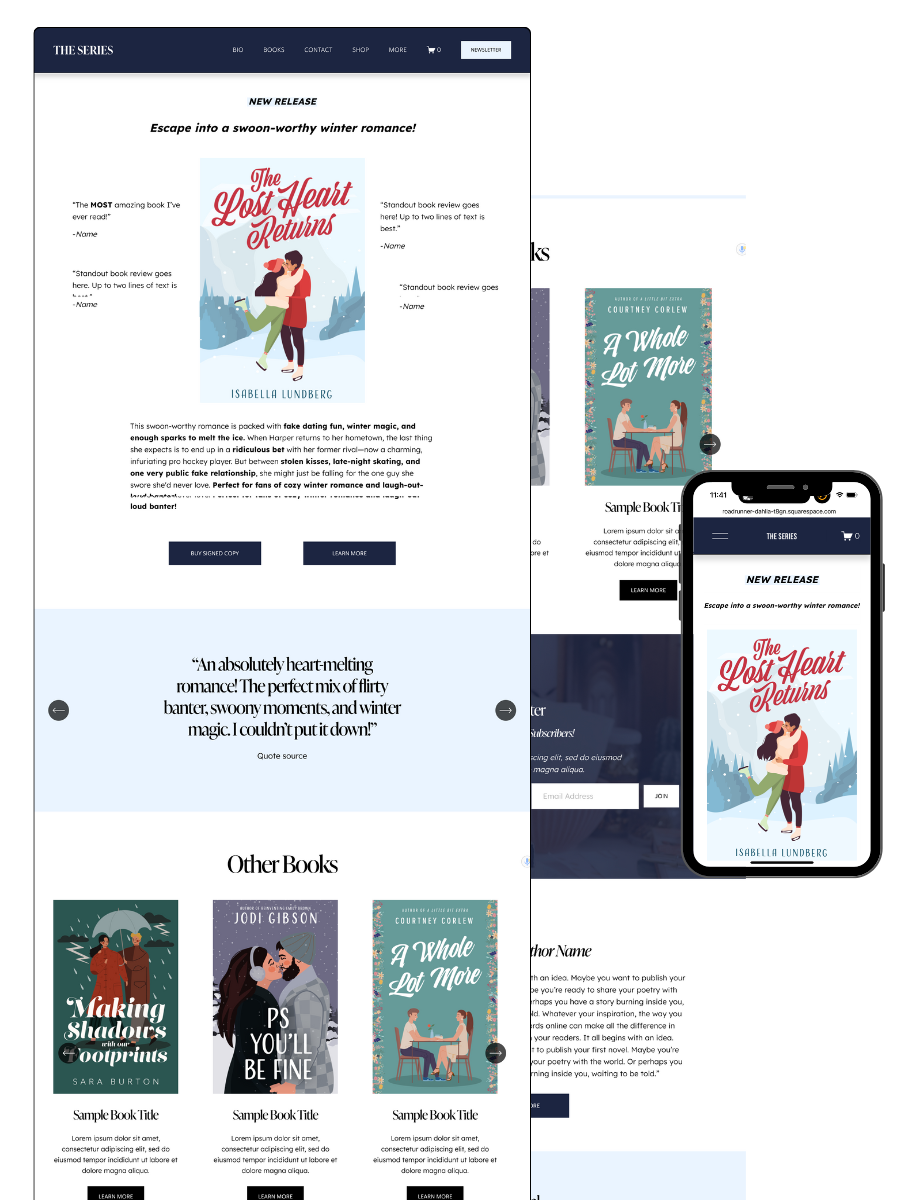
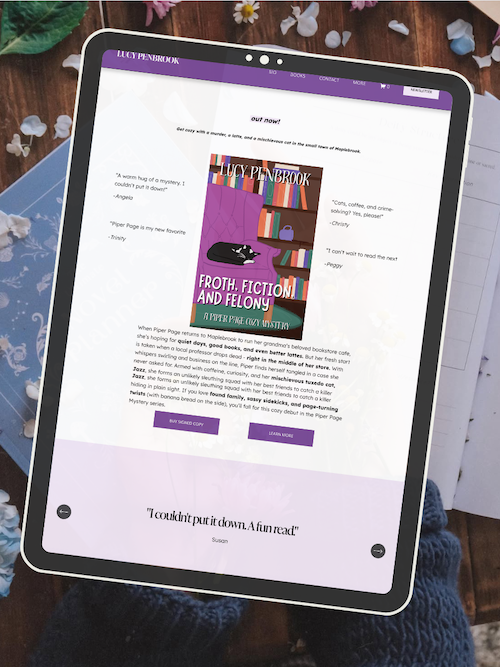
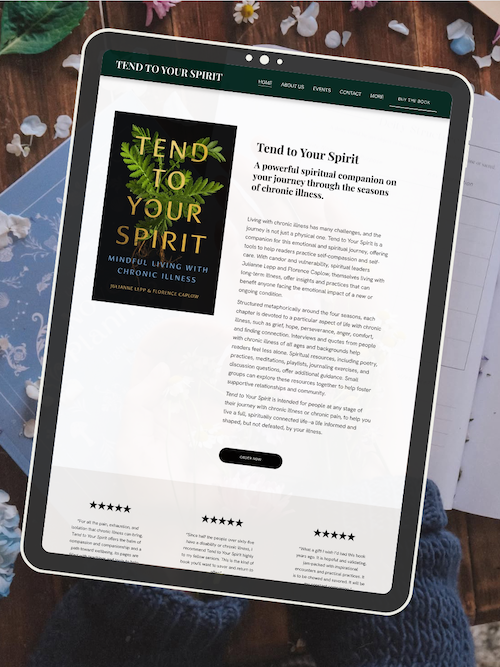
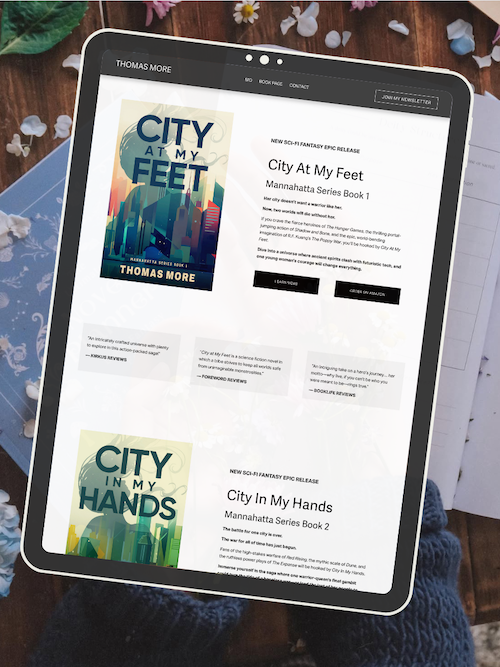
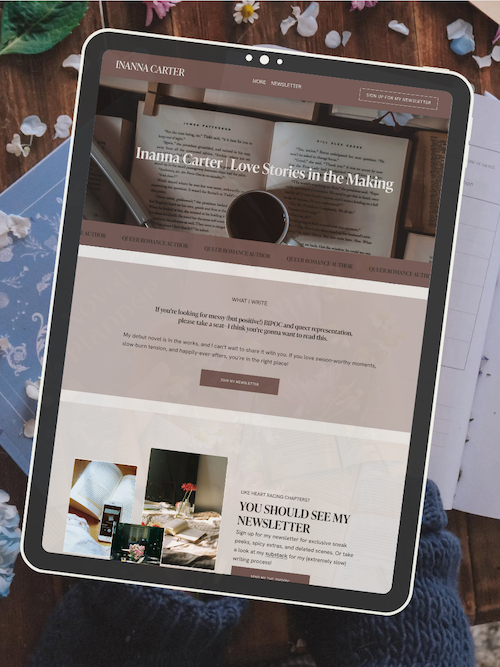
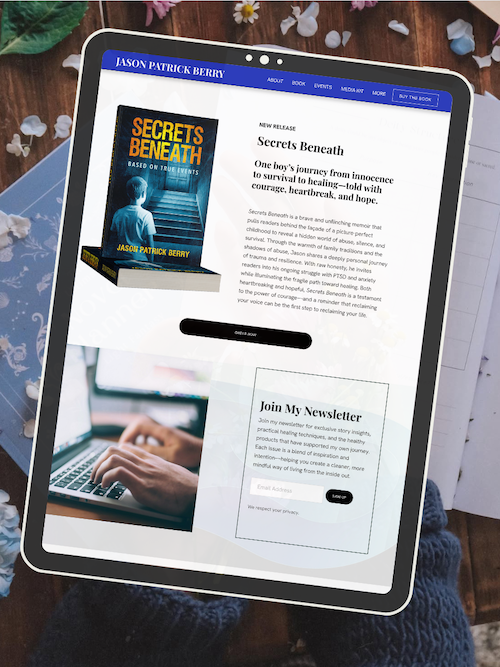
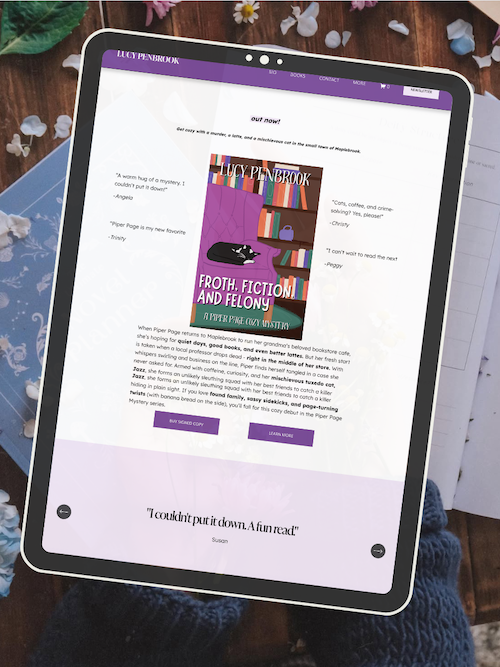
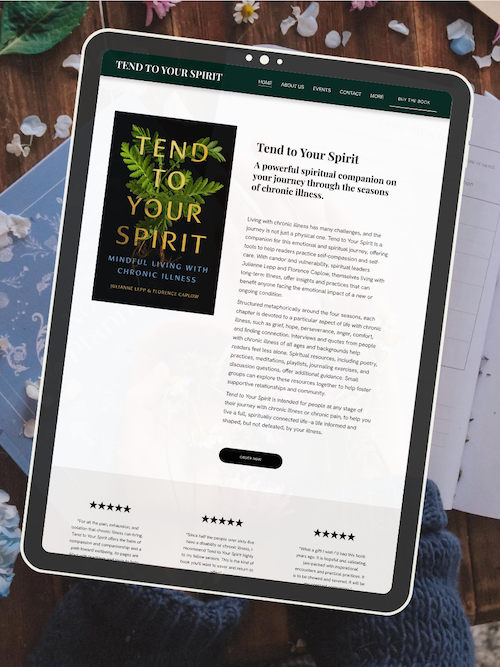
Here’s how real authors are using these Squarespace author website templates:
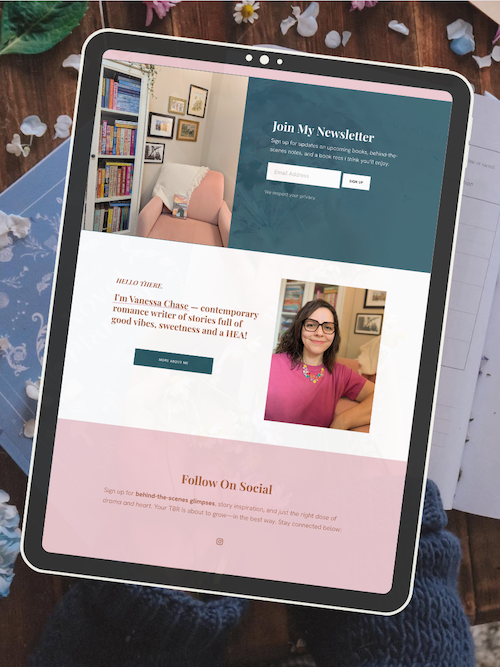
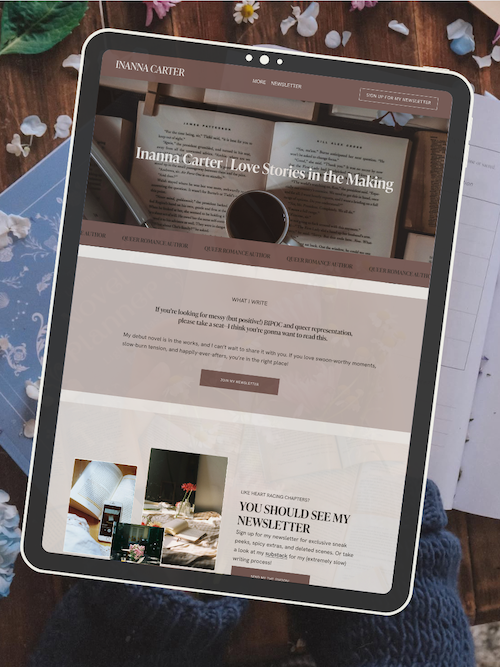
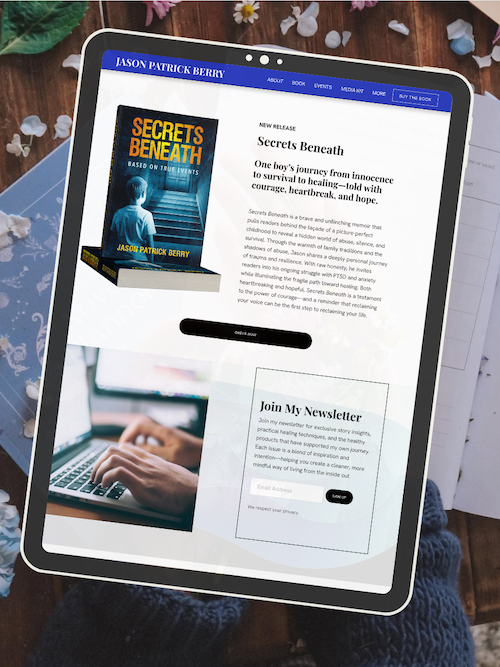
Key Takeaways
Simple author websites with clean designs and essential pages often outperform complex sites
The best examples use clear navigation and focus on connecting readers to books and newsletters
You can build an effective author website without technical skills by following proven layouts
Essential Elements of Simple Author Website Examples
Simple author websites share a few core components that make them easy to navigate and effective at connecting with readers. The best examples focus on clear book showcases, welcoming author bios, and direct paths to building your mailing list.
Real-World Simple Author Website Examples
Looking at actual author sites shows you what works without overcomplicating things. Many successful authors use self-hosted WordPress or author website templates that keep things clean and focused.
Clean Homepage Layouts
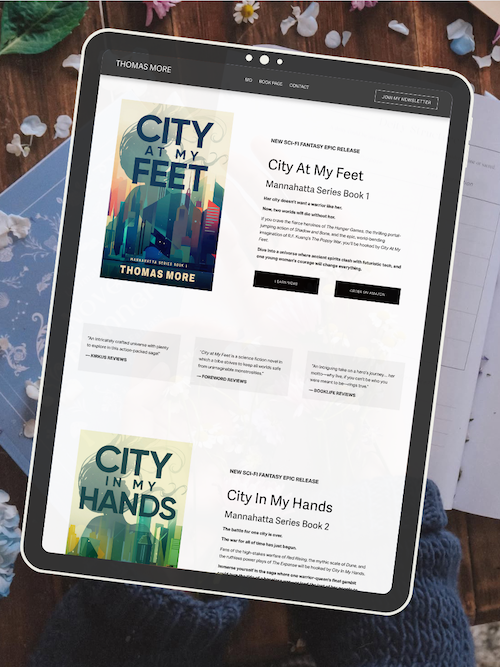
The best author websites put books front and center. You'll see large book covers displayed prominently, usually with a brief description and clear call-to-action buttons like "Buy Now" or "Read Sample." These sites avoid clutter and give visitors exactly what they came for.
Streamlined Navigation
Professional author websites typically use simple menus with 4-5 main pages: Home, Books, About, Blog, and Contact. You don't need fancy dropdown menus or complex site structures. Readers want to find information fast.
Direct Sales Integration
More authors now sell books directly from their websites instead of only linking to retailers. This approach increases book sales and lets you keep more profit. Simple "Shop" sections with payment options make this possible without overwhelming your author platform.
AUTHOR WEBSITE EXAMPLES
Key Features That Make Examples Effective
The most effective author site examples share specific features that boost reader engagement without requiring technical expertise.
Visual Elements That Convert
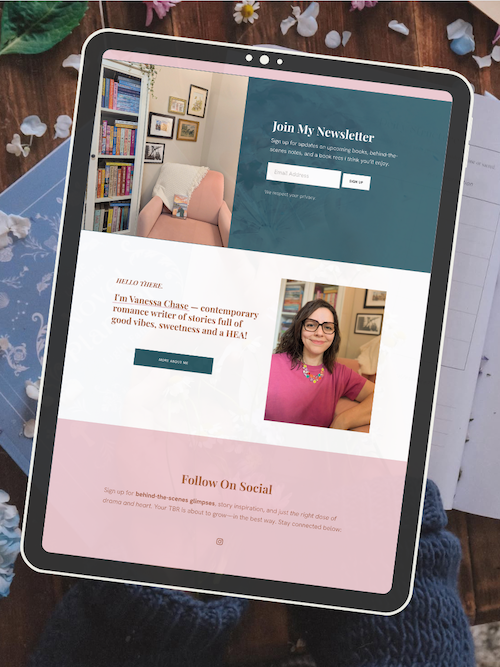
Your author photo matters more than you think. Readers connect with faces, so include a professional but approachable author photo on your homepage and author bio page. High-quality book covers should be clickable and link to purchase pages.
Newsletter Signup Placement
Every strong book website includes multiple newsletter signup forms. Place them in your header, footer, and as a pop-up (not too aggressive). Your author newsletter is your most valuable tool for maintaining reader engagement between releases.
Simple Design Systems
Author website design doesn't need to be complicated. Most author website templates come with pre-built layouts that handle the hard work. Focus on readable fonts, plenty of white space, and consistent author branding across all pages.
Book Showcase Basics
Your book showcase should include cover images, short descriptions, links to retailers, and reviews if you have them. Use a grid layout for multiple books or feature your latest release prominently. Make it scannable so visitors can browse quickly.
Essential Contact Options
Include mailing list integrations that connect directly to your email service. Add social media links (but only the ones you actually use). Consider a simple contact form for media inquiries or speaking requests.
Frequently Asked Questions
Author websites raise common questions about setup, design, and functionality. These answers cover the core features you need, SEO basics, portfolio display methods, conversion strategies, social integration, and newsletter signup tools.
What essential elements should be included on an author's website?
Your author website needs a clear homepage that tells visitors who you are and what you write in under five seconds. A professional author photo, a one-sentence tagline, and immediate navigation to your books create the foundation visitors expect.
A dedicated books or works page acts as your main showcase. Include cover images, short descriptions, genre tags, and direct purchase links for each title. Keep the layout clean with plenty of white space so each book gets attention.
Your about page should tell your story in 150-250 words. Focus on your writing journey, published works, and what drives your writing. Add contact information or a simple contact form so readers and industry professionals can reach you.
A blog or news section keeps your site active and gives readers reasons to return. Share writing updates, book releases, event announcements, or occasional behind-the-scenes content. Even one post per month helps with search visibility.
How can I optimize my author website for better search engine visibility?
Start with your page titles and descriptions. Each page needs a unique title under 60 characters and a description under 160 characters that includes your name and genre. For example: "Jane Smith | Mystery Author | Bestselling Thrillers."
Your homepage should mention your full name, your primary genre, and your most important book within the first 100 words. Search engines prioritize content that appears early on the page. Use natural language that reads well for humans first.
Create individual pages for each book with detailed descriptions of 200-300 words. Include the book title, your author name, genre, and related keywords naturally throughout the text. Add alt text to every book cover image using the format "Book Title by Author Name cover."
Build internal links between your pages. Link from your homepage to your books page, from your books to your blog, and from relevant blog posts back to specific titles. This helps search engines understand your site structure and keeps visitors exploring longer.
What are the best practices for displaying my written works on my website?
Display your books in reverse chronological order with your newest release first. Readers want to see your latest work immediately, and it's likely your best marketing opportunity. Use high-quality cover images at least 600 pixels wide for sharp display on all devices.
Each book listing needs the title, cover image, one-paragraph description, genre tags, and direct buy buttons. Amazon, Apple Books, Barnes & Noble, and your other retailers should all get clickable buttons in contrasting colors. Make the buying path as short as possible.
Group books by series if you write them. Create separate sections or pages for each series with all titles displayed together. This helps readers discover your backlist and encourages binge-reading.
Include reader praise strategically. One short, powerful quote per book works better than paragraph-long reviews. Pick testimonials that highlight emotional impact or compare you to well-known authors in your genre.
Can you recommend effective call-to-action strategies for author websites?
Your primary call-to-action should appear above the fold on your homepage. "Read my latest book" or "Get my new thriller" with a direct link to purchase converts better than generic "Learn more" buttons. Use action verbs and first-person language.
Newsletter signups work best when you offer something valuable. "Join my newsletter for exclusive short stories" or "Get the first chapter free" converts at much higher rates than "Subscribe to my newsletter." Place the signup form on every page, either in the sidebar or footer.
Create urgency around new releases without sounding desperate. "Preorder now" or "Available today" tells readers exactly when to act. Limited-time offers for the first week of a launch can boost early sales and rankings.
Use exit-intent popups sparingly. One popup that appears when someone's about to leave, offering your newsletter or a free story, can capture interested visitors. Make it easy to close and don't show it on every page visit.
What social media integration techniques work best for author websites?
Add simple social icons to your header or footer that link to your active platforms only. If you're not using Twitter anymore, don't include it. Focus on the two or three platforms where you actually engage with readers.
Embed your Instagram feed if you post regularly and your content is visually appealing. Book photos, writing spaces, and behind-the-scenes shots work well. Skip the feed if you post sporadically or mostly share unrelated content.
Include social sharing buttons on blog posts but keep them minimal. A small "Share on Facebook" or "Tweet this" button at the end of posts is enough. Avoid cluttering your design with sharing options for twelve different platforms.
Display real-time social proof if you have strong numbers. "Join 5,000 readers on Instagram" can encourage follows. If your numbers are small, skip the counts and just link to your profiles.
How can I set up an email newsletter signup on my author website?
Choose an email service provider that fits your budget and technical comfort level. Mailchimp offers a free tier up to 500 subscribers. ConvertKit costs $9/month but includes better automation. Squarespace Email Campaigns integrates directly if you use their website builder.
Create a signup form with three fields maximum. Name and email address are all you really need. Every extra field you add drops conversion rates by about 10%. Use a large, easy-to-tap button that says something clear like "Send me free stories" instead of just "Submit."
Place your signup form in at least three spots. Your homepage, sidebar on blog posts, and a dedicated newsletter page work best. A footer signup on every page catches people after they've browsed your content.
Set up a welcome email that sends immediately after signup. Thank new subscribers, deliver your promised freebie or sample chapter, and tell them what to expect. One email per month? Weekly writing updates? Set clear expectations so readers know what they signed up for.
Ready to launch your author website?
Explore my Squarespace website templates designed specifically for authors — easy to customize, beautifully designed, and built to help you sell more books.

SHOP THE AUTHOR WEBSITE TEMPLATES
THE MANUSCRIPT AUTHOR WEBSITE TEMPLATE — perfect for authors launching their first professional website with a simple, polished layout
THE DEBUT AUTHOR WEBSITE TEMPLATE — designed to highlight your first book, build your email list, and grow an audience from day one
THE SERIES AUTHOR WEBSITE TEMPLATE — ideal for showcasing multiple books with clear series pages and strong reader flow
THE ONE-PAGE AUTHOR AUTHOR WEBSITE TEMPLATE — a streamlined one-page site for authors who want something beautiful, fast, and easy
THE DONE-FOR-YOU AUTHOR WEBSITE EXPERIENCE — your author website built for you so you can launch without touching design or tech
MOST POPULAR BLOG POSTS
Authors Guide to Website Design & Branding
Squarespace Email Campaigns: A Guide for Authors
How to Create an Author Website on Squarespace (Step-by-Step)

Launch Your Author Website in a Day (Without the Tech Overwhlem)
*No more starting from scratch.
A simple, done-for-you Squarespace template built specifically for authors with a WIP.