One-Page Author Website: Pros, Cons + When It Works
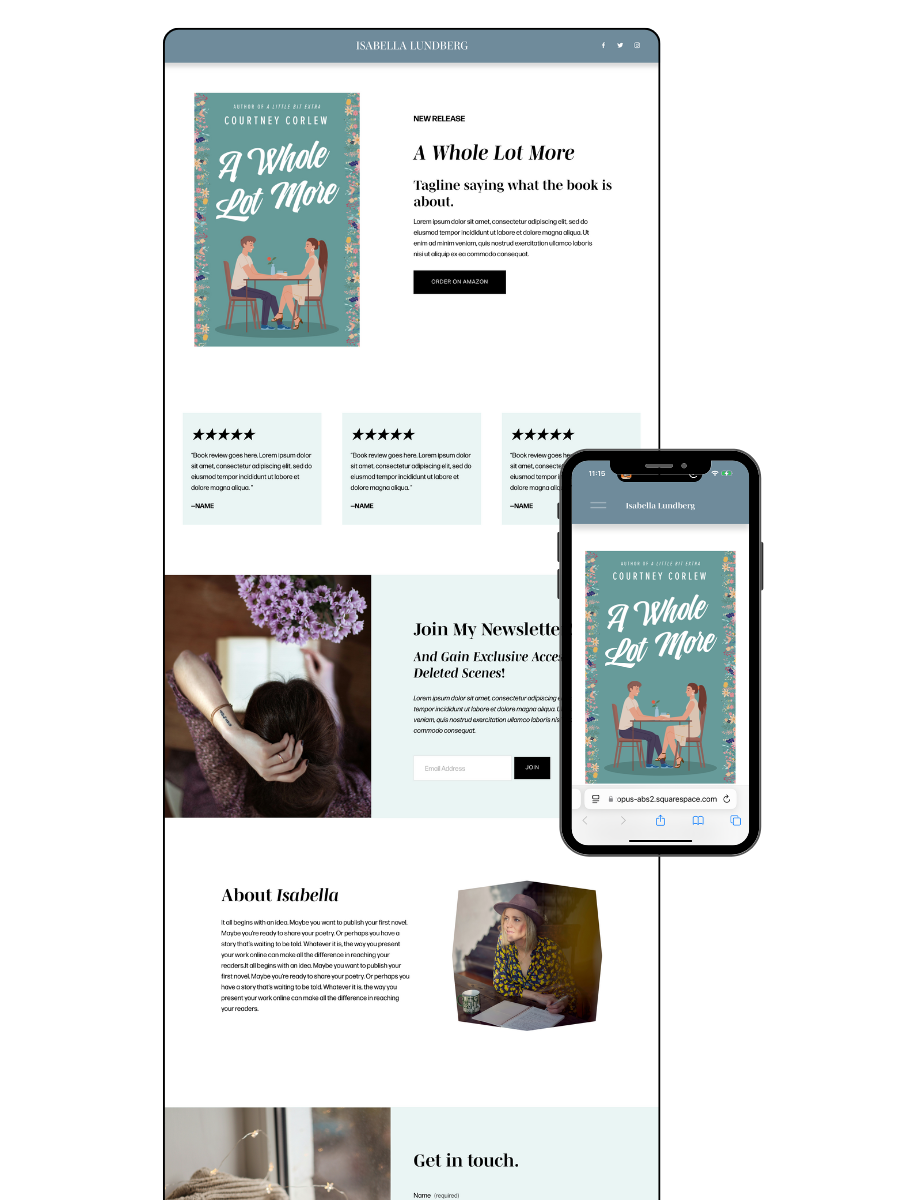
Need to Launch your author website ASAP? Check out my Squarespace Author Website Templates


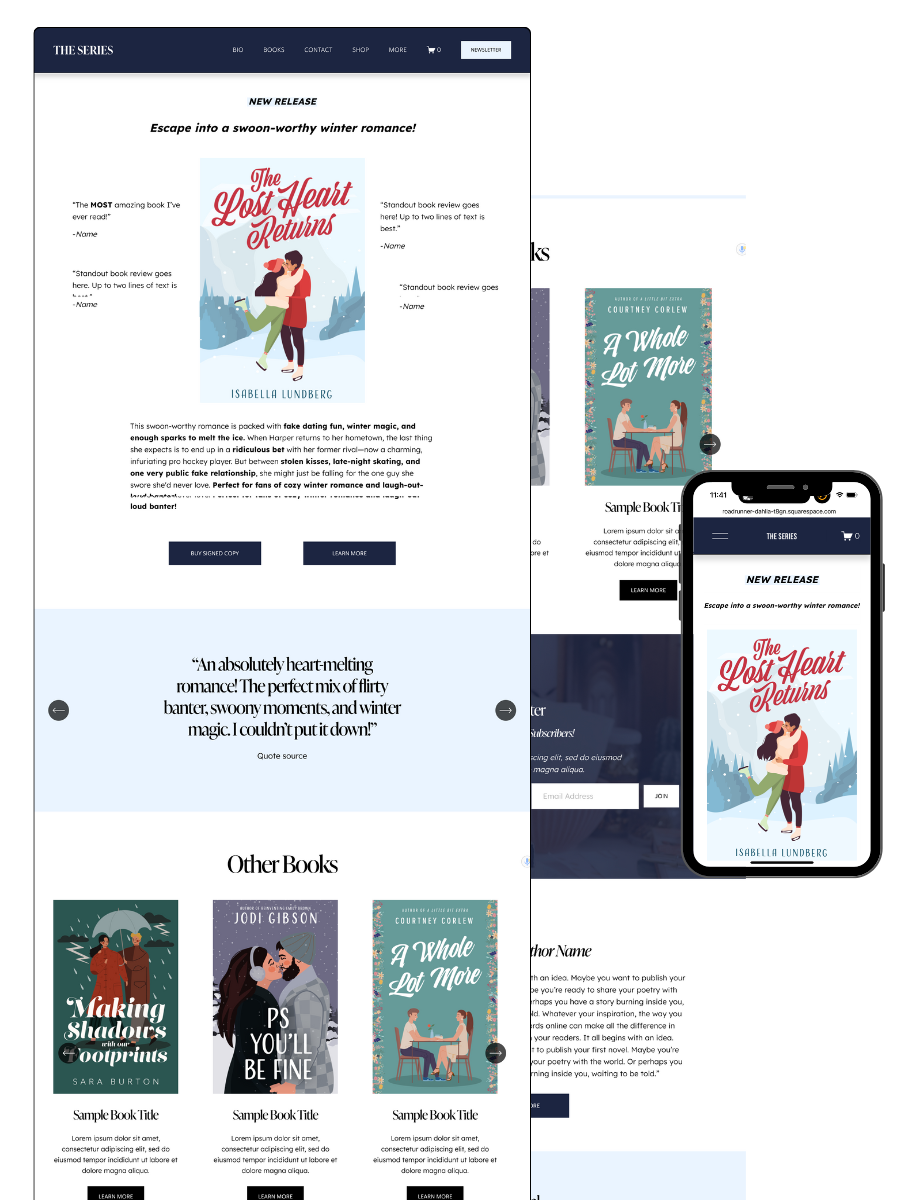
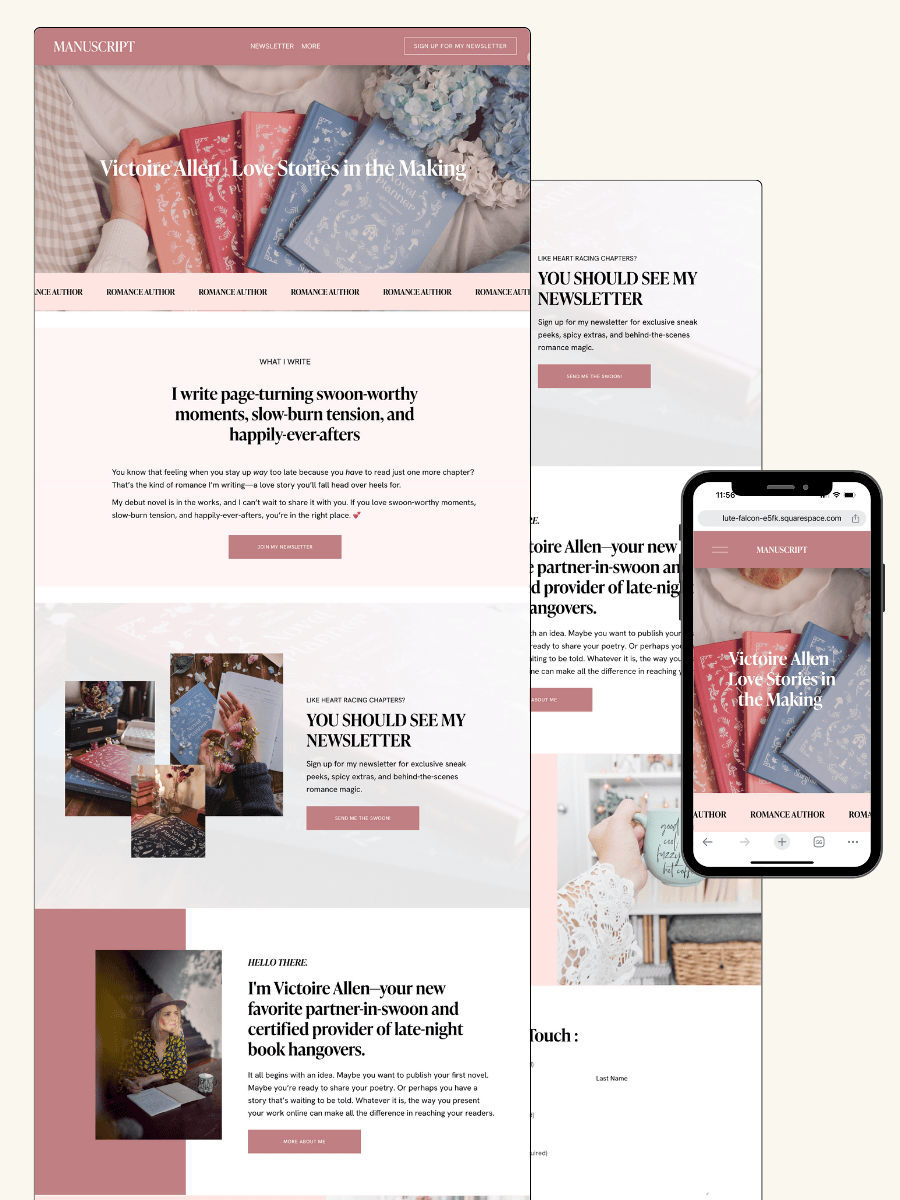

Your author website should do more than look pretty—it should turn casual visitors into book buyers.
If you’ve been researching whether to create a one-page author website, you’ve probably seen mixed advice. Some say it’s the easiest way to get online quickly. Others say it limits your growth.
The truth is: both are right.
A one-page author website can work incredibly well—when it’s designed strategically. But it’s not the right fit for every author, and understanding the difference can save you months of frustration.
In this post, we’ll break down:
When a one-page author website actually works
When it falls short
And how to set one up so it converts readers into buyers
Whether you’re launching your first book or simplifying your online presence, this post will help you make the right call.
Let’s dive into when a one-page author website works and why often a multi-page website is important for authors who want to captivate readers, grow their audience, and build a thorough marketing funnel. We’ll cover the SEO limitations of a one-page author website, as well as the impacts it has on user experience, functionality, and building your author brand.
Ready to start dreaming up your author website?

Can a One-Page Author Website Ever Work?
A one-page author website can work — when it’s designed strategically.
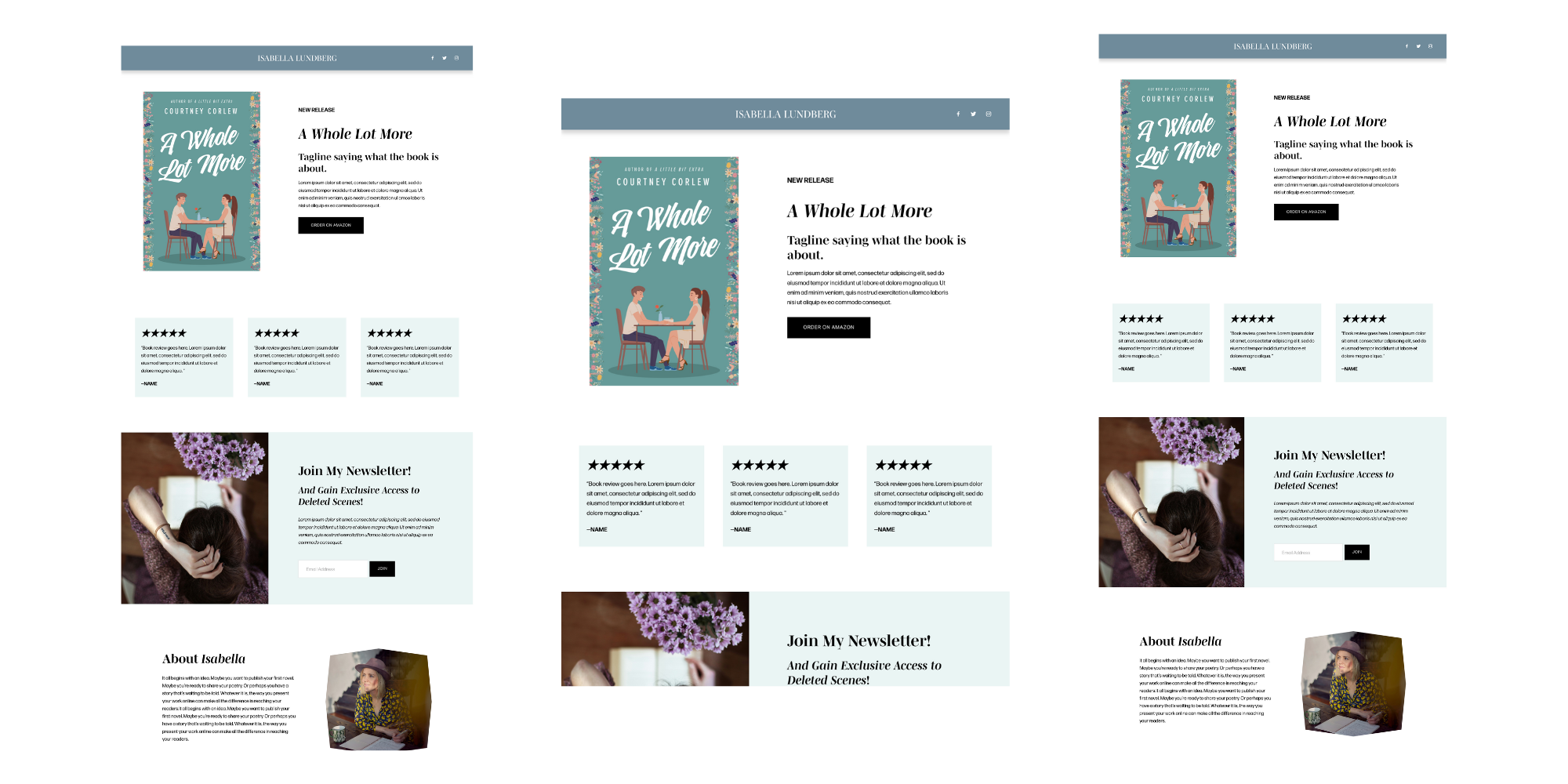
For debut authors, single-book launches, or writers who want a simple, polished online presence, a one-page site can be a smart starting point. The key is that it’s not just “one page”… it’s a conversion-focused page that guides readers from curiosity to action.
Instead of spreading content across multiple pages, everything is structured in a clear, intentional flow — introducing you, showcasing your book, and giving readers an easy next step (like buying your book or joining your email list).
If you want a streamlined, high-converting option, I created a
one-page author website template designed specifically for this purpose.
It’s built to help you launch quickly without sacrificing strategy — so your website actually works for you from day one.
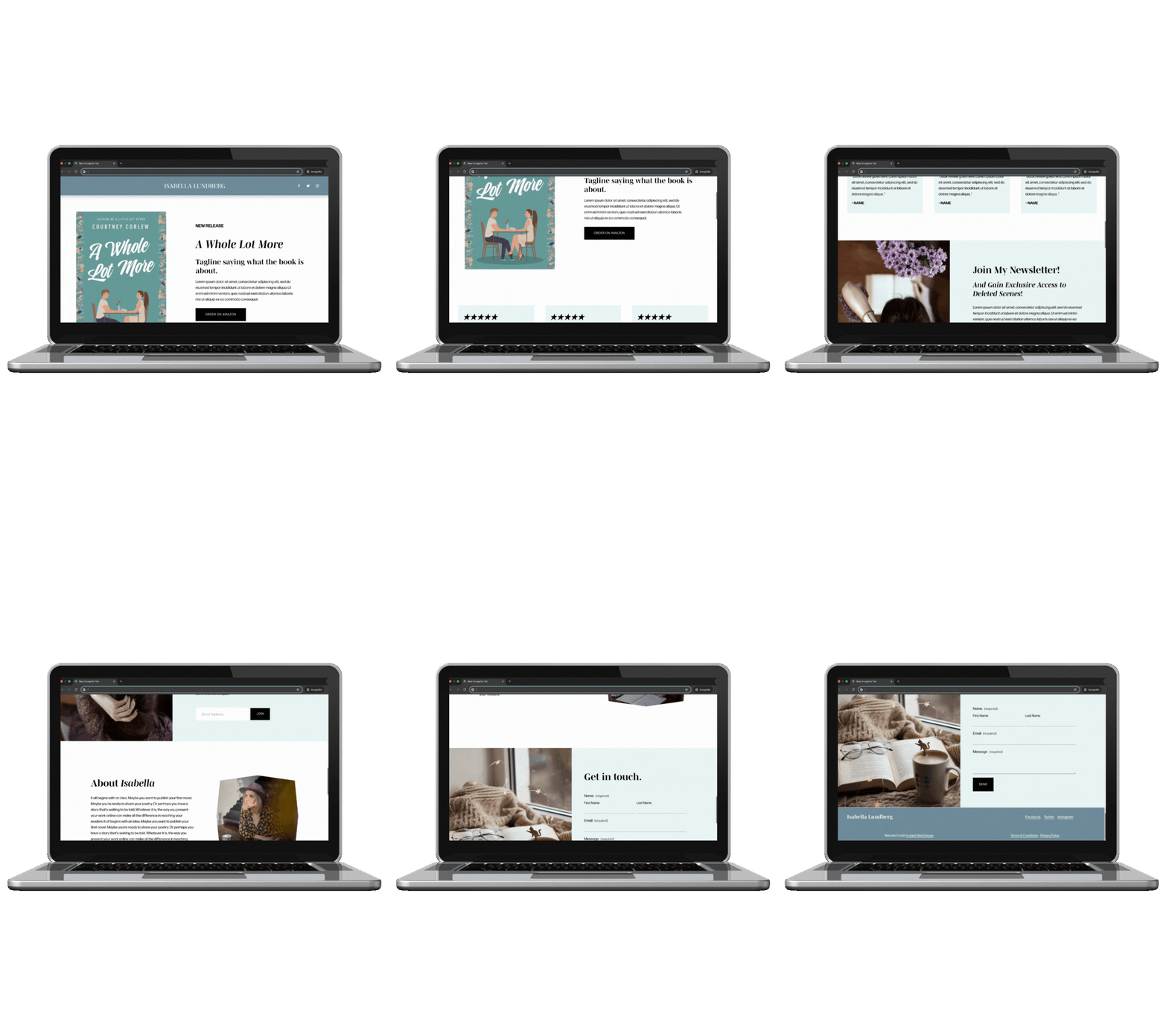
One-page Author Website Template
When a One-Page Author Website Falls Short
That said — one-page websites aren’t the right fit for every author.
If your goal is long-term growth, strong SEO, or managing multiple books, the limitations become more noticeable.
Here’s where they tend to fall short:
Limited SEO potential
With only one page, you can’t target multiple keywords or create dedicated pages for each book, blog post, or topic.Harder to scale
As you publish more books or expand your brand, a single page can start to feel cramped and difficult to organize.Less flexibility for content
Features like blogs, media pages, or detailed book breakdowns are harder to implement cleanly.
Think of it this way: a one-page site is incredibly efficient — but it’s not built for depth. If you need more room to grow, a multi-page website will give you that flexibility.

The Right Way to Build a One-Page Author Website
If you do go the one-page route, the difference between “just okay” and “high-converting” comes down to structure.
A strong one-page author website should include:
Clear, intentional sections
Author bio, book showcase, and email signup — all easy to scanStrategic calls-to-action
Multiple opportunities for readers to take the next step (buy, subscribe, learn more)Scroll-based storytelling
The page should feel like a guided journey, not a wall of textMobile-first design
Most readers will visit on their phone — your site needs to feel seamless there
This is exactly how my template is built — not just to look good, but to guide readers toward becoming buyers and subscribers.
👉 Shop the One-Page Author Website Template:
https://guidedwebdesign.com/shop/p/one-page-author-website
Why you might want a Multi-page author website:
So what is the purpose of an Author Website anyhow?
Your website is more than something you just throw together and hope for the best —it’s your most valuable marketing tool. I know, I know.. But isn’t Tiktok / Instagram the most important place to market my books? Well.. although social media platforms are very important for authors who are in the connection and awareness phase of their marketing endeavors, social media doesn’t create long-term connections in a way that your website can.
Here’s what a successful author website should be doing:
Create a home for your online books: Your website should showcase your work, voice, and personality in a way that resonates with readers. We want your author website to create a vibe around your books. Showstopping branding & good design can immediately hook and capture your potential readers' interest.
Engage Readers: Your website is like a window into your world that your readers can gaze into. Your website can help readers learn more about you, explore your books and stay updated on your author journey and future book events and most importantly, it’s where you should be enticing potential readers to sign up for your newsletter.
I’m going to repeat this a lot but your author website is the KEY to your book Marketing Strategies: It’s actually where you need to be sending your social media traffic to so they can sign up for pre-orders, and learn more about launches, and promotions.
To do all that has been mentioned above effectively, certain pages are non-negotiable: an about page, books page, blog or events page, contact page, and a way to build your email list. Want to see how it all comes together?
Check out my Author’s Guide to Website Design & Branding here.
A website isn’t just a pretty place to park your book. It’s a strategic tool that works 24/7 to market your books and grow your readership. A strong layout is an important part of effective author web design.
Why a One-Page Website Falls Short
Limited SEO Opportunities
Search engines love websites with rich, organized content. A one-page site doesn’t offer the structure needed to:
Optimize individual pages for targeted keywords like “[Your Name] Author Bio” or “[Book Title] Summary.”
Build separate pages for each book, improving search visibility for specific titles or genres.
Help readers and search engines navigate distinct areas of your site with clarity.

Think about it this way: if each page on your website is a door, a one-page site is like having only one door. But what if readers are searching for different ways to connect with you? Multiple pages create those individual doorways for readers—and search engines—to find exactly what they need.
Poor User Experience (UX)
One-page websites can feel overcrowded and chaotic, making it hard for readers to find what they’re looking for. Key drawbacks include:
Overwhelming Content: Packing everything into one page can confuse and frustrate users.
Navigation Issues: Without clear sections or menus, readers struggle to locate specific information like your latest book release or blog.
Imagine walking into a bookstore where all the books are piled into one corner with no labels. That’s what a one-page website can feel like—disorganized and overwhelming.
Challenges in Showcasing Your Brand and Work
Your website is your brand ambassador, but a one-page layout limits your ability to:
Highlight multiple books or projects.
Share dynamic content like book reviews, media features, or blog posts.
Build a cohesive, professional image that mirrors the depth of your writing.
Your books, achievements, and personality deserve space to shine. A single page just can’t do it justice.
Related: How Fantasy Author J.E. Harter Uses Her Author Website
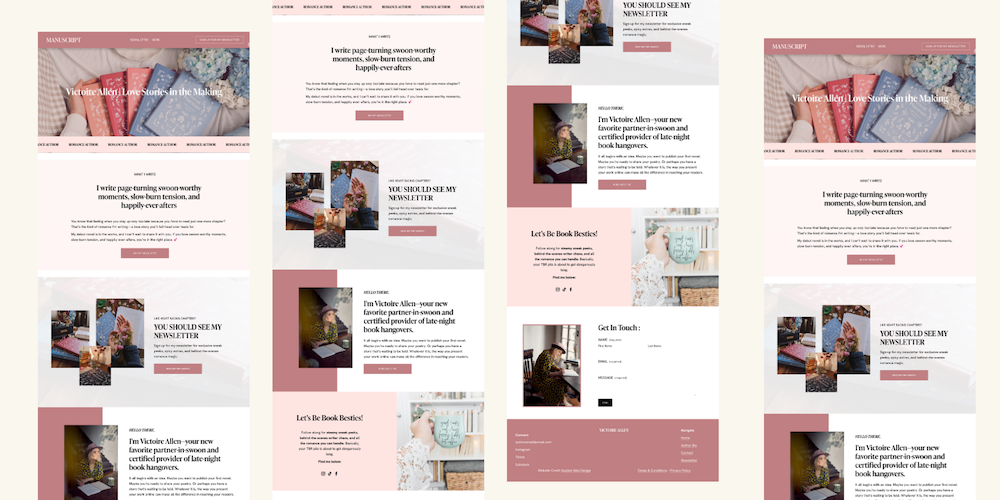
The Benefits of a Multi-Page Author Website
Improved SEO and Visibility
With a multi-page website, you can optimize for a variety of keywords. For example, on my website, some LSI keywords I optimize for are:
"Author website design tips" (Homepage).
"Effective author website layout" (Books page).
"Email list building for authors" (Contact or landing page).
Search engines prioritize well-organized sites with diverse content, and a multi-page layout lets you spread the SEO love. Think of it as planting multiple seeds instead of betting everything on one tree to grow.
Better Navigation and User Engagement
Multi-page websites provide a seamless experience:
Readers can explore dedicated pages for each book, learning more about your stories.
Many authors eventually add a blog to their author website to share updates and connect with readers. A blog keeps visitors on your website longer, which in turn boosts your SEO.
When readers can easily find what they’re looking for, they’re more likely to stick around. And the longer they stay, the stronger the connection they build with you as an author.
Scalability for Future Growth
Planning to publish more books? Host workshops or book signing events? Add services like speaking engagements? A multi-page layout grows with you, giving you the flexibility to expand without overhauling your site.
Think long-term. Your website should grow alongside your career, not hold it back.
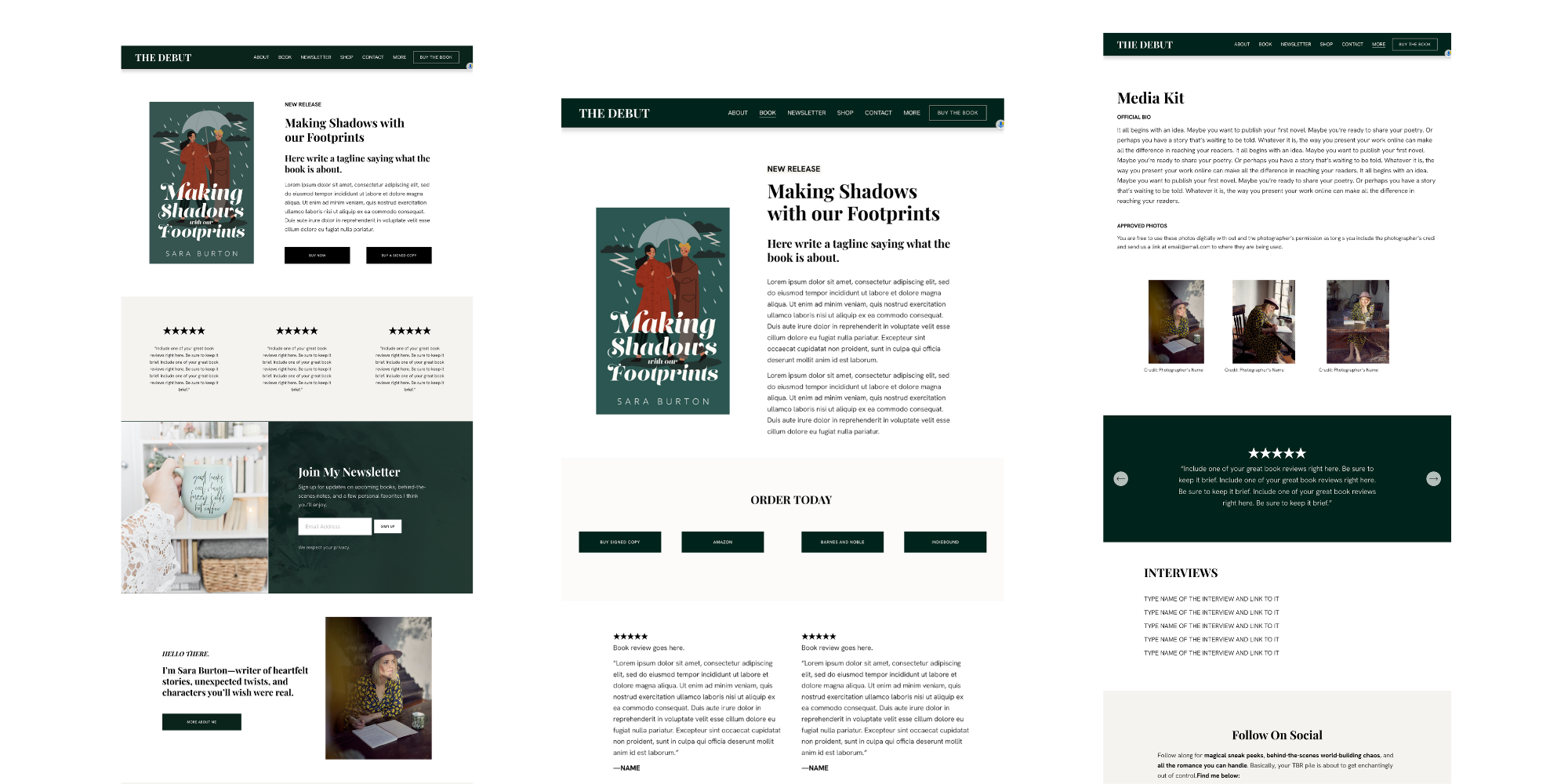
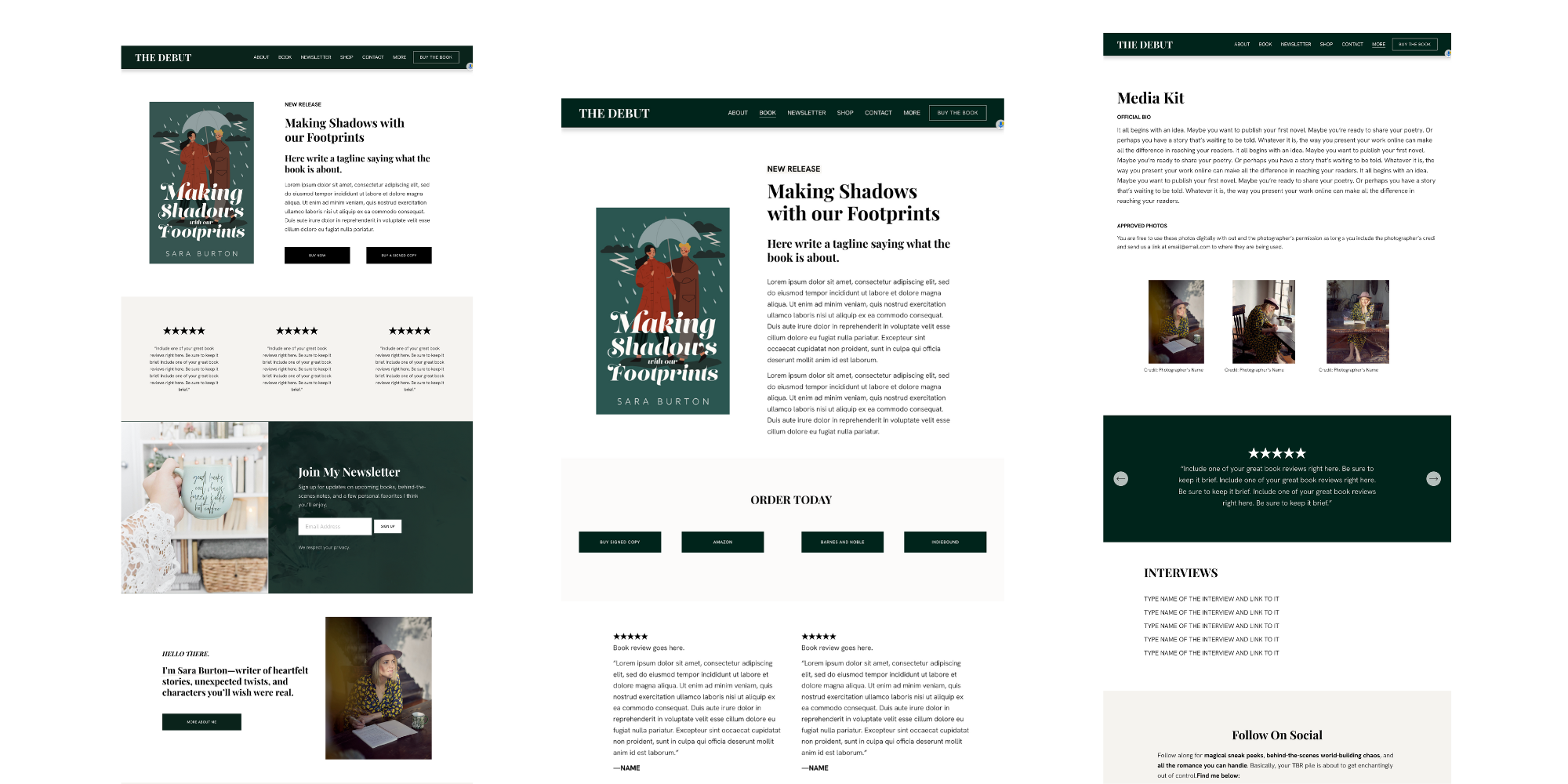
The Debut Author Website Template *Most Popular
Key Pages Every Author Website Should Include
Here are the must-haves for any successful author website:
Homepage: Introduction to your brand as an author.
About Page: Showcase your journey and build a connection with readers.
Books Page: Highlight each book with summaries, reviews, and purchase links.
Blog Page: Share insights, writing tips, or updates.
Contact Page: Make it easy for readers, media, and collaborators to reach you.
Email Signup Page: Drive email list growth with lead magnets or CTAs.
Each page plays a role in telling your story and drawing readers deeper into your world. Together, they form a cohesive narrative that keeps your audience coming back for more.
Addressing Common Misconceptions About One-Page Websites
Misconception #1: “It’s harder to Maintain”
Modern website platforms like Squarespace or Wix make managing multi-page websites a breeze. You’ll have the same tools and ease of use—with way more functionality.
Misconception #2: “It’s Cheaper”
While upfront costs might be lower, a one-page site often requires more reworking as your needs grow. Multi-page templates are affordable and scalable from the start and you can even hide any of the pages you don’t want to use quite yet.
Misconception #3: “Readers Don’t Want Too Much Information”
Dedicated pages make information clearer and more accessible. Your readers will thank you for creating pages with a topic dedicated to each page.
Conclusion
A one-page website might seem convenient, but it’s not equipped to meet the demands of an author’s growing brand. By investing in a multi-page site, you’ll enjoy:
Better SEO and visibility.
A clear and impactful user experience.
The flexibility to grow with your career.
Your stories deserve a website as dynamic and engaging as your books. Ready to take the leap?Check out Website Design Services here: Author Website Design Services
Ready for a Showstopping Author Website of Your Own?
I specialize in creating bespoke websites for authors that captivate readers and grow your audience. With a blend of strategy and creativity, I’ll help you craft a site that works as hard as you do.
Learn more about my Website Design Services here!
Here’s how it works:
We start with YOU—your brand, your books, your goals.
I create a custom game plan to bring your vision to life.
You get a site that’s not just beautiful but strategically designed to engage readers and sell books.
Let’s build a website you’ll love. Contact me today to get started!
Pro Tip: Already have a website but feel it’s not pulling its weight? Let’s chat about a refresh to help you stand out and shine.


Launch Your Author Website in a Day (Without the Tech Overwhlem)
*No more starting from scratch.
A simple, done-for-you Squarespace template built specifically for debut and self-published authors.