Author Marketing on a Budget: 7 Proven Strategies to Grow Your Readership Without Breaking the Bank
Marketing your book doesn't have to drain your savings account. You can build an audience, connect with readers, and sell more books using free or low-cost strategies that work just as well as expensive advertising campaigns. The key is knowing which tactics give you the biggest return without requiring a big budget.
Most authors think they need thousands of dollars to compete in today's market. That's not true. You can use social media, email newsletters, collaboration with other writers, and smart online tactics to reach readers without spending much money at all. The difference between successful budget marketing and wasted effort comes down to strategy, not spending.
This guide will show you exactly how to market your book when money is tight. You'll learn step-by-step methods that work for new authors and experienced writers alike. From building your author platform to promoting launches, everything here is designed to maximize impact while minimizing cost.
Key Takeaways
You can effectively market your book using free and low-cost strategies that deliver real results
Focus on building relationships with readers and other authors to expand your reach organically
Smart planning and consistent effort matter more than big marketing budgets
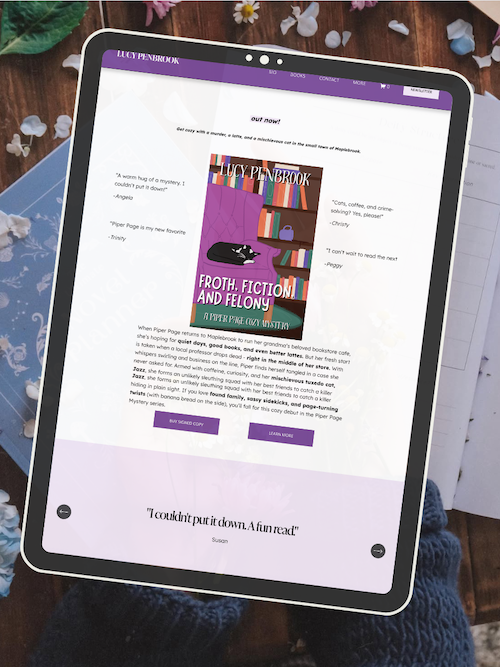
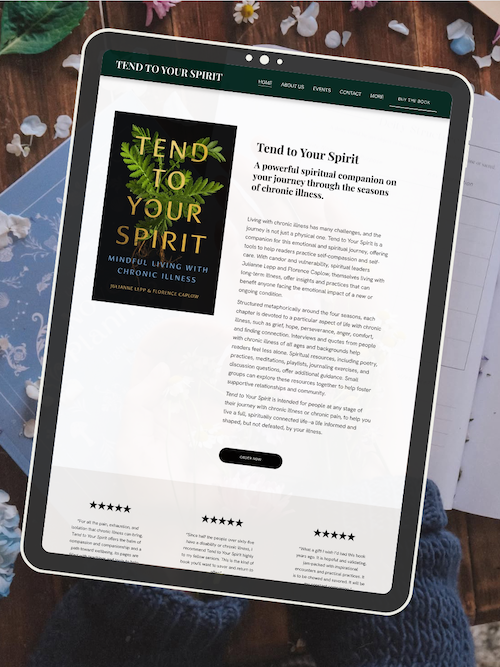
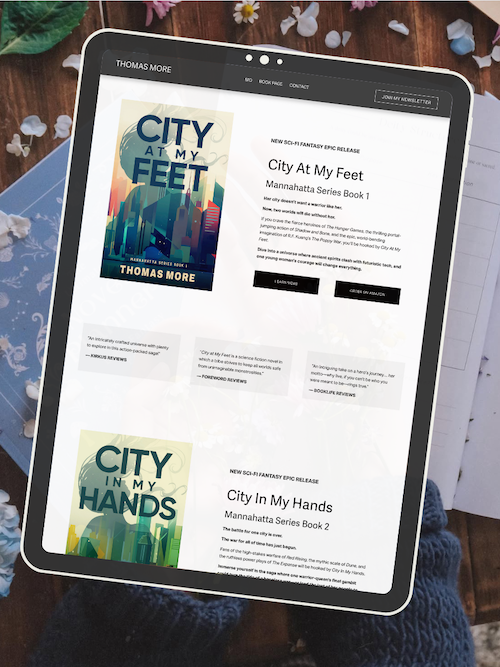
Want a beautiful author website without spending weeks designing it from scratch? These Squarespace website templates for authors are designed to showcase your books, grow your email list, and look professional instantly.

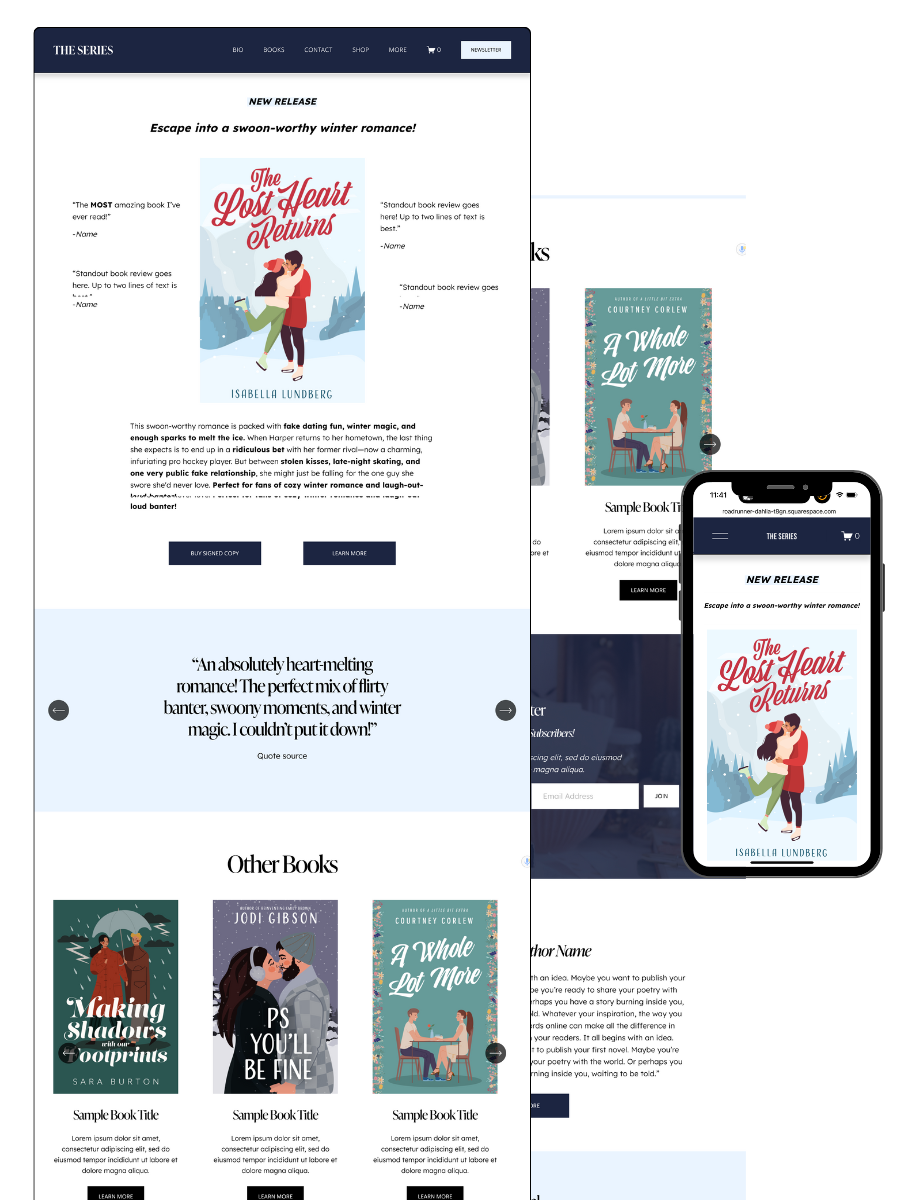
Here’s how real authors are using these Squarespace author website templates:
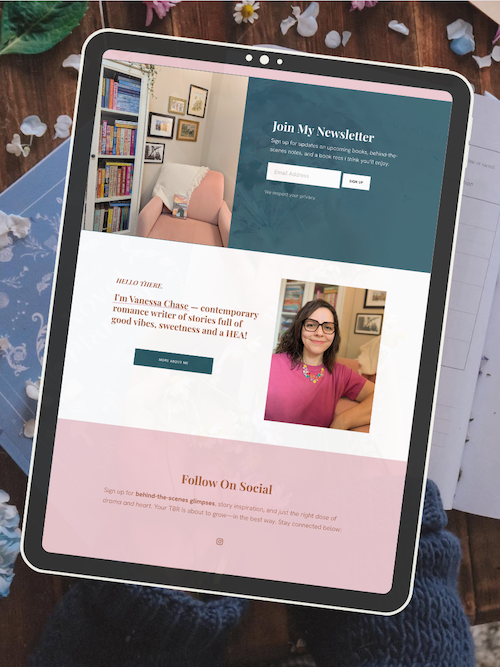
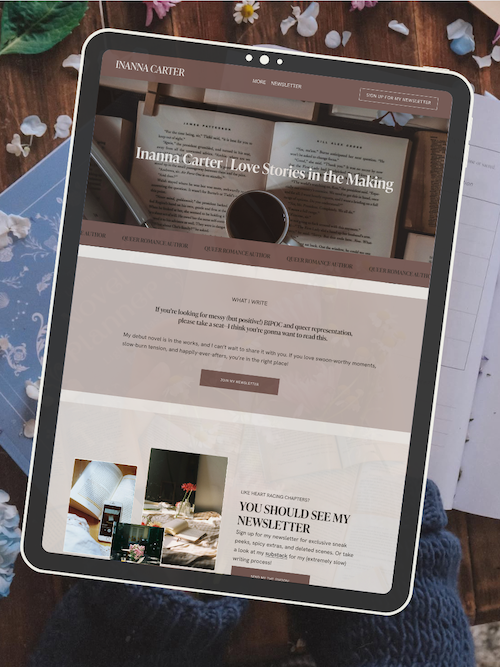
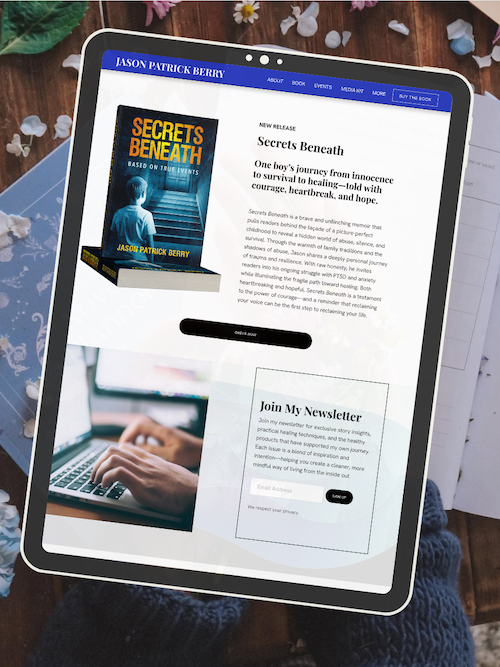
Step-By-Step Guide to Author Marketing on a Budget
You don't need thousands of dollars to market your book effectively. With the right strategy and smart use of free or low-cost tools, you can build a reader base, promote your book, and grow your author platform without breaking the bank.
Build a Budget-Friendly Author Brand
Your author brand is what makes you recognizable to readers. It's not just a logo—it's your voice, your visual style, and the experience readers have when they interact with your work.
Start with the basics. Pick 2-3 colors that represent your genre or writing style. Choose one or two fonts you'll use consistently. Write a clear author bio (150 words or less) that tells readers who you are and what you write.
You don't need a designer. Use free tools like Canva to create simple graphics for social media. Keep your branding consistent across all platforms—your website, social media profiles, and email signature should all feel connected.
Your brand should reflect your books. If you write cozy mysteries, use warm colors and friendly language. If you write thrillers, go darker and more intense.
Think about what makes you different from other authors in your genre. Maybe it's your background, your writing style, or the unique themes you explore. This becomes part of your brand story.
Set Up Your Author Website and Digital Hub
Your author website is the one place online you completely control. Social media platforms can change their rules overnight, but your website is yours.
You can build a professional author website for under $200 per year using platforms like Kindle Direct Publishing (which offers free author pages) or affordable website builders. Your site needs a few key pages: a home page, an about page with your author bio, a books page, and a contact or newsletter signup page.
Make newsletter signup easy to find. Put it in your header, footer, and sidebar. Offer a reader magnet (we'll cover this later) to encourage signups.
Your website should load fast and work on phones. Most readers will visit from mobile devices.
Connect your website to your social media accounts. Add links to BookTok, Bookstagram, or wherever you're active. This creates your digital hub—everything connects back to your site.
Update your site when you publish new books or have news to share. A stale website tells readers you're not active.
Grow and Engage Your Email List
Your email list is your most valuable marketing asset. These are readers who want to hear from you directly.
Start collecting emails from day one. Offer a lead magnet—a free short story, the first chapters of your book, or exclusive content readers can't get anywhere else. Use BookFunnel to deliver your reader magnet for free (they have a free tier for single book delivery).
Send emails regularly, but don't spam. Once or twice a month works for most authors. Share behind-the-scenes content, writing updates, cover reveals, or early access to new releases.
Ways to grow your list on a budget:
Add signup forms to your website
Mention your newsletter in your book's back matter
Do newsletter swaps with other authors in your genre
Share your signup link on social media
Offer exclusive content only for subscribers
Keep your emails personal. Write like you're talking to a friend. Ask questions and encourage replies. When readers respond, write back.
Don't buy email lists. They don't work and can get you banned from email platforms.
Craft a Scalable Book Marketing Plan
A book marketing plan doesn't have to be complicated. It's just a roadmap for how you'll promote your book with the time and money you have.
Start by setting clear goals. Do you want 50 reviews in the first month? 100 email signups? 500 book sales? Write down specific numbers.
List your book marketing budget. Even if it's just $50, knowing what you can spend helps you make smart choices. Free strategies should make up 80% of your plan when you're starting out.
Your basic marketing plan should include:
Time Period Activity Cost Pre-launch (3 months out) Build email list, create advance reader copies (ARCs) $0-25 Pre-launch (1 month out) Send ARCs, request reviews, create social content $0-50 Launch week Email blast, social media push, BookBub or Freebooksy promo $50-150 Post-launch (ongoing) Regular email, social media, connect with readers $0-50/month
Track what works. If Facebook ads don't bring sales but Bookstagram posts do, shift your effort there.
Adjust your plan based on results. Book marketing isn't one-size-fits-all.
Leverage Social Media Without Overspending
Social media marketing doesn't cost money—it costs time. The trick is using it efficiently.
Pick one or two platforms where your readers actually hang out. BookTok and Bookstagram are powerful for most fiction authors. Twitter/X works well for non-fiction and certain genres.
Post consistently but don't live on social media. Three quality posts per week beats seven rushed ones.
Content ideas that work:
Cover reveals and behind-the-scenes content
Writing process updates
Book recommendations in your genre
Reader questions and polls
Quotes from your books
Character art or mood boards
Engage with your community. Comment on other bookstagrammers' posts. Respond to comments on your content. Join book communities and participate genuinely—don't just promote yourself.
Use relevant hashtags. Research what's popular in your genre. Mix big hashtags (#BookTok, #AmReading) with smaller, targeted ones (#CozymysteryReads).
You don't need fancy equipment. A smartphone camera and natural lighting work fine for photos and videos.
Promo and Outreach: Low-Cost Strategies to Get More Eyes on Your Book
Book promotion works best when you combine multiple small efforts rather than betting everything on one big push.
Newsletter features are affordable and effective. Services like Freebooksy, Bargain Booksy, and BookBub Featured Deals can reach thousands of readers. Freebooksy costs around $40-90 depending on genre. BookBub is pricier ($100-500+) but highly effective—save it for when you have multiple books or a major launch.
Guest posts on book blogs cost nothing but time. Find blogs that review your genre and pitch a guest post about your writing process, research, or inspiration.
Connect with other authors through newsletter swaps. You mention their book to your list, they mention yours to theirs. Both lists
Frequently Asked Questions
Marketing your book doesn't have to drain your bank account. Authors working with limited funds can still build visibility through strategic social media use, Amazon's free tools, and creative promotion tactics that cost little to nothing.
What are cost-effective strategies for self-published authors to increase their visibility?
Start by building your author platform on free channels you can control. Create a simple website or blog where readers can find you and sign up for your email list. Email marketing gives you direct access to your audience without paying for ads.
Focus on one or two social media platforms instead of trying to be everywhere. Pick where your readers already spend time and show up consistently there.
Ask for reviews from early readers and beta readers. Reviews on Amazon and Goodreads boost your book's visibility in search results and help convince new readers to buy. You don't need to spend money to get honest reviews from people who already read your book.
Cross-promote with other authors in your genre. You can share each other's books, do joint giveaways, or swap newsletter mentions. This puts your book in front of readers who already like similar stories.
How can an author effectively use social media for book promotion on a tight budget?
Pick one main platform where your target readers hang out. If you write romance, try BookTok or Instagram. If you write business books, LinkedIn might work better. Don't spread yourself too thin trying to manage five different accounts.
Post about more than just your book. Share writing tips, behind-the-scenes content, or personal stories that connect with your audience. People follow accounts that provide value, not just sales pitches.
Use free features like Instagram Reels, TikTok videos, or Twitter threads to reach new readers. These platforms push video content to more people without requiring ad spend. You just need a phone and some creativity.
Engage with your followers and other authors in your genre. Reply to comments, join conversations, and build real relationships. This costs nothing but time and helps you build a community around your work.
What are the best low-cost book marketing tactics for new authors?
Book bloggers and BookTubers often accept free review copies in exchange for honest reviews. Research bloggers who read your genre and follow their submission guidelines. This costs you nothing but the time to find and contact them.
Submit your book to free promotion sites like Freebooksy or Bargain Booksy when you run a sale. Many sites charge fees, but several offer free listings for limited-time deals or perma-free first books.
Create a reader magnet like a free short story or novella. Offer it on your website in exchange for email signups. This builds your email list so you can market directly to interested readers for free.
Join author communities on Facebook, Reddit, or Discord. Many groups allow self-promotion on certain days and offer support from other authors who understand your challenges. You'll learn strategies from people who've been where you are.
How can authors utilize Amazon KDP tools to market their books without significant investment?
Amazon KDP Select gives you access to free promotion tools if you enroll your ebook exclusively with Amazon for 90 days. You get five free promotion days per enrollment period where you can make your book free or run a Countdown Deal.
Use your free days strategically to boost your book's ranking. When lots of readers download your free book, Amazon's algorithm notices and may recommend it to more people even after the promotion ends.
Write a compelling book description using keywords readers search for. Amazon's search algorithm looks at your description to decide when to show your book. Good keywords help readers find you without paid ads.
Encourage readers to leave reviews through your author note at the end of the book. More reviews improve your book's visibility in Amazon's system and convince other readers to buy.
Categories matter more than you think. Choose the most specific categories that fit your book. You'll rank higher in a smaller category than a huge one, and "bestseller" badges help convince readers to buy.
What free or inexpensive marketing resources should authors consider when promoting their work?
Canva offers free templates for social media graphics, bookmarks, and promotional images. You can create professional-looking marketing materials without hiring a designer or buying expensive software.
Goodreads author accounts are free and let you connect directly with readers. Add your books, join groups, and participate in discussions. You can also run giveaways that put your book in front of thousands of readers for the cost of a few print copies.
Your local library might host author events or let you donate signed copies of your books. This builds local awareness and gives you practice talking about your work in person.
BookBub's free author tools help you track your sales and understand your audience. While their featured deals cost money, their free resources include promotion guides and market insights.
Free email marketing platforms like Mailchimp or MailerLite offer basic plans for small lists. You can send newsletters to your first 500-1000 subscribers without spending a dime.
How can authors create a marketing plan that balances budget constraints with reaching their target audience?
Set a specific budget before you start spending. Self-published authors typically spend between $2,000 and $10,000 on marketing per book, but you can start much smaller. Decide what you can afford to lose without hurting your finances.
Focus your money on the tactics that work best for your genre. Romance authors might invest in Facebook ads, while thriller authors might focus on BookBub promotions. Ask other authors in your genre what worked for them.
Track what you spend and what results you get. If a $50 ad brings you five sales, you know whether that worked. Keep doing what brings results and stop what doesn't.
Build free marketing assets first before you spend money. Get your website up, start your email list, and establish your social media presence. These cost mostly time, not money, and they'll support your paid promotions later.
Start with one paid tactic at a time instead of trying everything at once. Test one type of ad or promotion, learn from it, then try the next thing. This prevents you from blowing your whole budget before you know what works.
Remember that marketing takes time to show results. Don't expect one promotion to make you a bestseller. Consistent effort over months matters more than one big expensive campaign.
Ready to launch your author website?
Explore my Squarespace website templates designed specifically for authors — easy to customize, beautifully designed, and built to help you sell more books.

SHOP THE AUTHOR WEBSITE TEMPLATES
THE MANUSCRIPT AUTHOR WEBSITE TEMPLATE — perfect for authors launching their first professional website with a simple, polished layout
THE DEBUT AUTHOR WEBSITE TEMPLATE — designed to highlight your first book, build your email list, and grow an audience from day one
THE SERIES AUTHOR WEBSITE TEMPLATE — ideal for showcasing multiple books with clear series pages and strong reader flow
THE ONE-PAGE AUTHOR AUTHOR WEBSITE TEMPLATE — a streamlined one-page site for authors who want something beautiful, fast, and easy
THE DONE-FOR-YOU AUTHOR WEBSITE EXPERIENCE — your author website built for you so you can launch without touching design or tech
MOST POPULAR BLOG POSTS
Authors Guide to Website Design & Branding
Squarespace Email Campaigns: A Guide for Authors
How to Create an Author Website on Squarespace (Step-by-Step)

Launch Your Author Website in a Day (Without the Tech Overwhlem)
*No more starting from scratch.
A simple, done-for-you Squarespace template built specifically for authors with a WIP.